| country: | Mozambique |
| departures: | 2008: 1 Sep, 6 Oct, 3 Nov, 1 Dec |
| price: | From £1695 - £1795 (4 weeks) to £2895 - £2995 (12 weeks) excluding flights, plus £795 for an extra 4 weeks |
the amazing things you'll be doing
Monitor whale shark or bottlenose dolphin numbers and behavior, as well as loggerhead turtle nesting activity and coral reef condition.
Mozambique has 2515 km of coastline with world class tropical beaches and coral reefs along Africa's Indian Ocean. A vibrant afro-portuguese culture is prominant within the variety of tribes that occupy Mozambique. Mozambique was a Portuguese colony and Portuguese is the most commonly spoken language. During the past decade Mozambique has been recovering from 15 odd years of civil war between the two major political groups Renamo and Frelemo. The Mozambique people have put their devastating past behind them and are moving forward with gusto! They are bringing their country back from ruin at an amazing rate - and enjoying life as they go about it. Traditional music is widely played in Mozambique.
The landscape is spectacular with paradise coastal areas changing slightly as you travel through the country. Palms trees and white sands to a broad belt of savannah and woodland, then forested mountains. Two of southern Africa's longest rivers, the Zambezi and the Limpopo, flow through the country. The Portuguese influence is visibly apparent in the style of buildings found in the cities, and some war torn towns and villages dotted around the country. The food is amazing - if you enjoy seafood this is the place to visit! You can hand pick your sea delights from the fresh produce at the fish markets - at amazing rates!
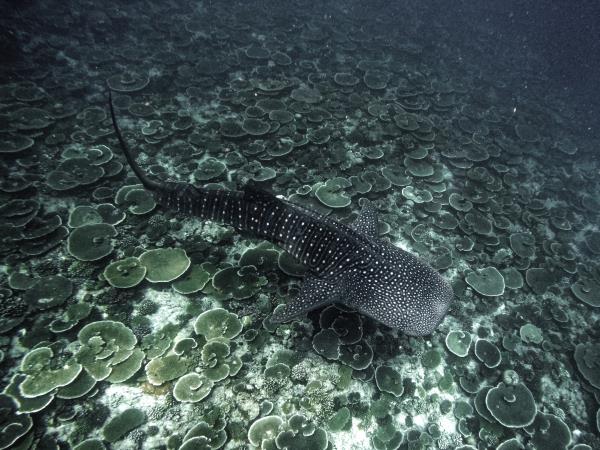
The Whale Shark Conservation Project aims to monitor whale shark numbers and behavior, loggerhead turtle nesting activity and coral reef condition in order to make recommendations for improving the conservation of marine biodiversity. It involves field data collection via beach walks, boat surveys, swims and dives on the coastline of Mozambique around Tofo. It also involves assisting with tourist education and general tourism welcoming & interpretation. The project involves collaboration with a number of local and international bodies. The main component of the project involves research on whale sharks. These are the worlds largest fish and although they are sharks, are harmless to people since they feed on plankton.
Whale sharks are a threatened species and are relatively easy to monitor owing to their size. They are also good indicators of ocean productivity and can play a flagship role for the conservation of other marine creatures. With the increase of boat and fishing activities their home ranges may become influenced, their food sources affected and direct mortalities may even result. Most of the research involves taking underwater photographs to identify individual whale sharks by joining tourist launches and thereby investigating their numbers, distribution and ecology in a bid to help understand and conserve these most magnificent fish.
The second component of the project involves monitoring the condition of coral reefs in the Tofo area using methods based on the international reef check program. This involves doing scuba diving transects along the reefs and photographing at fixed points whilst recording benthic cover and indicator species of fish. These are the rainforests of the ocean and much marine life is dependant on them. Tofo's coral reefs are under threat of exploitation, bleaching, alien invasive species and other ecological changes associated with tourism and other human activities. A four day internationally recognized diving course is provided as part of this project to train you to be able to carry out this coral reef monitoring.
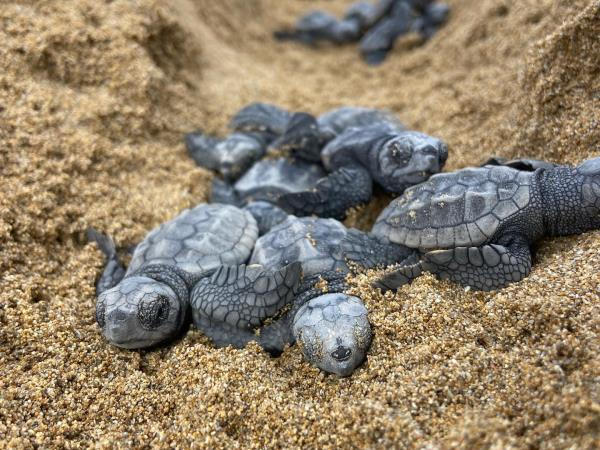
The third aspect of the project is the monitoring of the nesting activity of loggerhead and leatherback turtles. Their nesting sites are becoming increasingly threatened by human activity along the beaches and there is also hunting of adults as they lay their eggs. The monitoring involves patrolling the beaches at night during laying season (October-December) recording nest sites and tagging adults where possible, then visiting nests during hatching season (January-March) to record hatching success. The information collected during the field work will be collated into a database both on-site and at the head office in Swaziland. A number of more general environmental awareness and cleanup activities will be also carried out during the project.
The Dolphin Conservation Project aims to monitor bottlenose dolphin numbers and behavior, loggerhead turtle nesting activity and coral reef condition in order to make recommendations for improving the conservation of marine biodiversity. It involves field data collection via beach walks, boat surveys, swims and dives on the southern coastline of Mozambique around Ponta d' Ouro. It also involves assisting with tourist education and general tourism welcoming & interpretation. The project involves collaboration with a number of other local and international bodies. Growing exploitation of marine resources is threatening biodiversity along the Mozambique coastline.
The coral reefs that so much marine life is dependant on are under threat of exploitation, bleaching, alien invasive species and other ecological changes associated with tourism and other human activities. One of the components of the project is to monitor the condition of coral reefs in the Ponta d' Ouro area using methods based on the international reef check program. This involves doing scuba diving transects along the reefs and photographing at fixed points whilst recording benthic cover and indicator species. A four day internationally recognized diving course is provided as part of this project to train you to be able to carry out this coral reef monitoring.
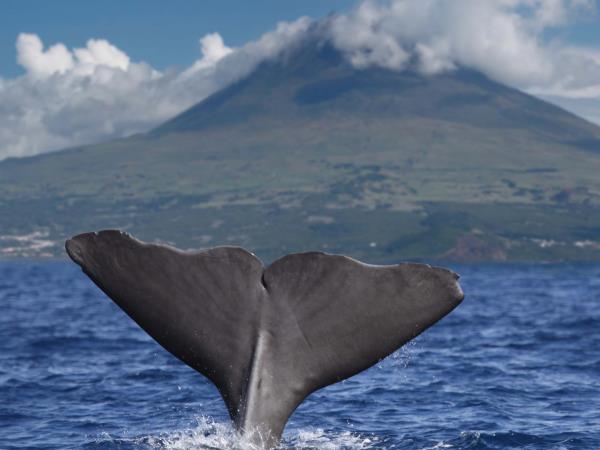
The second component of the project involves research on inshore bottlenose dolphins. A number of cetaceans occur off this coastline but most of these are in the deep waters and unlikely to be seen. In addition to the dolphins, humpback whales are likely to be seen. Dolphins are intelligent social creatures that have fascinated man for thousands of years. They are good indicators of fish populations and can play a flagship role for the conservation of other marine creatures. With the increase of boat and fishing activities their home ranges may become influenced, their food sources diminished and direct mortalities may even result. Most of the research involves investigating dolphin numbers, distribution and behavior by joining tourist launches to record dolphin activity as well as assisting in the cataloguing of individuals based on dorsal fin identification.
The third aspect of the project is the monitoring of the nesting activity of loggerhead and leatherback turtles. Their nesting sites are becoming increasingly threatened by human activity along the beaches and there is also hunting of adults as they lay their eggs. The monitoring involves patrolling the beaches at night during laying season (October-December) recording nest sites and tagging adults where possible, then visiting nests during hatching season (January-March) to record hatching success. The information collected during the field work will be collated into a database both on-site and at the head office in Swaziland. A number of more general environmental awareness and cleanup activities will be also carried out during the project.
Mozambique has 2515 km of coastline with world class tropical beaches and coral reefs along Africa's Indian Ocean. A vibrant afro-portuguese culture is prominant within the variety of tribes that occupy Mozambique. Mozambique was a Portuguese colony and Portuguese is the most commonly spoken language. During the past decade Mozambique has been recovering from 15 odd years of civil war between the two major political groups Renamo and Frelemo. The Mozambique people have put their devastating past behind them and are moving forward with gusto! They are bringing their country back from ruin at an amazing rate - and enjoying life as they go about it. Traditional music is widely played in Mozambique.
The landscape is spectacular with paradise coastal areas changing slightly as you travel through the country. Palms trees and white sands to a broad belt of savannah and woodland, then forested mountains. Two of southern Africa's longest rivers, the Zambezi and the Limpopo, flow through the country. The Portuguese influence is visibly apparent in the style of buildings found in the cities, and some war torn towns and villages dotted around the country. The food is amazing - if you enjoy seafood this is the place to visit! You can hand pick your sea delights from the fresh produce at the fish markets - at amazing rates!
Whale Shark Conservation Project
The Whale Shark Conservation Project aims to monitor whale shark numbers and behavior, loggerhead turtle nesting activity and coral reef condition in order to make recommendations for improving the conservation of marine biodiversity. It involves field data collection via beach walks, boat surveys, swims and dives on the coastline of Mozambique around Tofo. It also involves assisting with tourist education and general tourism welcoming & interpretation. The project involves collaboration with a number of local and international bodies. The main component of the project involves research on whale sharks. These are the worlds largest fish and although they are sharks, are harmless to people since they feed on plankton. Whale sharks are a threatened species and are relatively easy to monitor owing to their size. They are also good indicators of ocean productivity and can play a flagship role for the conservation of other marine creatures. With the increase of boat and fishing activities their home ranges may become influenced, their food sources affected and direct mortalities may even result. Most of the research involves taking underwater photographs to identify individual whale sharks by joining tourist launches and thereby investigating their numbers, distribution and ecology in a bid to help understand and conserve these most magnificent fish.
The second component of the project involves monitoring the condition of coral reefs in the Tofo area using methods based on the international reef check program. This involves doing scuba diving transects along the reefs and photographing at fixed points whilst recording benthic cover and indicator species of fish. These are the rainforests of the ocean and much marine life is dependant on them. Tofo's coral reefs are under threat of exploitation, bleaching, alien invasive species and other ecological changes associated with tourism and other human activities. A four day internationally recognized diving course is provided as part of this project to train you to be able to carry out this coral reef monitoring.
The third aspect of the project is the monitoring of the nesting activity of loggerhead and leatherback turtles. Their nesting sites are becoming increasingly threatened by human activity along the beaches and there is also hunting of adults as they lay their eggs. The monitoring involves patrolling the beaches at night during laying season (October-December) recording nest sites and tagging adults where possible, then visiting nests during hatching season (January-March) to record hatching success. The information collected during the field work will be collated into a database both on-site and at the head office in Swaziland. A number of more general environmental awareness and cleanup activities will be also carried out during the project.
Dolphin Conservation Project
The Dolphin Conservation Project aims to monitor bottlenose dolphin numbers and behavior, loggerhead turtle nesting activity and coral reef condition in order to make recommendations for improving the conservation of marine biodiversity. It involves field data collection via beach walks, boat surveys, swims and dives on the southern coastline of Mozambique around Ponta d' Ouro. It also involves assisting with tourist education and general tourism welcoming & interpretation. The project involves collaboration with a number of other local and international bodies. Growing exploitation of marine resources is threatening biodiversity along the Mozambique coastline. The coral reefs that so much marine life is dependant on are under threat of exploitation, bleaching, alien invasive species and other ecological changes associated with tourism and other human activities. One of the components of the project is to monitor the condition of coral reefs in the Ponta d' Ouro area using methods based on the international reef check program. This involves doing scuba diving transects along the reefs and photographing at fixed points whilst recording benthic cover and indicator species. A four day internationally recognized diving course is provided as part of this project to train you to be able to carry out this coral reef monitoring.
The second component of the project involves research on inshore bottlenose dolphins. A number of cetaceans occur off this coastline but most of these are in the deep waters and unlikely to be seen. In addition to the dolphins, humpback whales are likely to be seen. Dolphins are intelligent social creatures that have fascinated man for thousands of years. They are good indicators of fish populations and can play a flagship role for the conservation of other marine creatures. With the increase of boat and fishing activities their home ranges may become influenced, their food sources diminished and direct mortalities may even result. Most of the research involves investigating dolphin numbers, distribution and behavior by joining tourist launches to record dolphin activity as well as assisting in the cataloguing of individuals based on dorsal fin identification.
The third aspect of the project is the monitoring of the nesting activity of loggerhead and leatherback turtles. Their nesting sites are becoming increasingly threatened by human activity along the beaches and there is also hunting of adults as they lay their eggs. The monitoring involves patrolling the beaches at night during laying season (October-December) recording nest sites and tagging adults where possible, then visiting nests during hatching season (January-March) to record hatching success. The information collected during the field work will be collated into a database both on-site and at the head office in Swaziland. A number of more general environmental awareness and cleanup activities will be also carried out during the project.
volunteer travel - what's it all about?
Are you are looking for an adventurous trip with a purpose, or on a gap year or career break? If you want to make a difference in some of the world’s most important conservation areas - and in community projects - then volunteer trips are for you! Volunteers tend to have a sense of adventure, and come from a range of different backgrounds and from all over the world. Edward Abbey said 'sentiment without action is the ruin of the soul'.
how this holiday makes a difference
|
Dolphin Conservation Mozambique: Growing exploitation of marine resources is threatening biodiversity along the stunning Mozambique coastline. Our volunteers are involved in scientific research and monitoring of dolphins, turtles and coral reefs. This exciting research is run in collaboration with Dolphin Encounters and Devocean diving, both based in Ponta d Ouro, as well as the Natural History Museum of Mozambique based in Maputo and a number of international marine research bodies. The research contributes greatly to the current knowledge of Mozambique’s marine environment. Through this fascinating project our volunteers get to swim with wild dolphins while helping to study them. We also work with local community and schools on environmental education doing beach cleanups and awareness creation. We have built valuable and positive working relationships with the local community and have already generated useful information to help conserve this marine environment.
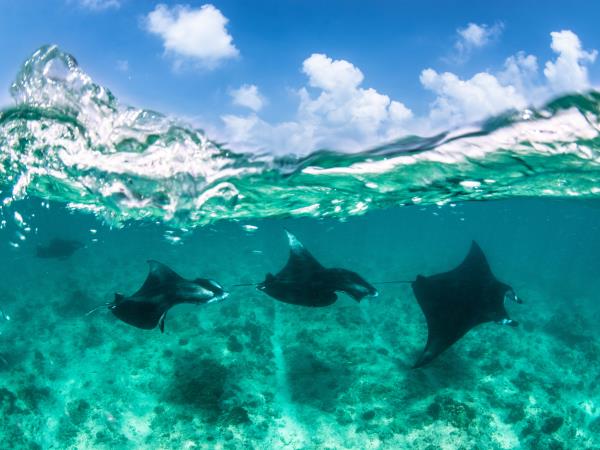
Whaleshark Conservation Mozambique: Whalesharks are the worlds largest fish and are a threatened species that is particularly conspicuous along the Mozambique coastline. Our volunteers are involved in scientific research and monitoring of whalesharks, manta rays and coral reefs. This exciting research is run in collaboration with the Whale shark and Manta Ray Trust based in Tofo, as well as a number of international marine research bodies. The research contributes greatly to the current knowledge of these creatures and Mozambique’s marine environment. Our monitoring work is providing valuable information to help understand and conserve these species. We also work with the local community and schools on environmental education and beach cleanups.Economic responsibility: Environmental responsibility: Social responsibility: |
Tourism can be good and bad for destinations & local people. We carefully screen every holiday against our criteria for responsible travel. 'Look behind the brochure' to find how each holiday makes a difference (see left). We don't claim to be perfect - there is no global accreditation - but we've led the way since 2001 and screened 1000's of holidays. We invite every traveller to write a review about their experiences and responsible tourism. This valuable feedback is sent to the people who run the holidays. We keep a very close eye on it and take off holidays that don't live up to our standards. |


Whaleshark Conservation Mozambique: Whalesharks are the worlds largest fish and are a threatened species that is particularly conspicuous along the Mozambique coastline. Our volunteers are involved in scientific research and monitoring of whalesharks, manta rays and coral reefs. This exciting research is run in collaboration with the Whale shark and Manta Ray Trust based in Tofo, as well as a number of international marine research bodies. The research contributes greatly to the current knowledge of these creatures and Mozambique’s marine environment. Our monitoring work is providing valuable information to help understand and conserve these species. We also work with the local community and schools on environmental education and beach cleanups.