Our marine conservation holidays
Our marine conservation holidays are designed for anyone with a passion for the oceans. Enthusiasm is valued over experience and you don’t need a scientific background to get involved. Placements on these trips can take different forms – data collection and monitoring are generally the aim, but this can take place during beach patrols, from the deck of a boat, or underwater. Many of our marine conservation holidays are based off the coast of countries like Costa Rica or Belize. But while your lodging may be basic, your surroundings and the experience itself will be 5-star.
Our top Marine conservation holidays

Lionfish spearing marine conservation in Belize
From
US $995
5 days
ex flights
Help us protect reef ecosystems by hunting invasive species
Tailor made
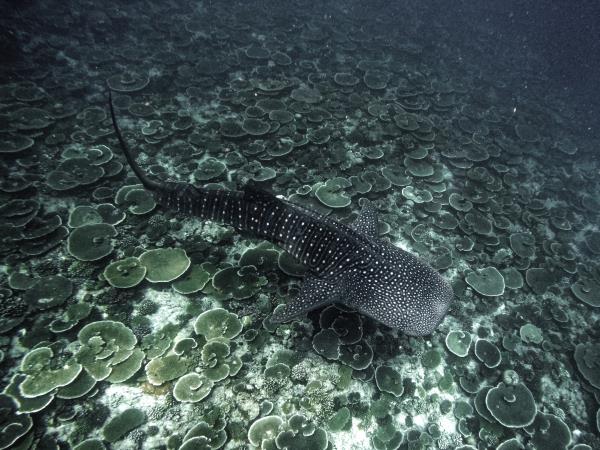
Maldives whale shark conservation snorkelling cruise
From
US $2499 to US $2699
8 days
ex flights
Maldives whale shark conservation cruise with local experts
Small group2026: 1 Nov, 2027: 31 Jan, 7 Feb, 14 Feb, 21 Feb, 28 Mar, 4 Apr, 22 Aug, 7 Nov, 14 Nov, 21 Nov
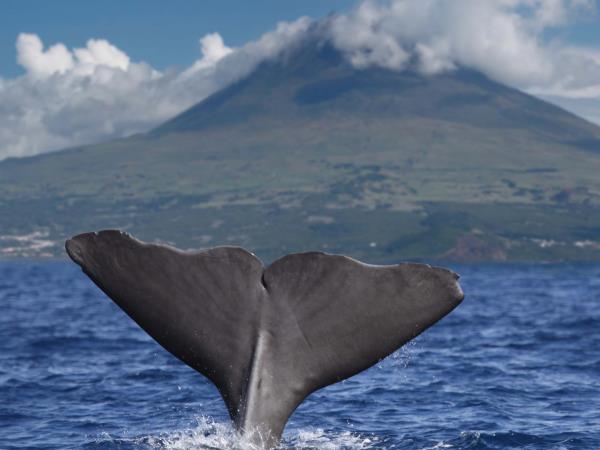
Whale conservation holiday in the Azores
From
£695 to £4195
7 days
ex flights
Help assist in integral whale and dolphin conservation
Small group2027: 1 Mar, 15 Mar, 1 Apr, 15 Apr, 1 May, 15 May, 1 Jun, 15 Jun, 1 Jul, 15 Jul
Small group2027: 12 Apr, 26 Apr, 10 May, 12 May, 24 May, 26 May, 7 Jun, 9 Jun, 21 Jun, 23 Jun, 5 Jul, 7 Jul, 19 Jul, 21 Jul, 2 Aug, 4 Aug, 16 Aug, 18 Aug, 30 Aug, 1 Sep, 13 Sep, 15 Sep, 27 Sep, 11 Oct

Maldives Whale Shark Conservation Research Expedition
From
£2189
11 days
ex flights
Join the Maldives Whale Shark Research Programme
Small group2026: 1 Nov, 23 Dec, 2027: 11 Apr, 5 May, 17 Jun, 3 Jul, 21 Sep, 11 Oct, 2 Nov

Family volunteering with turtles in the Maldives
From
US $1650
7 days
ex flights
Family volunteering in the paradise of the Maldives
Small group2026: 23 Oct, 30 Oct, 6 Nov, 13 Nov, 20 Nov, 27 Nov, 4 Dec, 11 Dec, 18 Dec, 25 Dec, 2027: 1 Jan, 8 Jan, 15 Jan, 22 Jan, 29 Jan, 5 Feb, 12 Feb, 19 Feb, 26 Feb, 5 Mar, 12 Mar, 19 Mar, 26 Mar, 2 Apr, 9 Apr, 16 Apr, 23 Apr, 30 Apr, 7 May, 14 May, 21 May, 28 May, 4 Jun, 11 Jun, 18 Jun, 25 Jun, 2 Jul, 9 Jul, 16 Jul, 23 Jul, 30 Jul, 6 Aug, 13 Aug, 20 Aug, 27 Aug, 3 Sep, 10 Sep, 17 Sep, 24 Sep, 1 Oct, 8 Oct, 15 Oct, 22 Oct, 29 Oct ...

Coral reef conservation in Belize
From
US $995
5 days
ex flights
Hands-on conservation experience on idyllic Caribbean island
Tailor made

Family marine volunteering, South Africa
From
£875 to £1075
6 days
ex flights
Discover and help protect marine life as a family
Tailor made
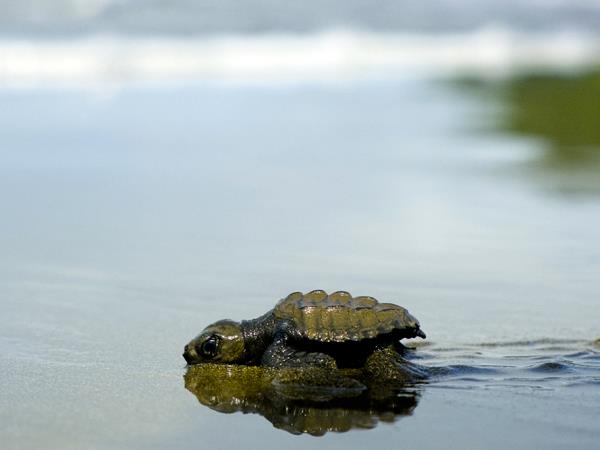
Costa Rica turtle conservation experience
From
£895 to £4195
8 days
ex flights
Help protect turtles by volunteering in Costa Rica
Tailor made
 See all our Marine conservation holidays
Contact Us
Call us for a chat about our holidays. We are happy to discuss your holiday and help in any way we can. No bots, queues or awful hold music.

01273 823 700
Call us tomorrow after 9am
Calling from outside the UK



Highlights of our marine conservation holidays
What to expect from a marine conservation holiday
These holidays take many forms. Some lean more into observation and research – data is often shared with conservation organisations and scientific projects – and others are more hands-on. Where you’ll be based is another differentiator. You may spend a week or two living mostly aboard a boat, such as on a whale shark research programme in the Maldives, moving between islands, and snorkelling alongside these gentle, graceful giants.
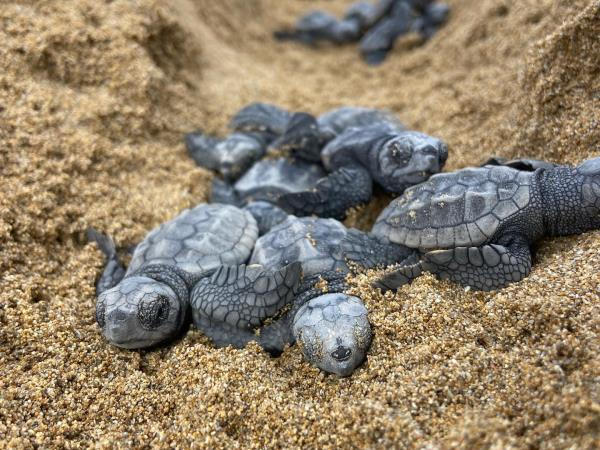
Other marine conservation tours are land-based. If you are working on a turtle project then you may stick to the sands, protecting nests and counting hatchlings. Some trips see you staying in hotels but spending most of your time in the water. Lionfish-spearing holidays, or studying sharks and manta rays, require a PADI qualification as they involve regular scuba diving. In some places, if you don’t have the qualification before you arrive, we can help you to get it.
Other marine conservation tours are land-based. If you are working on a turtle project then you may stick to the sands, protecting nests and counting hatchlings. Some trips see you staying in hotels but spending most of your time in the water. Lionfish-spearing holidays, or studying sharks and manta rays, require a PADI qualification as they involve regular scuba diving. In some places, if you don’t have the qualification before you arrive, we can help you to get it.
Where to go on a marine conservation holiday
One of the biggest reasons to recommend our marine conservation holidays, in addition to the fact you’ll be doing meaningful work on genuine, important projects, is that happily they take place in some of the world’s most beautiful locations. Think cruising around idyllic atolls in the Maldives or strolling down to a golden beach on a Greek island every day, clipboard in hand ready to itemise some eggs.
In Thailand or Belize, you can reward your efforts with time on the beach afterwards. If you’re working on the South African coast, then you might add on a safari afterwards. And in Costa Rica, a week of working with turtles and other marine wildlife might be rewarded with some rainforest trekking, ziplining or a stay at an ecolodge.
In Thailand or Belize, you can reward your efforts with time on the beach afterwards. If you’re working on the South African coast, then you might add on a safari afterwards. And in Costa Rica, a week of working with turtles and other marine wildlife might be rewarded with some rainforest trekking, ziplining or a stay at an ecolodge.
Our Marine conservation holidays reviews
4.7
72Marine conservation holidays reviews
Rhiannon White07 Sep 2026
10/10, this trip was fabulous! It was a great way to see so much of the Maldives and truly learn about the ocean!read more
Sarah Robinson02 Sep 2026
A wonderful experience. The whole week was amazing. Particularly the nest inventories and snorkel surveillance and generally learning so much.
read more
Caroline Perry01 Aug 2026
Excellent , I have travelled with this operator before and couldn’t recommend them enoughread more
Sue Hyslop04 Jun 2026
Numerous exciting boat trips in pretty rough seas watching an array of whale species and a sea alive with dolphins! Brilliant - saw many more whales than I ever expected. Lovely accommodation.read more