Our Antarctica holidays & cruises
Our Antarctica holidays roam the Great White Continent, a vast polar desert exposed to near-constant sunlight in summer, then veiled in darkness for another six months of the year. It’s an otherworldly place, as hostile to visitors as it is fascinating. Our Antarctica explorers are made up of wildlife lovers, avid birdwatchers and photographers, but what they all have in common is that they are looking for adventure. Yes, you’ll sail aboard a comfortable small ship with excellent amenities an expert crew, but it’s an adventure nonetheless. In fact, we’d go so far as to say you don’t go on an Antarctica holiday – you go on an expedition.

Our top Antarctica holidays
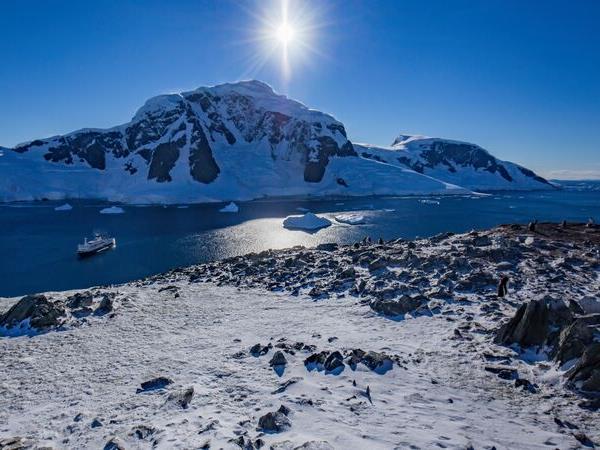
Journey to the Antarctic circle holiday
From
£9581 to £11215
14 days
ex flights
Antarctic cruise with only 80 passengers and all exterior cabins
Small group2027: 4 Feb, 26 Feb, 1 Dec, 22 Dec, 2028: 19 Feb
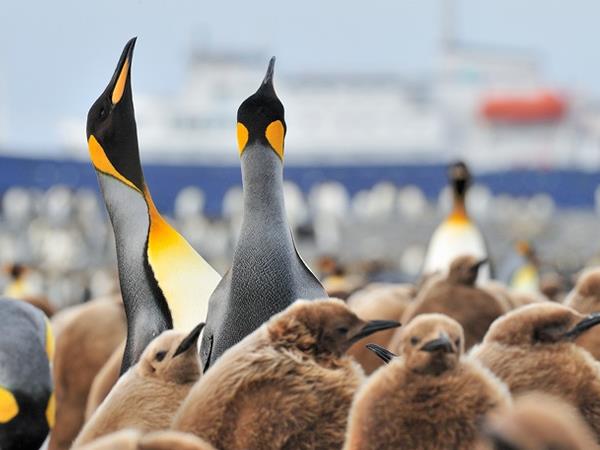
Falklands, South Georgia and Antarctica cruise
From
€14250 to €29750
20 days
ex flights
The ultimate Antarctica experience in 3 weeks!
Small group2026: 23 Nov, 11 Dec, 27 Dec, 2027: 16 Jan

Antarctic Peninsula Cruises
From
£5570 to £18939
11 days
ex flights
An inspiring wilderness & wildlife journey of a lifetime
Small group2026: 4 Nov, 6 Nov, 11 Nov, 12 Nov, 13 Nov, 15 Nov, 17 Nov, 21 Nov, 22 Nov, 23 Nov, 24 Nov, 28 Nov, 30 Nov, 1 Dec, 2 Dec, 4 Dec, 7 Dec, 8 Dec, 9 Dec, 12 Dec, 13 Dec, 16 Dec, 17 Dec, 18 Dec, 19 Dec, 27 Dec, 28 Dec, 29 Dec, 2027: 2 Jan, 3 Jan, 5 Jan, 6 Jan, 7 Jan, 12 Jan, 13 Jan, 15 Jan, 25 Jan, 26 Jan, 30 Jan, 1 Feb, 3 Feb, 6 Feb, 8 Feb, 17 Feb, 18 Feb, 27 Feb, 28 Feb, 3 Mar, 4 Mar, 7 Mar, 9 Mar, 10 Mar, 12 Mar, 13 Mar ...

Antarctic explorer cruise
From
£10025 to £12490
11 days
ex flights
Journey to the most immaculate wilderness
Small group2026: 12 Nov, 21 Nov, 30 Nov, 9 Dec, 18 Dec, 27 Dec, 2027: 5 Jan, 28 Feb, 9 Mar

Antarctica semi-circumnavigation expedition cruise
From
£20890
4 weeks
ex flights
Epic Expedition Cruise Ushuaia to New Zealand
Small group2027: 7 Jan, 1 Feb, 3 Feb, 2028: 4 Feb
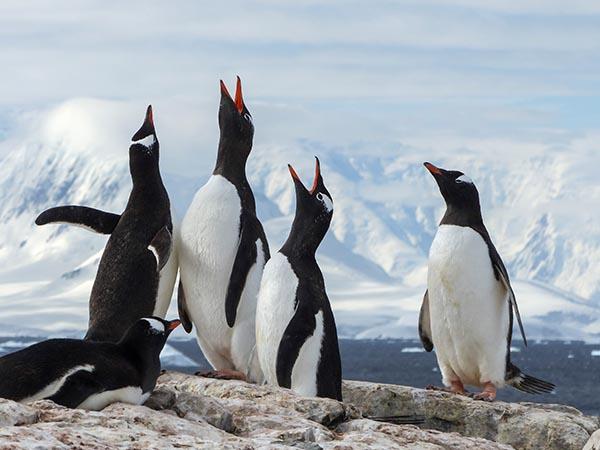
Classic Antarctica cruise & South Shetland Islands
From
£6799 to £8899
11 days
ex flights
Adventure through Antarctica’s breathtaking frozen realm
Small group2026: 22 Nov, 12 Dec, 2027: 2 Jan, 30 Jan, 4 Mar, 13 Mar, 22 Mar, 21 Nov, 30 Nov, 2028: 1 Feb, 5 Mar, 14 Mar, 23 Mar
Patagonia and Classic Antarctic cruise holiday
From
US $23574
15 days
ex flights
Wildlife and adventure in Chilean Patagonia and Antarctica
Tailor made

Antarctic Peninsula crossing the Polar Circle cruise
From
£8500 to £26945
14 days
ex flights
An inspirational journey across the Antarctic Polar Circle
Small group2026: 13 Nov, 17 Dec, 18 Dec, 21 Dec, 27 Dec, 2027: 21 Jan, 22 Jan, 26 Jan, 7 Feb, 8 Feb, 13 Feb, 20 Feb, 24 Feb, 28 Feb, 6 Mar, 11 Mar, 12 Mar, 24 Nov, 5 Dec, 20 Dec, 21 Dec, 2028: 1 Jan, 2 Jan, 9 Jan, 29 Jan, 1 Feb, 5 Feb, 10 Feb, 15 Feb, 17 Feb, 18 Feb, 22 Feb, 23 Feb, 1 Mar, 8 Mar, 11 Mar, 19 Dec

Antarctic expedition cruise, fly the Drake passage
From
£12316 to £22945
8 days
ex flights
The quick way to and from Antarctica - A fly cruise
Small group2026: 20 Nov, 25 Nov, 30 Nov, 5 Dec, 10 Dec, 15 Dec, 20 Dec, 25 Dec, 2027: 1 Jan, 9 Jan, 16 Jan, 24 Jan, 31 Jan, 8 Feb, 17 Feb, 25 Feb, 2 Mar, 20 Nov, 27 Nov, 5 Dec, 12 Dec, 20 Dec, 27 Dec, 2028: 4 Jan
Contact Us
Call us for a chat about our holidays. We are happy to discuss your holiday and help in any way we can. No bots, queues or awful hold music.

01273 823 700
Call us tomorrow after 9am
Calling from outside the UK



Highlights of our Antarctica holidays
Cruises
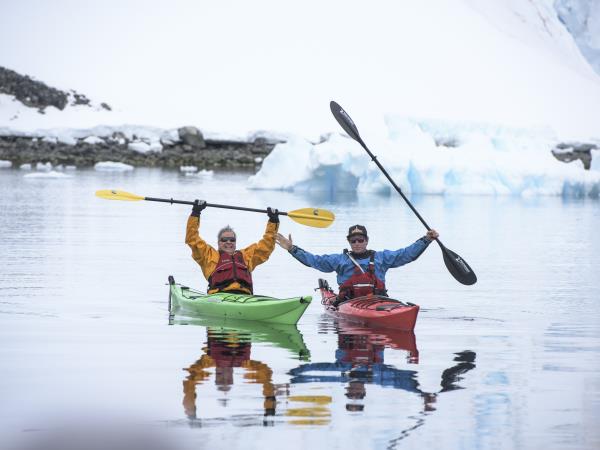
Although cruise ships carrying up to 500 passengers can land in Antarctica, our holidays only use vessels that carry a maximum of 250. That means they don’t overwhelm the communities that they visit, and it also means a better experience for you. Small ships can access narrower channels, reaching more remote areas that much larger ships cannot. And with just 250 or fewer passengers, you won’t be queuing up for ages for your daily activities, either. Hop into a Zodiac for a shore excursion to visit a bustling penguin colony, or take to kayaks to paddle around glaciers. And when you’re not on land, our Antarctica holidays also entertain with expert lectures from onboard naturalists, geologists and other experienced polar hands.
Whales
Antarctica is fantastic for whale watching, which is amazing when you consider how many were tragically slaughtered by sailors throughout the 20th century. Although sightings can never be guaranteed, you’d be disappointed not to see any whales at all, given that there are seven species in these waters, including blue whales, along with orcas. February and March are prime time for whales, but you can see them right the way through the cruising season. Our holidays in Antarctica are accompanied by onboard experts who can fill you in on what kind of whale you’re seeing, what their behaviours mean, and the threats they face, from boat propellers to warming seas.
Birdwatching
There are no fewer than 18 species of penguin in Antarctica, and watching them waddle around, somehow clumsy and dignified at the same time, is a big highlight of our holidays in the region. Colonies are often roped off so as not to cause the birds any undue stress, but even from a distance the noise and the, er, smell, are staggering. Among the other birdlife you’re likely to encounter in Antarctica are albatrosses on South Georgia. They can fly up to 1,000km in a day – or about 1,000km more than a penguin can.
South Georgia is also a safe breeding and nesting spot for many species of petrel, while in the Falkland Islands you can see all of these, plus skuas, flightless steamer ducks, and a number of striated caracara, birds of prey unique to the region. Sadly, bird flu has ravaged many colonies in the region, but Antarctica remains one of the finest places in the world for birdwatching.
South Georgia is also a safe breeding and nesting spot for many species of petrel, while in the Falkland Islands you can see all of these, plus skuas, flightless steamer ducks, and a number of striated caracara, birds of prey unique to the region. Sadly, bird flu has ravaged many colonies in the region, but Antarctica remains one of the finest places in the world for birdwatching.
Our Antarctica holidays reviews
4.9
35Antarctica holidays reviews
Mark Combes08 Apr 2026
Brilliant exceeded my expectations having previously been to Antarctica in 1991-93 on RRS Bransfield The Brunt Ice Shelf, Weddell Sea Halley 5 British Antarctic Base. The Anarctic Peninsular is so beautiful and wild this was an incredible holiday / expedition.read more
Patricia Andrews30 Mar 2025
I would not hesitate to recommend this holiday. It was an incredible experience!read more
Carol Wood12 Mar 2025
The whole experience of the expedition on the Greg Mortimer was both memorable and exciting! Giant icebergs, penguins, whale watching, seals...... it had it all! Very well organised.read more
Eric Osborn-Hodge13 Mar 2024
The whole experience, sailing between the icebergs, shore landings and seeing the penguins, seals and whales. Also spoiled with food.read more
Types of Antarctica holidays
Browse by destination