Our Sri Lanka wildlife holidays
Our wildlife holidays in Sri Lanka take you to both the iconic national parks and off-the-beaten track wonders with expert local guides. Cover loads of ground on a jeep, join night walks with naturalists, hike forest trails with Veddha guides, and walk the ruins of Polonnaruwa with primate researchers. They’ll show you how to watch wildlife responsibly, avoiding dubious turtle hatcheries and supporting genuine elephant sanctuaries instead. Our accommodation places you in the heart of things in low-impact, locally owned lodges, guest houses and camps.
Our top Wildlife holidays in Sri Lanka
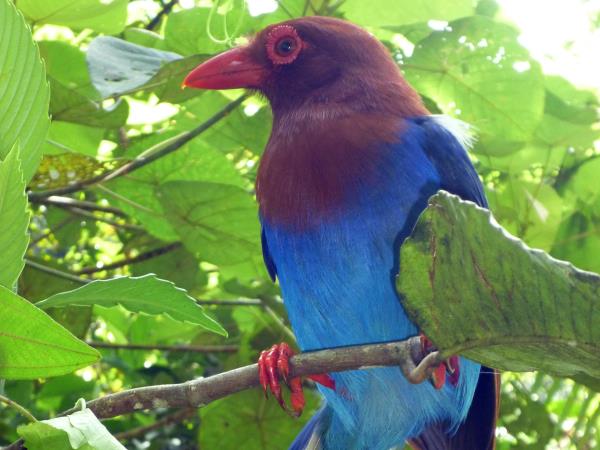
Bird watching tour in Sri Lanka
From
£1795
10 days
ex flights
Sri Lankan endemic birds & flagship mammals
Tailor made

Sri Lanka adventure holiday
From
£1887 to £2420
15 days
ex flights
Discover this magical land on expertly lead group tour
Small group2026: 18 Oct, 25 Oct, 28 Oct, 6 Nov, 8 Nov, 11 Nov, 13 Nov, 15 Nov, 17 Nov, 18 Nov, 20 Nov, 22 Nov, 25 Nov, 27 Nov, 2 Dec, 4 Dec, 13 Dec, 15 Dec, 18 Dec, 19 Dec, 20 Dec, 23 Dec, 25 Dec, 26 Dec, 27 Dec, 29 Dec, 30 Dec, 2027: 1 Jan, 3 Jan, 6 Jan, 8 Jan, 10 Jan, 11 Jan, 13 Jan, 15 Jan, 17 Jan, 20 Jan, 22 Jan, 24 Jan, 27 Jan, 29 Jan, 31 Jan, 1 Feb, 3 Feb, 5 Feb, 7 Feb, 8 Feb, 9 Feb, 10 Feb, 12 Feb, 14 Feb, 17 Feb, 19 Feb ...

Wildlife holiday in Sri Lanka, private departure
From
£2745
14 days
ex flights
Wildlife holiday to see Sri Lanka's Big Four
Tailor made

Family holidays to Sri Lanka
From
£1649
15 days
ex flights
Wildlife, beaches and culture for the summer holidays
Tailor made

Sri Lanka wildlife holiday, tailor made
From
£1750
10 days
ex flights
Sri Lanka wildlife with expert local guide
Tailor made

Sri Lanka wildlife and culture holiday
From
£3400
14 days
ex flights
Experience Sri Lanka on this great value tour
Tailor made

Sri Lanka wildlife watching tour
From
£1797
11 days
ex flights
Ultimate Sri Lanka Wildlife Adventure
Small group2026: 10 Nov, 10 Dec, 2027: 10 Jan

Authentic Sri Lanka 15 day tour
From
£1520
15 days
ex flights
Authentic Sri Lankan Exposure - 15 Days Trip
Tailor made

Tailor made wildlife tour of Sri Lanka
From
£3670
13 days
ex flights
Wildlife tour around Sri Lanka - see blue whales!
Tailor made
 See all our Wildlife holidays in Sri Lanka
Contact Us
Call us for a chat about our holidays. We are happy to discuss your holiday and help in any way we can. No bots, queues or awful hold music.

01273 823 700
Call us after 10am
Calling from outside the UK


Sri Lanka wildlife holiday highlights
From big cats to blue whales
Leopards, blue whales, elephants, sea turtles… there’s plenty of wow-worthy wildlife in Sri Lanka. Our Sri Lanka wildlife holidays challenge what should be on your wish list, thanks to local guides passionate about expanding your gaze to the whole ecosystem. After all, this is an island with an unusually high level of endemic species, from rainbow-bright magpies to purple-faced langur monkeys. Our best tours also reveal how people live alongside the wildlife – on drives that point out the elephant watchtowers and on forest walks with Indigenous Veddha guides. Some of our specialists work directly with conservation projects, such as supporting the removal of invasive plants – and they invite you to get stuck in.
Famous national parks…
Most of our holidays visit Yala National Park – a well-known hangout for leopards. Minneriya National Park is for elephants; you might catch ‘The Gathering’ between August and October, when several hundred come to sip and socialise around the reservoir. Udawalawe is another great pick for elephant spotting. While there, you’ll likely pop by the Elephant Transit Home, which works to get abandoned or orphaned baby elephants back into the wild. It’s got a hands-off approach to rehabilitation; you can observe feeding time from a raised platform, plus entrance fees go straight back into the sanctuary.
… & off the beaten track spots
Our trips also seek out the quieter spots – especially when the big-name parks are at their busiest. Gal Oya Valley National Park is great for seeing crocs by boat, Kaudulla National Park centres around a royal reservoir that’s a magnet for thirsty elephants and pelicans, and Bundala National Park is an internationally important wetland for wintering birds. Meanwhile, Sinharaja Forest Reserve is home to most of Sri Lanka’s endemic bird species, as well as some of the last original rainforest. Our night walks are a great alternative to noisy jeeps and motorised boats – and your chance to glimpse shy ring-tailed civet cats and grey slender lorises.
Wildlife lodges & camping
A choice of wildlife-friendly accommodation puts you right in the heart of nature. Go glamping in Gal Oya and Wilpattu, stay in tented camps in Yala or an ecolodge in the foothills of Hill Country, and finish off in an oceanside villa where sea turtles swim offshore. These are hotels that keep your money invested in the local economy instead of being siphoned off to a big international HQ. They’re also run by people who can share exactly what’s in the surround-sound dawn chorus and what’s the best national park for your wildlife wish list.
Tailor made vs. small group
Tailor made holidays are great for those who would like to focus on a certain species or have the flexibility to slow down and stay longer. Itineraries are bespoke and often include places that don’t appear in classic itineraries – such as a tour with researchers to see the primates that have made the ancient ruins of Polonnaruwa their home. Our small group tours offer a great overview of Sri Lanka’s wildlife, running to well-honed set itineraries and departure dates. They usually include the Cultural Triangle and the southern beaches too.
Experiences that we won’t include
There are lots of popular wildlife experiences that you won’t see on our Sri Lanka wildlife holidays. We recommend saying no to elephant rides and elephant bathing, and to look at elephant sanctuaries such as Pinnawala Elephant Orphanage with a very critical eye. Turtle hatcheries also dot the coastline, however they’re rarely the best conservation option, and some encourage visitors to handle the turtles – delicate babies and all.
Our Wildlife holidays in Sri Lanka reviews
4.6
108Wildlife holidays in Sri Lanka reviews
Jane Woolley06 Oct 2026
This was a trip of a lifetime for us, the first time we have done a bespoke tour, and it was fantastic. We are already planning a return to Sri Lanka with the same companyread more
Subha Rajendran02 Aug 2026
I would say our holiday was superb and really very exciting!...Our Sinharaja rainforest visit was spectacular, introducing us to a world of various new and endemic bird species.read more
Maria Holden25 Jul 2026
Excellent. Loved our tour guide, very knowledgeable, helpful , thoughtful, and kind.read more
Anon28 Mar 2026
Amazing diversity of scenery, environments, cultures and nature all within a relatively small geographical area. Combine this with friendly people and delicious cuisine and you have the recipe for a very rewarding trip. Excellent - already contemplating options for a return trip! read more