Holidays in Western Australia
Western Australia holidays are simply awesome and promise everything from whitewashed beaches and emerald forests, to dusty outback tracks through ranges that look like they are caught in a permanent sunset. Everywhere you go is bursting with wildlife, from the iconic 'roos' bounding close to the road to the rare whale sharks who visit Ningaloo Reef and the pint-sized quokka which you will see nowhere else in the world.
8 Western Australia holidays found

Southwest Australia tour, coast, forest & wineries
A travel itinerary to Southwest Australia
From £4,285 14 days inc UK flights
Tailor made:
This trip can be tailor made throughout the year to suit your requirements

Bibbulmun track walking holiday, Western Australia
Truly pristine wilderness and panoramic views
From AU $3,345 to AU $3,480 10 days ex flights
Tailor made:
This trip can be tailor made throughout the year to suit your requirements

Bibbulmun Track self guided walk in Western Australia
Walk the most scenic sections of the Bibbulmun Track in W.A.
From AU $3,190 to AU $3,390 9 days ex flights
Tailor made:
This trip can be tailor made throughout the year to suit your requirements

Western Australia wildlife holiday
Whale Sharks, dolphins & marsupials of Western Australia
From £9,995 to £12,995 20 days ex flights
Tailor made:
This trip can be tailor made throughout the year to suit your requirements

Contact Us
Call us for a chat about our holidays. We are happy to discuss your holiday and help in any way we can. No bots, queues or awful hold music.
01273 823 700
Call us tomorrow after 9am
Calling from outside the UK
rosy@responsibletravel.com

Cape to Cape self guided walking holiday in Western Australia
Spectacular coastline with rocky coves & idyllic bays in W A
From AU $3,880 to AU $4,045 9 days ex flights
Tailor made:
Can be booked on a date to suit you between April 1st and November 20th

Cape to Cape self guided walking holiday, Australia
Hike this world-class 135km track in Western Australia
From AU $4,110 to AU $4,370 10 days ex flights
Tailor made:
This trip can be tailor made throughout the year to suit your requirements
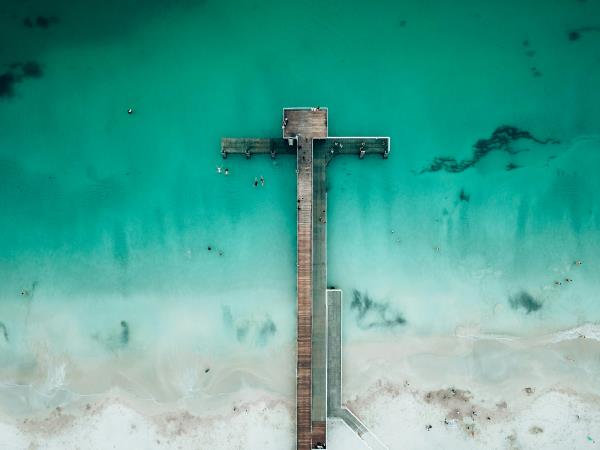
Western Australia self drive holiday
Tailor-made itinerary to Australia's Coral Coast
From £6,080 16 days inc UK flights
Tailor made:
This trip can be tailor made throughout the year to suit your requirements

Tasmania & Western Australia walking holiday
Australia's great walks in Western Australia and Tasmania
From £8,650 18 days inc UK flights
Tailor made:
This itinerary can be tailormade to suit you and your required dates, the duration and how long is spent at each destination. We could also tailor it by removing any one element and are happy to work round any further requirements