Our Nepal holidays & tours
Nepal is trekking nirvana, its soaring Himalayan peaks dotted with tiny villages, where cinematic views spread in every direction. Our holidays help create an even tourism industry, that takes trekkers not only on the popular routes, but to remoter, less visited places too. Whether exploring the Annapurna range, tracking rhinos and tigers in Chitwan, or venturing to Everest Base Camp, our Nepal holidays ensure your visit makes a powerful difference. We support fair pay and rights for hard-working porters, use local guides who know the importance of leaving no trace, and seek out homestays and tea houses in less-visited communities for a more genuine take on Nepalese culture.

Our top Nepal holidays
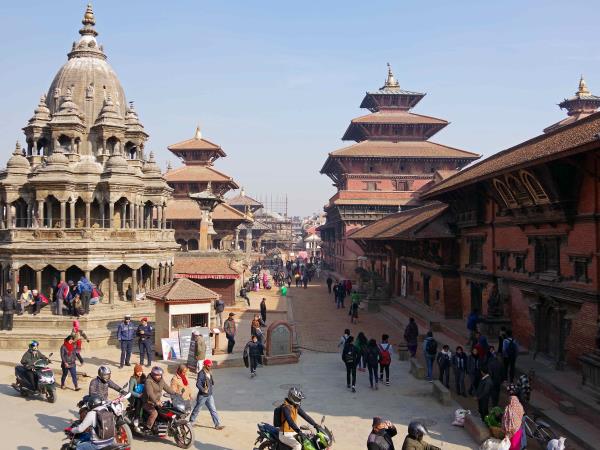
Nepal, Bhutan and Tibet Tour
From
US $3600
21 days
ex flights
A cultural extravaganza in landlocked South Asian countries
Tailor made
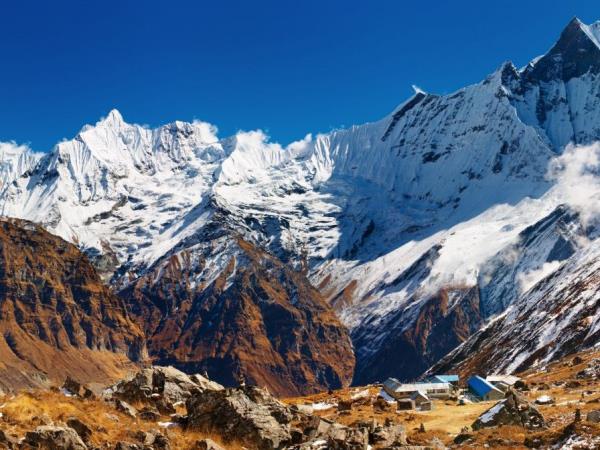
Annapurna Base Camp trekking holidays
From
US $1350 to US $1650
11 days
ex flights
Surrounded by majestic Himalayan peaks
Tailor made
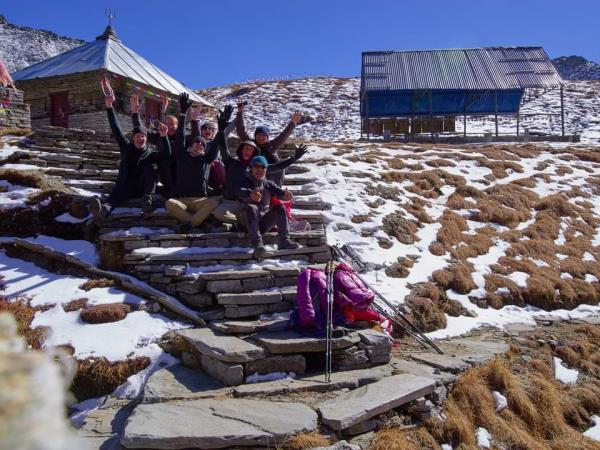
Khopra Danda trekking holiday in Nepal
From
US $1430 to US $1850
9 days
ex flights
This is a moderate,off-the-beaten-track adventure.
Tailor made
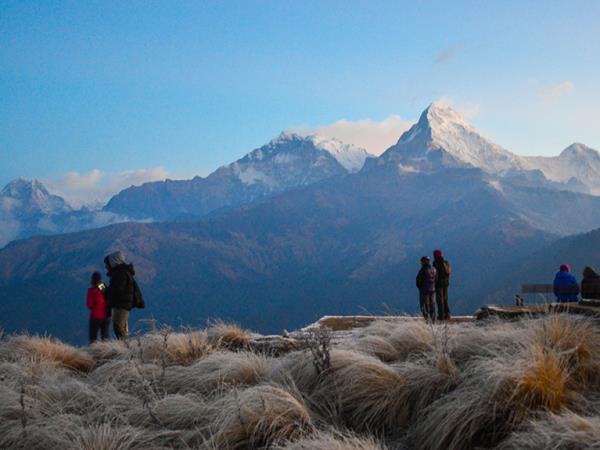
Ghorepani Poon Hill trek in Nepal
From
US $1000 to US $1250
7 days
ex flights
Moderate trek in the Annapurna Region.
Tailor made
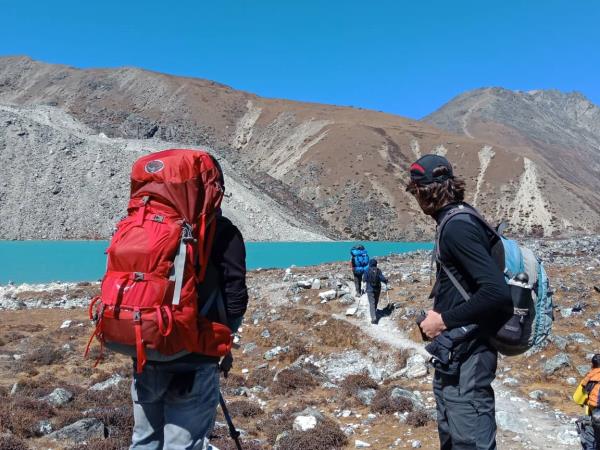
Gokyo Ri Valley trek in Nepal
From
US $2150 to US $2420
15 days
ex flights
Gokyo Valley Trek: A Scenic Alternative to Everest Base Camp
Small group2026: 27 Oct, 10 Nov, 12 Nov, 24 Nov, 9 Dec
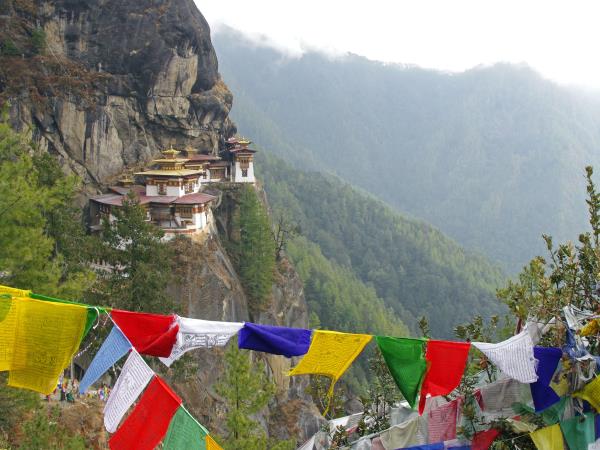
Nepal and Bhutan express tour
From
US $2100
7 days
ex flights
Become one with culture and nature in Bhutan and Nepal tour
Small group2026: 3 Nov, 17 Nov, 1 Dec

Northern India and Nepal guided tour
From
£2677 to £2939
15 days
ex flights
From the Taj Mahal to the Bengal tigers of Ranthambore
Small group2026: 1 Nov, 5 Nov, 15 Nov, 22 Nov, 2027: 7 Feb, 25 Feb, 28 Mar, 10 Oct, 26 Oct, 4 Nov, 14 Nov, 21 Nov, 5 Dec, 12 Dec

Annapurna Sanctuary small group
From
£1140 to £1545
15 days
ex flights
Annapurna Sanctuary trek, 9 days
Small group2026: 8 Nov, 2027: 28 Mar, 24 Apr, 26 Sep, 10 Oct, 24 Oct, 7 Nov, 21 Nov

Mustang cycling and culture holiday, Nepal
From
US $2399 to US $3699
15 days
ex flights
Ride hidden gravel roads between Kathmandu & Mustang
Small group
Contact Us
Call us for a chat about our holidays. We are happy to discuss your holiday and help in any way we can. No bots, queues or awful hold music.

01273 823 700
Call us until 6pm
Calling from outside the UK

Nepal holiday highlights
Nepal's best treks
Topping the list of things to do in Nepal is trekking. The Himalayas are an area 10 times the size of France and a landscape of superlatives: the highest mountains, seemingly bottomless gorges, and some of the greatest biodiversity on the planet.

To trek in Nepal is to discover the truth that our world is far more beautiful than it is flawed
Everest Base Camp is the leader of the pack, but the breathtaking Annapurna Range is popular too. This horseshoe-shaped, 210km route wanders through traditional Hindu villages and wild forests of oak and rhododendron. And then there’s Manaslu, a long and challenging trek that’s higher than Annapurna and making great strides as a relative new kid on the block. It’s the eighth highest mountain in the world and a brilliant teahouse trek, taking in as much culture as it does bright glacial terrain.
The alpine scenery of the Langtang Valley and the sacred valleys of Helambu, just outside Kathmandu, are popular, too. They are shorter, lower altitude, and more accessible, requiring no acclimatisation. But, of course, the best trekking holidays in Nepal are the ones that treat the trails with respect, as well as the porters and sherpas who tread the routes at your side.
The alpine scenery of the Langtang Valley and the sacred valleys of Helambu, just outside Kathmandu, are popular, too. They are shorter, lower altitude, and more accessible, requiring no acclimatisation. But, of course, the best trekking holidays in Nepal are the ones that treat the trails with respect, as well as the porters and sherpas who tread the routes at your side.
Everest Base Camp
Though the route to the top of Everest itself has captivated (and killed) intrepid climbers for decades, and not everyone has the fortitude, or the means, to summit the world’s highest peak, the Base Camp is nowadays accessible to us mere mortals. Reaching Everest Base Camp South is an achievement in itself. Trekking here is a 12-day odyssey: starting with a white-knuckle plane ride and then a trail that passes plunging river canyons, forests of blue pines, vast glaciers, ancient monasteries, and tiny mountain villages where colourful prayer flags flutter in the breeze.
Peak season can bring crowds, but takes nothing away from the sheer wonder and freedom of climbing to the foot of the world’s highest mountain. Our local guides bring this scenery to life, sharing their knowledge of Buddhism, Sherpa culture, and tales of derring-do. You are, after all, following in the footsteps of mountaineering history.
Peak season can bring crowds, but takes nothing away from the sheer wonder and freedom of climbing to the foot of the world’s highest mountain. Our local guides bring this scenery to life, sharing their knowledge of Buddhism, Sherpa culture, and tales of derring-do. You are, after all, following in the footsteps of mountaineering history.
Annapurna region
Apt to leave even experienced walkers lost for words, the Annapurna region is the most popular trekking destination in Nepal, and the full 125km circuit is considered one of the best routes in the world. One reason is the variety of terrain, from rhododendron woods to rice paddies, alpine forests to wide, arid plateaus, with the mountains as a constant backdrop, shimmering pink in the sunset.
You need 18 days to complete the circuit, but there are plenty of shorter routes in the region. Even these are strenuous, though, and you’ll be glad for the company and expertise of the porters, sherpas and guides. Our trips make sure that your local team on the trek are getting fair pay, carry baggage of a sensible weight, and are provided with good equipment – support porters, just as they support you.
You need 18 days to complete the circuit, but there are plenty of shorter routes in the region. Even these are strenuous, though, and you’ll be glad for the company and expertise of the porters, sherpas and guides. Our trips make sure that your local team on the trek are getting fair pay, carry baggage of a sensible weight, and are provided with good equipment – support porters, just as they support you.
The Nepali culture is not just something that you experience, but something you remember; a rich tapestry of ethnic groups, each with their own customs, but all with religion at their heart.
Sharing stories with sherpas
Whether you’re trekking in Nepal, or seeing the country at a gentle pace, the country’s deeply ingrained culture will play a part in everything you do: it can be seen in the temple-lined city squares of Kathmandu and Patan; listened to on a spiritual walk with Buddhist pilgrims around the ancient stupas of the Kathmandu Valley; and learned about directly from the Newars and the Sherpas, two tribes of original Nepalese settlers whose cultural experience of the country spans decades of change. You will be as curious to meet them as they are to meet you, so smile and say ‘namaste’.
Taking the family
Contending with the challenges and privations of travelling with young children doesn’t appeal to everyone, but for those with intrepid, active kids over the age of six, Nepal is an adventure playground. You’ll only admire the tall pointy bits from the bottom, but there are lots of smaller bumps that kids can comfortably scale on foot or two wheels. There are rivers to raft, wildlife to spot in Chitwan National Park, and colourful bazaars to wander in search of souvenirs.
Our family holidays in Nepal are imbued with warm, welcoming Buddhist hospitality – our excellent guides can help everyone learn cultural customs and a bit of the language, to enrich your experience. Your family can help support Nepali families too, by staying in their guest houses, eating their locally-grown produce, and buying their handicrafts.
Our family holidays in Nepal are imbued with warm, welcoming Buddhist hospitality – our excellent guides can help everyone learn cultural customs and a bit of the language, to enrich your experience. Your family can help support Nepali families too, by staying in their guest houses, eating their locally-grown produce, and buying their handicrafts.
Wildlife watching
There’s a line in Nepal’s national anthem that describes ‘a shawl of nature’s wealth unending’, and while most people visit this tiny Nepalese kingdom to trek, there are also plenty of wildlife holidays.
Southern Nepal is home to its wild and woolly national parks, where the treetops teem with exotic bird species and rhinos roam the jungle alongside lumbering Indian elephants. Bengal tigers stalk lowland riverbanks, and can be tracked on foot or from dugout canoe. One-horned Indian rhinos thrive in the dense jungle of Chitwan National Park. And in the remote Royal Bardia National Park some 80 migratory elephants are joined by crocodiles, swamp deer and river dolphins.
Jungle walks are an eco-friendly alternative to jeep safaris, so they’re cheap, plus you’ll get a much more personal experience and the benefit of local knowledge. It takes six hours to drive from Kathmandu to Chitwan, so it’s likely you’ll want to stretch your legs anyway. Our specialist guides will help you spot wildlife you’d never manage to track on your own. You can even see endangered red pandas in the Himalayan foothills. And on our holidays you will help nature, too – by contributing to tree-planting projects.
Southern Nepal is home to its wild and woolly national parks, where the treetops teem with exotic bird species and rhinos roam the jungle alongside lumbering Indian elephants. Bengal tigers stalk lowland riverbanks, and can be tracked on foot or from dugout canoe. One-horned Indian rhinos thrive in the dense jungle of Chitwan National Park. And in the remote Royal Bardia National Park some 80 migratory elephants are joined by crocodiles, swamp deer and river dolphins.
Jungle walks are an eco-friendly alternative to jeep safaris, so they’re cheap, plus you’ll get a much more personal experience and the benefit of local knowledge. It takes six hours to drive from Kathmandu to Chitwan, so it’s likely you’ll want to stretch your legs anyway. Our specialist guides will help you spot wildlife you’d never manage to track on your own. You can even see endangered red pandas in the Himalayan foothills. And on our holidays you will help nature, too – by contributing to tree-planting projects.
With its varied and open terrain, Nepal is the ultimate playground for extreme sports enthusiasts
Rafting
Active adventurers can look beyond trekking and get their kicks white water rafting down Nepal's rivers. As well as being exciting, rafting is a great way to view wildlife and birdlife. Winding through the mid hills of Nepal, the Seti River flows through steep forested canyons before joining the raging Trisuli River. Here, the Terai plains open up, but the water remains challenging, with grade II and III rapids to navigate. Paddles up!
Our Nepal holidays reviews
4.6
131Nepal holidays reviews
Sally Price05 May 2026
This was an amazing experience. The operator was so helpful, particularly when we rearranged our itinerary to include Pokhara. Because of this change, it really felt like a varied holiday……trek, mountain spa hotel, safari, and of course the cultural highlights of Kathmandu valley. First class!read more
Dave Crapnell17 Nov 2025
A great experience made special by the team of guide, scout, chef and porters.read more
Robert Elsdale13 Nov 2025
Our guide Javed was amazing. Always available, very well informed and also a thoroughly nice guy with a great sense of humour! I think that I can say on behalf of everyone on the trip, he made us all feel very secure.read more
Types of Nepal holidays
Browse by destination