Animal Welfare Initiative Award
The Best animal welfare initiative category is awarded to a tourism business or organisation leading the way in their approach to the care, wellbeing and dignity of animals.
Explained: Animal welfare in tourism has been the subject of intense international debate in the last few years. The Best animal welfare initiative category is a chance to highlight those organisations and businesses with a progressive ethical approach to maintaining the dignity of animals in, or through, tourism.
What the Judges want: Tourism initiatives that exemplify the latest innovation, thinking and leadership in ethical approaches to animal welfare, proven achievements in addressing the unethical treatment of animals in tourism, and long-term visions for the future.
Explained: Animal welfare in tourism has been the subject of intense international debate in the last few years. The Best animal welfare initiative category is a chance to highlight those organisations and businesses with a progressive ethical approach to maintaining the dignity of animals in, or through, tourism.
What the Judges want: Tourism initiatives that exemplify the latest innovation, thinking and leadership in ethical approaches to animal welfare, proven achievements in addressing the unethical treatment of animals in tourism, and long-term visions for the future.
2015 Winners
Gold award:
Campaign Against Canned Hunting (CACH)
We have all seen the images - rich tourists posing for photographs after shooting a lion or other more endangered species. Shared worldwide on social media, most of us look on in disbelief that such practices, known as canned hunting, are still allowed to happen. Canned hunting refers specifically to the hunting of animals which have been enclosed in a confined, privately owned area. Albeit often a very large area so that they don't feel enclosed. Legal in South Africa, it attracts hunters from all over the world, who are prepared to pay vast amounts of money to shoot lions, send home their body parts and have them stuffed, for prowess. This South African based charity, however, engages with tour operators, airlines and governments to make sure that this 'can' becomes a 'can't' forever.A South African based charity, formed at the turn of the millennium by conservationists Chris Mercer and Bev Pervan, it now has teams in ten countries around the world. The organisation is run entirely by volunteers, with the main aim to create public awareness around the issues of canned lion hunting. The charity does this by engaging with both tourism companies and government and also by running public awareness campaigns, with a view to putting an end to this practice. A practice that involves habituating animals to human contact, sometimes by hand rearing them and bottle feeding them so that they are no longer afraid of humans. Making them easy trophy targets.
Unlike many charities, CACH does not have paid members of staff, but everyone gives their time on a voluntary basis. They campaign armed with statistics and data rather than just emotional or angry messages, using facts and figures to disprove the theory that hunting is a form of conservation, and inform all people, tourists and tourism industry practitioners alike, about all the negative impacts of canned hunting. Not just the animal welfare implications. They also urge companies not to include, for example, activities like lion cub petting and walking with lions in their trips. Such activities, as well as the wildlife volunteering sector, whereby conservationists pay large amounts of money to work with lions on farms which are also, unbeknownst to them, actually canned hunting facilities, should be banned completely, according to CACH.
Hetta Huskies
Mushing, dog sledding or husky journeys into snowy wilderness. Whatever you call them, few can resist the imagery of these blue eyed beauties, galloping through the snow, caring for and careering their cargo from one beauteous, blanketed landscape to another. This tourism adventure is growing rapidly in popularity. However, like so many tourism practices that involve animals there are good and bad ways of doing it. And because huskies are seen as indestructible, hardy, able to cope with any conditions, welfare issues are often overlooked. Hetta Huskies, however, based in Finnish Lapland, leads the way in mushing magnificence.As well as the day to day business of running husky sledding trips, Hetta Huskies works to improve animal welfare standards in various ways. They offer education to tour operators about best practice and also, in particular, about the importance of over and above veterinary care. Showing them that proper care for does not have to be 'proper' expensive. Given that the use of huskies to transport people and goods is such a tradition in some of these very remote places, Hetta Huskies also offers a superb education service among small, rural communities, such as in schools and farmers' associations, so that they can keep up with the times in terms of best practice. In addition, as a result of their commitment to high standards of animal welfare, they are also now the animal rescue centre for the region, with an impressive 100% rehoming rate. Just like their dogs, Hetta Huskies keeps moving at an impressive pace, not stopping until the government has put in place mandatory dog sledding standards across the country, so that Finnish Lapland can become responsible leaders of the pack.
Silver award:
Lotus Travel
Responsible tourism really becomes a 'movement' when small tour operators like Lotus Travel start to take on the world of animal protection. Running trips to Vietnam, India, Laos, Cambodia, Indonesia, Nepal, Japan, Malaysia, Sri Lanka, Myanmar and Bhutan, many of which have serious animal welfare issues when it comes to tourism, Lotus decided to start a movement of ethical change. No more eastern promises from people on the ground regarding animal protection anymore. But real change.A year ago Lotus Travel, which on the face of it looks like a traditional tour operator running tours to the Far East, made a decision to implement a seriously thought out animal protection policy. Divided into two sections, one is aimed at converting partners in their holiday destinations to change their ways and the other is aimed at converting tourists to do the same. After they learned about the unethical practices involved in taming wild animals used to perform for tourists they removed, for example, elephant rides, dolphin shows or cultural festivals that include animals performing from their trips.
Lotus believes that by removing a demand for such animal abuse is the quickest way to stop animals being captured in the wild for these purposes. They also give their customers detailed guidelines advising them not to pet, ride on or be photographed with animals which are often captured in the wild for these purposes, nor buy souvenirs made from animal products.
Lotus Travel doesn't stop with its own tours and tourists and is working in partnership with leading international charity World Animal Protection to spread the word among all relevant Swedish tour operators to put in place similar animal protection policies, knowing that when a whole country starts to say 'no more', governments turning a blind eye to animal cruelty in their countries will finally start to police and stop it.
The Donkey Sanctuary
The late Dr Svendsen, who founded the pioneering Donkey Sanctuary in 1969, had one motto for the charity's work: "In everything we do, donkeys will always come first, second and third". This should have also included "and everywhere we go", although at the time, Dr Svendsen may not have predicted the charity's future international prowess. And why the tourism connection? Because donkeys are used as human taxis in many tourist destinations, and often they are maltreated in the extreme.Not only is The Donkey Sanctuary in Sidmouth, Devon, a top visitor attraction in itself, it also advocates for donkeys and mules to be valued as animals and to live free from suffering around the world. It is The Donkey Sanctuary's Take STEPS campaign that is being celebrated here, which works to improve the welfare of donkeys used in tourism, to carry people or their bags. In particular, the campaign focuses on the Greek island of Santorini where there are up to 350 donkeys and mules working as tourist taxis, with animal welfare practices sinking to an all-time low in many cases. The Donkey Sanctuary presented a list of urgent improvements to the Mayor of Santorini and other Greek authorities, gathering 20,000 signatures in a petition to put a stop to the likes of donkeys having to carry huge weights, being denied access to shade, water and rest, being forced to wear inadequate saddles and so on. The petition was accepted by the Ministry of Tourism in Athens, which agreed to write an official letter to the Ministry of Agriculture requesting further regulation of welfare conditions for working equines.
But The Donkey Sanctuary also works closely with tour operators going to these destinations, such as cruise companies that bring high volumes of tourists, most of whom are unaware of the issues. Using a Take Steps leaflet to heighten awareness about the problem, The Donkey Sanctuary is emphasising that it is all of our responsibility to put a stop to this cruelty. Because by choosing to ride on them for a bit of fun on holiday, we are all party to the crime.
2014 WINNERS
Gold award:
World Animal Protection
As well as changing its name from the World Society for the Protection of Animals to World Animal Protection, this eminent UK based charity has also upgraded its remit of late. Having spent the last 50 years campaigning and, in many cases, winning, to protect both wild and domestic animals worldwide from mass culling, the horrors of so called entertainment such as bear baiting, or the damage caused to marine life from discarded fishing gear, it is now hitting the tourism industry directly. Through its Compassionate Travel campaign it is reaching out to international bodies to put a stop to the unnecessary use of wild animals in tourism.The irony of using wild animals in tourism is that most people who pay to see them on holiday are, actually, animal lovers. Although most of them don't understand what the animals have been put through in order to 'perform', others simply turn a blind eye. World Animal Protection realises that protests and boycotts, lobbying and lecturing are not the only ways to create change in this area. Although they do an excellent job at this level too, having successfully moved the United Nations to include animal welfare in resolutions for the first time in 2013, a victory that will lead to policy change worldwide. In tourism, however, they are working to re-educate tour operators that buy trips to ride elephants, cheer on bullfights and swim with dolphins, as well as also communicating directly with consumers through campaigns and petitions. And these guys are well qualified to teach and outreach, having been successful in bringing the now, thankfully, passé bear dancing to an end in India, Turkey and Greece.
With plans to go global in the near future, World Animal Protection has focused its work in Australia and The Netherlands to date collaborating with, in particular, leading responsible tourism company Intrepid Travel as a leading partner. Together they have made a good team to present the case for tourism that is free from animal cruelty. Consequently, fifteen Dutch operators, including TUI Netherlands, have stopped elephant rides and visits to elephant shows on all their trips.
If you are travelling abroad this year, and want to know more about the animal welfare in places you love to visit, take time out to read World Animal Protection's highly informative and free to download Animal Friendly Holiday guide on their website, follow their campaigns on social media and spread the word about not eating wild animals in restaurants, not having your photograph taken with drugged wild animals, and never petting something that is meant to be in the wild. These are just starters on the large menu of ways in which you can help this now award-winning organisation to keep winning over the people who can really create change, and to show that we can all be compassionate in travel.
South African Animal Sanctuary Alliance (SAASA)
Animal sanctuaries should do what they say on the tin: Be a sanctuary for animals that have been injured or harmed. A place to help and heal. It doesn't occur to most tourists to question that a sanctuary could have any other mission but, sadly, some are more about making money out of tourists than making a better life for animals. Which is why an alliance has been created in South Africa. The South African Animal Sanctuary Alliance (SAASA) is like the super model of how sanctuaries should practise conservation and how they should present themselves on the world tourism stage.The SAASA has based its sanctuary principles on research and practices called the Eden Syndrome, which 're-wilds' animals back to a state where they are able to be released into semi-wild, multi-species, free-roaming sanctuaries. They have three sanctuaries in their alliance at the moment, which should be put to the top of any tourist trip to South Africa: Monkeyland, Jukani Wildlife Sanctuary and Birds of Eden. They use tourism to help fund their conservation efforts, but they stress the importance of responsible tourism in this respect. One of its main achievements is to show visitors that pe tting and interacting with wild animals, as if they were domesticated, is irresponsible. Many of us grew up with circus cultures, where lion tamers were seen as cool, or riding elephants was considered majestic. Consequently, we don't question the impacts of our petting these animals, because it seems to be almost a norm. The SAASA does not permit any activities that would place animals under stress and strives to educate tourists and tour operators on the reasons why not. Which include dangers to tourists, disease risks to both animals and tourists, and the fact that we are supporting unethical methods used to pacify wild animals enough so that they can be petted.
The SAASA's exemplary practices and findings are now being used as benchmarks for future animal sanctuaries. It promotes the success of the Eden Syndrome in an advisory capacity to other conservationists, students, media and animal-led organisations, with many international sanctuaries following in their footsteps.
Below are a selection of past winners which reflect the aims of this category:
2013 Responsible Wildlife Experiences winner
Winner:
Nam Nern Night Safari, Lao PDR
Judges' reasons for winning: "Nam Nern Night Safari has been designed to support the conservation of tigers and their prey, as well as other wildlife, by placing a monetary value on tigers and other wildlife for local people. Each reported sighting of wildlife by a tourist results in a financial reward for the villagers, and this includes people who might otherwise poach. Since 2010 there have been 370 visitors in 142 groups, and the revenues have been shared by 1000+ families in the 14 surrounding villages. The village development fund generated $2,860 this year, roughly $200 per village. It has been used by villages to improve their well-being through small projects. Although the numbers are small, the initiative has been very successful in increasing the number of wildlife sightings per boats - they have doubled. The judges felt that this approach should be replicable and would contribute to creating a more positive relationship between local communities, wildlife and tourism".Highly Commended:
- ReefCI, Belize
- The Great Projects, Africa, Asia, South America & Europe
More previous winners
- 2012 - Best for Marine Environment: Moonraker Dolphin Swims Australia
- 2009 - Overall Winner: Whale Watch Kaikoura New Zealand
Winners by year
Winners by category
More Responsible tourism articles
Our guide celebrates the good that tourism can do in nature and communities.

When it comes to the future of tourism, it's essential that local people have their say.

The era of unrestricted growth is over – here’s how we can fix the overtourism issue.
A radical concept, regenerative tourism differentiates itself from sustainable tourism – but can its big ideas catch on?
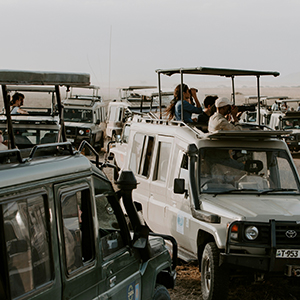
There are certain aspects of tourism where we believe we have a responsibility to just shout ‘stop!’.
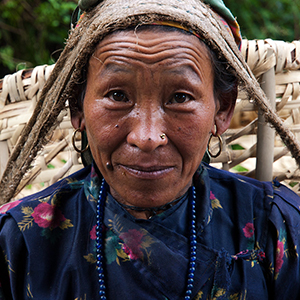

Small travel companies, big impacts - read about some of our inspiring partners.

Indulge yourself with our guide to the joy of eating local when you’re away.
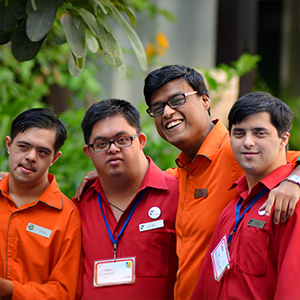
Responsible tourism is not all about the bad and the ugly.

Congratulations to this year's winners: Lemon Tree Hotel and Tren Ecuador.
Meet this year's inspiring overall winner, LooLa Adventure Resort.
Learn who took home the Responsible Tourism awards in 2014, and why.
TUI Nederland took home the gold for its work in child protection.

This year's winners show how to tour India's slums on an ethical basis.

A small Indonesian resort made a big difference in alleviating poverty.
We celebrate a Kiwi community's amazing wildlife tourism initiative.
Worthy winner New Zealand uses tourism to make better places to live and visit.

Explore the full list of this year's winners, including the New Forest.
Ol Malo Lodge & Trust and Intrepid Travel share the glory in 2006.
Spoiler alert - Tribes Travel win for their brilliant community tourism work.

Browse the categories and the fantastic winners of our first RT awards.
We highlight some of those doing great work to make tourism more accessible.
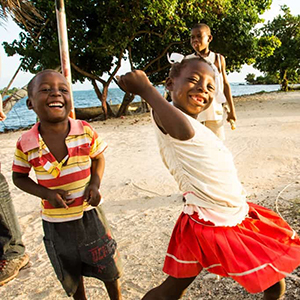
Spotlighting brilliant bloggers who inspire people to holiday more responsibly.
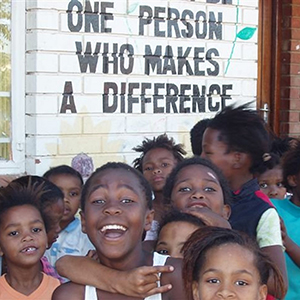
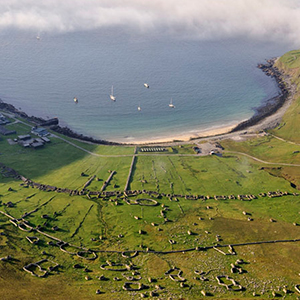
Tourism can make places better to live, and to visit.