Responsible tourism
Don’t be daunted. Be different. Responsible travel is not about limiting ways in which you can explore the world, it's about opening up layer after layer of our planet’s potential.

Responsible is a heavy word. It creates an emotional reaction. So does travel. Put the two together and it gets you thinking. It might even get you reacting. And, in many cases, it may even make you emotional.![]()

That is not to say that there isn’t a strong message behind the responsible tourism movement. Many of the players in the mega machine that is tourism have been waking up to the impact of the holidays they sell. Not only the impacts on the places we love to visit, but also on the people who live in these places. Best of all, there is now a demand for responsible holidays from consumers, conscious that there are better ways to travel. From board members to backpackers, beach bums to culture vultures, hoteliers to honeymooners, people are realising that you can dive into the world, and have a positive impact.
I thought Montenegro was all beach resorts until I discovered Lake Skadar – an exciting wonderland of waterfalls, wildlife and wineries. And for those who love wild swimming, there are only two words. Get in!![]()
Responsible tourism is exciting
Going on holiday should always be exciting. The escape, the exploration and, of course, the welcome rest. A responsible holiday is no exception. When you take a responsible holiday you are ensuring that the money you spend stays locally, which might mean staying in a family owned lodge on the edge of a lake, instead of a multinational chain behind gates. Discovering eclectic eateries which not only source their food close to home but also celebrate local cuisine as part of their culture. This might be in a remote valley in Vietnam, a mountain village in Morocco, or a beach café in Burma. Or going kayaking with a local guide, who shares all his local secret spots.A responsible tourism holiday also means being switched on to our impact on the landscapes and seascapes we visit. In recent years, the spotlight has been turned on to large cruise ships, and the environmental damage left by the multistorey behemoths, especially in ports. Overtourism too, where tourists vastly outnumber and therefore make daily life significantly more difficult for local residents, has become a major talking point. Most people too are aware of the importance of recycling and renewable energy by now, but few people know about the damage that can be caused by downhill skiing, golf, jet skis and even irresponsible hiking and mountain biking.
But for all the bad news, the better news is just how exciting the alternatives are. Cross country skiing and husky sledding in Finland is more exciting than packed pistes and overused snow cannons. Spending a week on board a traditional gulet boat in Turkey gives you the glorious freedom to explore beautiful coastlines without the crowds. And cycling in Croatia puts you at the heart of the country, instead of behind the window of a crowded coach.
Responsible tourism is emotional
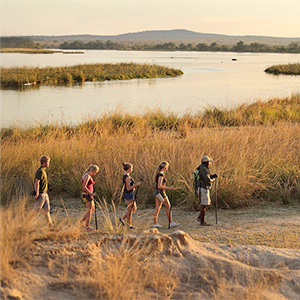
People are at the heart of the responsible tourism movement. First and foremost, as soon as you remember that you are visiting people’s homes, and see them as hosts rather than homogenous holiday providers, you become more responsible tourists. By respecting people who live in the places you visit on your travels, and engaging with them in an open, dignified way you are opening yourself up to the possibility of a more heartfelt holiday. You will learn why the Maasai elder became a conservationist. You’ll see a Catalan person beam ear to ear when you look them in the eye and say ‘bon dia’ in Catalan. You will hear a Botswanan safari guide serenade you with songs as he pushes you in a dugout canoe across the Okavango Delta. It’s these moments that you will remember as the highlights of your trip.
Local populations have rarely been at the forefront of the collective mind when it comes to tourism. While beautiful cities like Barcelona and Venice have always been popular, there is growing dissatisfaction among local communities who have seen their housing displaced by Airbnb properties, their grocery stores swapped for souvenir or international chain stores. This issue, termed 'overtourism' describes poorly managed tourism within a destination, it extends beyond urban areas, with social media driving intense interest in beaches, even bakeries, wholly unprepared and unsuited to coachloads of visitors. For a cove with a capacity of 100 people, a summertime onslaught of 4,000 visitors per day can be devastating. By staying in locally owned hotels in destinations away from the hot spots, or out of season, by buying and eating locally, you are not only having a more personal experience, you are also supporting and showing respect for a community.
Some aspects of tourism invoke more emotions than others of course. The obvious disparity in wealth is one. The exploitation of children is another. The crushing of a community or culture can also be devastating. And the recovery of communities such as Nepal after the earthquake, Sri Lanka post tsunami, Bosnia Herzegovina post conflict or indeed Greece, still reeling from its economic crisis, deserves support from tourism. And responsible tourism companies – the likes of which we are proud to represent on our website – certainly do support, by tapping in with communities, be they farmers, hikers, cyclists or homestay owners. Many also establish foundations to help communities through charitable donations, not just tourism income. They have done the groundwork for you, and all you need to do is travel there, meet the people, smile and say hi. The rest is up to you.
Local populations have rarely been at the forefront of the collective mind when it comes to tourism. While beautiful cities like Barcelona and Venice have always been popular, there is growing dissatisfaction among local communities who have seen their housing displaced by Airbnb properties, their grocery stores swapped for souvenir or international chain stores. This issue, termed 'overtourism' describes poorly managed tourism within a destination, it extends beyond urban areas, with social media driving intense interest in beaches, even bakeries, wholly unprepared and unsuited to coachloads of visitors. For a cove with a capacity of 100 people, a summertime onslaught of 4,000 visitors per day can be devastating. By staying in locally owned hotels in destinations away from the hot spots, or out of season, by buying and eating locally, you are not only having a more personal experience, you are also supporting and showing respect for a community.
Some aspects of tourism invoke more emotions than others of course. The obvious disparity in wealth is one. The exploitation of children is another. The crushing of a community or culture can also be devastating. And the recovery of communities such as Nepal after the earthquake, Sri Lanka post tsunami, Bosnia Herzegovina post conflict or indeed Greece, still reeling from its economic crisis, deserves support from tourism. And responsible tourism companies – the likes of which we are proud to represent on our website – certainly do support, by tapping in with communities, be they farmers, hikers, cyclists or homestay owners. Many also establish foundations to help communities through charitable donations, not just tourism income. They have done the groundwork for you, and all you need to do is travel there, meet the people, smile and say hi. The rest is up to you.
Responsible tourism is easy
There are a lot of misconceptions about responsible tourism. First, that it’s all about staying in five star eco lodges suspended from the trees in the Costa Rican rainforest. With five star bank accounts to pay for it. Or, the complete opposite; that responsible tourists are hiking, hippy hostellers, who want nothing more than to hug trees and salute the sun. The reality is that we can all be responsible tourists – it is easy. If you are camping in Kent, cruising in Croatia or chilling in the Caribbean, as long as you support local people, respect their culture, go easy on their homelands, and try to reduce your carbon emissions, you are being responsible. It’s easy because it is just common sense.Responsible tourism is about boosting the positive environmental, social and economic impacts of travel and reducing the negative ones. ![]()
Responsible tourism makes sense
We hope that all of the above helps to show why we think responsible tourism is so important. In short, responsible tourism is about boosting the positive environmental, social and economic impacts of travel and reducing the negative ones.
Tourism is often cited as being the most important employer in tourism destinations and, therefore, a force for good. We agree with this, but when the employer pays below a living wage or offers unreasonable employment conditions, imports people and services rather than sourcing them locally, raises prices and buys up affordable accommodation, tourism can be perceived by local people as a new form of colonialism. Responsible tourism is about putting people in the destinations first. Their livelihoods, their landscapes, their learnedness and their living culture. What we know is that the responsible holidays we sell are some of the best you will ever go on.
Tourism is often cited as being the most important employer in tourism destinations and, therefore, a force for good. We agree with this, but when the employer pays below a living wage or offers unreasonable employment conditions, imports people and services rather than sourcing them locally, raises prices and buys up affordable accommodation, tourism can be perceived by local people as a new form of colonialism. Responsible tourism is about putting people in the destinations first. Their livelihoods, their landscapes, their learnedness and their living culture. What we know is that the responsible holidays we sell are some of the best you will ever go on.
More Responsible tourism articles
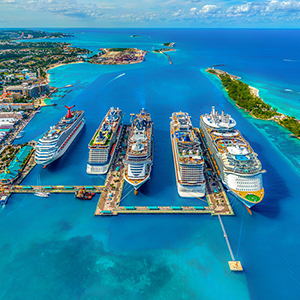

When it comes to the future of tourism, it's essential that local people have their say.

The era of unrestricted growth is over – here’s how we can fix the overtourism issue.

A radical concept, regenerative tourism differentiates itself from sustainable tourism – but can its big ideas catch on?
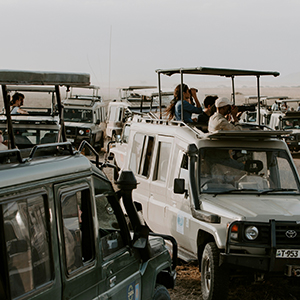
There are certain aspects of tourism where we believe we have a responsibility to just shout ‘stop!’.

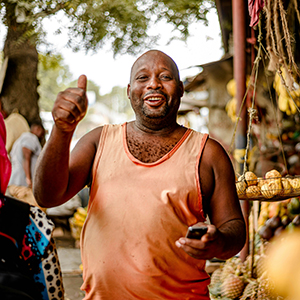
Small travel companies, big impacts - read about some of our inspiring partners.

Indulge yourself with our guide to the joy of eating local when you’re away.
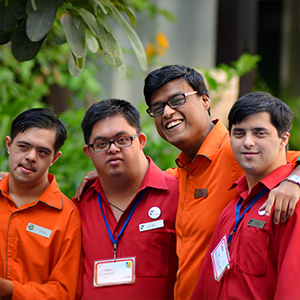
Responsible tourism is not all about the bad and the ugly.

Congratulations to this year's winners: Lemon Tree Hotel and Tren Ecuador.

Meet this year's inspiring overall winner, LooLa Adventure Resort.

Learn who took home the Responsible Tourism awards in 2014, and why.
TUI Nederland took home the gold for its work in child protection.

This year's winners show how to tour India's slums on an ethical basis.

A small Indonesian resort made a big difference in alleviating poverty.

We celebrate a Kiwi community's amazing wildlife tourism initiative.
Worthy winner New Zealand uses tourism to make better places to live and visit.

Explore the full list of this year's winners, including the New Forest.

Ol Malo Lodge & Trust and Intrepid Travel share the glory in 2006.

Spoiler alert - Tribes Travel win for their brilliant community tourism work.

Browse the categories and the fantastic winners of our first RT awards.
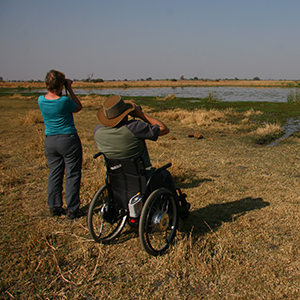
We highlight some of those doing great work to make tourism more accessible.

Highlighting those with a progressive ethical approach to animals in tourism.

Spotlighting brilliant bloggers who inspire people to holiday more responsibly.

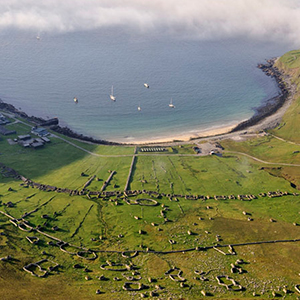
Tourism can make places better to live, and to visit.