Our Mongolia holidays & tours
Our Mongolia holidays spell adventure in vast, beautiful wilderness. From epic horse riding odysseys to vibrant eagle festivals (perhaps even learning to hunt with the birds yourself), at every turn these trips reveal new sides of Mongolia’s fascinating character. Cultural interaction is a key part of our Mongolia tours. You’ll stay with nomadic families in their gers, gaining an understanding of their traditional lifestyles, which the income from your stay helps to preserve. And our brilliant local guides offer an invaluable introduction to Mongolian customs and culture, whether showing you how to enter someone’s tent correctly, or helping you explore the diverse cuisine.

Our top Mongolia holidays
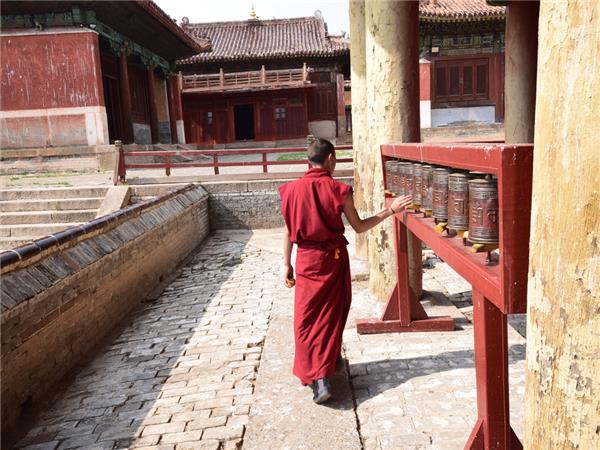
Mongolia small group holidays
From
£2920 to £3580
15 days
ex flights
Discover the raw beauty and tradition of Mongolia
Small group2027: 23 May, 30 May, 6 Jun, 13 Jun, 20 Jun, 29 Jun, 4 Jul, 13 Jul, 18 Jul, 27 Jul, 1 Aug, 10 Aug, 15 Aug, 24 Aug, 1 Sep, 7 Sep, 2028: 21 May, 28 May, 4 Jun, 11 Jun, 18 Jun, 27 Jun, 2 Jul, 13 Jul, 16 Jul, 25 Jul, 30 Jul, 8 Aug, 13 Aug, 22 Aug, 30 Aug, 5 Sep
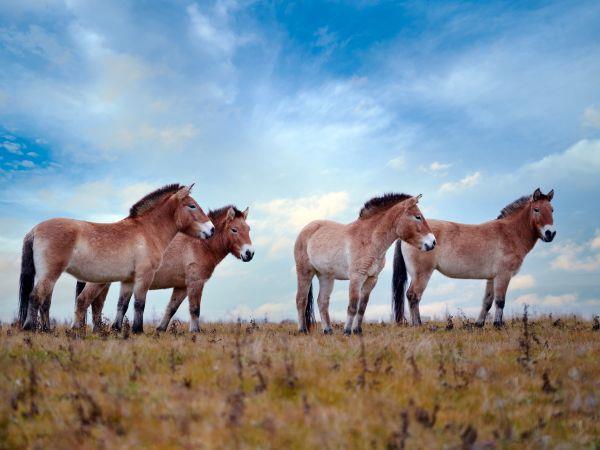
Mongolia tour, land of the great Khan
From
£4370 to £4725
15 days
ex flights
Journey through Mongolia's epic landscapes
Small group2027: 20 May, 3 Jun, 29 Jun, 13 Jul, 27 Jul, 10 Aug, 2028: 18 May, 1 Jun, 15 Jun, 29 Jun, 13 Jul, 27 Jul, 10 Aug

Mongolia's Naadam Festival tour at Lake Khovsgol
From
£2899
14 days
ex flights
Experience a traditional community-focussed Naadam Festival
Tailor made

Mongolia winter holiday
From
US $2300 to US $2975
9 days
ex flights
Authentic culture, warm hospitality & wild winter landscapes
Tailor made

Western Mongolia tour, the Altai mountains & eagles
From
US $3385 to US $4445
12 days
ex flights
Culture and adventure in the landscapes of western Mongolia
Small group2027: 3 Sep
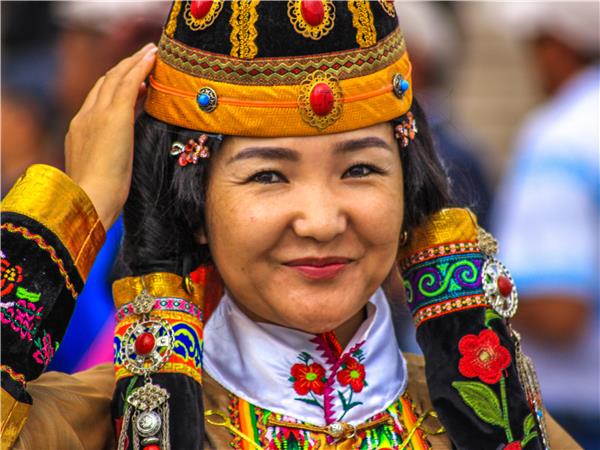
Naadam Festival holiday in Mongolia
From
£4367
15 days
ex flights
Mongolia tour with Nadaam Festival departures
Small group

Mongolia tour, winter landscapes and Khovsgol ice festival
From
US $3655
14 days
ex flights
Winter discovery tour with ice festival in northern Mongolia
Small group2027: 20 Feb, 2028: 20 Feb

Eagle festival tour in Mongolia
From
£2799
10 days
ex flights
Stay with local Kazakh Eagle Hunters in the Altai Mountains
Small group2027: 11 Sep

Naadam festival & Gobi desert tour, Mongolia
From
US $3375 to US $4260
13 days
ex flights
Explore the Gobi, heartland & Naadam on a cultural road trip
Small group2027: 30 Jun
Contact Us
Call us for a chat about our holidays. We are happy to discuss your holiday and help in any way we can. No bots, queues or awful hold music.

01273 823 700
Call us after 10am
Calling from outside the UK

Highlights of our Mongolia holidays
Culture
Few places offer you a more authentic cultural experience than Mongolia; the country has a great tradition of hospitality and of warmly receiving visitors passing through. Sharing a day, or longer, in the life of a nomadic family will be an experience you will never forget, although discovering the unexpectedly cosmopolitan nightlife of Ulaanbaatar can be just as enlightening. Nearly half the Mongolian population lives in and around the crowded capital, Ulaanbaatar, and you can expect to find a lot of English spoken and people eager to share their culture with you.
Anyone who has experienced the warm hospitality of a stay in one of Mongolia’s nomadic herding camps rarely forgets it. Yes, there’s a language barrier to overcome, but smiles and sign language can go a long way, and our holidays are led by local guides who can get the conversation going.
Hunting with eagles has a long history in Mongolia. Genghis Khan is thought to have been an aficionado and Marco Polo recorded that he had hunted alongside Khan’s grandson. The hunters are actually Kazakh, usually part of nomadic herding families who train their golden eagles to pick off small prey with fur that’ll be useful in winter. For the Kazakhs, their birds become like family, with bonds forming a few months after hatching. Growing tourist interest in hunting with eagles is leading to ethical concerns; on our holidays in Mongolia you can actually travel with eagle hunting families, learn their ways of life and witness the action, while ensuring the birds you encounter aren’t just photo props.
The province of Bayan-Ulgii in Western Mongolia hosts three Golden Eagle Festivals every year, the main one in October. Though far from ancient in their origins and aimed mostly at spectators who increasingly come from abroad, the festivals’ success has seen rising interest in traditional eagle hunting among younger Mongolians, and the practise has now been listed by UNESCO as a ‘living human heritage’. Our Mongolia holidays enable you to witness thrilling displays of falconry and horsemanship at these festivals, and to explore Mongolian Kazakh culture.
Anyone who has experienced the warm hospitality of a stay in one of Mongolia’s nomadic herding camps rarely forgets it. Yes, there’s a language barrier to overcome, but smiles and sign language can go a long way, and our holidays are led by local guides who can get the conversation going.
Hunting with eagles has a long history in Mongolia. Genghis Khan is thought to have been an aficionado and Marco Polo recorded that he had hunted alongside Khan’s grandson. The hunters are actually Kazakh, usually part of nomadic herding families who train their golden eagles to pick off small prey with fur that’ll be useful in winter. For the Kazakhs, their birds become like family, with bonds forming a few months after hatching. Growing tourist interest in hunting with eagles is leading to ethical concerns; on our holidays in Mongolia you can actually travel with eagle hunting families, learn their ways of life and witness the action, while ensuring the birds you encounter aren’t just photo props.
The province of Bayan-Ulgii in Western Mongolia hosts three Golden Eagle Festivals every year, the main one in October. Though far from ancient in their origins and aimed mostly at spectators who increasingly come from abroad, the festivals’ success has seen rising interest in traditional eagle hunting among younger Mongolians, and the practise has now been listed by UNESCO as a ‘living human heritage’. Our Mongolia holidays enable you to witness thrilling displays of falconry and horsemanship at these festivals, and to explore Mongolian Kazakh culture.
Wilderness wandering
When it comes to wilderness, Mongolia goes one steppe beyond. You can get wonderfully lost in the layers of diverse landscape that roll into one another; dusty path becomes grassy slope becomes distant peak, just as nature intended. For most of the 20th century, Mongolia was isolated from the rest of the world and a sense of absolute remoteness still exists there today. If you love spending time in the outdoors, you’ll be in your element here – desert, mountains, alpine lakes and grasslands all combine to create a true wilderness experience that’s like no other on Earth.
And Mongolia’s wide-open plains, that may at first appear vast expanses of nothingness, are actually home to towering sand dunes, magical ice canyons, and flora and fauna that exist nowhere else – ingredients that suggest nothing but pure adventure. An untouched land makes for an unpolluted sky and as night falls over the spectacular Mongolian countryside the endless blue sky becomes a backdrop of bright stars: your personal lightshow to lie below and simply watch in awe.
Your first introduction to these wide open spaces will knock you off your feet. Herds of sheep, yaks, horses and camels wander peaceably through unfenced grasslands, and if you opt for a horseback holiday then you can ride for days counting the number of people you encounter on one hand. Naturally, Mongolia holds great appeal for adventurers with a passion for off-road travel. But our holidays drive and park responsibly, to avoid damaging these precious habitats.
And Mongolia’s wide-open plains, that may at first appear vast expanses of nothingness, are actually home to towering sand dunes, magical ice canyons, and flora and fauna that exist nowhere else – ingredients that suggest nothing but pure adventure. An untouched land makes for an unpolluted sky and as night falls over the spectacular Mongolian countryside the endless blue sky becomes a backdrop of bright stars: your personal lightshow to lie below and simply watch in awe.
Your first introduction to these wide open spaces will knock you off your feet. Herds of sheep, yaks, horses and camels wander peaceably through unfenced grasslands, and if you opt for a horseback holiday then you can ride for days counting the number of people you encounter on one hand. Naturally, Mongolia holds great appeal for adventurers with a passion for off-road travel. But our holidays drive and park responsibly, to avoid damaging these precious habitats.
Horse riding
There is no finer way to explore Mongolia, no bigger adventure, than to join a horse-riding expedition. This is the principal and most practical mode of transportation for many nomadic herders. You don’t need any experience to leisurely meander across the steppe – trips mostly trot, to begin with, but obviously if you are already comfortable in the saddle then it won’t be long before you and your steed are galloping giddily across the grasslands.
Horse riding takes you to some exceptionally remote areas, such as the province of Zavkhan or the Altai Mountains, and you’ll need to be prepared to rough it, camping, and bathing in rivers – our guides will suggest doing this soap-free, and make sure all of the camp’s washing up is done away from the river’s edge, to preserve water purity.
You will be accompanied by brilliant guides, very experienced riders and wranglers who will ensure you have a horse that matches your abilities. Your guides not only lead the way but will be full of stories and knowledge to share about life on the steppe.
Horse riding takes you to some exceptionally remote areas, such as the province of Zavkhan or the Altai Mountains, and you’ll need to be prepared to rough it, camping, and bathing in rivers – our guides will suggest doing this soap-free, and make sure all of the camp’s washing up is done away from the river’s edge, to preserve water purity.
You will be accompanied by brilliant guides, very experienced riders and wranglers who will ensure you have a horse that matches your abilities. Your guides not only lead the way but will be full of stories and knowledge to share about life on the steppe.
Mongolia with kids
Our Mongolia holidays have some fantastic options for adventurous families, and while there is no minimum age, they’re especially suited to kids old enough to handle a few hours on horseback and endure the loss of a few home comforts. Their natural curiosity will be a perfect fit for exploring cultural differences at a nomadic camp, and you can confidently let them wander off – the biggest danger they’ll face is falling into a patch of dung. If your idea of the perfect family holiday is one where charging tablets is logistically challenging (though solar panels make it possible), while campfires under vast canvases of stars are a nightly tradition, then Mongolia is your happy place.
Our Mongolia holidays reviews
4.7
48Mongolia holidays reviews
isabel bejar alonso20 Jul 2026
The driver and the guide were simply fantastic and compensated for the excess of kms and technical stops.read more
Mathew Woodburn-Simmonds18 Sep 2025
There are many companies claiming to offer an experience like this in Mongolia
but this one delivers far beyond expectations. 1000/10 a once in a lifetime trip that was sensational from start to finish. Utterly flawless.read more
Phyllis LOSIKOFF18 Aug 2025
Remarkable....The team who guided, drove and translated for us was hands down the very very best!!!! Remarkable.read more
Andre Israel12 Aug 2025
Top class. It all hinges on the guide and local company. read more
Types of Mongolia holidays
Browse by destination