Our South Africa holidays & tours
Given its mammoth size, the ‘Rainbow Nation’ fittingly offers a kaleidoscope of experiences for travellers. Our South Africa holidays take in Kruger and other national parks, and their amazing wildlife. But they also explore the majestic Garden Route (and its welcoming, locally owned B&Bs); the wild and remote KwaZulu-Natal; Victoria Falls, and even the beguiling beaches of nearby Mauritius. Your trip can support conservation projects, such as the Moholoholo Wildlife Rehabilitation Centre or lodges helping to train rangers. You may also visit local communities for a true insight into residents’ lives.

Our top South Africa holidays

Three Reserve safari in South Africa
From
£3550 to £3750
10 days
ex flights
A 10 day big game safari visits 3 different game reserves
Small group2027: 8 Feb, 22 Feb, 8 Mar, 22 Mar, 5 Apr, 19 Apr, 3 May, 17 May, 31 May, 14 Jun, 28 Jun, 12 Jul, 26 Jul, 2 Aug, 9 Aug, 23 Aug, 6 Sep, 21 Sep, 5 Oct, 18 Oct, 1 Nov
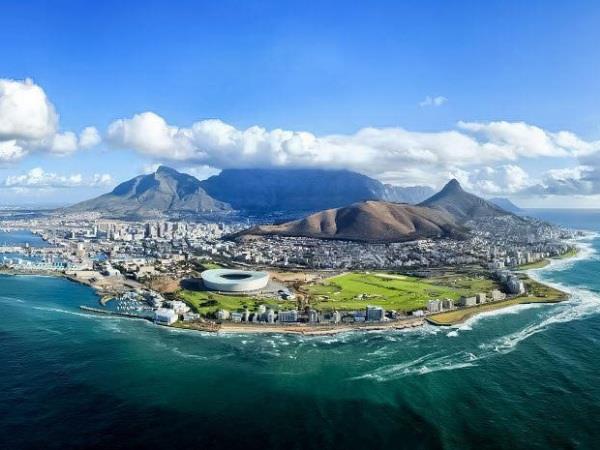
Self drive South Africa holiday
From
£3120 to £4165
13 days
ex flights
Explore Cape Town, Winelands & the Garden Route
Tailor made
Cape Town, Kruger and Victoria Falls holiday, South Africa
From
£2750
11 days
ex flights
Great value highlights tour of South Africa
Tailor made

South Africa safari holiday, 14 days
From
£4784
14 days
ex flights
Award winning safari in South Africa
Small group2026: 11 Oct, 25 Oct

Cape Town and the Garden Route tour
From
£2096 to £2335
12 days
ex flights
Travel along the dramatic coastline at the bottom of South Africa
Small group2026: 25 Oct, 1 Nov, 20 Dec, 2027: 16 Jan, 23 Jan, 6 Feb, 20 Feb, 27 Feb, 6 Mar, 13 Mar, 27 Mar, 17 Apr, 4 Sep, 25 Sep, 2 Oct, 9 Oct, 6 Nov, 13 Nov, 27 Nov, 4 Dec, 18 Dec

South Africa and Swaziland safari
From
€2990 to €3290
17 days
ex flights
The Rainbow Route from Kruger to Cape Town
Small group2026: 10 Oct, 14 Nov, 28 Nov, 12 Dec, 19 Dec, 2027: 9 Jan, 30 Jan, 20 Feb, 27 Feb, 6 Mar, 3 Apr, 24 Apr, 8 May, 22 May, 19 Jun, 3 Jul, 10 Jul, 17 Jul, 24 Jul, 7 Aug, 14 Aug, 21 Aug, 18 Sep, 2 Oct, 9 Oct, 30 Oct, 13 Nov, 20 Nov, 27 Nov, 11 Dec, 18 Dec

South Africa walking safari
From
€2650
14 days
ex flights
Active walking holiday Kruger Swaziland Zululand Drakensberg
Small group2027: 2 Jan, 6 Feb, 20 Feb, 20 Mar, 17 Apr, 8 May, 19 Jun, 3 Jul, 24 Jul, 31 Jul, 7 Aug, 4 Sep, 9 Oct, 23 Oct, 13 Nov, 4 Dec
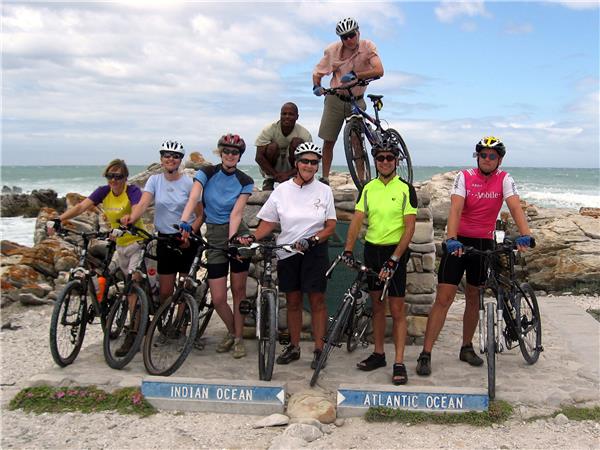
South Africa cycling holiday, Western Cape
From
£2911 to £2963
12 days
ex flights
Superb scenery, culture & wildlife
Small group2026: 11 Oct, 21 Dec, 2027: 28 Feb, 28 Mar, 19 Sep, 3 Oct, 24 Oct, 14 Nov, 5 Dec

South Africa holiday, Cape escape
From
£2230 to £2265
12 days
ex flights
South Africa's highlights: Beaches, winelands and wildlife
Small group2026: 17 Oct, 2027: 20 Feb, 13 Mar, 20 Mar, 27 Mar, 3 Apr, 15 May, 12 Jun, 3 Jul, 24 Jul, 7 Aug, 21 Aug, 4 Sep, 18 Sep, 2 Oct, 9 Oct, 16 Oct, 30 Oct, 6 Nov, 13 Nov, 20 Nov, 27 Nov, 18 Dec
Contact Us
Call us for a chat about our holidays. We are happy to discuss your holiday and help in any way we can. No bots, queues or awful hold music.

01273 823 700
Call us after 9am
Calling from outside the UK

About our South Africa holidays
Why visit South Africa?
South Africa is a great introduction to Africa. It’s accessible, with good roads and infrastructure, and there’s a compelling sweep of sights. Kruger National Park could be the poster child for safaris, whilst touring Cape Town and its surrounding Winelands is a fantastic way to learn from local growers. In a country this large, don’t just visit one place – our self drive holidays are popular for a reason. Add Johannesburg after Kruger National Park or combine cultural touring through KwaZulu-Natal with the beautiful Elephant Coast.
Kruger National Park
Tell people you’re going to South Africa on safari, and they’ll probably think you’re going to Kruger National Park. This huge game reserve is four hours’ drive or a flight from Johannesburg, and home to black and white rhinos, big cats, and African wild dogs. The wildlife-rich south can be a busy place, so our holidays also explore the private game reserves that ring Kruger. These protected areas offer more secluded excursions, and fences between them have been removed, allowing animals to follow their natural migratory routes. You’ll also stay in lodges and camps that make efforts to employ local people.
Self drive holidays in South Africa
Driving along South Africa’s coast, you might be distracted by a whale spout out to sea or do a double-take at the sight of penguins on the beach. Head inland and there are ostriches running alongside the road in the Karoo and warthogs trotting ahead in the game parks. The country’s good roads and big scenery are perfect for our self drive holidays, and you can easily weave culture into your itinerary too. Our accommodation in KwaZulu-Natal works with local community enterprise projects, while township tours in Cape Town are both eye-opening and inspirational.
Family holidays in South Africa
We have safari experiences for all ages, younger children will love bush craft sessions and night tours, a cacophony of calls and exciting sounds. Children aged eight and over can enjoy more traditional vehicle-led safaris, while older children and teenagers can start to learn about South Africa’s challenging history and multifaceted culture, too, by visiting Johannesburg and having a guided tour of Soweto. You might even want to consider a volunteering holiday. Young children can work with orphaned primates, and even have their own monkey to look after all day!
Types of tours & holidays in South Africa
From Addo to Hluhluwe, you’ve got your pick of parks and private reserves on a safari holiday in South Africa. It goes without saying that this is a marvellous wildlife holiday destination. And think beyond big cats: you could visit the coast to see dolphins and whales chasing the annual sardine run instead. Our small group holidays led by knowledgeable local guides are a fun way to explore the beautiful Winelands. Feeling intrepid? Consider an adventure holiday – you could get up close to great white sharks or shop for that night’s dinner at a community market on an overland tour.
Going beyond South Africa
From here, the only way is up: South Africa is a gateway to the whole continent of Africa and a great starting point for an overland tour. The most popular route from Cape Town to Victoria Falls also allows you to compare the landscapes and traditional culture of Zimbabwe, Botswana and Namibia, and takes around three weeks. If you have less time, you could just nip into Namibia – where its vast deserts provide a contrast to the Cape Winelands. Alternatively, combine safari with a beach break by visiting South Africa and Mauritius – the perfect way to wind down after all those lion encounters.
Our South Africa holidays reviews
4.7
220South Africa holidays reviews
David Ward31 Jul 2026
Too many to single out, but the rhino tracking on foot at Matobo, plus night time elephant visits to our campsite waterholes at Hwange and Elephant Sands were highlights for me. A great holiday lead by two excellent tour leaders (Wayne and Tabani). The itinerary was quite varied with each place having it's own unique charm. I would happily recommend this trip.read more
James Turner09 Jun 2026
Cape Town was wonderful, and all but one of the five accommodations were superb. Simon did a fantastic job in understanding our needs.read more
Jeremy Conen04 Apr 2026
The safari drives, two in particular. The first was tracking down a large herd of elephants who were crashing through the bush feeding and the second was tracking a large pride of lions. Our guide and tracker found the tracks for the pride in the morning and we found the remains of the zebra they had eaten. We couldn't find them then but in the afternoon, they were tracked again and found so close to where we were in the morning. There were over 20 of them and two males. Our guide got us really...read more
Christina Tran29 Mar 2026
Safari animals, boulder beach penguins and beaches. Food was amazing the entire trip.read more
Types of South Africa holidays
Browse by destination