Northern Argentina wildlife holiday
Price
£1800To£2650 including domestic flights only
Convert currency:


Duration
9 Days
Type
Tailor made
More info
Included: 2 internal flights - Accommodation, meals, excursions, private transfers per itinerary - Solidarity Development Fund.
Prices based on two/three people sharing.
Difference in price is based on a ENG/IT translator .
Prices based on two/three people sharing.
Difference in price is based on a ENG/IT translator .

Description of Northern Argentina wildlife holiday
Price information
£1800To£2650 including domestic flights only
Convert currency:
Included: 2 internal flights - Accommodation, meals, excursions, private transfers per itinerary - Solidarity Development Fund.
Prices based on two/three people sharing.
Difference in price is based on a ENG/IT translator .
Prices based on two/three people sharing.
Difference in price is based on a ENG/IT translator .
Departure information
This trip can be tailor made throughout the year to suit your requirements
Travel guides

Come on a journey through the roots of Carnaval, Chamame, Salta and Patagonia in our travel guide.
The perfect introduction to getting your head around the extraordinary life on earth, and where to go to find it.
Responsible Travel
As the pioneers of responsible tourism, we've screened this (and every) holiday so that you can travel knowing we've worked to maximise the benefits of your holiday to local people and places, and minimise any negative impacts.
Planet
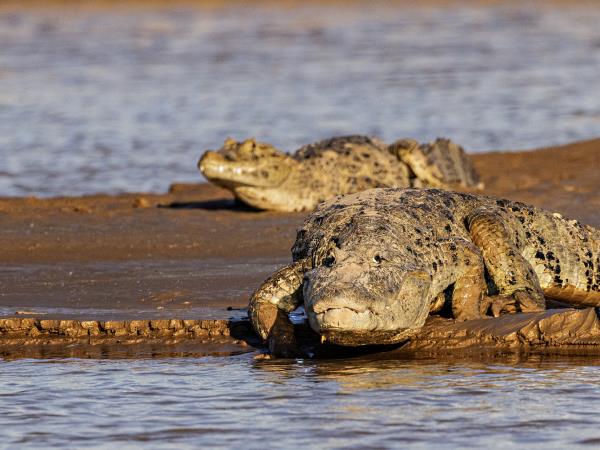
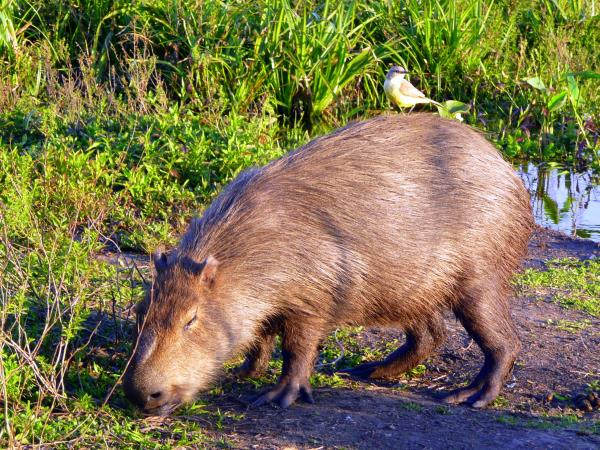
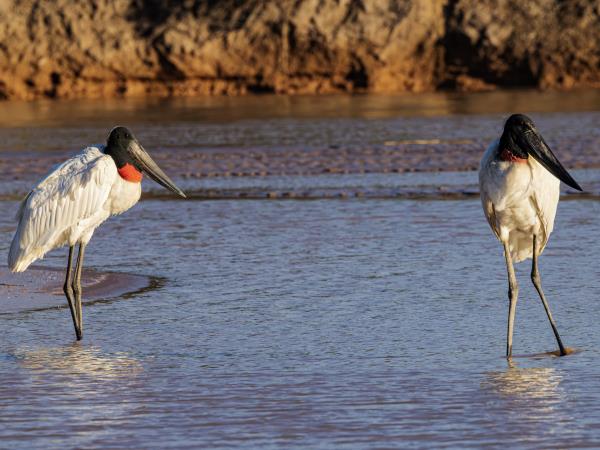
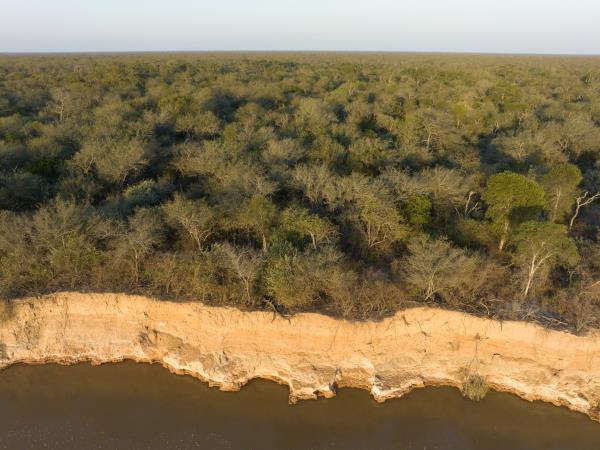
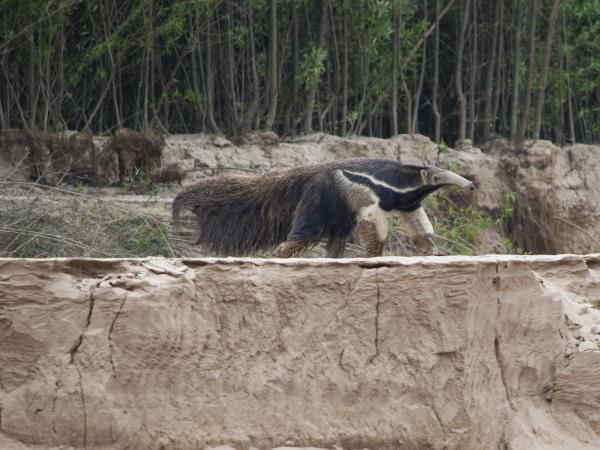
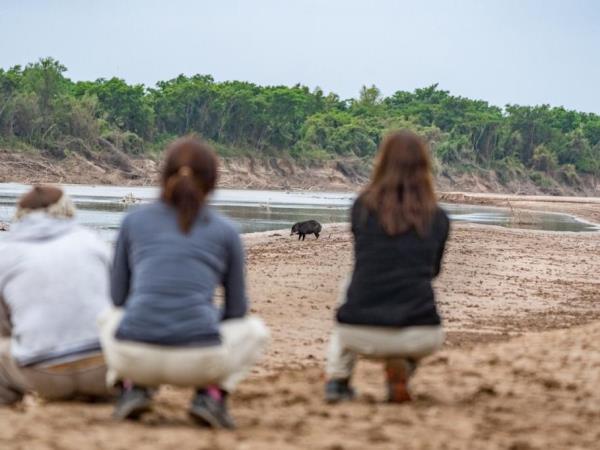
Much of this trip is spent in the Gran Chaco region, a vast, largely flat area that stretches across northern Argentina, Paraguay, Bolivia, and a small part of Brazil. It is the second-largest forested region in South America after the Amazon, characterised by dense dry forests, savannahs, wetlands, scrubland and a sparse population. Here, you can still come across a tapir swimming in the river or an anteater wandering along the paths. Travelling to this region contributes to the preservation and conservation of its unspoilt natural landscapes.Despite its ecological and cultural importance, much of the Chaco remains little known to the outside world and has been heavily affected by deforestation and agricultural expansion. In recent decades, some species have declined at an alarming rate: some species, such as the Chacoan peccary, the giant armadillo and the jaguar, are now endangered.
Against this backdrop, an innovative programme of species reintroduction and habitat restoration, known worldwide as Rewilding, is underway. Its aim is to help restore the region’s native wildlife and foster a new local economy centred on wildlife tourism.
At the heart of this effort is El Impenetrable National Park, established in 2014 through the joint efforts of organisations and institutions dedicated to nature conservation. Today, it protects 128,000 hectares of Chaco forest, providing a safe haven for endangered trees and animals alike.
Much of this trip directly supports these conservation initiatives and local organisations working towards sustainable development.
Responsible travel now plays a key role in the recovery of this remote area, helping to preserve the environment while creating new opportunities for local communities. Tourism offers a sustainable alternative to the large-scale deforestation and intensive farming that devastated the region’s native woodlands for decades.
Travellers will be advised on how to minimise their environmental impact, such as keeping to designated trails and resisting the urge to explore the forest independently, in order not to disturb animals, plants or their natural habitats.
We always encourage travellers to use local public transportation and incorporate it into our trips whenever possible, helping to reduce road congestion, energy consumption and greenhouse gas emissions. When public transport is not available, we recommend hiring a local driver or sharing rides with local residents.
People
This region is home to a rich biodiversity, including many species found nowhere else, and a mosaic of indigenous communities who have lived in close relationship with the land for centuries. Improving the living conditions of the people of the Monte through the conservation of native forests is the great challenge, and tourism is gradually emerging as a way to achieve it. For now, only a handful of small businesses and initiatives are in place, but momentum is building, and new projects continue to appear. The ultimate goal is to halt deforestation and stop the advance of large-scale farming.We are committed to ensuring that local populations benefit directly from the resources generated by tourism, by putting as much as possible back into the communities themselves. We support local employment and communities through our careful choice of accommodation, tours, transport and activities.
This trip is no different from others we offer it encourages meaningful interaction between visitors and local people, while respecting each community’s culture, history and traditions. Attending local workshops helps to foster indigenous pride and preserve cultural heritage, allowing many traditions to endure.
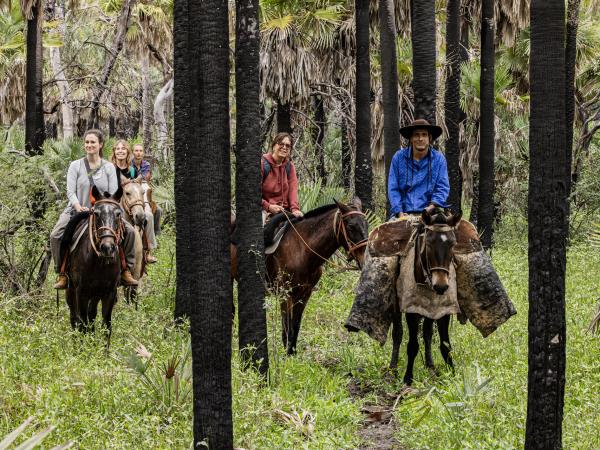
Travellers will have the opportunity to experience authentic rural life, witnessing how local people go about their daily activities and learning from artisans who craft with vegetable fibres and wood. We encourage our travellers to educate themselves before visiting, familiarising themselves with the geography, customs and manners of the region. Some useful information about local culture and customs can be found in the road book we provide. For example, the term "Indio" has a derogatory meaning, and it is advisable to refer to communities as "indigenous people."
We always welcome and consider the feedback we receive from local communities to continuously improve the quality of our services in the most respectful and effective way possible.
Additionally, we donate 3% of the total price of this trip to help fund our NGO. Since 2011, thanks to the financial support of our travellers and local public and private funding, we have implemented socio-educational projects focused on heritage, cultural diversity and environmental protection in primary and secondary schools across the region.
Popular similar holidays
Northern Argentina luxury holiday
From £6000 - £7000 23 days excluding flights
Unique slow travel luxury adventure in North Argentina
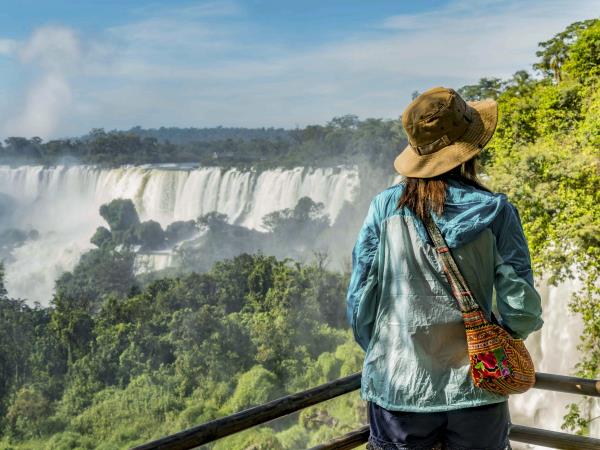
Argentina highlights holiday, tailor made
From US $2950 - US $4055 12 days excluding flights
Enjoy memorable adventures in Patagonia and Iguazu Falls
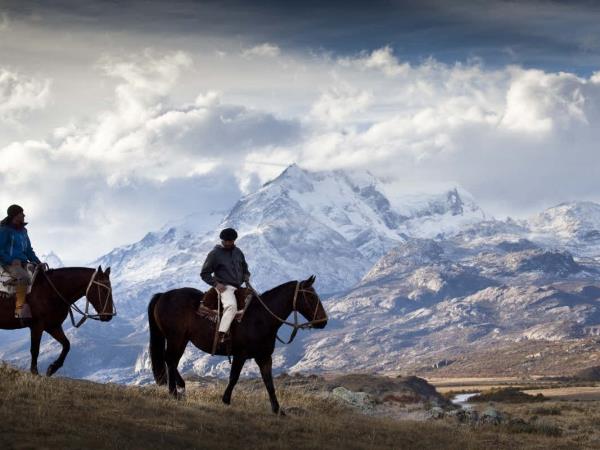
Argentina active adventure holiday
From £5500 - £6000 16 days excluding flights
Bespoke active adventure in Argentina's iconic Patagonia