Ghana tour off the beaten path
Price
US $3850 excluding flights
Convert currency:


Duration
10 Days
Type
Tailor made
More info
We are the leading local responsible travel tour operator in the region as we give back to all the communities we visit, leaving nothing but positive footprints.

Description of Ghana tour off the beaten path
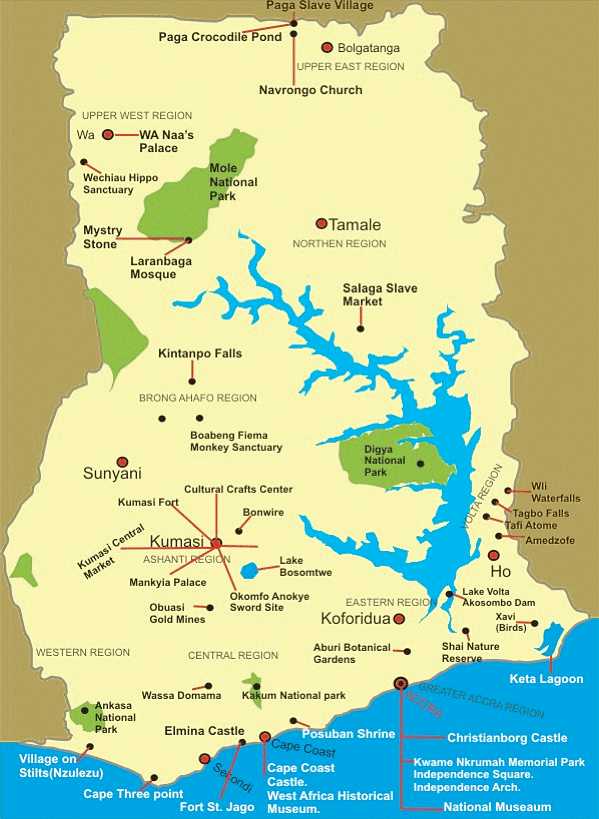
Map
Price information
US $3850 excluding flights
Convert currency:
We are the leading local responsible travel tour operator in the region as we give back to all the communities we visit, leaving nothing but positive footprints.
Departure information
This trip can be tailor made throughout the year to suit your requirements
Travel guides
Our holidays in Ghana are not so much about big sights, but appreciating the little things in life.

From Moroccan souks to East Africa's savannah, our Africa travel guide reveals a continent that needs several lifetimes to explore.
Holiday information
Dietary requirements:
We can cater for vegetarian and vegan diets.
Responsible Travel
As the pioneers of responsible tourism, we've screened this (and every) holiday so that you can travel knowing we've worked to maximise the benefits of your holiday to local people and places, and minimise any negative impacts.
Planet
CARBON REDUCTIONThis itinerary has been designed to reduce unnecessary internal travel by operating as a continuous overland journey through southern and central Ghana rather than relying on domestic flights. All transfers are completed by road, allowing guests to experience local communities and landscapes while reducing the carbon impact associated with internal aviation.
Shared transportation is used throughout the itinerary, significantly reducing emissions per passenger compared to independent travel arrangements. Group road transfers are coordinated efficiently to minimise unnecessary mileage between destinations.
Several experiences on the trip are human-powered or low-impact, including walking tours in Jamestown, Makola Market, Elmina and Cape Coast, nature walks in Kakum National Park, village walks in Bonkro and Breku, and visits to local farms and craft communities. These activities reduce reliance on motorised transport while encouraging immersive cultural engagement.
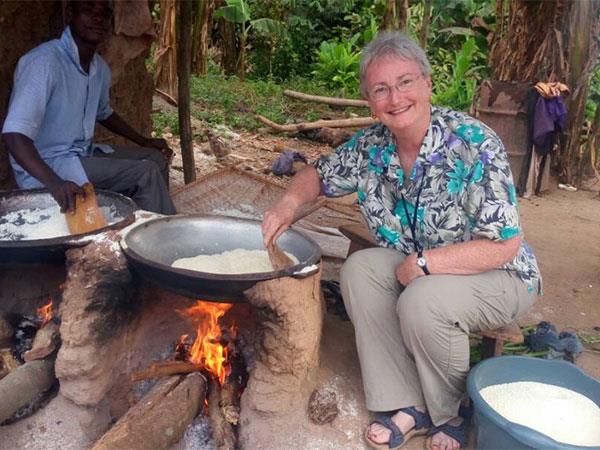
Vegetarian dishes and plant-based local foods are available throughout the journey, particularly during village cooking experiences, local chop bar visits, and community meals. Many dishes are prepared using locally sourced produce purchased directly from community markets and small-scale farmers.
The itinerary strongly promotes locally sourced and seasonal foods, particularly in Bonkro village, where guests purchase ingredients directly from local markets and learn traditional cooking methods. This reduces food transportation emissions while supporting smallholder farmers and food vendors.
Guests are educated on responsible travel practices throughout the journey, including reducing plastic waste, supporting locally produced goods instead of imported products, conserving water and electricity in accommodations, and respecting local environmental practices in forest and coastal communities.
The itinerary includes a community-led native tree planting initiative in Bonkro village, where three indigenous trees are planted for every participant. The project supports reforestation of the Upper Guinea rainforest ecosystem, restoration of wildlife habitat, and long-term environmental conservation in partnership with local communities.
Where possible, accommodations and restaurants used on the trip are locally owned establishments that rely heavily on local staff, locally sourced ingredients, natural ventilation, and reduced dependence on imported goods and services.
As the local tour operator, we have our own foundation that focuses on connecting communities to the conservation of their surrounding environment through ethical tourism. Profits from our trips are directed toward supporting the many conservation and community initiatives we have developed, including reforestation projects, environmental education, sustainable livelihood programmes, and community-led tourism initiatives that encourage long-term environmental protection.
ENVIRONMENT AND WILDLIFE
Accommodation providers and community projects included in this itinerary are selected based on their commitment to reducing environmental impact and supporting local conservation efforts. Preference is given to locally owned accommodations that minimise plastic waste, support recycling initiatives where available, use locally sourced building materials, and employ local people from surrounding communities.
The itinerary directly supports conservation and environmental restoration projects in Bonkro and Breku villages, where tourism has been linked to protecting the surrounding Upper Guinea rainforest ecosystem. Community tourism initiatives help provide alternative income sources that reduce hunting pressure on wildlife and discourage illegal logging activities.
The native tree planting programme included in the itinerary contributes directly to reforestation and habitat restoration for endangered bird and mammal species found within the surrounding forest reserve. Guests actively participate in conservation through tree planting and environmental education activities.
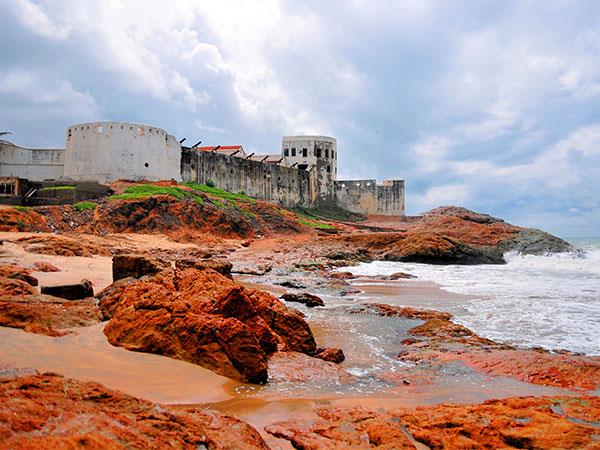
Entry fees to protected areas and heritage sites contribute toward conservation and preservation efforts, including Kakum National Park and Cape Coast Castle, both of which are nationally protected heritage and environmental sites.
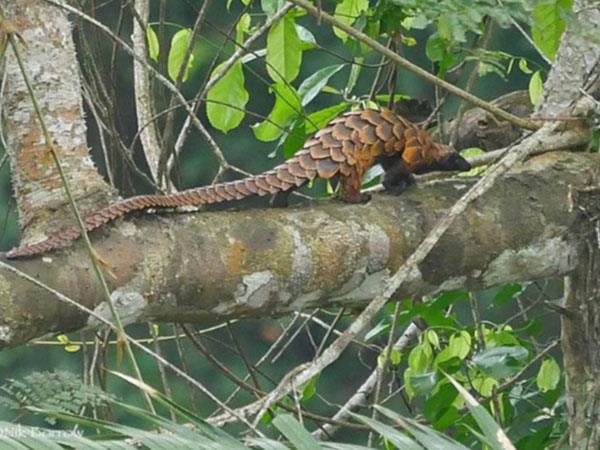
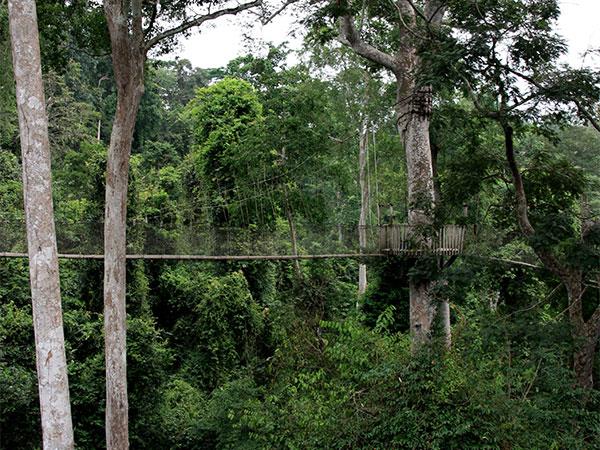
The visit to Kakum National Park provides guests with education on rainforest conservation, biodiversity protection, and the ecological importance of the Upper Guinea forest system. The park protects numerous species of mammals, birds, reptiles, butterflies, and rare plants.
The itinerary includes a visit to the International Stingless Bee Project, which promotes awareness of native bee species, pollination, medicinal honey production, and biodiversity conservation. The project also educates visitors about the environmental importance of pollinators in maintaining healthy ecosystems and agricultural systems.
Guests receive guidance throughout the journey on reducing environmental impact by limiting single-use plastics, avoiding wildlife disturbance, purchasing ethically made souvenirs, supporting conservation-focused organisations, and respecting natural habitats and coastal ecosystems.
The itinerary also supports community organisations that integrate conservation with sustainable livelihoods, including cocoa cooperatives promoting shade-grown cocoa farming methods that help preserve native tree cover and biodiversity.
Local guides throughout the itinerary provide cultural and environmental interpretation based on lived experience and local knowledge. Community guides in Bonkro, Jamestown, Elmina, Kakum and Krobo help ensure tourism benefits remain within local communities while providing authentic insight into local environmental challenges and conservation initiatives.
Through our local foundation, we continue to work closely with rural communities to connect conservation with sustainable economic opportunities through ethical tourism. Revenue generated from our tours supports conservation awareness programmes, habitat restoration projects, local schools, and initiatives designed to encourage communities to protect the natural environment surrounding them.
People
LOCAL ECONOMYThe majority of accommodations, restaurants, craft workshops, transport services, and community experiences included in this itinerary are locally owned and operated by Ghanaian businesses rather than international chains. This ensures tourism revenue remains within local communities and supports small and medium-sized enterprises across the country.
The itinerary maximises local economic opportunities by employing local guides, drivers, artisans, musicians, workshop facilitators, market traders, cooks, and community representatives throughout the journey. Guests directly engage with local entrepreneurs in Makola Market, Krobo bead workshops, Kente weaving villages, Adinkra villages, Global Mamas batik workshops, local fishing communities, and village cooperatives.
Several activities provide direct income to local artisans and traditional craftspeople, including bead making in Krobo, kente weaving in Adanwomasi, adinkra printing in Ntonso, batik workshops in Elmina, and traditional drumming and dance performances in Brenu Akyinim.
The itinerary supports community-based tourism initiatives in Bonkro and Breku, where tourism revenue contributes to community projects, school development, environmental conservation, and alternative livelihoods linked to rainforest protection.
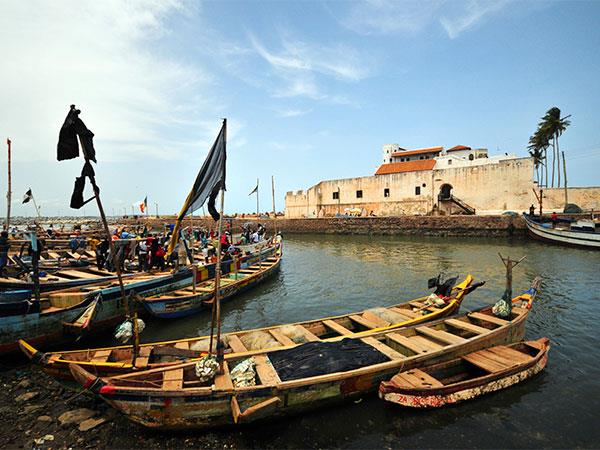
Visits to local markets including Makola Market, Koforidua Bead Market, Kejetia Market, and Elmina Fish Market encourage direct purchasing from local traders and producers, helping sustain traditional economies and family-run businesses.
The programme also supports fair-trade and cooperative initiatives, including Kuapa Kokoo cocoa farmers and Global Mamas women’s cooperatives, helping strengthen ethical trade networks and sustainable income generation opportunities.
Our foundation also reinvests profits from tourism directly into community and conservation initiatives developed alongside local communities. These projects support education, conservation, sustainable livelihoods, and ethical tourism development that provides long-term economic benefits for local people.
EMPLOYMENT, INCLUSIVITY AND DIVERSITY
The trip is operated almost entirely by Ghanaian staff, including guides, drivers, cooks, artisans, performers, workshop facilitators, and community representatives. Many individuals employed throughout the itinerary come directly from the communities visited during the programme.
The itinerary creates income-generating opportunities for women, artisans, subsistence farmers, musicians, youth groups, and vulnerable communities. Experiences with Global Mamas, local market traders, bead makers, batik producers, and women-led businesses in Kumasi and Cape Coast provide direct economic benefits to women entrepreneurs and craft cooperatives.
Community tourism experiences in Bonkro and Cape Coast support disadvantaged youth and children through partnerships with local educational and vocational organisations. The Baobab Children’s Foundation visit helps generate support for vocational education programmes assisting children who have left formal education or live with disabilities.
The itinerary supports ethical employment practices and community empowerment through partnerships with fair-trade organisations such as Kuapa Kokoo, which promotes fair cocoa pricing, bans exploitative child labour practices, and encourages women’s participation in decision-making and business leadership.
The programme promotes cultural inclusivity and respectful engagement between visitors and local communities. Guests are encouraged to learn about local customs, traditions, languages, religions, and social practices through direct interaction with communities and local guides.
Where possible, accommodations and activity providers selected for the itinerary aim to create welcoming environments for travellers from diverse backgrounds. The trip can also be adapted where feasible for travellers with limited mobility, though some rural areas and historical sites may present accessibility challenges due to terrain and infrastructure limitations.
Through our foundation, we also support community-focused tourism initiatives that create sustainable employment opportunities and encourage local participation in conservation, education, cultural preservation, and responsible tourism development. Our aim is to ensure tourism provides meaningful long-term benefits for local communities while helping protect Ghana’s cultural and natural heritage for future generations.
Popular similar holidays
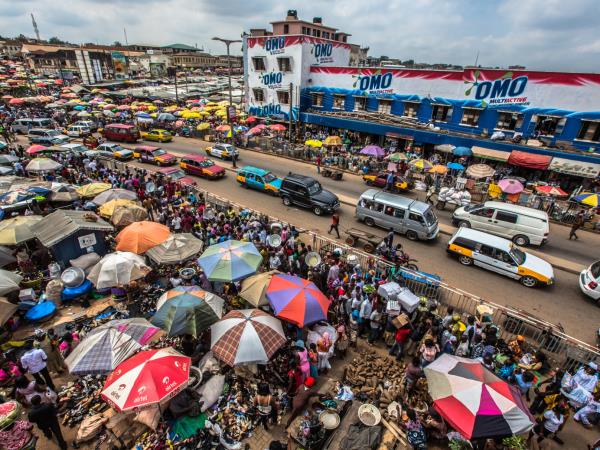
Ghana history and culture tour
From US $2400 - US $3450 8 days excluding flights
Discover the cultural & historical diversity of Ghana
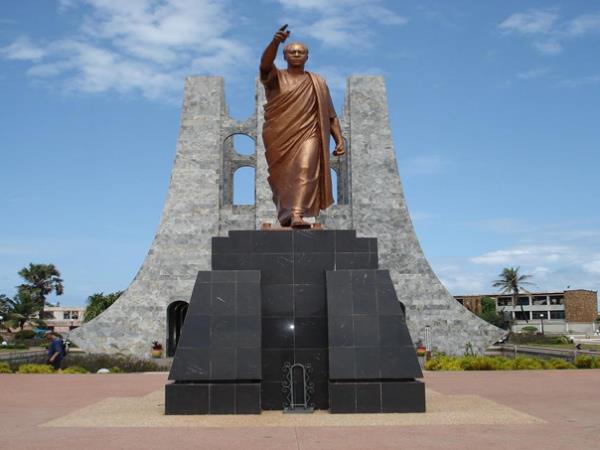
Transatlantic slave trade tour, Ghana
From US $2400 - US $3450 8 days excluding flights
Historical and cultural tour of Ghana
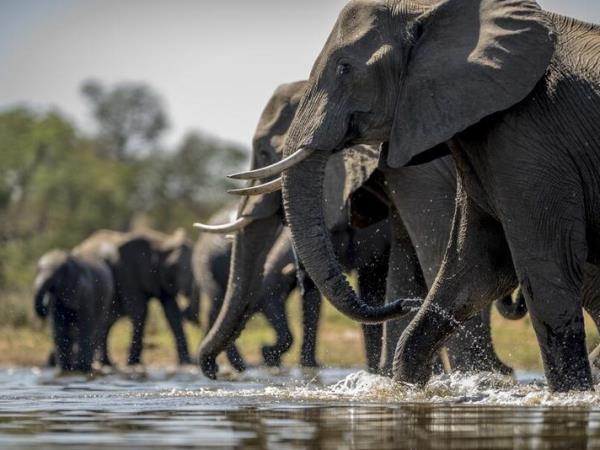
Ghana wildlife safari, 4 days
From US $1300 - US $1450 5 days including domestic flights only
Experience an exciting wildlife adventure at Mole NP