Kenya safari, culture and coast
Price
£5899 excluding flights
Convert currency:


Duration
11 Days
Type
Tailor made
More info
Not Included:
Visa, travel & health insurance.
Additional meals/drinks/activities not mentioned.
Additional meals/drinks/activities not mentioned.

Description of Kenya safari, culture and coast
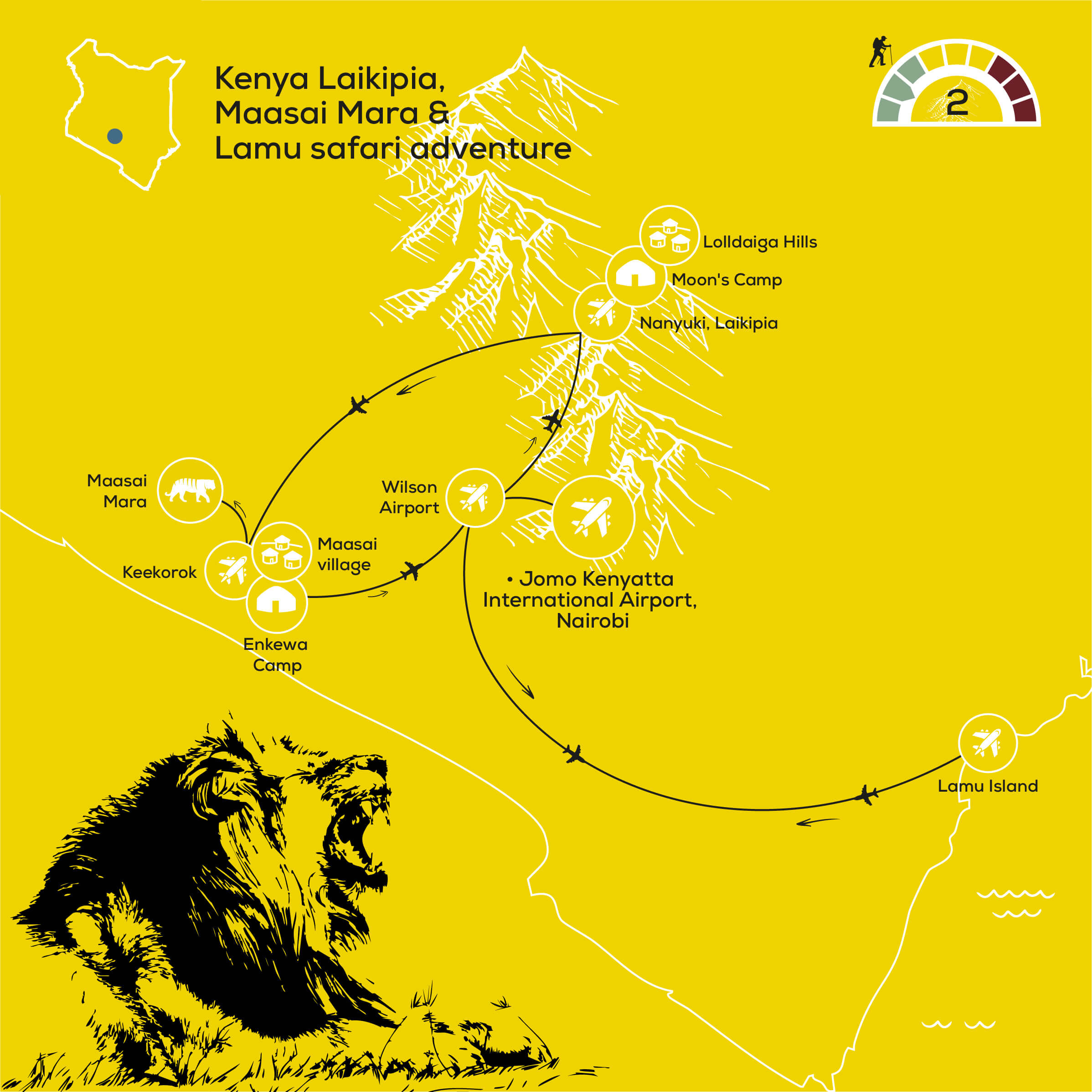
Map
Price information
£5899 excluding flights
Convert currency:
Not Included:
Visa, travel & health insurance.
Additional meals/drinks/activities not mentioned.
Additional meals/drinks/activities not mentioned.
Departure information
This trip can be tailor made throughout the year to suit your requirements
Travel guides
The Masai Mara is a little African reserve with a big name. This patch of savannah hosts an incredible wildlife spectacle.
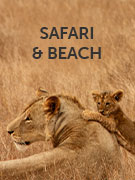
Safari and beach holidays combine exhilarating wildlife spotting with time to unwind.
Holiday information
DIET:
We cater for vegetarian and vegan diets.
Renewable energy:
At least 20% of this itinerary is supplied by renewable energy. Moon’s Camp in the Lolldaiga Conservancy operates entirely on solar power, supplying electricity and hot water.
Responsible Travel
As the pioneers of responsible tourism, we've screened this (and every) holiday so that you can travel knowing we've worked to maximise the benefits of your holiday to local people and places, and minimise any negative impacts.
Planet
CARBON REDUCTIONThis journey across Kenya has been carefully designed to minimise avoidable carbon emissions while still allowing guests to experience the country’s most extraordinary landscapes. Wherever possible, internal travel uses scheduled light aircraft flights that follow existing passenger routes, helping to avoid additional, dedicated charters. Transfers on the ground are shared and operated by local guides generally using well-maintained, 4x4 vehicles.
At the heart of this itinerary are small, low-impact camps that prioritise renewable energy and resource efficiency. Moon’s Camp in the Lolldaiga Conservancy operates entirely on solar power, supplying electricity and hot water without reliance on diesel generators. The camp also recycles grey water for use in its gardens and limits the use of single-use plastics through refillable water bottles and biodegradable toiletries. Enkewa Camp in the Maasai Mara runs on a hybrid solar and battery system, with energy-efficient refrigeration and LED lighting. Peponi Hotel on Lamu Island sources a significant proportion of its energy from solar panels, supplemented by an island-wide initiative promoting renewable micro-grids.
All accommodations prioritise local, seasonal produce, significantly cutting food miles. Guests enjoy fresh fruit, vegetables, and fish sourced from nearby farms and coastal fishermen. Menus feature vegetarian options every day, with plant-based dishes celebrated as part of Kenya’s rich culinary heritage. Kitchen teams are trained to reduce food waste through composting and portion control.
Guests are provided with guidance before and during the trip on reducing personal carbon impact, such as travelling light, choosing lower-impact meal options, and conserving energy in camp. Drinking water is purified on-site, reducing the need for plastic bottles. Guests are also asked to bring refillable water bottles.
These combined actions mean the operational carbon footprint of this holiday is notably lower than traditional safari itineraries, while maintaining comfort and authenticity. The use of renewable energy, local sourcing, and small-scale logistics demonstrates that meaningful adventure travel can exist in harmony with responsible carbon management.
ENVIRONMENT AND WILDLIFE
Each destination in this itinerary contributes directly to the protection and restoration of Kenya’s natural heritage. The Lolldaiga Conservancy, where Moon’s Camp is based, is a private reserve dedicated to wildlife conservation and habitat regeneration. Guests’ conservation fees support anti-poaching patrols, reforestation projects, and wildlife monitoring programmes for elephants, lions, and endangered Grevy’s zebras. Visitors are encouraged to participate in low-impact conservation experiences such as tree planting or guided ecology walks, learning how tourism helps safeguard the ecosystem.
In the Maasai Mara, Enkewa Camp operates in partnership with the local Maasai community and the Mara Conservancy. Park and conservancy fees from each stay directly fund the maintenance of protected areas, community ranger training, and sustainable grazing initiatives that reduce human-wildlife conflict. The camp adheres to strict waste management and water conservation policies, using biodegradable cleaning products and collecting rainwater for non-potable uses.
At Peponi Hotel, environmental responsibility extends to the marine world. The hotel supports Lamu Marine Conservation Trust, which runs turtle protection, mangrove restoration, and beach clean-up programmes. Guests are invited to learn about these projects or join dhow excursions that follow responsible wildlife-watching guidelines.
Across all properties, building materials are locally sourced and designed to blend with the environment - canvas, thatch, and reclaimed wood rather than concrete structures. Each property avoids artificial feeding or interaction with wildlife, maintaining natural behaviour patterns. Expert local guides, trained in wildlife ethics, interpret the ecosystems sensitively to ensure that guests leave with knowledge and respect rather than footprints.
This trip demonstrates that tourism, when carefully managed, can help protect biodiversity. By supporting conservancies, employing local rangers, and contributing to marine and terrestrial restoration projects, this holiday actively helps Kenya move towards its 2030 nature-positive goals.
People
LOCAL ECONOMYThis trip has been created to ensure that the economic benefits of travel remain within Kenya’s communities. Every accommodation on this itinerary is locally owned and operated, with profits reinvested into regional employment, training, and conservation. Moon’s Camp is run by Kenyan owners deeply involved in local conservation, while Enkewa Camp is managed by a Maasai team whose community shares directly in the camp’s success. Peponi Hotel is a long-standing family-run property that has supported local fishermen, artisans, and guides on Lamu Island for decades.
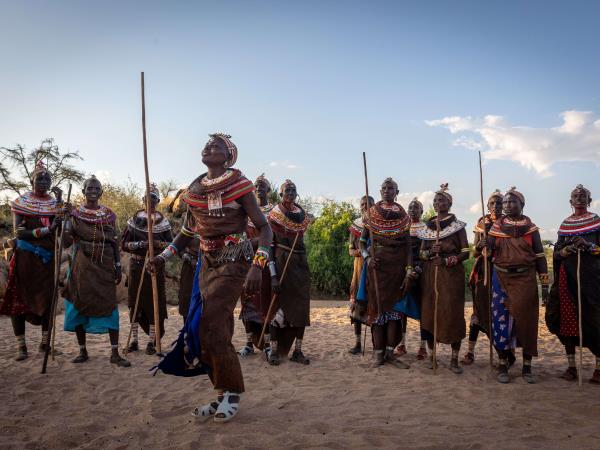
Throughout the journey, travellers engage with small businesses and community-based enterprises rather than international chains. In Laikipia, guests visit nearby villages and markets, purchasing crafts directly from artisans. In the Maasai Mara, visits to community projects give insight into traditional life while generating income through the sale of beadwork and textiles. On Lamu Island, the hotel sources supplies from local farmers and boat owners, and guests are encouraged to dine at independently run restaurants and cafes within Shela Village.
By focusing on smaller, community-driven suppliers and avoiding imported goods, this holiday strengthens local economies and supports the continuation of cultural traditions. The result is a meaningful exchange in which travellers experience Kenya’s true hospitality while contributing directly to the livelihoods that sustain it.
EMPLOYMENT, INCLUSIVITY AND DIVERSITY
Across this journey, employment is deeply local. More than 90% of staff at the camps and hotels are Kenyan, with the majority coming from neighbouring communities. Guides, cooks, drivers, and housekeepers are trained and promoted from within, offering long-term career development in tourism and conservation. Enkewa Camp, for example, provides professional guiding opportunities for Maasai men and women, while Moon’s Camp invests in training local youth in hospitality and field ecology.
Each partner on this itinerary is committed to fair pay and safe working conditions, meeting or exceeding Kenya’s minimum wage standards. Staff are offered continuous training and development, as well as access to healthcare support where available.
Inclusivity is central to this holiday’s ethos. Employment opportunities are extended to individuals who may otherwise face barriers to work, including women in rural areas and people from historically marginalised groups. The trip is LGBTQ+ friendly, and accommodations provide a respectful, welcoming environment for all guests.
Accessibility is considered at every stage. While some remote locations limit full wheelchair access, the itinerary can be adapted for travellers with reduced mobility or specific needs. Local teams are flexible and committed to ensuring every guest feels supported.
Through ethical employment, cultural respect, and inclusive practices, this trip demonstrates that sustainable tourism must begin with people. Each journey not only reveals Kenya’s natural beauty but also celebrates its human spirit - empowering communities, preserving traditions, and creating shared opportunities for the future.
Popular similar holidays
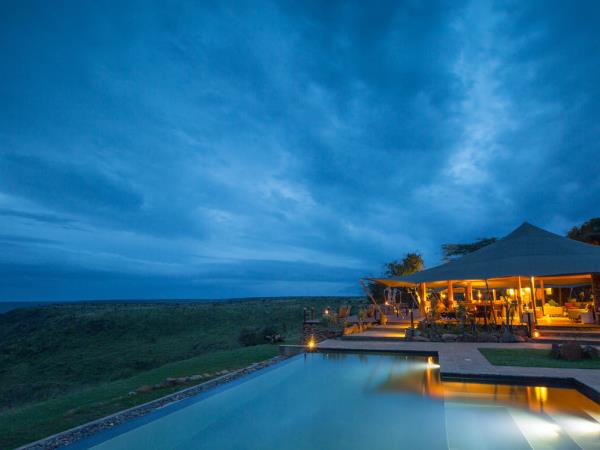
Kenya 13 day safari
From £8618 13 days including domestic flights only
Experience 3 amazing, distinct safari ecosystems in Kenya
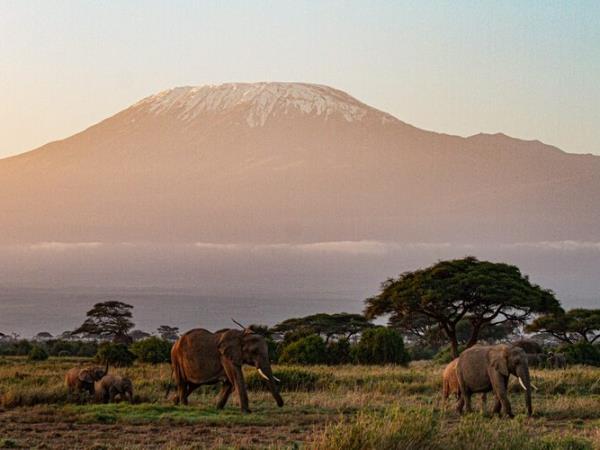
Kenya safari with a beach stay
From £1795 - £2605 8 days excluding flights
Small-group adventure through Kenya’s wild heart to coast
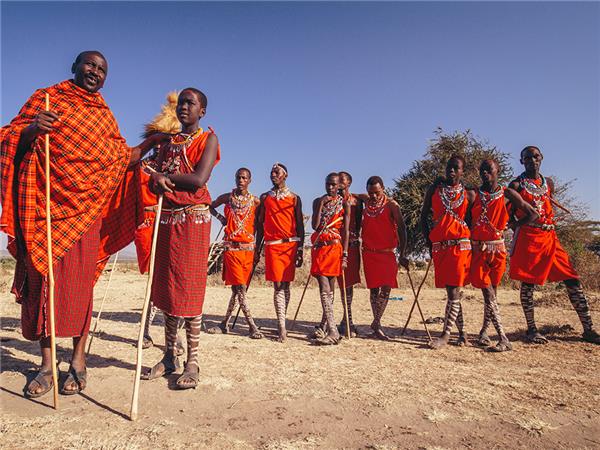
The Masai Heartlands safari
From £2272 - £3095 15 days excluding flights
Great value truck safari to Kenya & Tanzania