Bhutan trekking and festivals holiday
Price
£5276 excluding flights
Convert currency:


Duration
16 Days
Type
Tailor made
More info
Price per person, based on 3* comfortable hotels and fully equipped camping for the trek days.
Includes meals, private driver and guide, expert trekking guides and all entrance fees.
This trip is fully tailor-made.

Description of Bhutan trekking and festivals holiday
Price information
£5276 excluding flights
Convert currency:
Price per person, based on 3* comfortable hotels and fully equipped camping for the trek days.
Includes meals, private driver and guide, expert trekking guides and all entrance fees.
This trip is fully tailor-made.
Departure information
This trekking trip can be tailor made throughout the year to suit your requirements, however festivals have fixed dates. Enquire us for more information.
Travel guides
Our guide shares insights into what hiking here entails, as well as practical information.
Otherworldly landscapes, epic views and summit sunrises await on the world’s most lofty trails.
Responsible Travel
As the pioneers of responsible tourism, we've screened this (and every) holiday so that you can travel knowing we've worked to maximise the benefits of your holiday to local people and places, and minimise any negative impacts.
Planet
CARBON REDUCTIONThis 16-day tailor-made trip has no internal flights. We recommend guests fly into Paro via Delhi, one of the shortest and most direct routes available. We have designed a longer, slower trip in Bhutan, focusing on remote areas where there are far fewer tourists. Seven of the 16 days are spent hiking, and during the six days of the trek no vehicles are used at all, keeping roads quieter. This also gives the advantage of guests seeing more of the real, rural way of life in Bhutan, experiencing the beautiful countryside and nature away from crowded hotspots. Many operators include an internal flight to Bumthang, but we travel by road instead, which produces lower emissions than flying.
In Bhutan, all the 3* properties we use try to source as much of their food locally as possible, and several of the hotels have a garden for growing vegetables seasonally, so again the emphasis is put on vegetarian meals to avoid shipping in meat. A good example is Rema Resort in Paro, which grows its own vegetables, fruit and herbs and offers guests the opportunity to learn about the source of their food, deepening their appreciation for the environment and Bhutanese culture.
ENVIRONMENT AND WILDLIFE
In Bhutan, all guests pay a daily tourist fee of $100 per person per day, which goes directly to the government to help sustain local environmental initiatives. This fee supports the country’s ‘High Value, Low Volume’ tourism policy, contributing to local education and environmental preservation.
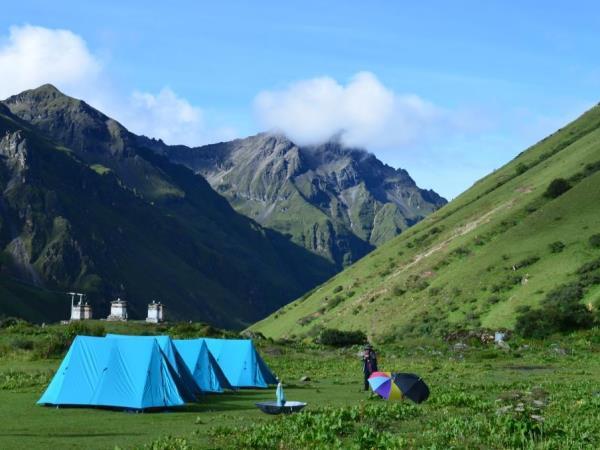
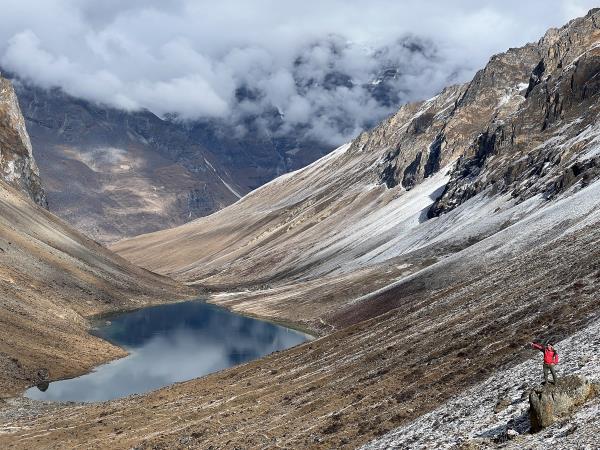
During the 6-day Yaksa Trek, our trekking guides are experts and well trained in where to set up camp, carrying out all waste, cooking simple local food, and respecting the land around the campsites. This is a lesser-known trek than others such as the Druk Path Trek, and is longer, so it offers additional employment days to the local trekking team. Food will be sourced locally from more remote, harder-to-reach sources that don’t receive the same income as the more established trek routes. This is a real trekker’s trek – away from it all, barely seeing another tourist, experiencing the remote beauty of the Himalayas.
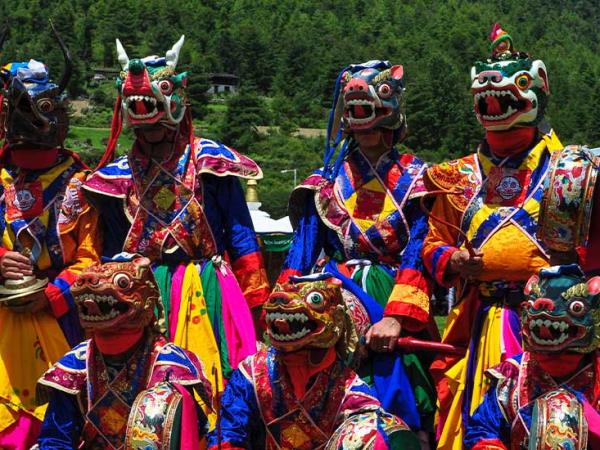
Including time at a festival is a great way for local money to reach more rural, remote areas of Bhutan that would otherwise be missed. The Ura Festival we feature here is in the remote Bumthang region, and this particular hotel would otherwise not be one we would book, so including a festival brings economic benefits to rural communities.
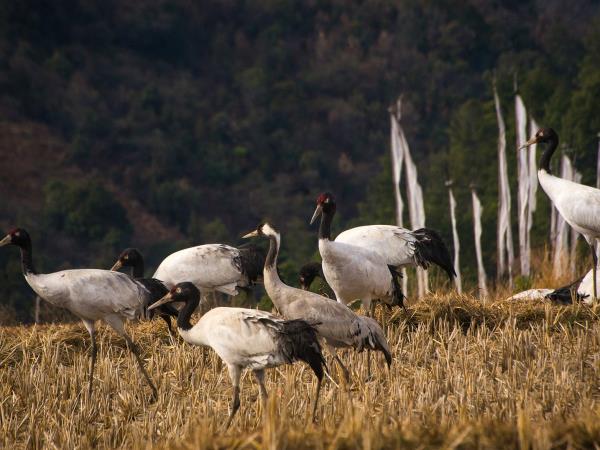
Guests will visit the Black-Necked Crane Centre, where the entrance fee goes directly to helping preserve these amazing birds. Power lines in Gangtey Valley are buried underground so they don’t obstruct the cranes’ flight paths.
Throughout this 16-day trip, our expert local guides share insights on the fragile ecosystems visited and offer practical tips for responsible travel, such as eating locally, choosing vegetarian meals, picking up any litter seen on treks, and accepting things like brief power cuts as part of the way of life in a country looking to keep its environmental footprint low. Many of the basic 3* hotels are ‘homely’ and no frills, but we would rather recommend these than modern chain hotels, as we know the money stays local, and this helps sustain local employment. All this helps guests understand the local challenges and how to minimise their footprint.
People
LOCAL ECONOMYAll of the hotels and lodges on this 16-day Bhutan trip are independent and locally or family owned. A great example is Kaila Guest House in Bumthang, one of the oldest hotels in the valley, run by the same family for generations. These locally run guesthouses and small hotels ensure we channel tourism revenue into the local economy, often with a focus on employing local staff and suppliers.
We ensure guests visit the craft markets in Paro, Thimphu and Punakha, and encourage guests to buy quality, meaningful gifts made by local artisans, paid for in cash directly to them.
The trip includes full board, which means lunches in local restaurants as a rule, so local restaurant owners benefit from the holiday as well as hotels. All the food on the multi-day Yaksa trek is purchased and grown locally.
Guides, drivers and the specialist trek team are from the local area, trained by our local ground partners, who are themselves from the local areas.
EMPLOYMENT, INCLUSIVITY AND DIVERSITY
100% of the people we work with on this trip (from the office staff, to drivers, guides and the specialist trek team) are from Bhutan, and are all paid at least the minimum wage.
Many of the markets and bazaars visited during the trip will offer crafts made by poorer members of the community, so we encourage guests to make local purchases where the money goes directly to the local person.
Popular similar holidays
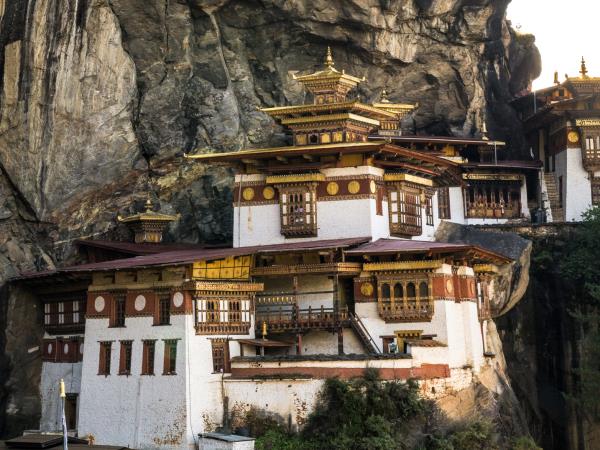
Bhutan highlights holiday with trekking options
From £4971 16 days excluding flights
Multi-day Himalayan trekking with Bhutan’s key highlights
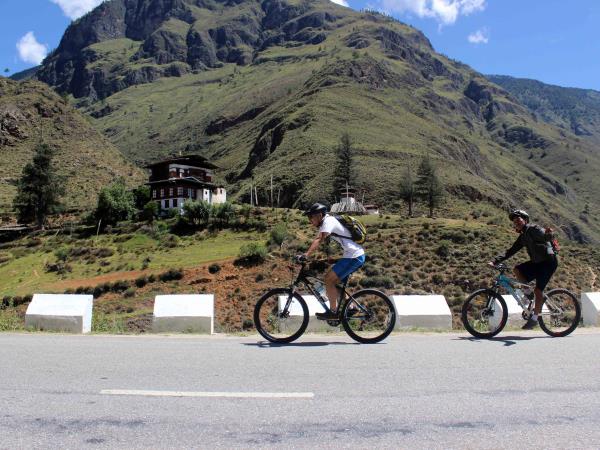
Bhutan active slow travel holiday
From £5471 18 days excluding flights
Hike, cycle & explore Bhutan's pristine valleys & cultures
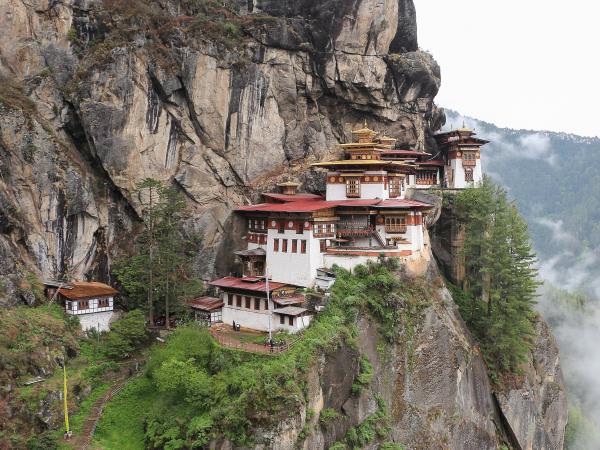
Bhutan walking and wildlife holiday
From £3995 - £4250 11 days excluding flights
Hike the hills and forests of Bhutan looking for wildlife