Bhutan trekking and tiger safari


Full board, inc.
local naturalist, drivers, camping &trekking teams.
All camping gear, any domestic flights; exc.
International flights.
Please contact us for a quote specific to your party size and requirements.

Description of Bhutan trekking and tiger safari
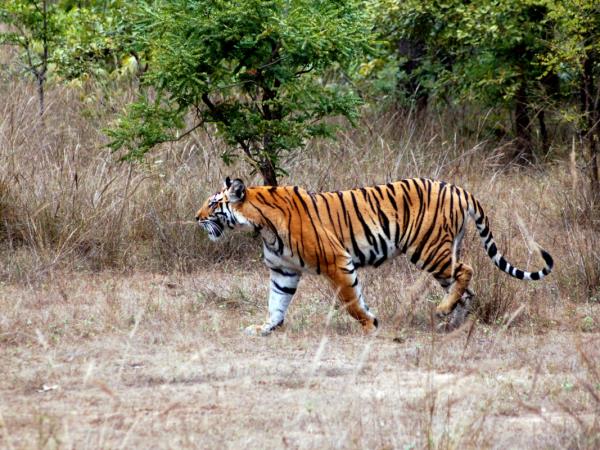
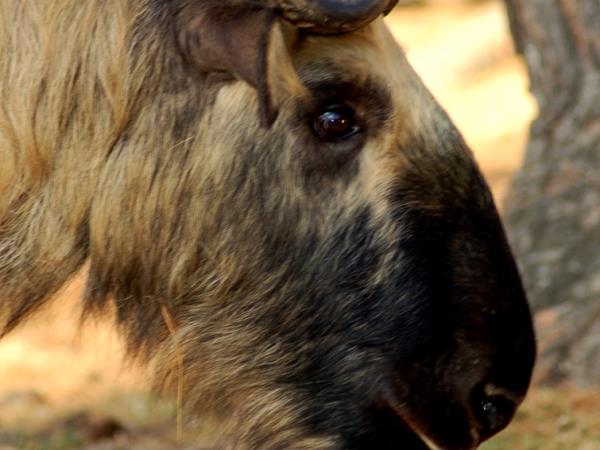
This once in a lifetime tiger safari in Bhutan places you in the company of a professional knowledgeable English speaking local guide and a local driver. Local scientists and researchers may also be available to help track down tigers and other elusive mammals such as golden cats, takins and leopards.
We include more time watching wildlife than any other tour operator however, we're also happy to include a rest day if requested by our travellers. A comprehensive species list (which states the relative chances of seeing animals based on past tours) is included in the pre-departure pack. There is also a reference book library available for your use throughout the trip as well as some documentaries on tigers which are available to watch throughout the tour. We can also include specialist equipment on request such as camera traps, infrared cameras, thermal imaging equipment and spotlights.
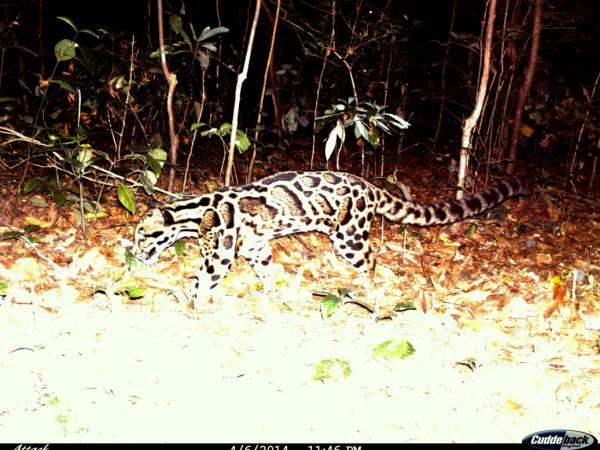
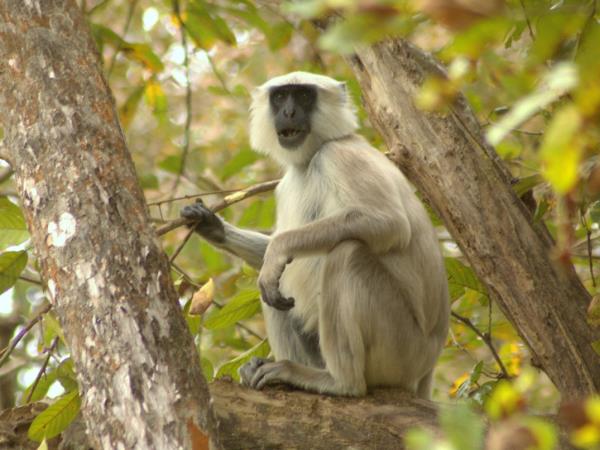
Ever since the amazing BBC documentary series ‘Lost Land of the Tiger’ we have been looking for a way to emulate their expedition and set up a mammal watching tour in Bhutan’s wilderness. After carefully selecting local guides to help us on this quest we have developed a couple of different programmes to explore the pristine forests of Bhutan. Whilst in Bhutan we will not just be searching for tigers but we will also be looking for other elusive animals, such as: Asiatic elephants, leopards, jungle cats, Asiatic golden cat, leopard cat, dhole, Asiatic black bears musk deer, goral, golden langur and takin.
We aim to showcase the tiger’s ecosystem in full whenever and wherever you join us for a tiger safari. So if you have ever wanted to join a real expedition and track tigers through the forests and hillsides and spend the evenings and nights spotlighting for rare mammals, this is the tour for you.
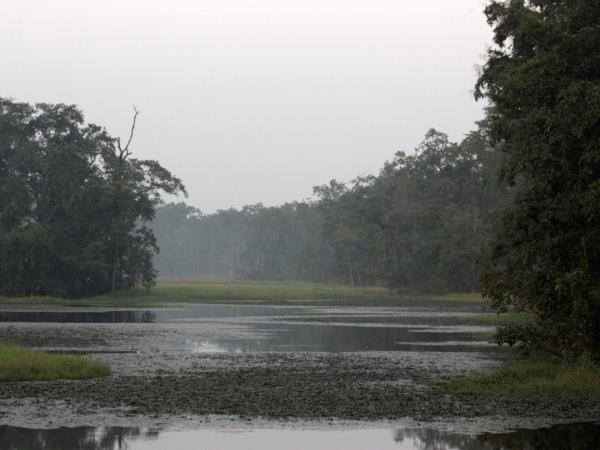
Please bear in mind that the suggested itinerary below can vary as we will use the latest information and tiger sightings to create the best experience possible. We also recommend spending time around the dense wilderness forests of the Mo Chhu River but of course we can head up into the hills and mountains as soon as you wish.
Fitness Level Required:
The fitness level required for our Bhutan tiger safaris is quite high, we will be tracking tigers and trekking in dense forests for around 7-8 hours and the temperatures can be hot and humid. If you head into the mountains then attitude also plays a role. Some experience of walking at altitude would be beneficial as we will be visiting very remote places and altitude effects everyone differently.
Minimum Age: 18 years
Price information
Full board, inc.
local naturalist, drivers, camping &trekking teams.
All camping gear, any domestic flights; exc.
International flights.
Please contact us for a quote specific to your party size and requirements.
Departure information
Travel guides
Holiday information
Reviews
1 Reviews of Bhutan trekking and tiger safari
Reviewed on 17 Apr 2016 by Henry Kronsten
1. What was the most memorable or exciting part of your holiday?
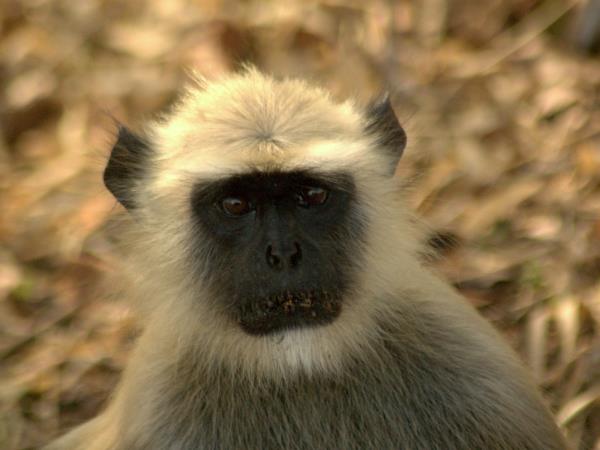
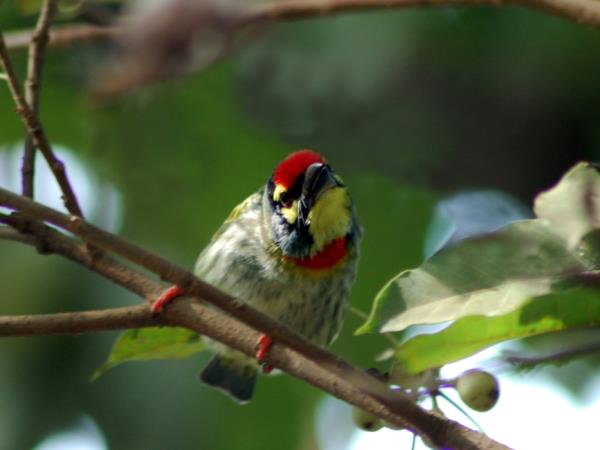
The cultural tours are well established and work very well. Architecture and scenery are superb. Visit to Tiger's Nest Monastery was as good as expected, a magical place. Tango Monastery outside Thimpu was lovely too, as you could enjoy the atmosphere without the crowds. Also loved Punakha Monastery which is so beautiful. Plus birds, butterflies and langurs.
2. What tips would you give other travellers booking this holiday?
Your chances of seeing tigers or any other large animal are near zero given the forests and steep hills. Manas Park is not set up to try and find animals either. You have one to four armed guards with you because of "miscreants and militants" threat so clearly things are not yet that safe. Plus, in the south the roads are appalling, and the accommodation extremely basic, bed. Yet I still paid premium prices.
So my advice is to go to Northern India where you might actually see some wildlife. It will also be a lot cheaper. Go to Bhutan for the cultural tours and view any wildlife you see (which you will, by the roadside or walking) as a bonus.
3. Did you feel that your holiday benefited local people, reduced environmental impacts or supported conservation?
Yes, especially in the south where clearly there are very few visitors indeed.
4. Finally, how would you rate your holiday overall?
Culturally excellent - four stars. Wildlife disappointing - two stars. Value for money very poor indeed - no stars. Tour operator charged top dollar and provided most basic of everything.
Read the operator's response here:
In response to your review, which we always appreciate, I would like to make a few comments that may have been lost in translation on the trip. We always pride ourselves on our honest and transparent approach to describing our trip and particularly the chances of seeing wildlife. Via emails and phone conversations we explained in advance that the chances of seeing a tiger were very low (around 5%) as were the chances of seeing leopards and other large endangered mammals. When you spoke to your friends about this trip you mentioned to them that the chances were very low in seeing big cats and that the trip was to be seen as an exploration into a pristine wilderness as opposed as one that will stand or fall on whether a tiger is seen. This is the only way to approach a wildlife tour of Bhutan as tourism is in its infancy here and the wildlife not very habituated to the presence of people and the forests so vast and unbroken that the wildlife still has lots of places to hide and remain out of view.
Regarding the security inside the park, this is not normal. It is a shame that the security measures at the moment means that you have to have 4 armed guards. This is exceptional and out of our control. The extra security is in response to illegal logging and poaching which unfortunately occurs in all protected areas around the world these days. We believe that by increasing eco-tourism in the regions that currently experience high levels of logging and poaching that we will be able to reduce its impact. But when exploring a part of the natural world that is so remote and seldom visited by tourists it is important to be flexible in such matters and remember that all security measures are there for the safety of the wildlife, environment and yourself.
The prices paid towards this trip are influenced by the per person per day tourism tax that is imposed by the government and not ourselves. Despite the level of accommodation in some parts of the country (we explained that getting off the beaten track would involve more basic accommodation than in the cities), the price was the same for the days you spent in the hotels in the first few days as it was for the more basic eco camps in the last few days of the trip. This price is set by the government of Bhutan and we do not have any control over this. I agree it is possibly not the best way of organising tourism as there are differences in the level of accommodation throughout the country; but it is the way Bhutan do it. It is done to limit tourism and so the plus side of this is that you often have large areas of the countryside and national parks to yourself; avoiding the large and noisy crowds in other Asian national parks.
Unfortunately we have no control over the conditions of the roads in rural Bhutan and there is only one route that can be used to get from the central towns to Royal Manas National Park.
As we appreciate that the per person per day tourism tax is relatively expensive we always do our best to provide the best available accommodation, guides, vehicles, food etc throughout the trip. The reality is that in rural Bhutan where so few tourists go, the level of infrastructure is not what it would be in more developed areas. But the government of Bhutan do not take this into account when they set their per person per day tourism tax.
We appreciate your feedback and for your recommendations for future clients. For anyone wishing to explore a very little visited part of the world and combine some of the most exquisite Buddhist cultural sites in the world with the chance to search for wildlife such as tigers, leopards, Asiatic rhinos and elephants in a pristine environment, Bhutan is the country for you.
Kind regards
Martin Royle
Responsible Travel
Planet
In Bhutan we help the environment as most of the park and permit fees for trekking and walking through the parks goes to help maintain the conservation efforts inside the park. The camping fees also go direct to the Community Development Fund which helps to maintain the trekking trails and conserve the parks. We also look to employ local scientists as they conduct their research into the forests here. We also contribute and participate in as many studies that the local researchers are conducting as possible. On request we can also look to arrange specific tours that help researchers on their wildlife monitoring studies.Wildlife Promise:
In Bhutan the mere presence of eco-tourism in potential tiger watching areas is improving the understanding that of wildlife in Bhutan and every sighting, every detail is recorded and passed on to the local scientists who are still working on creating the ‘Tiger Corridor’ as promoted on the BBC series Lost Land of the Tiger. Hopefully with a better understanding of the wildlife here and by increasing the revenue generated by eco-tourism here the Tiger Corridor can become a reality.
All the information collected in invaluable as the knowledge of the dwindling population of tigers is under such a threat. We also donate our pictures to the researchers to aid in their photo identification studies.
People
In Bhutan the local community benefits as we use local guides from local villages which helps the local community generate extra revenue. We also encourage the purchasing of local handicrafts which are all created in a sustainable way and provide great unique souvenirs. Bhutan also uses a unique system where a national tourism tax is imposed by the government. This is payable by your tour operator into one bank account in Bhutan (that is governed by the Bhutanese government), this is then divided to the ground agents, local accommodation owners, drivers, guides and everyone else involved in tourism. This ensures that all the money is received by everyone in the tourism chain and not just siphoned off by the hotel management etc.This is keeping tourism in Bhutan at sustainable and workable levels as well as ensuring that the local people benefit from everyone visiting this wonderful country.
Also by visiting these remote rural areas we actively encourage employing the local village people as porters, guides, cooks and camp assistants as well as spending time to understand and observe their traditional ways of life.
Popular similar holidays
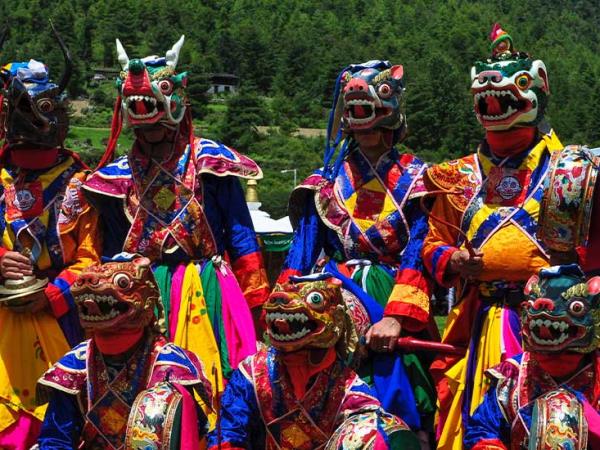
Bhutan trekking and festivals holiday
From £5276 16 days excluding flights
Remote and beautiful Bhutan: trekking, festivals & culture
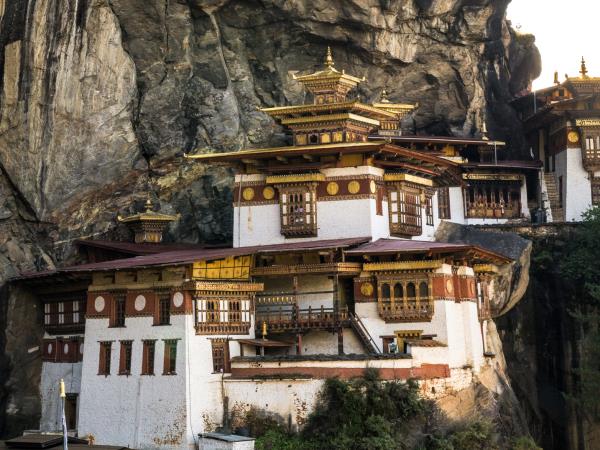
Bhutan highlights holiday with trekking options
From £4971 16 days excluding flights
Multi-day Himalayan trekking with Bhutan’s key highlights
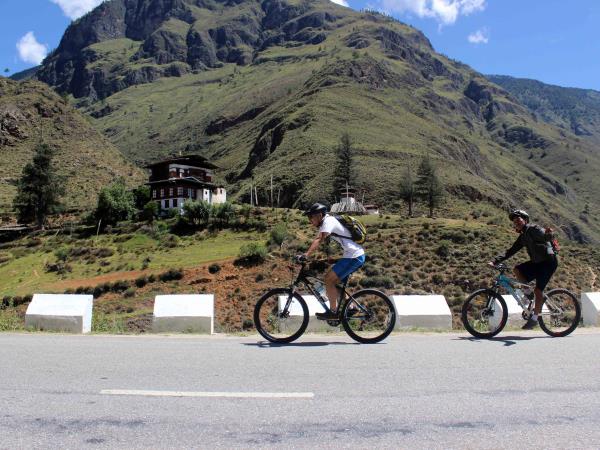
Bhutan active slow travel holiday
From £5471 18 days excluding flights
Hike, cycle & explore Bhutan's pristine valleys & cultures