Patagonia adventure tour in Argentina and Chile

Price
£9540To£11500 including domestic flights only
Convert currency:


Duration
16 Days
Countries
Argentina, Chile, Patagonia
Type
Tailor made

Description of Patagonia adventure tour in Argentina and Chile
Price information
£9540To£11500 including domestic flights only
Convert currency:
Departure information
This trip can be tailor made throughout the year to suit your requirements
Travel guides
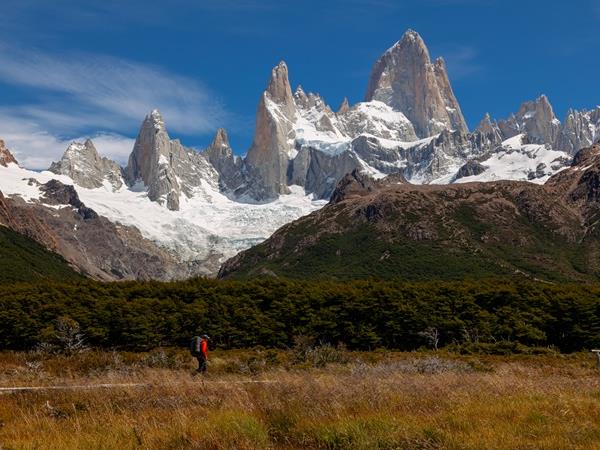
Patagonia: a triangle of land at the end of the world, with calving glaciers, shattered fjords and jagged mountains.

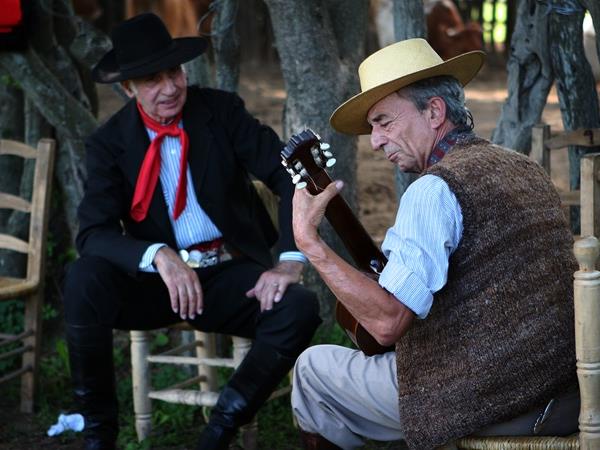
Come on a journey through the roots of Carnaval, Chamame, Salta and Patagonia in our travel guide.
Responsible Travel
As the pioneers of responsible tourism, we've screened this (and every) holiday so that you can travel knowing we've worked to maximise the benefits of your holiday to local people and places, and minimise any negative impacts.
Planet
CARBON REDUCTIONAlthough this journey covers a huge area across Argentina and Chile, internal flying has been kept to the sections where distances are greatest. Once in Patagonia, several substantial journeys are made overland rather than by air, including El Calafate to El Chaltén, El Chaltén back to El Calafate, El Calafate across the border to Torres del Paine, and Torres del Paine to Punta Arenas.
There are no practical rail connections linking the remote Patagonian destinations featured on this itinerary, so replacing these flights with trains is not realistically possible. The trip therefore combines necessary domestic flights with road transfers and shared transport wherever practical, avoiding additional short internal flights through Patagonia.
The itinerary uses a number of independently run and sustainability-focused hotels. For instance, in El Chaten, the hotel has particularly strong credentials and achieved Silver level certification under Argentina's Hoteles Más Verdes programme in April 2024, based on standards aligned with the Global Sustainable Tourism Council. Its environmental programme covers energy efficiency, responsible use of natural resources, waste reduction, reuse and recycling, sustainable mobility and support for the local community. In Torres del Paine, has an extensive climate action programme. The hotel's Climate Action Plan includes 39 initiatives, covering measurement and reduction of its carbon footprint, energy transition and incorporation of renewable energy such as solar power, with a goal of becoming carbon neutral by 2034. Its wider sustainability work includes reforestation, regenerative food production, composting and major reductions in waste. In El Calafete, the hotel was designed with sustainability in mind. Around 95% of its equipment and furnishings were produced in Argentina, with a strong emphasis on El Calafate and regional craftspeople. Environmental measures include efficient heating, 100% LED lighting, landscaping with native plants, organic amenities and reusable bottles. The hotel's use of locally made furniture, textiles and ceramics also reduces reliance on imported products and supports the regional economy.
At least four days specifically include substantial human-powered activities, with the potential for six or more depending on the excursions chosen in Torres del Paine.
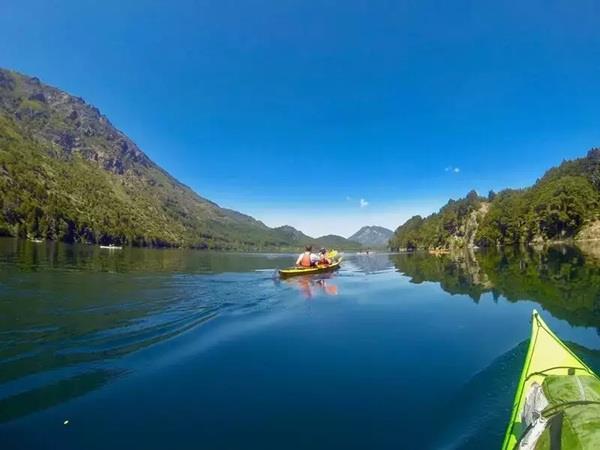
The itinerary includes hiking and canoeing in Tierra del Fuego National Park, trekking to Cerro Torre, the full-day Laguna de los Tres trek, and a combination of kayaking and hiking on the La Leona River. There are a further two days in Torres del Paine when guests can choose hiking or horseback excursions rather than motorised sightseeing.
We favour locally produced and seasonal food where available, particularly in remote Patagonian regions where supporting local producers also helps retain tourism income within the destination. We are continuing to gather more detailed information from individual accommodation partners regarding food sourcing, food-waste reduction and their policies on certified palm oil, soy, paper and timber products.
ENVIRONMENT AND WILDLIFE
Checking the policies of how accommodation on this trip reduce their environmental impacts: We increasingly look at the environmental policies and sustainability credentials of the accommodation we use, including measures around energy and water use, waste reduction, recycling, plastics, sourcing and protection of the surrounding environment.
A particularly good example on this itinerary is the hotel in El Chaltén, which holds Silver Level Hoteles Más Verdes certification, aligned with Global Sustainable Tourism Council standards. Its programme includes reducing, reusing and recycling waste, using natural resources efficiently, improving energy efficiency, encouraging sustainable mobility and providing environmental education.
The hotel in Torres del Paine has a Climate Action Plan which includes 39 initiatives covering carbon measurement and reduction, water conservation, waste management, ecosystem restoration, environmental education and a transition towards renewable energy, including solar power. Its waste programme has already reduced waste per guest by around 80% over five seasons.
We look to use accommodations that restoring nature, or entry fees to parks and protected areas. For instance, the hotel in Torres del Paine sits within the Las Torres Patagonia Natural and Cultural Reserve beside Torres del Paine National Park. The reserve carries out significant restoration and conservation work, including planting around 10,000 native lenga trees each season, monitoring species such as pumas, guanacos and woodpeckers, restoring damaged trails and using holistic grazing techniques to improve soils.
The hotel also works through Las Torres Patagonia Conservancy, which supports reforestation, environmental education, trail management and biodiversity protection. It provides park rangers, undertakes lenga reforestation in areas damaged by fire and works alongside CONAF in Torres del Paine National Park.
The itinerary also visits several major protected landscapes, including Tierra del Fuego National Park, Los Glaciares National Park and Torres del Paine National Park. Entrance to Torres del Paine is explicitly included within the itinerary, so part of the trip cost directly supports access to and management of this internationally important protected area.
People
LOCAL ECONOMYAll seven hotels on this itinerary are locally or nationally owned/operated rather than being part of large international hotel chains, and the accommodation has deliberately been chosen to favour independent boutique properties and locally based hotel companies, helping to keep a greater proportion of tourism income within Argentina and Chile. For instance, in Punta Arenas, we use a genuinely small, characterful boutique hotel created by the owners, with a strong sense of Patagonian heritage. Rooms are themed around traditional local trades and its food combines Patagonian and Croatian influences, reflecting the region's immigrant history. In Torres del Paine, the hotel is developed from a traditional Patagonian estancia and closely connected to the landscape, culture and conservation of the area rather than operating as an international resort brand. In El Calafate, the hotel is an intimate Patagonian boutique property that makes extensive use of Argentine artists, craftspeople, materials and furnishings, further extending the economic benefit of the stay beyond the hotel itself.
The trip is designed to spread tourism income beyond the hotels by making extensive use of local guides, excursion providers, drivers, boat operators and activity specialists throughout Argentina and Chile.
Locally delivered experiences are a major part of the itinerary. In Buenos Aires, guests explore the city's neighbourhoods with a guide and sample local street food including empanadas and choripán. In Patagonia, guides lead hiking and canoeing in Tierra del Fuego, glacier excursions around El Calafate, trekking from El Chaltén and kayaking on the La Leona River.
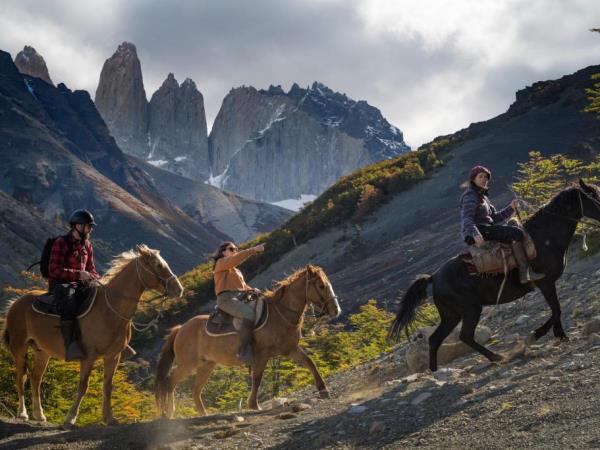
In Torres del Paine, guests spend two days choosing locally guided activities including trekking, nature walks and horseback riding along traditional baqueano routes, providing employment for guides, horse handlers and other tourism staff based in and around Torres del Paine.
The journey also supports numerous locally operated transport and wildlife experiences, including the Beagle Channel cruise, Patagonian glacier navigation and the boat trip to the Magellanic penguin colony on Magdalena Island.
This itinerary is designed so that tourism income spreads well beyond the hotels. Throughout Argentina and Chile, guests use local guides, drivers, boat operators, trekking guides, kayaking instructors, restaurants and other locally operated tourism services. Time spent in destinations such as Buenos Aires, Ushuaia, El Calafate, El Chaltén, Punta Arenas and Santiago also gives travellers opportunities to spend independently in local cafés, restaurants, shops and markets, supporting small businesses and local employment. Choosing locally and nationally owned accommodation wherever possible further helps retain tourism revenue within the destination, while guided outdoor activities create valuable employment in remote Patagonian communities where tourism is an important part of the economy.
EMPLOYMENT, INCLUSIVITY AND DIVERSITY
Tourism provides important employment opportunities for people living in the destinations visited, particularly in remote Patagonian communities where other sources of employment can be more limited. The benefits extend beyond guides and hotel staff to drivers, activity operators, cooks, cleaners, maintenance teams and administrative staff, as well as people working throughout the local supply chain. Tourism can provide regular income, training and opportunities to develop transferable skills, while allowing people to build careers without having to leave their communities to find work elsewhere. By using locally based businesses and services, the trip helps ensure that visitor spending supports local livelihoods and contributes to the long-term economic wellbeing of the communities through which guests travel.
This trip is suitable for LGBTQ+ travellers, and both Argentina and Chile are well-established tourism destinations for same-sex couples and LGBTQ+ visitors. The itinerary uses mainstream hotels, private and shared guided excursions and established tourism operators throughout Buenos Aires, Patagonia and Santiago, with no activities that would present particular concerns for LGBTQ+ travellers.
Argentina has a long-established legal framework recognising gender identity and requiring dignified treatment according to a person’s adopted gender identity.
Popular similar holidays
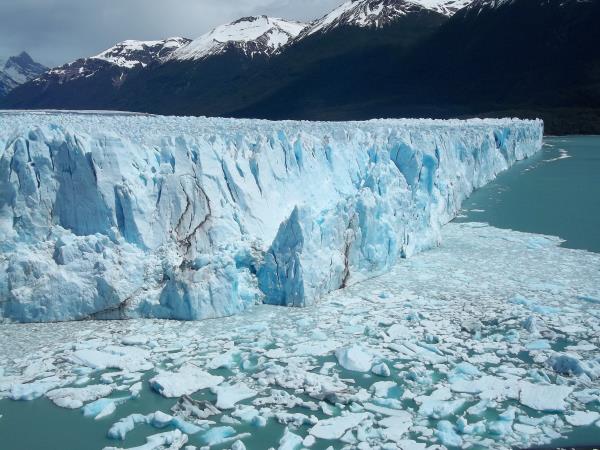
Patagonian adventure holiday
From £3945 15 days excluding flights
Explore the highlights of Argentine and Chilean Patagonia
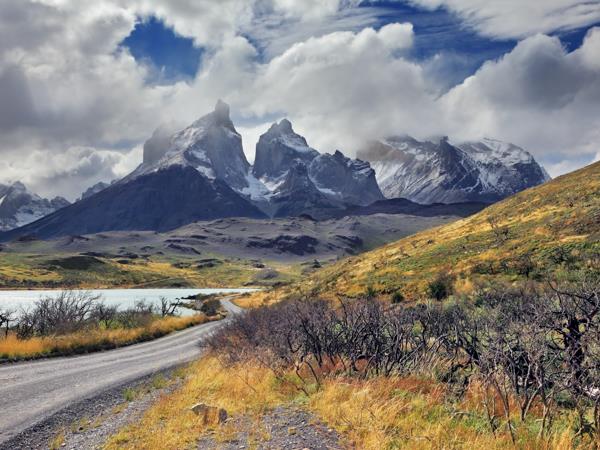
Small group adventure holiday to Patagonia
From £5526 20 days excluding flights
Explore the spectacular wilderness and mountains of Patagonia
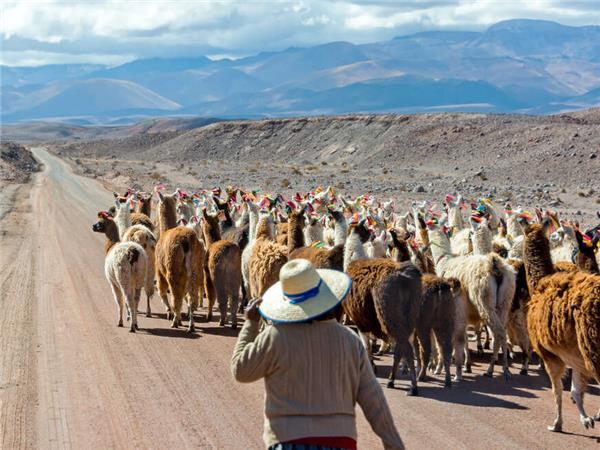
Best of Argentina, Bolivia and Chile holiday
From £5429 - £5499 13 days excluding flights
Bolivia, Chile's Atacama Desert and canyons of Argentina