Madagascar guided nature tour

Price
£2695To£2895excluding flights
Duration
14 Days
Type
Small group
More info
This is the per person group tour price, based on 2 sharing.
The price is subject to change with exchange rate and flight cost fluctuations.
For solo travellers seeking a single room, a supplement of £495 would apply.
The price is subject to change with exchange rate and flight cost fluctuations.
For solo travellers seeking a single room, a supplement of £495 would apply.

Description of Madagascar guided nature tour
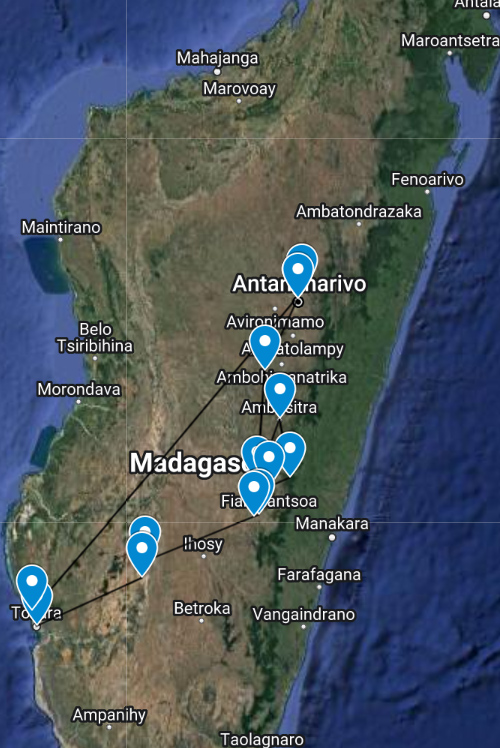
Map
Price information
£2695To£2895excluding flights
This is the per person group tour price, based on 2 sharing.
The price is subject to change with exchange rate and flight cost fluctuations.
For solo travellers seeking a single room, a supplement of £495 would apply.
The price is subject to change with exchange rate and flight cost fluctuations.
For solo travellers seeking a single room, a supplement of £495 would apply.
Check dates, prices & availability

Travel guides
Every country is unique, but Madagascar is more unique than most.

Responsible Travel was built out of a love of solo travel, and we want to share the joy of it with you.
Responsible Travel
As the pioneers of responsible tourism, we've screened this (and every) holiday so that you can travel knowing we've worked to maximise the benefits of your holiday to local people and places, and minimise any negative impacts.
Planet
CARBON REDUCTION1) We walk extensively in pursuit of wildlife and remote wilderness. While taking motorised transport to trailheads and park entrances in unavoidable, the tour has been fashioned in such a way as to maximise leg power (walking safaris in Ranomafana and Isalo National Parks, tracking lemurs, endemic insects and bird spotting, etc).
2) In terms of flying internally, there is one unavoidable flight at the end of the itinerary, from Tulear to Antananarivo. Otherwise, all travel is done by road and keeping our groups small (twelve maximum) means there is no need for huge coaches, and we can instead use smaller minibus-style vehicles.
3) All diets can be catered for, including vegan and vegetarian. All we need is advance notice so that we can prepare our local team, and the hotels and restaurants you will be visiting; during the trip, your guide will be able to assist with ordering meals that meet your requirements.
ENVIRONMENT AND WILDLIFE
1) On this Madagascar tour, we have designed the programme to deliver environmental benefits. Firstly, through accommodation. The lodges we prefer to use prioritise nature and are making an effort to reduce their own carbon footprint.
One such lodge is Relais de la Reine on the outskirts of Isalo National Park. During construction of the lodge, numerous species of fruit trees were planted, which have now matured and include both European and tropical species, producing an abundant diversity of fruits. There are also several varieties of citrus fruits available from the orchard. The rice field and vegetable garden is grown using artisanal and organic methods and is used in the kitchen.
Several beehives have also been installed in the orchard, supplying the restaurant with honey and ensure the pollination of the fruit trees. The lodge is also carrying out an experimental jatropha plantation, whereby the oil extracted from the seeds harvested from the plantation will provide “green” fuel to the lodge’s generators.
2) Wildlife tourism in Madagascar plays a critical role in preserving its wilderness areas. The partners we work with in Madagascar are at the forefront of educating local people and training guides about the importance of the country’s unique biodiversity. Our partner also actively lectures about tourism at local universities and schools, focusing specifically on environmental issues.
3) 90% of the flora and fauna is considered to be endemic to Madagascar, much of which is under threat due to deforestation to clear area for sapphire mines. Our responsibly-managed safaris and nature walks contribute in a small way of ensuring that money earned from our activities filters back into protection of these national parks.
People
LOCAL ECONOMY1) In Fianarantsoa, we also visit a workshop which specialises in handmaking portable ovens from clay, which are then sold locally.
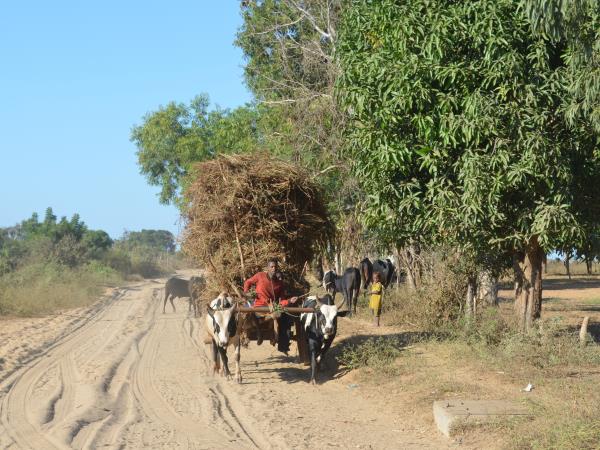
2) Where feasible, we have also included lunches at local homes to encourage interaction with local people and get an insight into their daily lives. We do this on the road between Antsirabe and Ambositra, as well as in Fianarantsoa.
EMPLOYMENT, INCLUSIVITY AND DIVERSITY
1) Very little is known about Madagascar’s ‘Silk Road’. We travel from village to village, visiting the small locally-owned and managed workshops, showcasing the traditional methods used in harvesting silk worms and silk production. Women are mostly employed in this small scale industry, providing them with a stable income and security. They sell various types of silk-woven textiles, which clients can purchase to supplement their income and also as a more meaningful souvenir.
2) All tour logistics are staffed by local Malagasy people, and therefore, employment opportunities are enhanced. A 14-day tour may involve a native support staff of between 20-40, given the fact that there are 7 different hotels and lodges, and multiple wildlife guides and national park support staff. Our small-scale choice of properties have little affiliation with outside investors, unlike elsewhere in Africa.
3) Locally-sourced and Madagascar-educated nature guides are on hand to assist and educate everywhere from Ranomafana and Isalo National Parks to Reniala Nature Reserve. Reducing human impact is a recurring theme throughout all wilderness guided excursions. The prevailing policy among parks and, indeed, our local partners, is to engender a sense of the vulnerability of the natural surroundings by bringing the traveller face-to-face with them.
Popular similar holidays
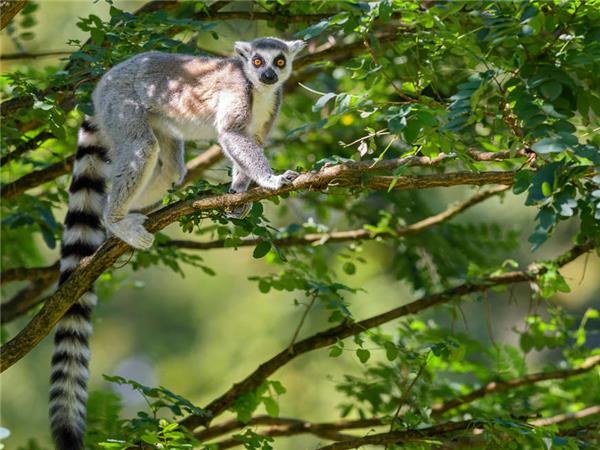
Madagascar holidays, The lost continent
From £3150 - £3395 15 days excluding flights
Experience the culture and wildlife of Madagascar
Madagascar tailor made wildlife holiday
From £3695 20 days excluding flights
An adventure observing unique wildlife in Madagascar
Wild Madagascar tour, small group
From £4395 23 days excluding flights
Experience the wild side of Madagascar