Northern Tunisia small group tour
Price
£1445To£1495 excluding flights
Convert currency:


Duration
6 days
Type
Small group
Last minute
Late availability on these dates: 10 Nov, 01 Dec, 23 Dec

Description of Northern Tunisia small group tour
Map

Price information
£1445To£1495 excluding flights
Convert currency:
Check dates, prices & availability

Travel guides
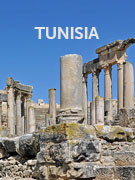
Experience North African culture, ancient Roman architecture and beautiful Mediterranean beaches.

Responsible Travel was built out of a love of solo travel, and we want to share the joy of it with you.
Responsible Travel
As the pioneers of responsible tourism, we've screened this (and every) holiday so that you can travel knowing we've worked to maximise the benefits of your holiday to local people and places, and minimise any negative impacts.
Planet
PLANETCARBON REDUCTION
Reduction in avoidable internal flights
This tour avoids all internal flights. All travel between destinations such as Tunis, Sejnane, Ain Draham, and Dougga is completed by shared, air-conditioned minibus or 4x4 vehicles, keeping the carbon footprint lower than itineraries that use domestic flights.
Shared local transport
The small group size (maximum 12 travellers) allows all guests to share one vehicle for transfers and sightseeing. This reduces per-person emissions while ensuring responsible and efficient transport across Tunisia’s northern regions.
Human-powered transport
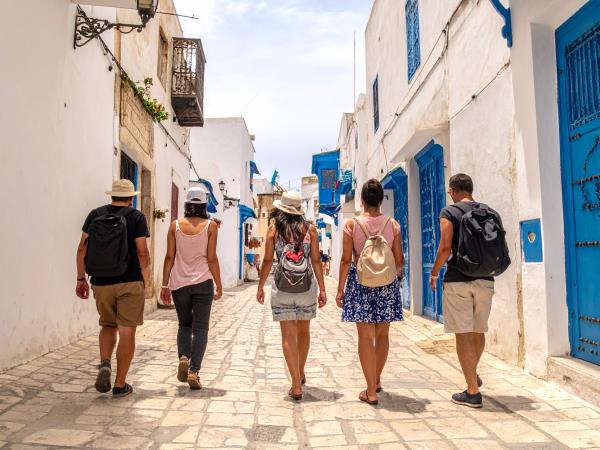
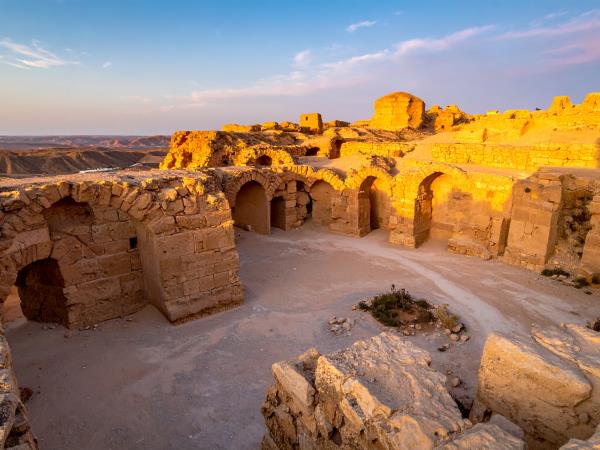
Human-powered travel is a key part of the tour. Guests enjoy a guided hike through the forested landscapes of Ain Draham, as well as exploring historic Medinas in El Kef and the archaeological sites of Bulla Regia and Dougga on foot. These activities promote low-impact exploration and appreciation of nature and heritage.
Local-sourced and seasonal food
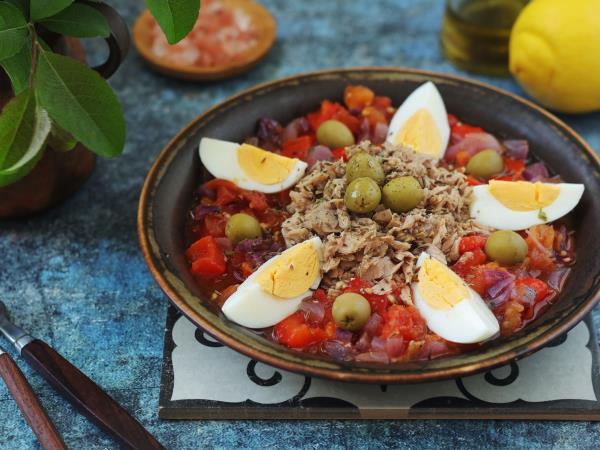
Several experiences highlight Tunisia’s use of fresh, local produce. Travellers share a traditional home-cooked meal with a local family in Ain Draham and join a bread-making experience in El Kef. An olive oil tasting and farm-to-table lunch further connect guests with regional ingredients and sustainable food practices.
ENVIRONMENT AND WILDLIFE
Accommodation environmental impact reduction
All accommodation is locally owned and uses existing buildings, reducing the need for new development. The rural hotel in Ain Draham operates within the forested Kroumirie Mountains, allowing guests to enjoy nature responsibly while supporting the local economy.
Entry fees to parks or protected areas
Entrance fees are included for several archaeological and heritage sites such as Bulla Regia and Dougga. These fees contribute directly to the conservation and maintenance of Tunisia’s historical and natural heritage.
Contribution to nature recovery or rewilding projects
The guided forest hike in Ain Draham encourages appreciation for Tunisia’s unique cork oak and evergreen forests. Local guides share knowledge of flora, fauna, and conservation challenges, helping raise awareness about the importance of protecting these ecosystems.
Expert nature guides
All tours and hikes are led by expert local Tunisian guides. In Ain Draham, local forest guides introduce travellers to the biodiversity of the Kroumirie Mountains and the region’s conservation practices.
People
PEOPLELOCAL ECONOMY
Locally owned accommodation
All hotels used on the itinerary, including those in Tunis, Ain Draham, and Dougga, are locally owned or managed, ensuring that tourism income remains within Tunisia and supports local employment.
Local economic opportunities
This tour supports Tunisia’s traditional artisans and rural producers through a series of immersive, community-based experiences. In Sejnane, women artisans share their UNESCO-listed pottery techniques, shaping and decorating clay by hand using natural pigment, a practice that preserves Berber heritage and provides essential income for local families.
Cultural exchange continues through shared meals with local families, offering authentic regional cuisine and helping sustain household economies. At Dar el Khobz (the House of Bread), participants learn about the traditional art of bread-making, a cornerstone of Tunisian daily life.
Visits to farms such as Domaine Ben Ismail include organic olive oil tastings and showcase small-scale agricultural production rooted in local knowledge and sustainable practices.
Collectively, these activities generate meaningful income for artisans, farmers, and small businesses, strengthening rural livelihoods and supporting the continuation of Tunisia’s cultural and culinary traditions.
EMPLOYMENT, INCLUSIVITY AND DIVERSITY
Local employment
All guides, drivers, and workshop hosts are Tunisian, with many from the regions visited. This ensures that employment and economic benefits flow directly to local communities and helps preserve regional knowledge and traditions.
Opportunities for marginalised groups
The Sejnane Pottery Workshop provides income opportunities for women artisans who preserve Tunisia’s UNESCO-listed pottery heritage. Participation in their workshop helps sustain this cultural practice and supports women’s livelihoods.
Fair wages
Fair employment standards are followed, ensuring that all staff receive at least the legal minimum wage in Tunisia.
Popular similar holidays
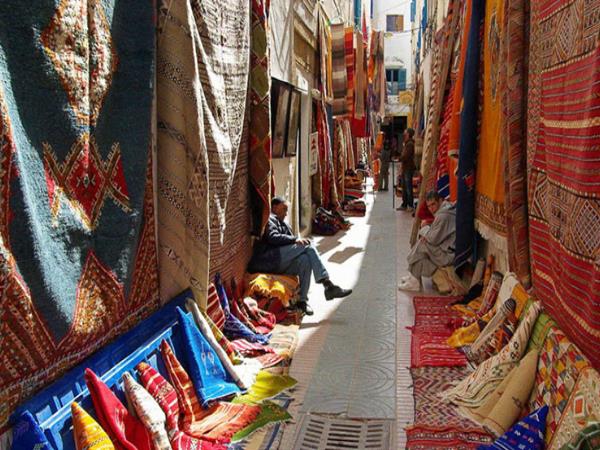
Tunisia tailor made holiday
From US $3580 - US $4180 10 days excluding flights
Classic cultural route from Kasbah to the Sahara
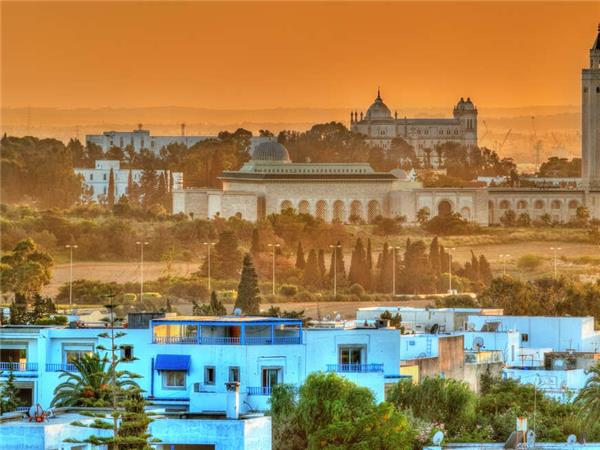
Tunisia small group holiday
From £1810 - £2045 10 days excluding flights
Experience the sights and sounds of Tunisia
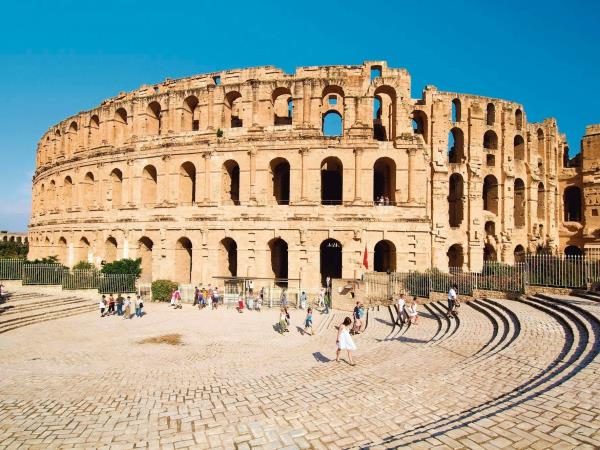
Tunisia history tour, tailor made
From US $3250 - US $3750 8 days excluding flights
Discover Tunisia's fascinating history & natural sites