Southern Angola small group tour
Price
£5599 excluding flights
Convert currency:


Duration
10 Days
Type
Small group
Group size
4-12
More info
Some meals included

Description of Southern Angola small group tour
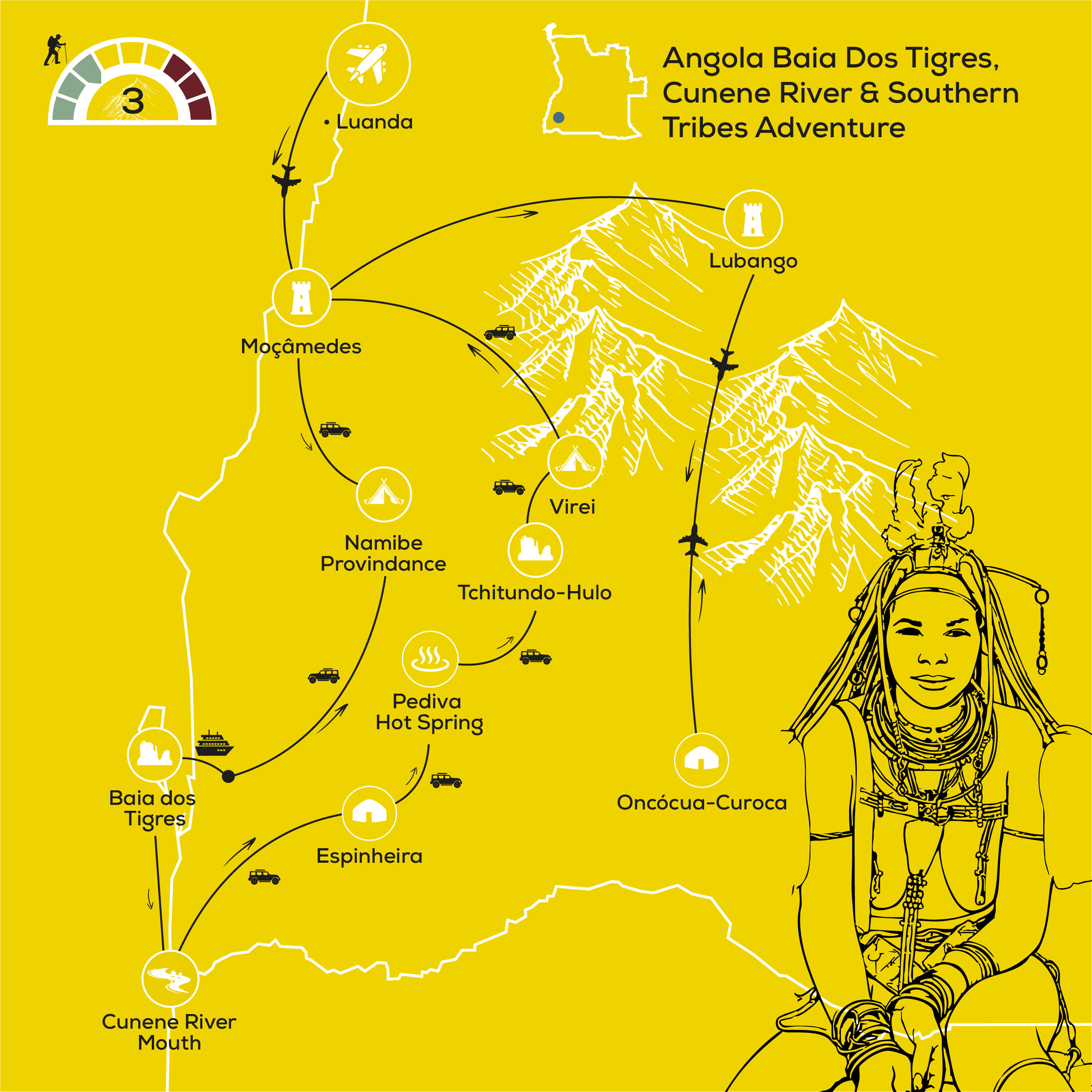
Map
Price information
£5599 excluding flights
Convert currency:
Some meals included
Check dates, prices & availability

Travel guides
Our Angola travel guide explores this rarely visited country, from its towns to its ancient art and wilderness.

Responsible Travel was built out of a love of solo travel, and we want to share the joy of it with you.
Responsible Travel
As the pioneers of responsible tourism, we've screened this (and every) holiday so that you can travel knowing we've worked to maximise the benefits of your holiday to local people and places, and minimise any negative impacts.
Planet
Carbon ReductionThis itinerary travels through remote regions of the Algerian Sahara and northern cultural corridors where infrastructure is limited, requiring careful planning to reduce carbon emissions rather than relying on existing low-carbon systems. The trip is structured to minimise unnecessary transit while granting access to vast desert landscapes and historic heritage sites.
Internal ground transport is shared across the group using 4x4 vehicles and minivans, maximizing passenger capacity to reduce per-person emissions. Ground routes are structured as efficient continuous loops or linear connections, preventing unnecessary backtracking and ensuring every journey directly advances the itinerary.
Human-powered exploration is built into the experience whenever possible. Walking through ancient medinas, exploring the UNESCO-listed Casbah of Algiers, hiking among the sandstone formations and canyons of Tassili n'Ajjer, and walking across desert dunes replace vehicle use for short distances. These activities encourage a slower, low-impact engagement with Algeria’s landscapes.
Accommodation across the journey prioritises low-energy setups. Multiple nights spent mobile camping under the desert stars require virtually no electricity, heating, or permanent infrastructure. In towns and historic cities, accommodation features small-scale guesthouses and locally operated hotels that operate with modest energy footprints.
Food is all locally sourced. In Saharan camps and oasis settlements, meals are freshly prepared by our expedition cooks using regional Algerian ingredients, traditional flatbreads, and local produce, avoiding long-distance food imports. Vegetarian options are readily integrated into daily menus.
Travellers are briefed prior to departure on packing lightly and bringing reusable water filtration systems and bottles. In remote Saharan environments where waste management is minimal, reducing single-use plastics at the source remains a top priority.
Environment And Wildlife
This journey traverses fragile desert ecosystems, arid plateau canyons, and delicate historical sites where environmental impact must be rigorously controlled. Overland driving is strictly confined to established tracks and desert passes to prevent soil compaction, protect desert crusts, and preserve vulnerable flora.
Camping operations in the Sahara follow a strict "Leave No Trace" ethos. Mobile desert camps are temporary, self-contained setups that leave no permanent marks on the landscape. All litter, organic waste, and non-biodegradable trash are packed out of wilderness areas and returned to municipal disposal hubs.
During visits to UNESCO World Heritage Sites—including the prehistoric rock art galleries of Tassili n'Ajjer, Roman ruins such as Timgad or Djemila, and the traditional architecture of the M'Zab Valley—activities focus on quiet, non-invasive observation. Guides ensure travellers stay on designated paths to prevent erosion or accidental physical contact with ancient engravings and masonry.
Desert fauna, including birdlife, reptiles, and desert mammals, are observed strictly from a respectful distance without baiting, feeding, or habitat disruption.
No captive or exploitative wildlife activities are included. The focus remains on appreciating how natural landscapes and human history intersect in the Sahara, with Tuareg and local guides providing expert interpretation on ecological preservation in harsh, changing desert climates.
People
Local EconomyThis itinerary is designed to ensure tourism revenue directly supports local communities, indigenous desert groups, and independent businesses across Algeria. Accommodation throughout the journey relies on locally owned hotels, traditional guest houses (gîtes), and community-backed camping setups.
The trip relies on Tuareg guides, local desert drivers, camp cooks, and city heritage guides. Their intimate knowledge of Saharan navigation, cultural etiquette, and regional history is central to the trip, ensuring skilled employment and fair compensation remain within the local economy.
Engagement with indigenous Saharan communities, such as the Tuareg of the south or the Mozabite communities of the M'Zab Valley, is conducted respectfully and ethically. Visits are integrated naturally into daily routines, ensuring economic benefits—such as camp hosting, musical performances, and storytelling—go directly to host families without staging or disrupting local rhythms.
Meals feature traditional Algerian cuisine prepared with ingredients bought directly from local markets, date groves, and small producers. This provides ongoing financial support to desert agriculture and small-scale traders.
Visits to local souks, artisan workshops, and roadside stalls offer direct opportunities for fair economic exchange. Travellers are encouraged to purchase traditional handicrafts, textiles, and spices directly from local craftspeople, promoting sustainable livelihoods without fostering dependency.
Employment, Inclusivity And Diversity
The execution of this adventure depends on an Algerian team of guides, drivers, mountain/desert leaders, and support crews. Wherever possible, staff are hired from the specific regions visited—such as hiring local Tuareg teams in the deep south—ensuring economic benefits reach peripheral communities.
Employment extends beyond core crew roles to include local site custodians, artisans, camel drivers, and domestic hosts. Interactions are structured to be equitable, collaborative, and dignified.
Women participate actively across hospitality, culinary management, and local artisan initiatives along the route. Working with local suppliers who practice fair employment ensures women benefit directly from tourism revenue.
All personnel receive fair wages above local industry benchmarks, along with proper equipment and work schedules suited to Saharan field conditions. The itinerary's pacing balances long desert travel days with sufficient rest for both travellers and support teams.
The trip welcomes travellers from diverse backgrounds, providing pre-trip guidance on regional cultural norms, attire, and etiquette to foster mutual respect. Due to long desert journeys, walking on uneven sand and rock, and basic camp conditions, the trip requires reasonable physical mobility; clear pre-departure details ensure participants can assess suitability.
By prioritizing local employment, fair working conditions, and respectful cultural engagement, the trip creates meaningful, shared value for both travellers and Algerian host communities.
Popular similar holidays
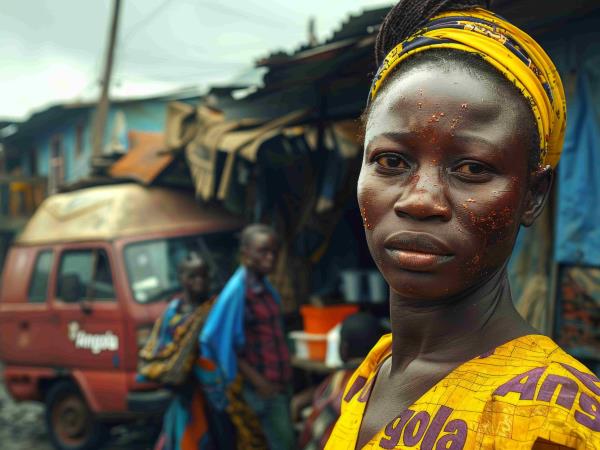
Angola small group tour
From £5495 13 days excluding flights
Discover the vibrant people & place of Angola
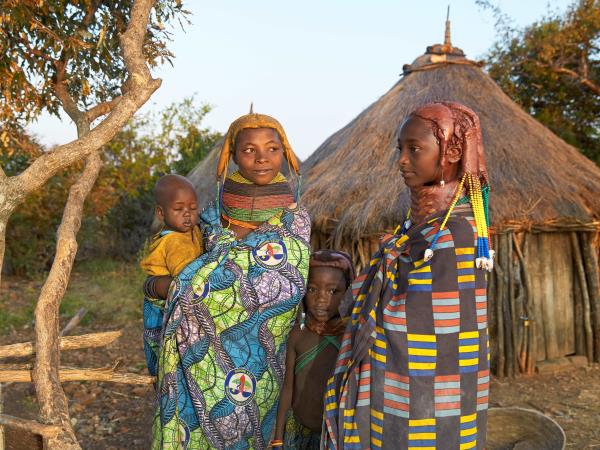
Angola private overland tour
From £7825 12 days excluding flights
Waterfalls, highland culture & remote Atlantic desert coast
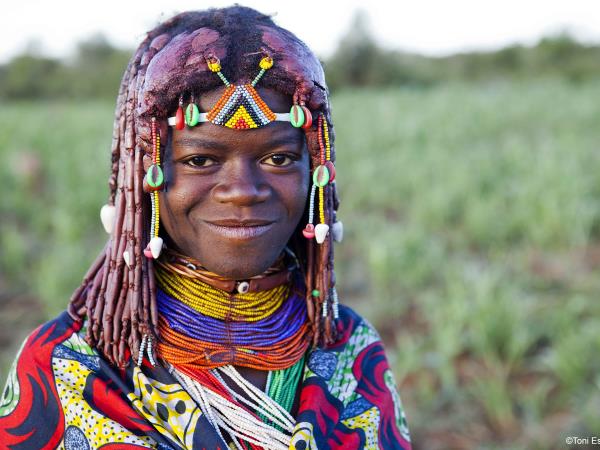
Angola holiday, Expedition to Angola
From £4349 - £4425 11 days excluding flights
Discover the amazing tribal traditions of southern Angola