India big cats wildlife holiday

Price
US $7848 excluding flights
Convert currency:


Duration
14 Days
Type
Tailor made
More info
Domestic Flights Included with accommodations, park permits, all meals, Surface transfers & Camera Fees

Description of India big cats wildlife holiday
Price information
US $7848 excluding flights
Convert currency:
Domestic Flights Included with accommodations, park permits, all meals, Surface transfers & Camera Fees
Departure information
This trip can be tailor made throughout the year to suit your requirements
Travel guides
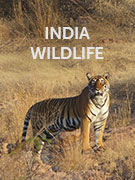
There's a fascinating history attached to wildlife tourism in India, of which tiger spotting and forest safarai is just part.

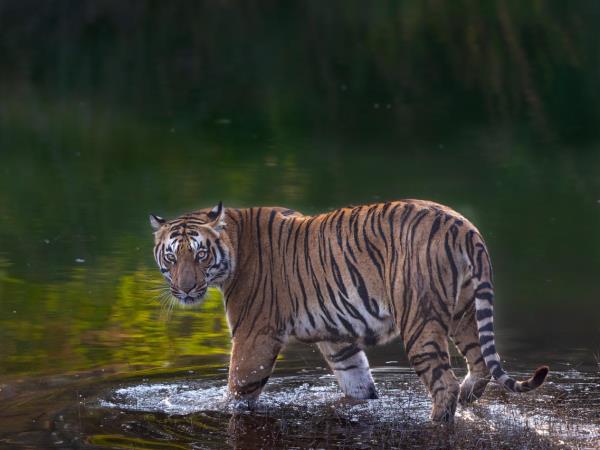
We capture a lot of details in this gudie, but we can’t capture that feeling of seeing into the eye of a tiger.
Holiday information
DIET:
We cater for vegetarian and vegan diets with advance notice.
Responsible Travel
As the pioneers of responsible tourism, we've screened this (and every) holiday so that you can travel knowing we've worked to maximise the benefits of your holiday to local people and places, and minimise any negative impacts.
Planet
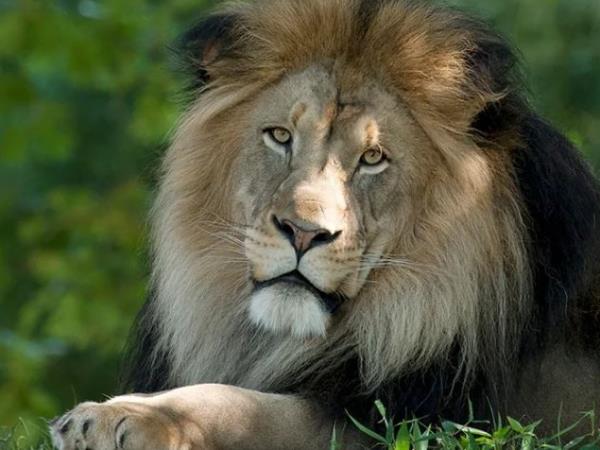
Sustainability lies at the core of this expedition, ensuring that every journey contributes meaningfully to conservation while minimizing environmental impact. A significant portion of park fees and tourism revenue is directly channelled into wildlife conservation, supporting critical initiatives such as habitat protection, anti-poaching measures, and ongoing ecological monitoring. A strong example can be seen in Gir National Park, where a portion of park fees and tourism revenue is directly used to support lion conservation programs, including anti-poaching patrols, habitat management of dry deciduous forests, and continuous monitoring of the Asiatic lion population through tracking and research initiatives.By thoughtfully incorporating multiple protected areas into the itinerary, the program helps sustain a diverse range of ecosystems, each playing a vital role in preserving biodiversity. This approach not only strengthens conservation efforts across regions but also reinforces the value of responsible tourism as a tool for environmental stewardship. Through carefully managed safaris, regulated visitor access, and collaboration with conservation authorities, the expedition ensures that wildlife experiences remain both enriching and sustainable, allowing guests to witness nature responsibly while actively contributing to the long-term protection of these fragile habitats.
Safaris are conducted under strict regulations, limiting vehicle movement and ensuring responsible wildlife viewing practices. This helps maintain natural animal behaviour and reduces ecological disturbance.
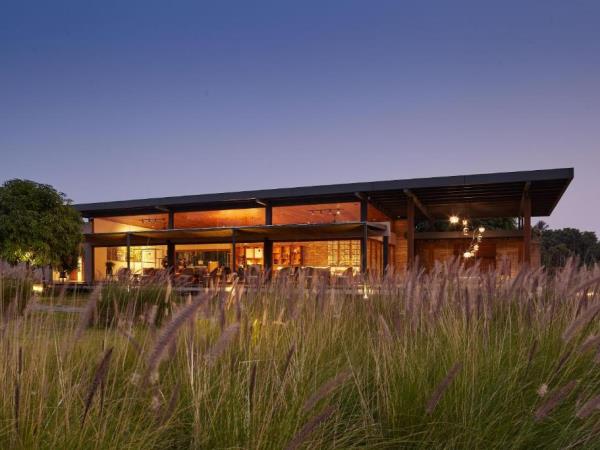
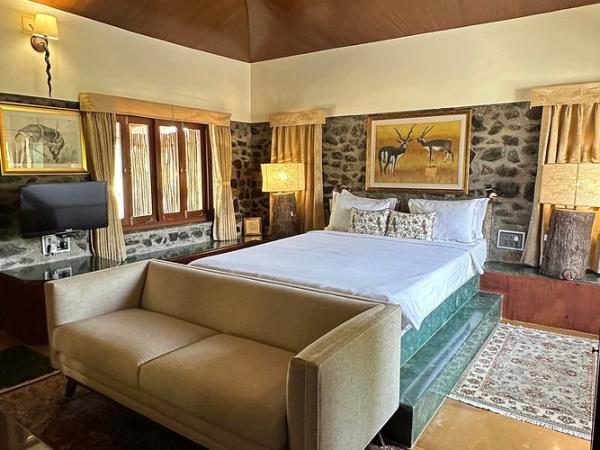
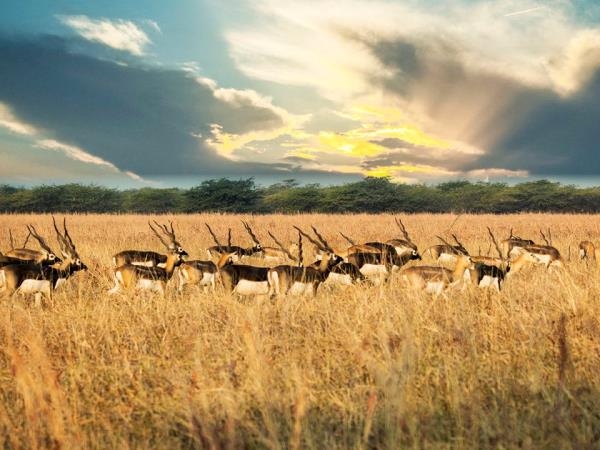
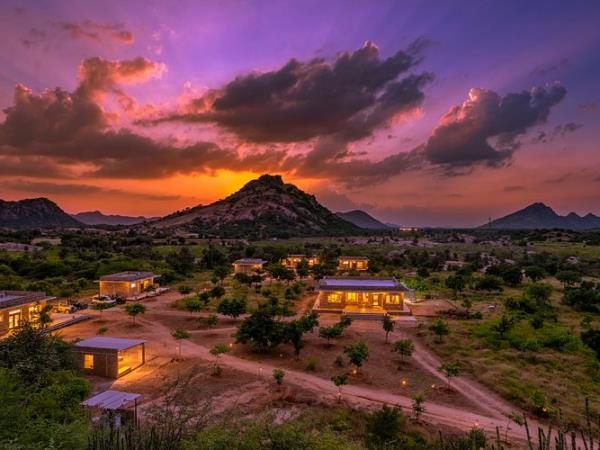
The lodges included in the program follow environmentally responsible practices such as energy conservation, waste management, and minimal-impact design. These efforts help reduce the overall ecological footprint of the journey. A good example is Blackbuck Lodge, where the property is designed with a strong focus on sustainability. The lodge incorporates eco-friendly architecture using local materials, practices effective waste management, and minimizes energy consumption through responsible operations—ensuring a low ecological footprint while offering an immersive wildlife experience near the grasslands.
Importantly, wildlife tourism creates economic value for intact ecosystems, encouraging their preservation. By supporting conservation-driven travel, this expedition helps protect biodiversity while promoting awareness among travellers.
Overall, the program is designed to balance exceptional wildlife experiences with responsible and sustainable travel practices, ensuring long-term benefits for both nature and local communities.
People
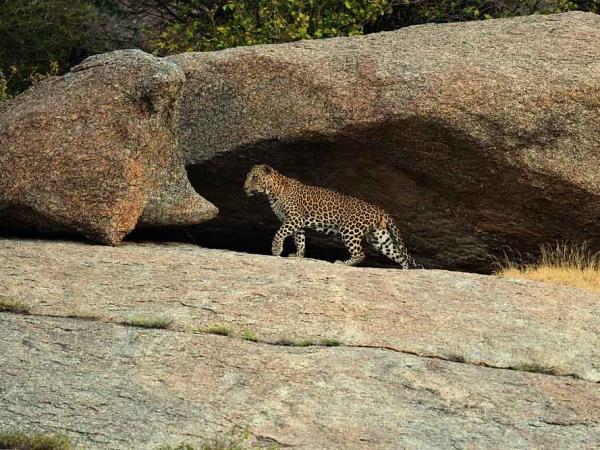
This expedition plays a meaningful role in supporting local communities by creating sustainable livelihood opportunities across all its destinations. Tourism-driven employment is generated through lodges, safari operations, and various support services, with a strong emphasis on hiring local residents as guides, trackers, drivers, and hospitality staff. Their deep-rooted knowledge of the landscape, wildlife behaviour, and local culture greatly enriches the overall guest experience while ensuring authenticity. At the same time, this model ensures that the economic benefits of tourism remain within the region, directly contributing to community welfare. By providing stable income opportunities, the expedition helps reduce migration to urban areas and supports the preservation of traditional knowledge and skills. Ultimately, it fosters a balanced relationship between tourism and community development, where local people become key stakeholders in protecting and sustaining the natural environments they call home.In areas such as Jawai, local communities play an active role in wildlife conservation. Tourism provides a steady source of income, encouraging the protection of wildlife and reinforcing coexistence practices that have been followed for generations.
The program also supports local economies through the use of regional goods, services, and resources. Lodges often source produce locally and employ nearby communities, ensuring that economic benefits are widely distributed. A good example is Bera Safari Lodge, where the lodge actively supports the local economy by sourcing fresh produce and supplies from nearby villages and employing members of the Rabari community. This approach not only ensures authentic regional experiences for guests but also helps distribute tourism revenue directly within the local community.
Additionally, tourism encourages skill development and long-term career opportunities in rural areas, helping reduce migration to urban centres and supporting the preservation of local culture and traditions.
Popular similar holidays
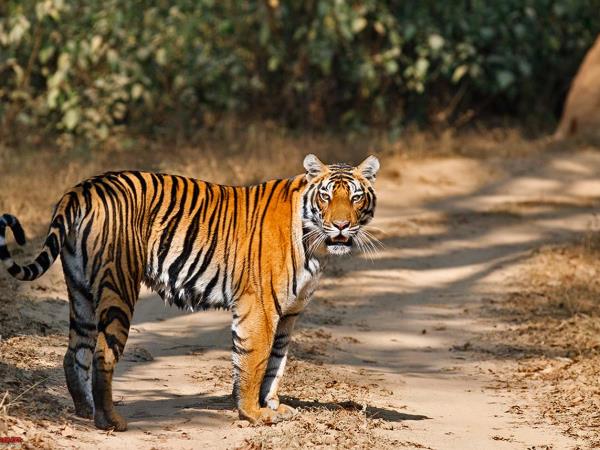
Golden Triangle with Ranthambore tour, India
From £1424 - £1570 10 days excluding flights
India´s best experiences including the Taj Mahal & Tigers
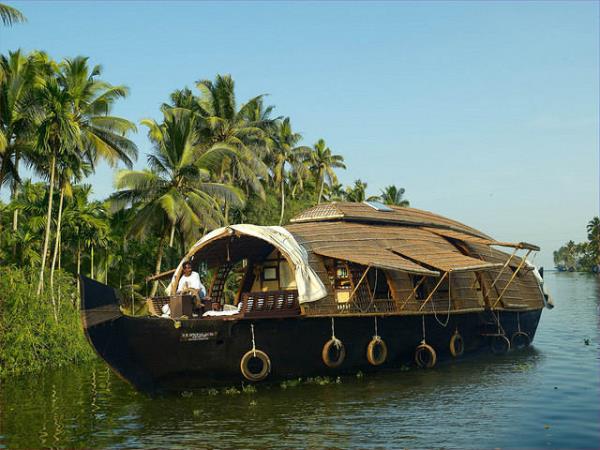
Kerala tailor made holiday, 11 days
From £1285 - £1602 11 days excluding flights
Revitalize in Kerala - A most wonderful and balanced trip
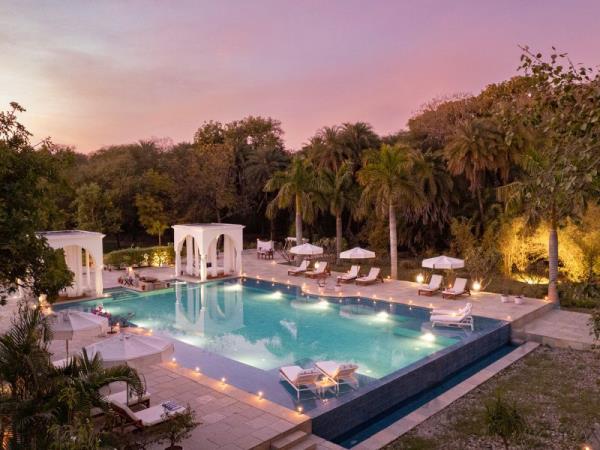
Rajasthan luxury private tour, regal residences
From £6500 - £7900 16 days excluding flights
Luxury holiday to India staying in heritage properties