Mobile walking safari holiday in Zambia
Price
£5025 excluding flights
Convert currency:


Duration
8 Days
Type
Tailor made
More info
Price includes accommodation and meals as listed.

Description of Mobile walking safari holiday in Zambia
Price information
£5025 excluding flights
Convert currency:
Price includes accommodation and meals as listed.
Departure information
This trip can be tailor made throughout the year to suit your requirements
Travel guides
Find out what a camping safari entails – from safety to showering in the bush.
Learn why protecting these havens of biodiversity is so critically important and how your visit can encourage that.
Responsible Travel
As the pioneers of responsible tourism, we've screened this (and every) holiday so that you can travel knowing we've worked to maximise the benefits of your holiday to local people and places, and minimise any negative impacts.
Planet
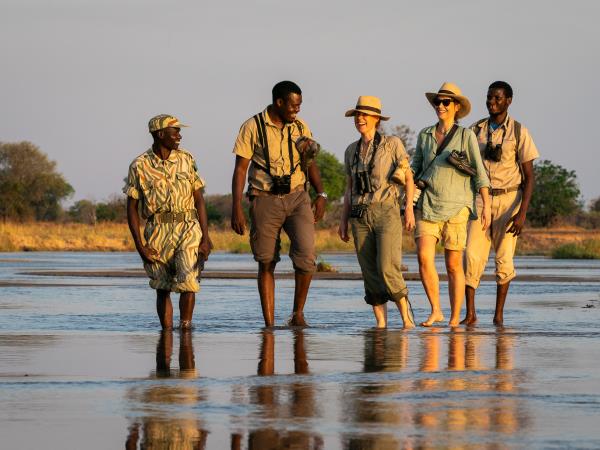
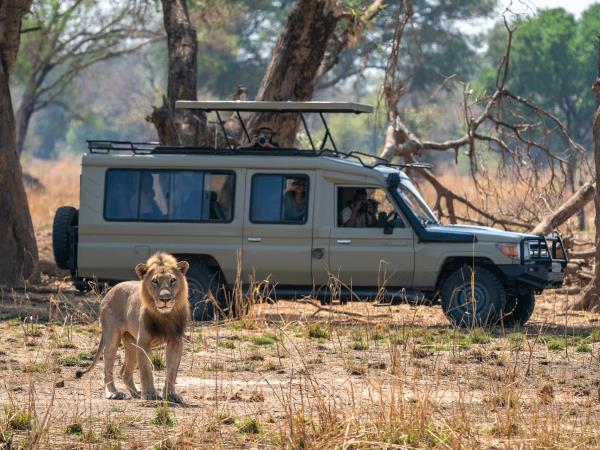
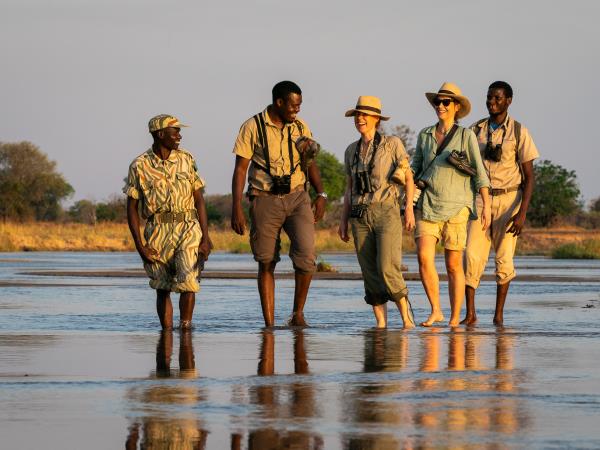
CARBON REDUCTIONThis itinerary reduces reliance on motorised transport through the use of walking safaris as the primary mode of wildlife exploration. By replacing vehicle-based game drives with guided walking, fuel use is significantly reduced across large parts of the trip.
Transfers between remote camps are conducted by chartered light aircraft, which reduces the need for long-distance road journeys through national parks and lowers overall environmental disturbance across hundreds of kilometres of sensitive terrain.
Camps operate on a small-group, low-density model, limiting the number of guests in each area and reducing cumulative environmental pressure on both South and North Luangwa ecosystems.
ENVIRONMENT AND WILDLIFE
Walking safaris in Zambia’s Luangwa Valley are widely regarded as one of the lowest-impact ways to experience wildlife, following natural game trails and avoiding the disturbance associated with vehicles. Each group is led by Zambia Wildlife Authority-accredited guides and, where required, trained armed scouts who ensure both guest safety and active wildlife protection.
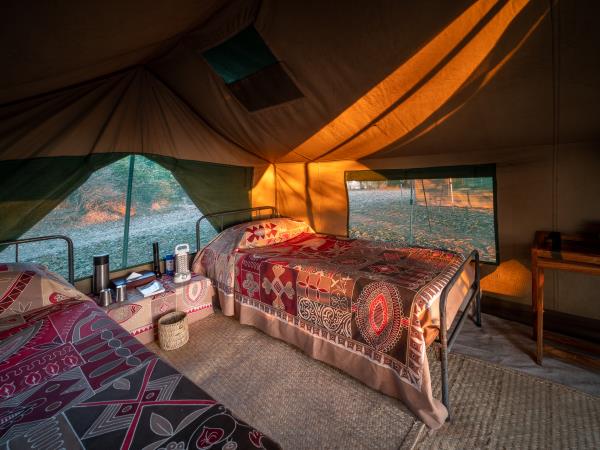
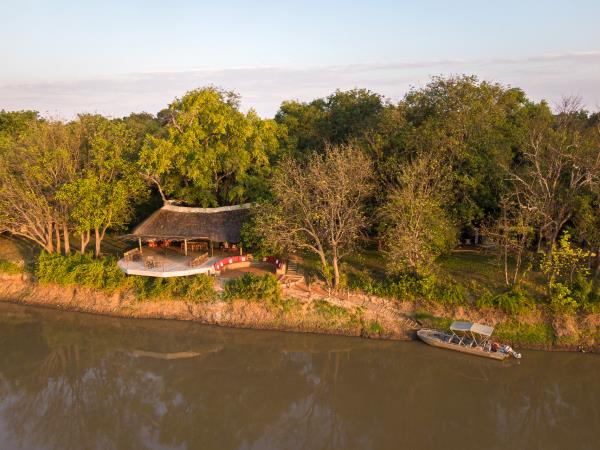
Camps including Tafika, Chikoko Tree, Big Lagoon and Mwaleshi are constructed using locally sourced materials such as timber and canvas, designed to blend into the landscape and minimise permanent environmental impact. Infrastructure is intentionally light-touch, with many camps semi-permanent or removable.
Energy is primarily generated through solar power, with generators used only when necessary. Water use is carefully monitored, and greywater systems are used where possible. Waste is managed through structured systems including recycling and composting, essential in remote environments with limited infrastructure.
Tourism revenue directly supports conservation initiatives across the Luangwa Valley, including anti-poaching patrols, wildlife monitoring and ecological research programmes. In North Luangwa, visitor funding contributes to the protection of the Mwaleshi black rhino sanctuary, supporting a secure breeding population within one of Zambia’s most remote conservation areas.
People
LOCAL ECONOMYThe camps operate with a strong focus on local procurement and regional supply chains, sourcing food, furniture and materials from nearby communities wherever possible. This ensures that tourism revenue circulates within the local economy rather than being concentrated externally.
Guest contributions also support the Tafika Fund, which provides funding for school supplies, bursaries, healthcare initiatives and small-scale infrastructure projects in surrounding villages. This creates a direct link between visitor spend and community development outcomes.
Cultural visits are arranged in partnership with local communities, ensuring that income from tourism supports households directly while maintaining control and ownership at a local level.
EMPLOYMENT, INCLUSIVITY AND DIVERSITY
Employment across Tafika and its associated walking camps is predominantly local, with staff recruited from surrounding villages and trained in hospitality, guiding, ecological interpretation and safety procedures. This provides stable, long-term employment in a region where formal job opportunities are limited.
Staff are offered fair wages, structured training and opportunities for career progression, including development into senior guiding and management roles. This supports long-term skills retention within Zambia’s safari industry.
Remote Africa Safaris also runs training programmes and apprenticeships in partnership with local organisations, focusing on guiding, hospitality and wildlife management. These initiatives are designed to support young people, including women and school leavers, helping to improve access to employment and build long-term capacity within the sector.
By linking conservation tourism with employment and training, the model supports both immediate livelihoods and long-term resilience in communities surrounding South and North Luangwa National Parks.
Popular similar holidays
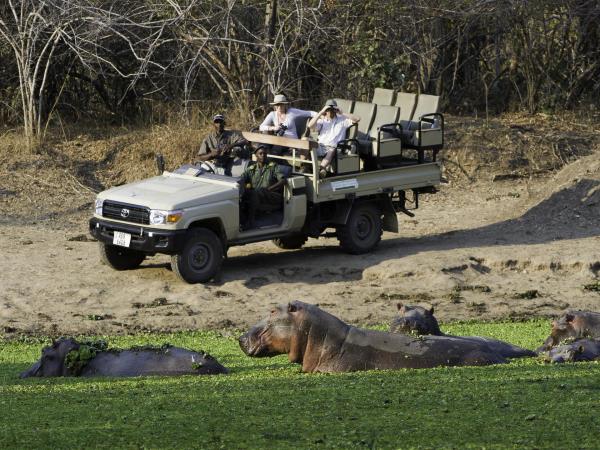
Zambia tailor made safari
From £4980 - £5990 11 days excluding flights
South Luangwa, Lower Zambezi & Vic Falls authentic safari
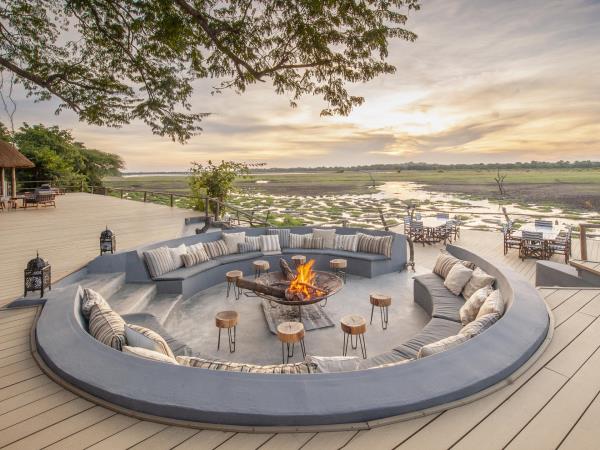
South Luangwa and Lower Zambezi safari, Zambia
From £5286 - £5450 9 days excluding flights
Explore two of Zambia's most scenic and wildlife-rich parks
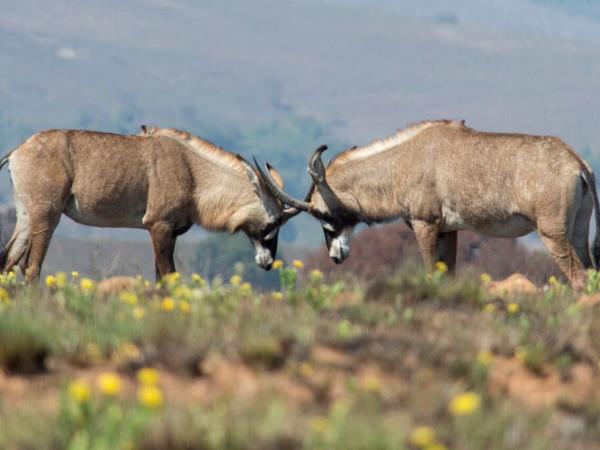
Malawi & Zambia culture and nature tour
From £6390 15 days excluding flights
Explore Malawi's unique areas and Zambia's National Park