Lalibela, Omo Valley and Danakil tour, Ethopia

Price
€1999To€3500 including domestic flights only
Convert currency:


Duration
8 Days
Type
Tailor made

Description of Lalibela, Omo Valley and Danakil tour, Ethopia
Price information
€1999To€3500 including domestic flights only
Convert currency:
Departure information
This trip can be tailor made throughout the year to suit your requirements
Travel guides
Our travel guide reveals a destination where you can step back seven years and explore with local guides.

From Moroccan souks to East Africa's savannah, our Africa travel guide reveals a continent that needs several lifetimes to explore.
Holiday information
Dietary requirements:
We can cater for vegetarian and vegan diets.
Responsible Travel
As the pioneers of responsible tourism, we've screened this (and every) holiday so that you can travel knowing we've worked to maximise the benefits of your holiday to local people and places, and minimise any negative impacts.
Planet
CARBON REDUCTIONIn Lalibela, you will use shared minivans managed by community cooperatives for visiting the clusters of rock-hewn churches. In the Omo Valley, we employ shared 4x4 transport when visiting villages where destinations overlap (e.g., Hamar, Dassanech), reducing the number of vehicles used on certain legs.
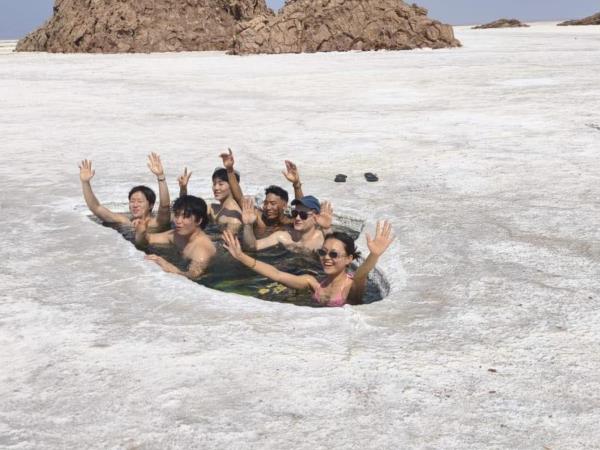
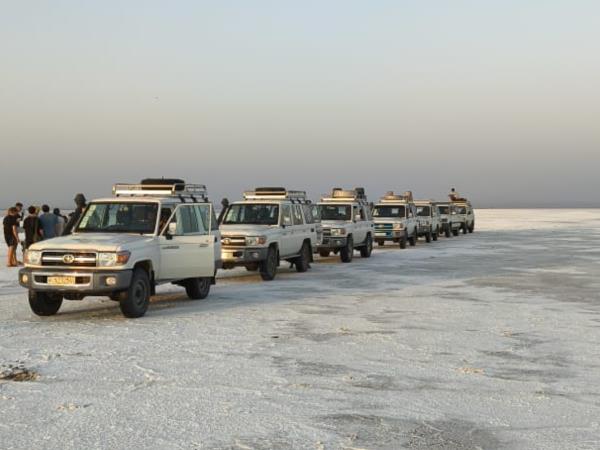
Danakil Depression: Due to terrain, 4x4 vehicles are mandatory, but we always share vehicles among small groups to reduce fuel use and overall emissions.
We continuously seek opportunities to combine groups whenever operationally possible without affecting comfort and safety.
We incorporate shared local transport where possible to reduce CO2 emissions per traveler.
Domestic Flights: These are operated by Ethiopian Airlines, which follows ICAO efficiency standards and uses modern, fuel-efficient aircraft.
Lalibela & Omo Valley:
We prioritize locally sourced and seasonal foods throughout the tour: Percentage of Local Food: Approximately 70–85% of meals (grains, vegetables, fruits, legumes, coffee, and meat) are sourced directly from local farmers and community markets. Omo Valley & Danakil Region: Meals are even more local due to rural supply chains where hotels rely heavily on nearby farmers and pastoralists. Vegetarian & Vegan Options: Available daily and easily arranged. Food Waste Policy Checks.
ENVIRONMENT AND WILDLIFE
We regularly assess partner accommodations for their environmental practices. Key actions include:
Several accommodations in Lalibela and Omo Valley operate onsite composting systems and partner with local farmers for food-waste reuse.
Many hotels have reduced single-use plastics and use recycled or locally sourced paper products.
While certified palm oil alternatives are limited in Ethiopia, we actively encourage hotels to minimize imported palm-oil-based products, choosing locally produced oils (e.g., sesame or Niger seed oil).
Wood and paper products used by hotels are generally locally sourced, supporting small-scale Ethiopian producers rather than uncertified imports.
This tour contributes directly and indirectly to nature protection:
Entrance Fees:
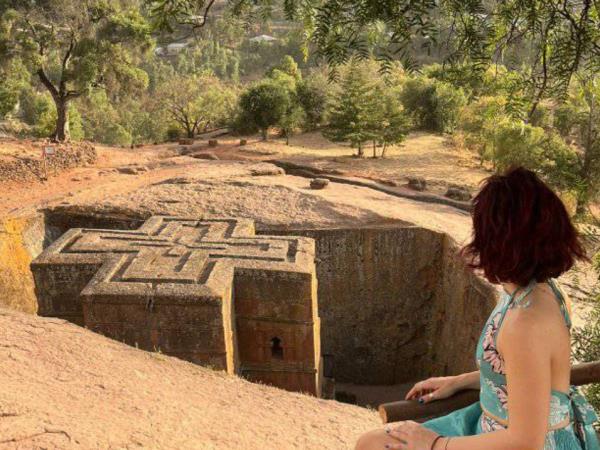
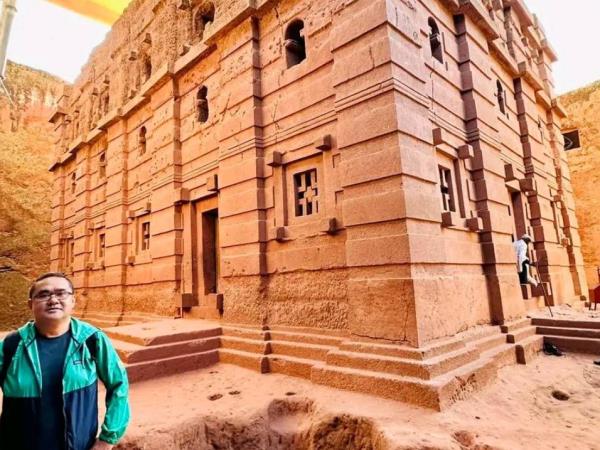
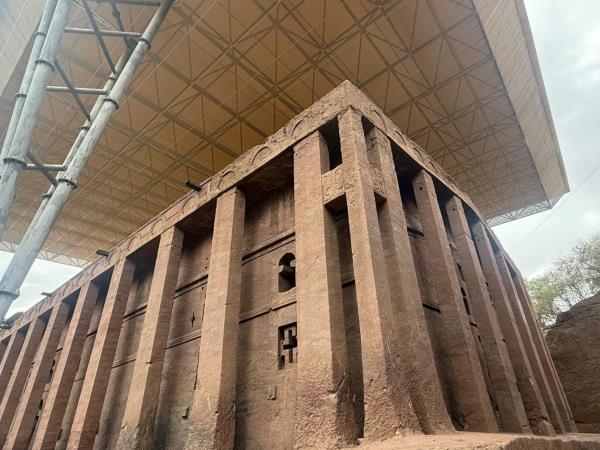
Your entrance fees to Lalibela churches, Omo Valley parks, and the Danakil area support national heritage conservation, structural restoration, and community-managed protection areas.
Local Ranger & Scout Hiring:
In Danakil and Omo Valley, we hire local scouts and community guards, providing income to communities involved in conservation.
Support for Indigenous Preservation:
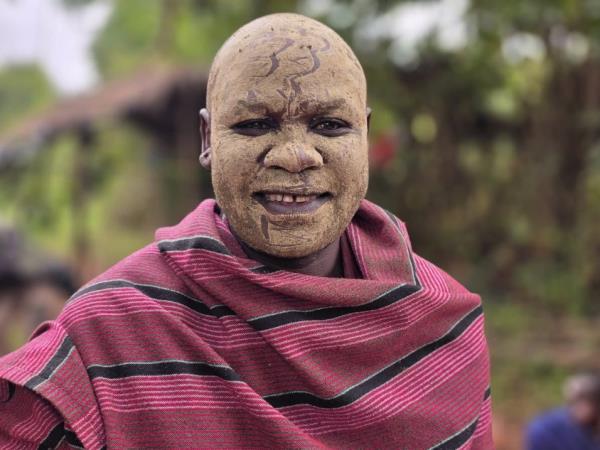
Visits to Hamar, Karo, and Dassanech villages support cultural conservation initiatives, helping communities maintain traditional land stewardship practices.
Data Sharing:
Our teams inform park offices about environmental concerns (trail erosion, water issues, wildlife sightings), providing informal but valuable monitoring data.
People
LOCAL ECONOMYWe prioritize local economic participation throughout the itinerary:
Local Guides: We employ certified local guides in Lalibela, Jinka, Turmi, and Erta Ale.
Craft Markets & Cooperatives: In Lalibela: visits to women’s weaving cooperatives and local handicraft shops. Omo Valley: community markets (Hamar, Karo)
Danakil: Afar salt miners and community souvenir stalls. Village Visits: Entry fees and local guide payments directly support Hamar, Karo, and Dassanech communities. Overall, more than 65% of your trip cost stays within local communities.
EMPLOYMENT, INCLUSIVITY AND DIVERSITY
We intentionally include groups that often face barriers to tourism income: Women’s Cooperatives (Lalibela): Around 20–25 women earn income from weaving, pottery, and coffee ceremonies through our regular visits.
Indigenous Communities (Omo Valley): Payments are made directly to Hamar, Karo, and Dassanech families and village chiefs, supporting communities where poverty rates are high.
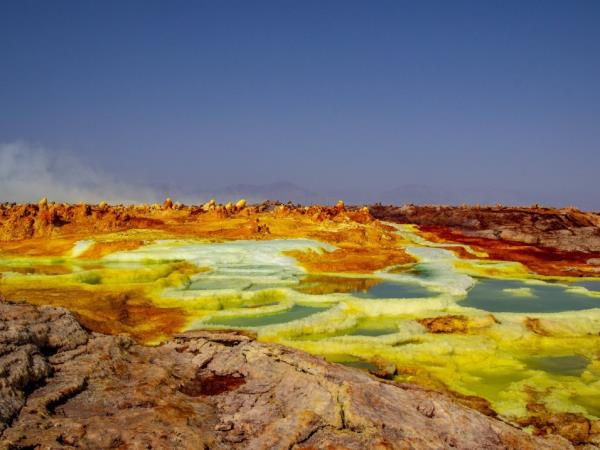
Afar Community (Danakil): We hire Afar drivers, scouts, and camel handlers, offering steady income in a harsh desert region. On average, 10–12 local Afar workers benefit from each tour.
People with Disabilities: In Addis and Lalibela, we partner occasionally with workshops employing artisans with disabilities (e.g., leather and craft production).
Our ground partners follow Ethiopia’s labor guidelines. We ensure: All guides, drivers, cooks, scouts, and support staff receive at least the national minimum wage. For remote-area jobs (Afar and South Omo), we provide above-standard daily rates, recognizing the challenging environment. Tips are 100% given to staff, with no deductions by the company.
Popular similar holidays
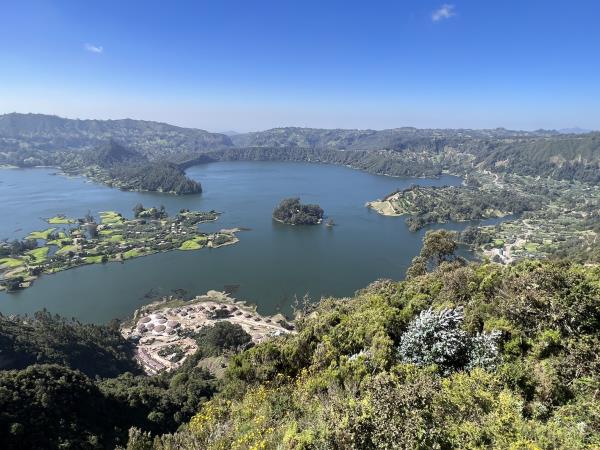
Ethiopia holidays, tailor made
From £3975 14 days excluding flights
Discover the natural beauty and culture of Ethiopia
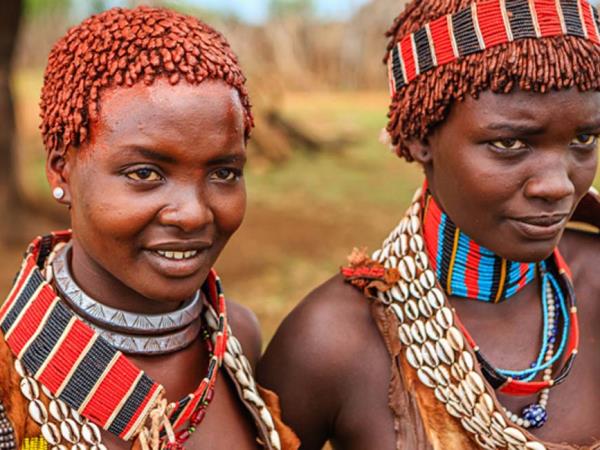
Ethiopia tour, The Best of Ethiopia
From £4199 - £4749 18 days excluding flights
Vibrant tribal cultures and fascinating historic sites
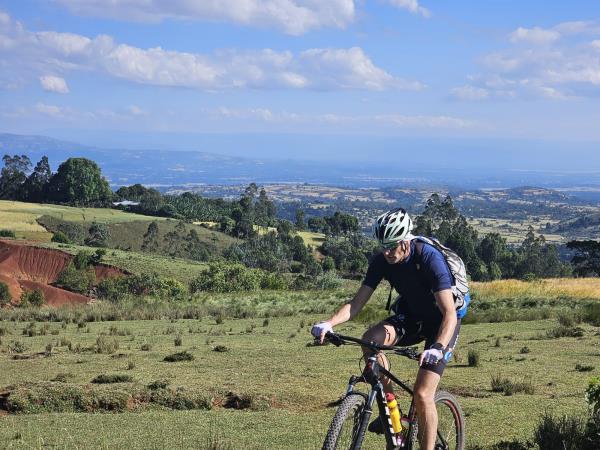
Cycling holiday in Ethiopia
From US $1290 - US $1640 7 days excluding flights
Short break biking in unexplored Gurage area