Kashmir to Kanyakumari railway journey through India
Price
£3000To£5000 excluding flights
Convert currency:


Duration
4 Weeks
Type
Tailor made
More info
Pricing would come to you after final itinerary.
It would be depend on cover the destinations, activities, distance and duration of the tour.
you may ask for all including quote.
It would be depend on cover the destinations, activities, distance and duration of the tour.
you may ask for all including quote.

Description of Kashmir to Kanyakumari railway journey through India
Price information
£3000To£5000 excluding flights
Convert currency:
Pricing would come to you after final itinerary.
It would be depend on cover the destinations, activities, distance and duration of the tour.
you may ask for all including quote.
It would be depend on cover the destinations, activities, distance and duration of the tour.
you may ask for all including quote.
Departure information
This trip can be tailor made throughout the year to suit your requirements
Travel guides
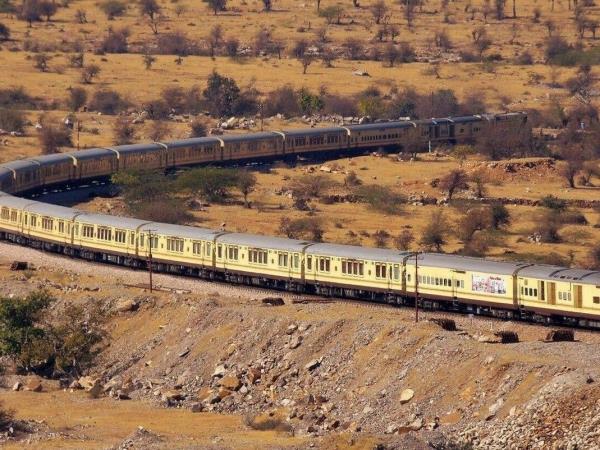
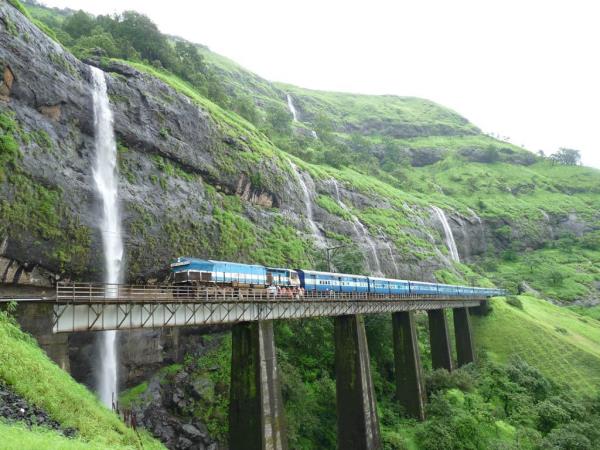
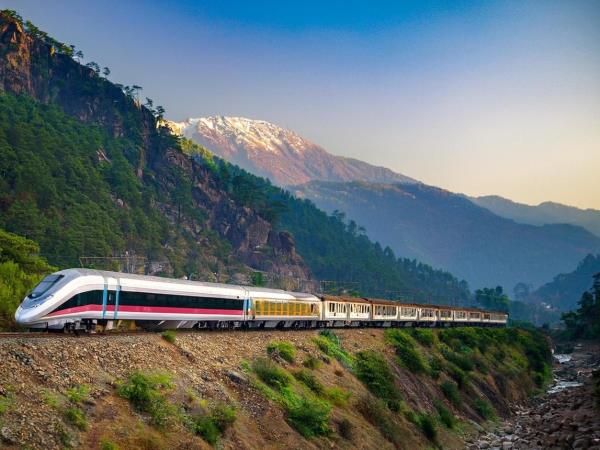
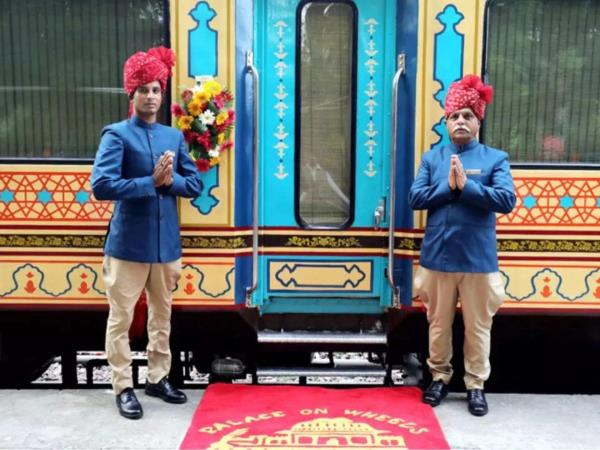
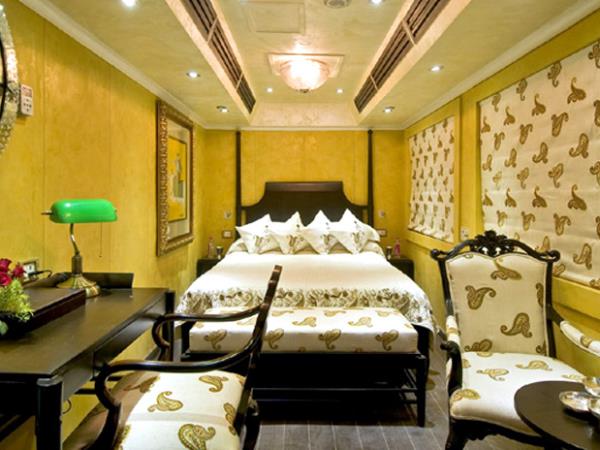
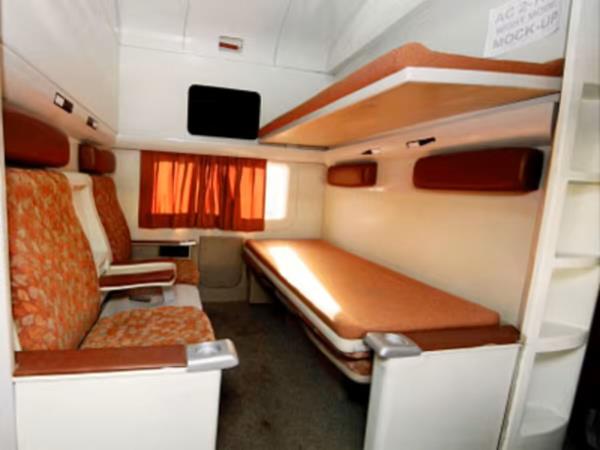
Going by train is a super-satisfying way, not just to get around in India, but to experience the country as you journey.
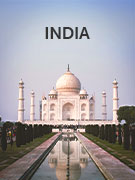
The Golden Triangle is a cultural journey, Kerala’s backwaters invite relaxed travellers, and Ladakh has snow leopards.
Responsible Travel
As the pioneers of responsible tourism, we've screened this (and every) holiday so that you can travel knowing we've worked to maximise the benefits of your holiday to local people and places, and minimise any negative impacts.
Planet
This journey is designed around an extended rail journey across India, allowing travellers to experience the country while travelling between destinations by train rather than using domestic flights for the main overland route.Where rail connections are practical, we use India's extensive railway network between destinations. Local road transfers are arranged where required for sightseeing, accommodation and places that are not directly accessible by train.
The journey also includes opportunities to explore destinations on foot and to experience India's landscapes, villages and waterways at a slower pace.
We encourage travellers to reduce unnecessary single-use plastic, use refillable water bottles where facilities are available, and take care not to leave waste when visiting natural areas and protected landscapes.
Accommodation is selected according to availability, location and suitability for the itinerary. Where appropriate, we use independent hotels, heritage properties, guesthouses and locally operated accommodation.
We aim to provide itinerary information and travel documents digitally where practical, reducing the need for unnecessary printed material.
People
The journey provides opportunities to experience different regions of India and meet people involved in local tourism, food, crafts and guiding.We work with local guides, drivers, accommodation providers and other service providers in the destinations included in the itinerary. Where practical, we use locally operated businesses and independent accommodation rather than relying exclusively on large international chains.
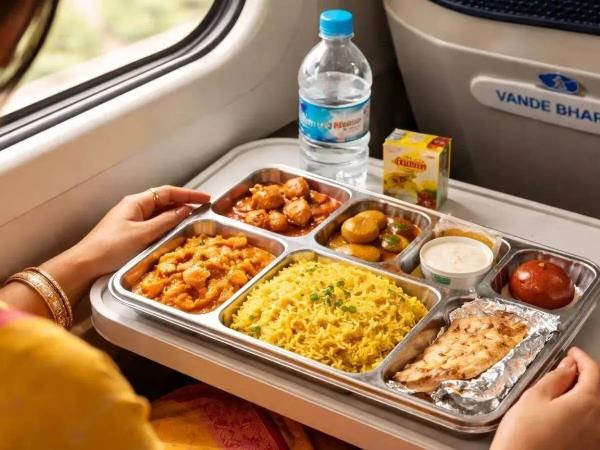
The itinerary includes opportunities to experience local food, traditional crafts, historic communities and everyday life in the different regions visited.
When visiting wildlife reserves and other protected areas, guests are encouraged to follow local regulations and guidance and to respect the environment and communities living around these areas.
We encourage travellers to support local businesses and craftsmen by purchasing locally made products and using local services during their journey.
Popular similar holidays
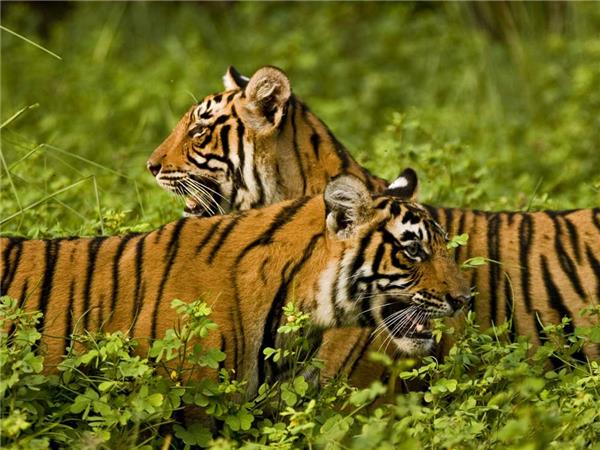
Rajasthan tours by rail, India
From £988 - £1450 15 days excluding flights
Discover the evocative northern province of Rajasthan
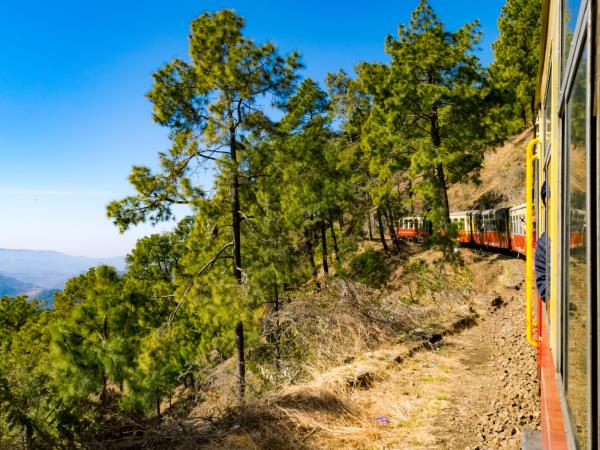
Indian Himalayas tour, toy trains and hill stations
From £3003 15 days including domestic flights only
A train through rural India & hill stations of the Himalayas
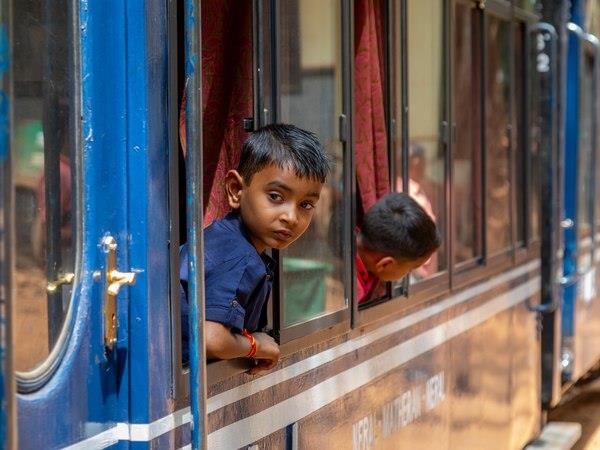
Northern India holiday, by rail and road
From £3003 14 days excluding flights
Rail journey from Punjab plains to Himalayan hills