North East India tour, Assam & Meghalaya
Price
£3240To£3430 excluding flights
Convert currency:


Duration
14 Days
Type
Tailor made
More info
Price per person based on two paying guests on Twin/ Double Sharing.
Offers
Book by 30th Nov 2026 and enjoy £100 per person off plus free Indian visa processing

Description of North East India tour, Assam & Meghalaya
Price information
£3240To£3430 excluding flights
Convert currency:
Price per person based on two paying guests on Twin/ Double Sharing.
Departure information
This trip can be tailor made throughout the year to suit your requirements
Travel guides
There's a fascinating history attached to wildlife tourism in India, of which tiger spotting and forest safarai is just part.

Physically remote and often overlooked, explore the eight states that make up this area.
Responsible Travel
As the pioneers of responsible tourism, we've screened this (and every) holiday so that you can travel knowing we've worked to maximise the benefits of your holiday to local people and places, and minimise any negative impacts.
Planet
On this unique and personalised tour, we will take you on a continuous journey of learning and remembering that nature is a gift that we should respect and cherish. The eastern corner remains untouched by mass tourism and appears still to be a world away from the more well-trodden roads of India.The tour is a unique and rare jewel and is off lesser ecological impact to the planet. It takes you off the beaten track, to the more remote areas of North East India and includes plenty of time in National Parks, natural areas, small villages, cultural and heritage stays, a 3-night stay on a houseboat and activities on the river - offering small group experiences instead of mass-market tourism, cultural immersion instead of on-board entertainment.
As a Tour Operator, we are trying to keep the extra unneeded waste to a minimum in all our tours and leave the smallest footprint possible on all our organised hikes and treks. We have a recycling policy in our UK and local offices and re-use or recycle the information booklets we provide to every client on arrival wherever possible.
* Nature parks:
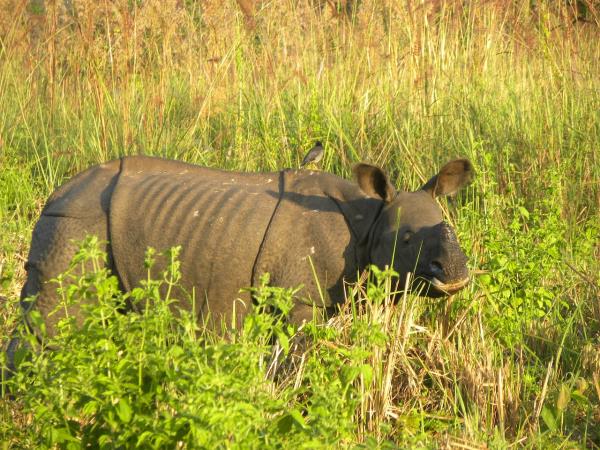
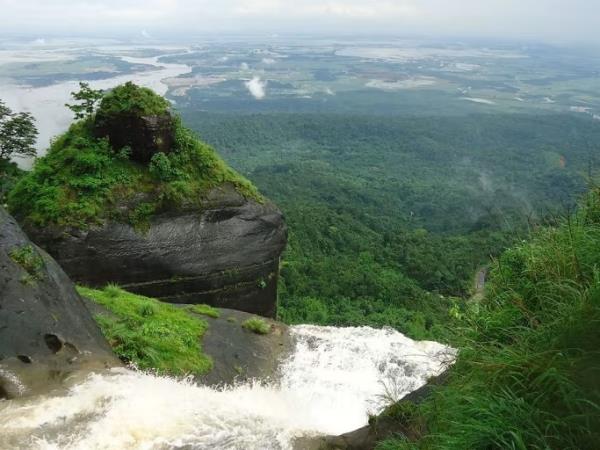
By visiting the region´s parks and treks, you will directly contribute to conserve its native wildlife and natural environment. You will contribute for example to the conservation of the The UNESCO World Heritage Site of Kaziranga National Park. Kaziranga is home to the world's largest populations of the Indian One-horned Rhinoceros, the Asiatic Wild Water Buffalo and Eastern Swamp Deer.The park has also earned the distinction of having one of the world's highest densities of the Royal Bengal Tiger (one per 5 sq km), a prized emblem of India's wilderness. Other mammals include capped langur, hoolock gibbon, tiger, leopard, sloth bear, Ganges dolphin, otter, wild boar, water buffalo, gaur, sambar, hog deer and Barking deer. The reptilian fauna include Assam roofed turtle, water monitor, Indian python, common cobra and king cobra.
The birdlife of the Kaziranga National Park comprises over 400 species. The numerous water bodies within the Park are rich reservoirs of food and thousands of migratory birds, representing over 100 species, visit the Park seasonally from as far afield as Siberia. There is a grey pelican rookery near Kaziranga Village.
Birds of interest include black-necked stork, spotted owlet, intermediate egret, hornbills, greater and lesser adjutant storks, Pallas's fish eagle, grey-headed fish eagle, Bengal florican, swamp partridge, grey peacock-pheasant, green imperial pigeon, silver-breasted broadbill and Jerdon's bushchat.
* Responsible Accommodation:
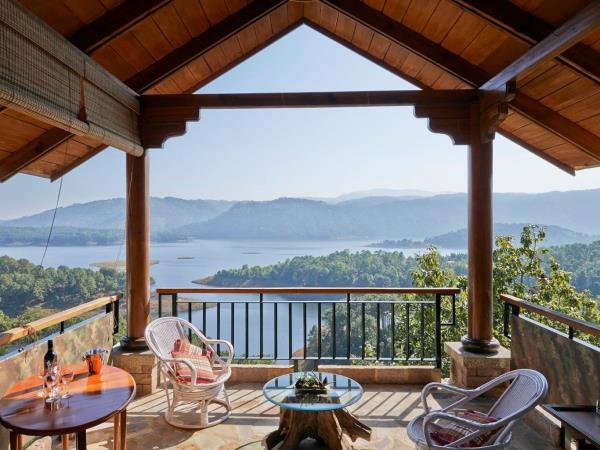
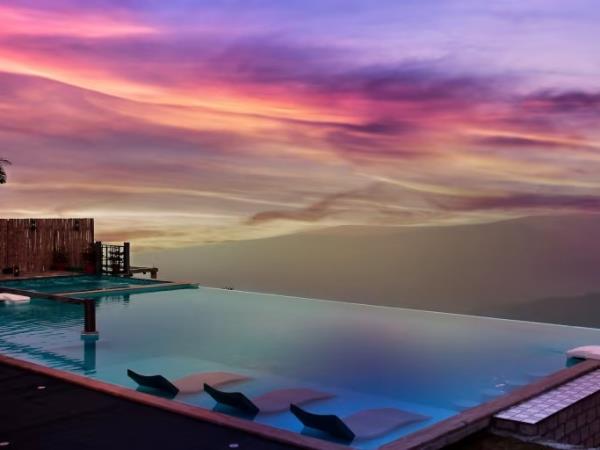
For this tour, we have chosen responsible resorts or small heritage bungalow stays in the midst of nature.
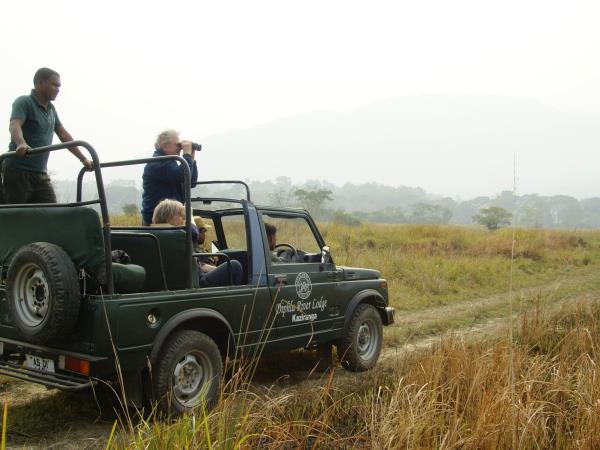
For example the Diphlu Riverlodge, which is a member of Responsible Tourism Society of India and Center for Responsible Travel (CREST) Worldwide:
- With the aim to support education, environment protection efforts and rural community development, a total of 5% of every room booked with Diphlu River Lodge will be contributed to the ABN Foundation to fund these causes in Assam and Bengal.
- At Diphlu River Lodge, they also grow their own organic rice, vegetables and mustard. Guests will be able to see the crops growing within the Lodge premises.- Diphlu River Lodge recycles grey water that drains into the central pond and is used for irrigation. Organic waste is converted to compost.- Minimization of single-use plastics: Around the Lodge, you'll find oxy-biodegradable plastics in waste bins, Kama Ayurveda toiletries bought in bulk and then filled into wooden dispensers, glass water bottles in your cottages and more such examples of finding suitable alternatives for single-use plastics.- Architecture & interior design: Designed to resemble a Mishing (indigenous Assamese tribe) village, the cottages and common areas are built with natural materials like bamboo and wood, and has been purposefully designed to blend seamlessly into its green surroundings. The Lodge has no fencing between its premises and Kaziranga National Park, maintaining the animal corridor.
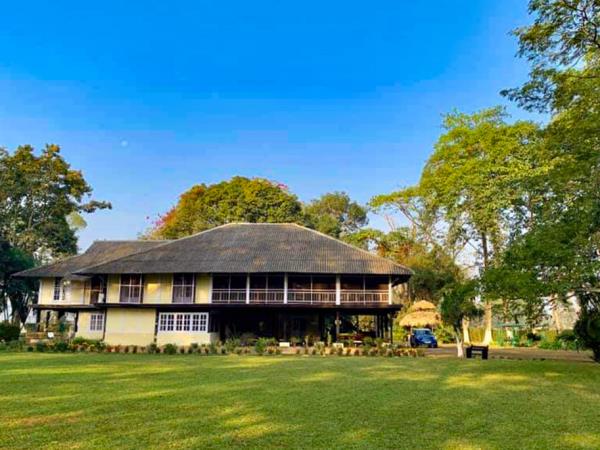
- Or we take you to The Mancotta Tea Estate set in the outskirts of Dibrugarh, in Upper Assam. This iconic bungalow is built on stilts and showcases the colonial tea bungalow architecture to perfection. These structures, supported by stilts, are called "chang ghars" in the local dialect and the present day name of the "Mancotta Chang Bungalow" is derived thus. This bungalow in particular has a unique and rather interesting feature of not having used any iron nail in its flooring. All the nails are made out of wood and are believed to have been handcrafted by traditional Chinese artisans.
* Cultural preservation:
You will contribute to the preservation of ancient sites for example by visiting the town of Guwahati, on the bank of Brahmaputra River. This ancient town exists since the pre-historical era and used to be an important seat of tantra and Vajrayana Buddhism. Guwahati has been a part of the state from the time immemorial and traces of the city are often found in Puranas or ancient epics. Mahabharata talks about Guwahati as the capital of Bhagadatta and Kamakhya. And it was referred to as "Pragjyotishpura", which means city of eastern light. Interesting ruins evoke a glorious past and many ancient temples scattered all over the city have brought it a title and it is also famous as the "The City of Temples."
You will also visit Majuli, the largest freshwater river island in The world, which is contesting for a position in the "World Heritage list". Majuli is an environment friendly, pollution free fresh water island nestled in the mighty River Brahmaputra. Total area of the island is 1250 sq km. Majuli is a geographical landscape of natural and cultural heritage site, with water bodies covering most of the areas which attracts plenty of local and migratory birds. About twenty six Satras or the cultural house of power are in Majuli of which the Kamalabari, Auniati and Garmur are worth mentioning. These Satras are propagating the religious ideology of great Assamese medieval Vaisnavite saint Sankardav and Madhavdav, preaching satria culture.
* River Cruise & Slow Life:
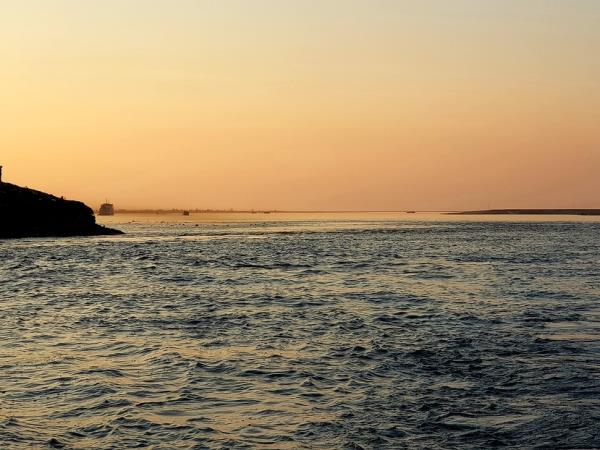
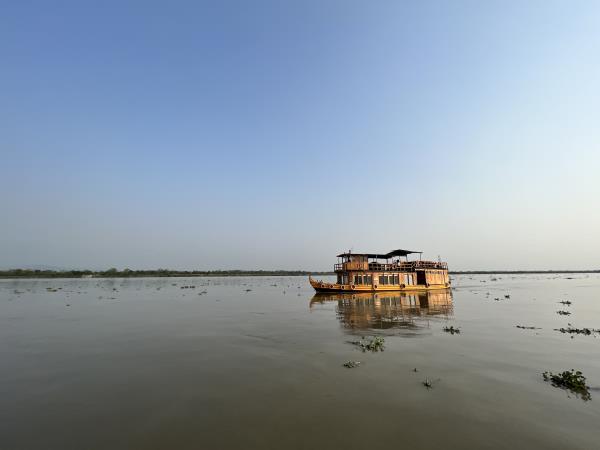
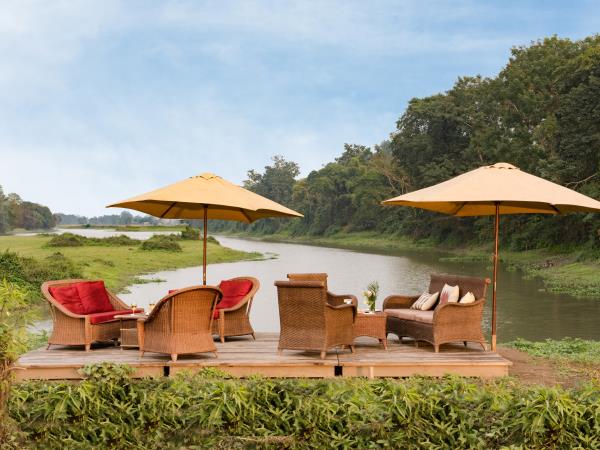
A highlight of this Trip is certainly the Lahé river cruise and your stay on your "Rudra Singha" Houseboat - the "lahé life" represents a slower, more conscious way of living, of travelling. The cruises are designed for 1-5 persons and the itineraries reflect a sense of deliberate slowness, enabling guests to cruise gently, and keenly absorb the beauty of Assam.
The décor is thoughtful yet tasteful, adorned with exquisite handlooms from Northeast India and furniture made by local craftsmen. There are also two bicycles on board for guests to use on shore whenever they fancy a ride.
From dancing monks to one-horned rhinos, colonial vestiges to terracotta temples, remote villages to bustling cities, travelling by boat opens up a treasure trove of history, culture, wildlife and religion.
People
- We only work with local Indian guides that come from the very region you are visiting, giving back to their families and communities.- By staying at the Diphlu River Lodge, you contribute to a resort that cares about local people and their surrounding villages. Most of the staff at Diphlu River Lodge are from villages in and around Kaziranga National Park and the remaining few are from other parts of Northeast India. It has been their company policy since inception to handpick staff from nearby villages and offer them with hospitality and English language skills training before officially joining the team. Their friendly, gentle natures are undoubtedly the Lodge's biggest asset.
Also, its in-house team of women and men weavers from neighbouring villages are responsible for all the woven objects of the Lodge, like the wall hangings, cushion covers, bed runners and more. The Lodge is also adorned with unique artefacts liked wood-carved pangolins and rain jackets woven from thatch from other states in Northeast India.
- The safari guides we work with are well-trained naturalists that accompany you on visits to the park. They will help you in spotting and identifying the park's varied species of wildlife and birds. Most of the naturalists come from the villages near Kaziranga and, thus, possess a deep knowledge of the park's ecosystem.
- This tour includes plenty of authentic local experiences. We bring you to the people of the region, for example through a lunch organised in a local family house or we will take you to see and learn about the different cultural activities including mask making, boat making, traditional fishing, pottery, weaving and bamboo craft.
The mask making is one of the most famous traditional crafts still practiced in Majuli. It is mainly practiced by the Sattras or the religious institutes. Natun Chamaguri Sattra has worldwide acclaim in making exquisite masks. It has been practiced by the disciples here for centuries. Traditionally, masks were used for religious dance and drama but presently the masks are made both for religious as well as commercial purposes. This art is practiced by a few Sattras like Uttar Kamalabari and Chamaguri. In most of the Sattras at Majuli this art is not practiced at large scale, only those Bhakats who are inclined towards mask making have continued the tradition. Masks are used for religious performances and traditional dramas. Mainly materials like bamboo and cane, cloth, clay and rock color etc. are used for making masks.
- A unique people and culture you will help preserve with your tour, is the Namphake ethnic Village. It is the largest of the Tai-Phakial villages in Assam, boasting of 70 odd families, who trace their ancestry to the great Tai race. The village folk speak a dialect similar to the language in Thailand and still follow the traditional customs and dress code of the great Tai race. The hamlet is also home to the Namphake Buddhist Monastery, one of the oldest and most respected Buddhist Monasteries in Assam. The villagers are Buddhist in religion and have a distinctive script. The monastery has a few well-preserved manuscripts of their religious scriptures written in Tai-scripts.
- We also bring you to a unique island of cultural and political value - Majuli - the largest river delta island separated from mainland Assam by the massive Brahmaputra River. During 16th century A.D., concomitant with the renaissance period, that changed the face of the world, a similar resurgence in socio-cultural dimension by the great Vaisnava Saint Sankardeva had brought in the ideas of democratic social values, unification of diverse ethnic groups with verdant spiritualism which founded the basic fabric of a casteless social structure, the Assamese Society.
It created a system of social governance and community living, which is a unique example of unity in diversity. In addition to that, Majuli is also enriched by the vibrant multicoloured culture of its ethnic inhabitants belonging to the Mishings, the Deoris, the Sonowal Kacharis, the Ahoms and the Nepali Communities.
Popular similar holidays
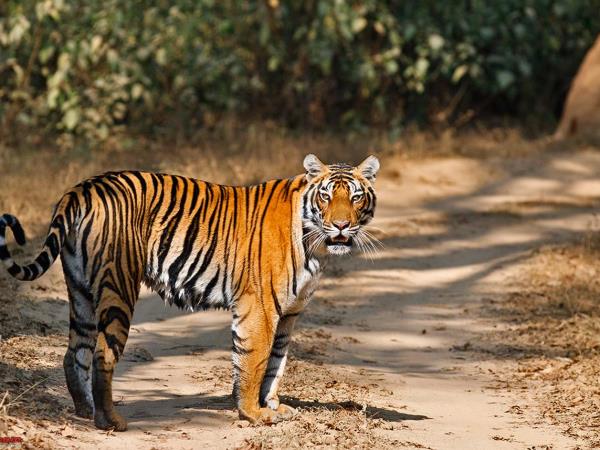
Golden Triangle with Ranthambore tour, India
From £1424 - £1570 10 days excluding flights
India´s best experiences including the Taj Mahal & Tigers
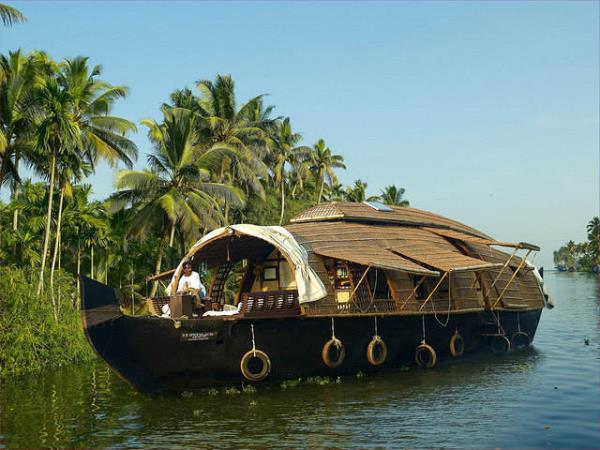
Kerala tailor made holiday, 11 days
From £1285 - £1602 11 days excluding flights
Revitalize in Kerala - A most wonderful and balanced trip
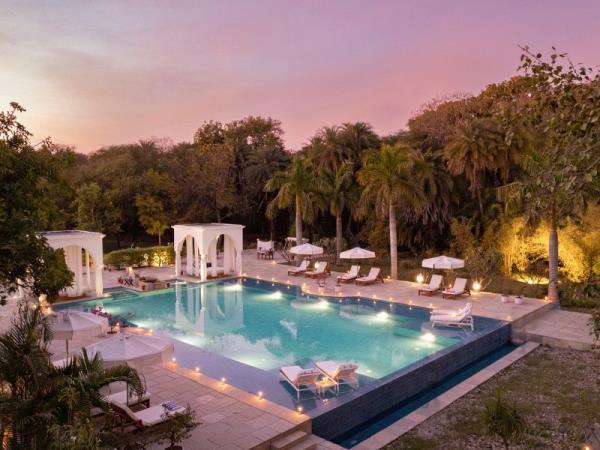
Rajasthan luxury private tour, regal residences
From £6500 - £7900 16 days excluding flights
Luxury holiday to India staying in heritage properties