Malawi safari and lake adventure holiday
Price
£4380 excluding flights
Convert currency:


Duration
13 Days
Type
Tailor made
More info
Price is based on two people sharing, excluding international flights.

Description of Malawi safari and lake adventure holiday
Price information
£4380 excluding flights
Convert currency:
Price is based on two people sharing, excluding international flights.
Departure information
This trip can be tailor made throughout the year to suit your requirements
Travel guides

Safari and beach holidays combine exhilarating wildlife spotting with time to unwind.
Overlooked in favour of Zambia and Botswana, Malawi has wonderful wildlife parks, including Nyika and Liwonde.
Responsible Travel
As the pioneers of responsible tourism, we've screened this (and every) holiday so that you can travel knowing we've worked to maximise the benefits of your holiday to local people and places, and minimise any negative impacts.
Planet
CARBON REDUCTIONThis trip has been deliberately designed to minimise operational carbon emissions wherever possible without compromising the all-important experiences that define this itinerary. Travel begins in Blantyre, with guests meeting their guide on arrival and transferring overland to Majete Wildlife Reserve — a journey that avoids short internal flights at this stage, reducing fuel use and providing an immediate connection with the Malawian landscape. Shared transfers are used throughout to avoid unnecessary private vehicle emissions, and where light aircraft charters might be chosen to reach more remote runways, clients are fully briefed on the reasons for these and the practical alternatives.
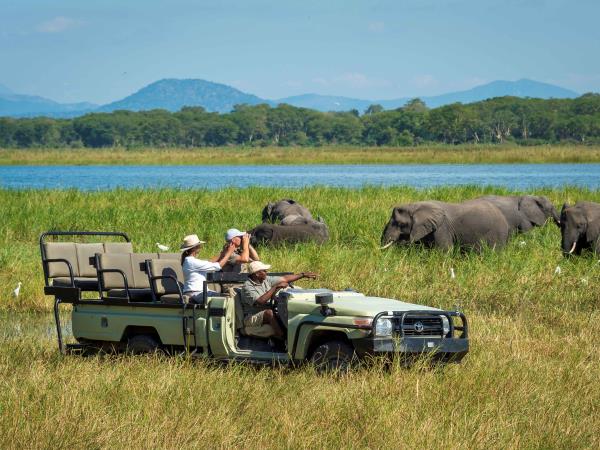
Exploration within Majete relies primarily on traditional safari vehicles that are operated efficiently by local guides, who plan drives to make the most of sightings without excessive engine running time. Walking safaris and guided nature walks are integrated into the schedule, encouraging guests to experience the reserve on foot for periods of the day. This not only reduces reliance on vehicles but also gives visitors a deeper appreciation of the smaller flora, fauna and ecological systems that are part of Majete’s recovery story.
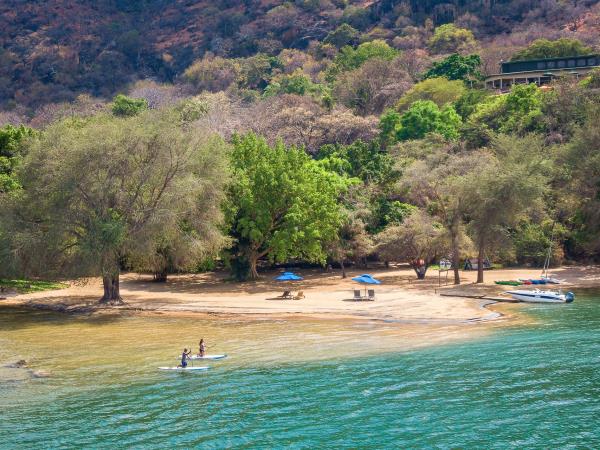
In Lake Malawi’s southern reaches, activities such as swimming, snorkelling, walking village trails and cycling are encouraged where conditions allow. These low-impact, human-powered activities reduce fuel use and invite guests to engage directly with the environment. Many of the water-based activities on Lake Malawi, such as snorkelling among freshwater cichlids or kayaking along quieter shores, require no motorised support at all.
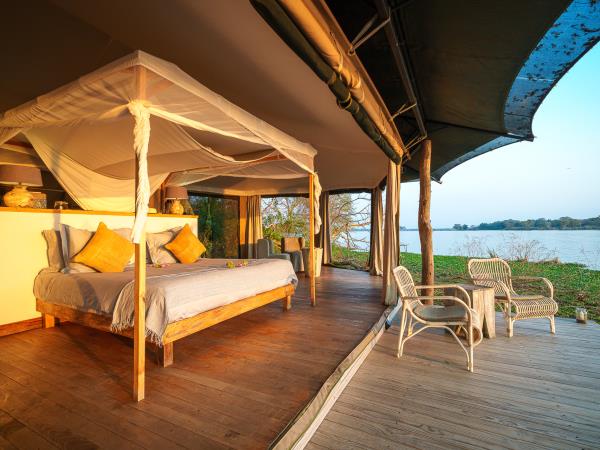
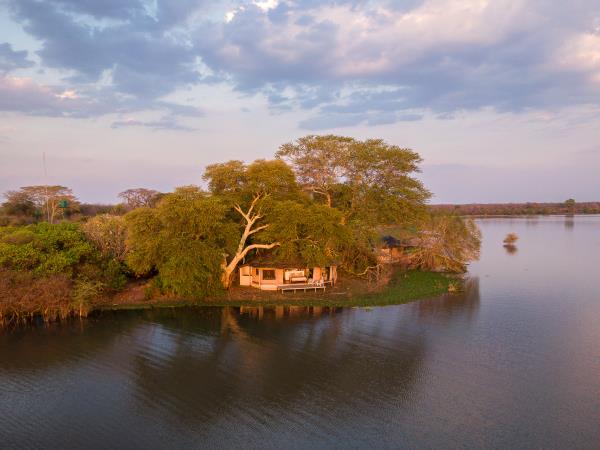
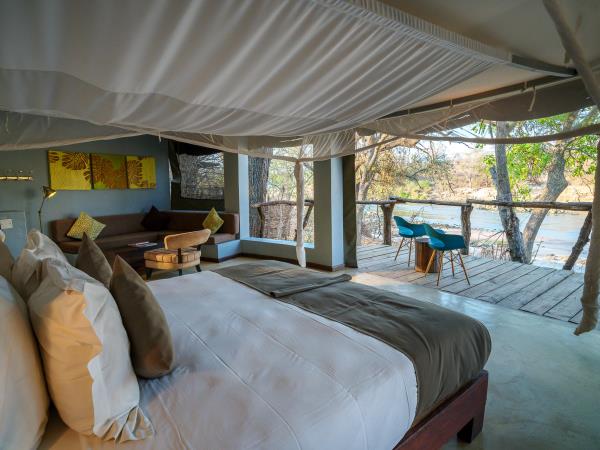
Accommodation partners on this itinerary are carefully selected boutique lodges and hotels rather than large resort chains, which typically operate at a lower energy and water footprint. Guests are informed about in-room practices such as towel and linen reuse, responsible disposal of waste and use of refill water stations where available. Communal dining features regional produce from nearby farms and markets, meaning food miles are reduced and visitors are offered fresh, locally sourced meals. Vegetarian and vegan options are available each day, reflecting the natural strengths of Malawian and regional cuisines.
Pre-departure guidance is provided to clients on how to reduce their carbon impact, including the benefits of travelling light, using refillable water bottles to reduce single-use plastics and making low-impact choices during activities. While true carbon measurement is beyond the scope of this itinerary, these practical steps are all part of encouraging responsible behaviour and reducing unnecessary emissions where the holiday structure allows.
ENVIRONMENT AND WILDLIFE
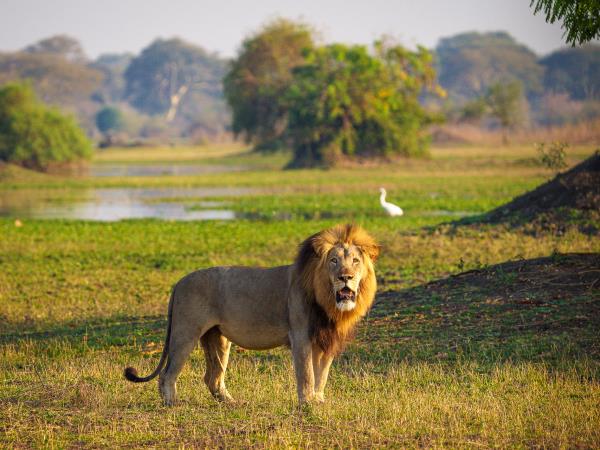
Majete Wildlife Reserve is one of Africa’s conservation success stories, and this itinerary has been created to ensure guests engage with that environment in ways that support its ongoing protection and ecological recovery. The reserve was restored through the collaborative management of African Parks, which has seen the reintroduction of key species across 70,000 hectares, including lion, leopard, elephant, black rhino and a range of antelope species. By visiting Majete as part of this trip, travellers contribute to the park’s sustainability through entry and safari fees, which help fund rangers, habitat protection and management infrastructure.
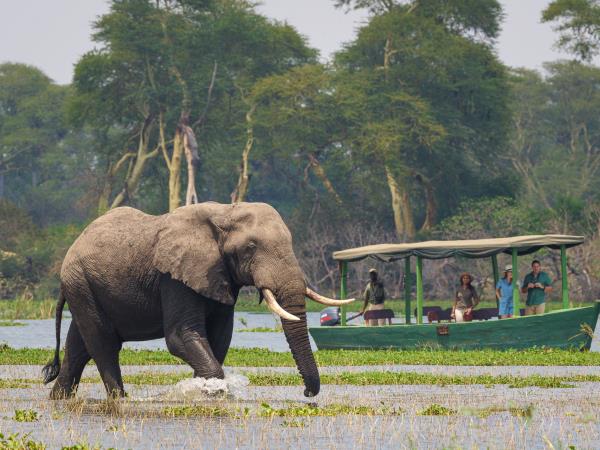
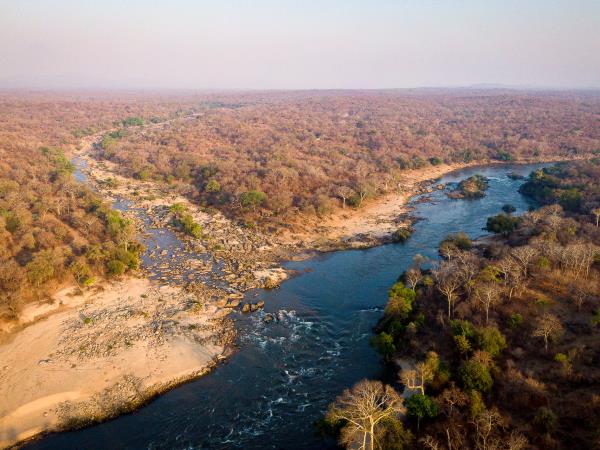
Game drives, guided bush walks and river excursions on the Shire are all led by experienced local guides who are licensed and trained in responsible wildlife viewing practices. These guides prioritise minimal disturbance to animals, enforcing strict protocols such as keeping safe distances, avoiding feeding or interaction with wildlife, and staying on established tracks. This approach prevents unintended stress or habituation among animals and aligns guest experience with wildlife welfare.
At Lake Malawi, environmental respect remains a core principle. The lake is a globally significant freshwater ecosystem and home to extraordinary biodiversity, especially its famed cichlid populations. Activities such as snorkelling, swimming and stand-up paddleboarding are undertaken in ways that avoid harming aquatic flora and fauna. Guides brief guests on avoiding contact with sensitive habitats, and remain vigilant to ensure that water-based activities leave no trace.
Accommodation partners participating in the itinerary are asked about basic environmental practices such as waste management, water conservation, and efforts to reduce plastic use. While these properties vary in scale and capabilities, many promote responsible waste disposal, separation of recyclable materials and provision of filtered water refill stations. Where opportunities exist, lodges collaborate with local communities on simple habitat enhancement projects, such as native planting around their grounds or maintaining small gardens that support local insects and birdlife.
Guests receive detailed advice on responsible behaviour both in Majete and at Lake Malawi, including how to minimise disturbance to wildlife, reduce noise pollution, avoid littering and prevent the spread of invasive species by cleaning footwear and gear between excursions. Optional contributions to local conservation initiatives are offered when available, supporting NGOs and community projects working on habitat protection, species monitoring and environmental education.
This section of the trip is built around appreciation and respect for nature, recognising that travel impacts can be reduced and managed without compromising the richness of wildlife encounters or the ecological integrity of these extraordinary environments.
People
LOCAL ECONOMYSupporting the local economy of Malawi is a key priority for this itinerary, with a strong focus on channelling tourism revenue directly to Malawians, local businesses and community ventures. The majority of the accommodation included in this trip is locally owned or operated, such as the highly regarded lodges in Majete Wildlife Reserve and beachfront properties near Lake Malawi. These partnerships ensure that tourism spend stays within Malawian communities rather than being filtered out to large international chains.
Guides, drivers and operations staff are recruited locally, often from areas around the destinations visited. Their employment supports professional livelihoods, and their insights and deep local knowledge enrich the guest experience. City and safari guides employ a nuanced understanding of wildlife patterns, cultural context and natural history, and their presence means economic benefits are felt directly by Malawians whose work underpins the quality of service on this itinerary.
Visits to nearby villages around the lake and reserve allow travellers to connect with everyday life in Malawi. These interactions are arranged respectfully and in partnership with community representatives, providing supplemental income for village guides, artisans and small-business owners. Guests are encouraged to purchase crafts directly from makers, supporting cottage industries and helping sustain traditional skills.
Dining experiences throughout the trip prioritise locally owned restaurants and kitchens sourcing produce from nearby farms and markets. This ethos ensures that food-related spend circulates within local supply chains, supporting farmers, fishers and small-scale food producers.
This trip has also been designed to support tourism enterprises that deliver wider community benefit, such as village-run markets, cultural performances and guided walks that showcase traditional uses of local plants and medicinal knowledge. These experiences foster mutual respect and understanding while ensuring that tourism adds tangible economic value to communities outside of the main lodges and hotels.
EMPLOYMENT, INCLUSIVITY AND DIVERSITY
Employment and inclusivity are integral to this itinerary’s approach to responsible tourism. Nearly all members of the operational team, including guides, drivers, lodge staff and activity coordinators, are Malawian nationals. Many are drawn from the regions visited, such as around Majete or the Lake Malawi basin, and their employment provides valuable economic stability and career progression opportunities.
Partners confirm that staff are paid at or above Malawi’s legal minimum wage and have access to ongoing professional development. Training covers guiding skills, wildlife interpretation, hospitality service standards and responsible tourism practices. This investment in people ensures high-quality experiences for guests while fostering skills that sustain the local tourism workforce over the long term.
Efforts are also made to enhance gender inclusivity within the teams. Women occupy varied roles across accommodation, guiding and administration, and recruitment emphasises equal opportunity regardless of gender, ethnicity or background. Although gender balance in safari guiding roles remains a challenge across much of Africa, deliberate support for women’s participation is an ongoing focus for many local partners involved in this itinerary.
The trip is LGBTQ+ friendly and staff at all participating accommodation and activity providers welcome travellers of all identities without discrimination. Pre-departure guidance includes information on local cultural norms and respectful engagement, so guests can feel confident and comfortable throughout their visit.
For guests with limited mobility, hearing or visual challenges, elements of the itinerary can be adapted in consultation with operations partners. While some game drives and lakeside activities may involve uneven terrain, bespoke adjustments, such as modified pacing, alternative viewpoints, or assistance where feasible, can be arranged prior to travel to ensure as inclusive an experience as possible.
By embedding fair employment, diversity, respectful engagement and accessibility into the structure of this trip, the Majete Safari and Lake Malawi Adventure contributes to a tourism model that benefits people and communities as much as it delights travellers.
Popular similar holidays
Malawi tailor made safari
From £3499 10 days excluding flights
Wildlife and waters of Africa’s best kept safari secret
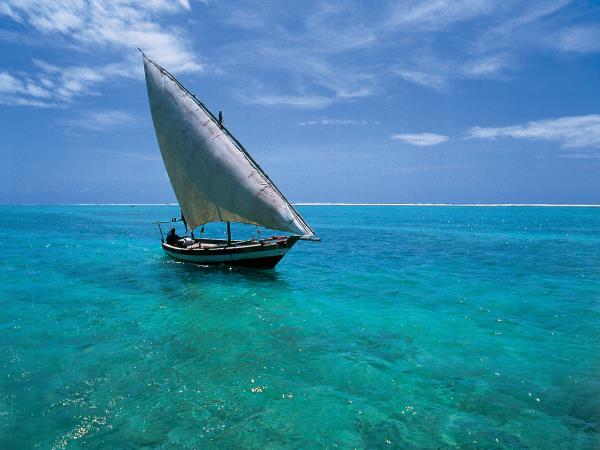
Safari adventure holiday, Zambia, Malawi and Mozambique
From €3150 - €3320 22 days excluding flights
Camping safari along South Eastern Africa's trade route
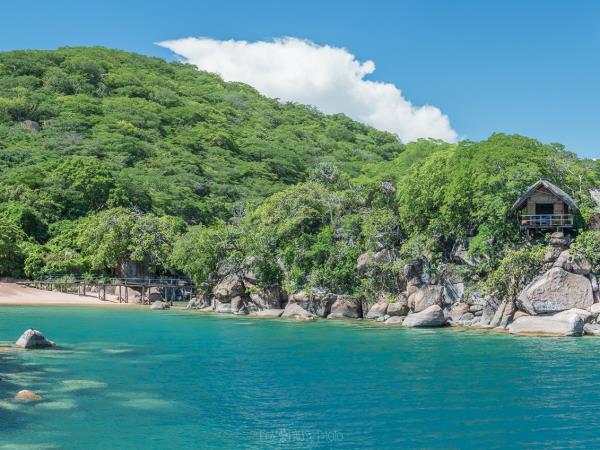
Malawi wildlife and nature tour
From £3905 12 days excluding flights
Safari, Scuba and tea in Southern Malawi