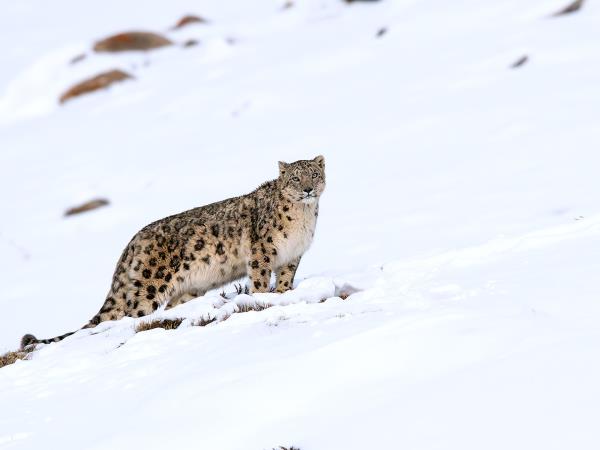
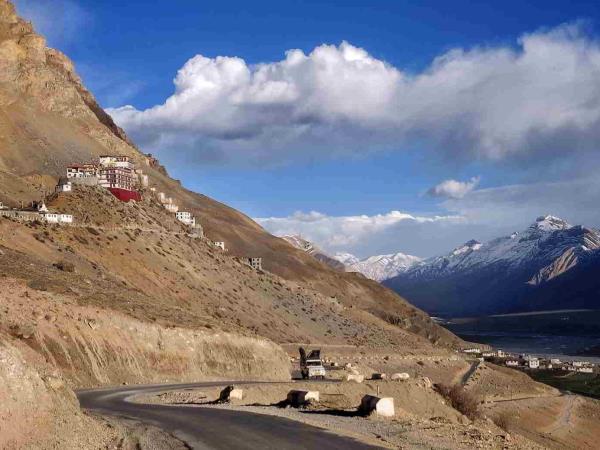
Snow leopard tracking holiday, Spiti Valley
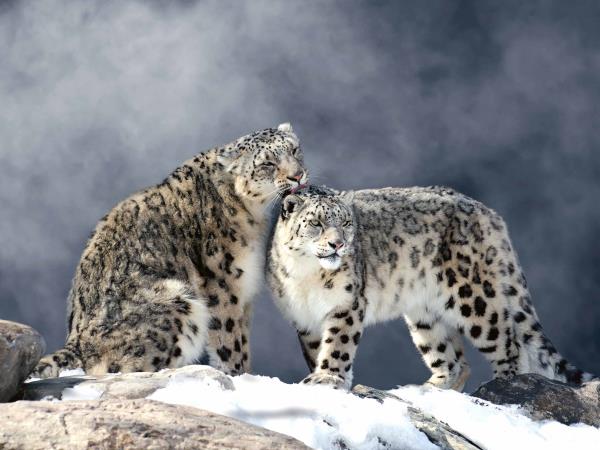
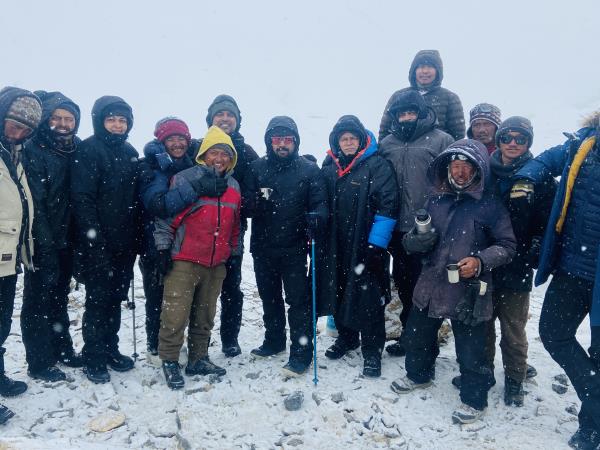
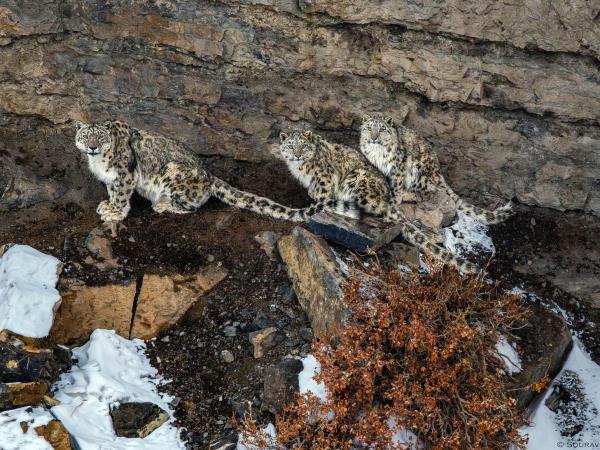
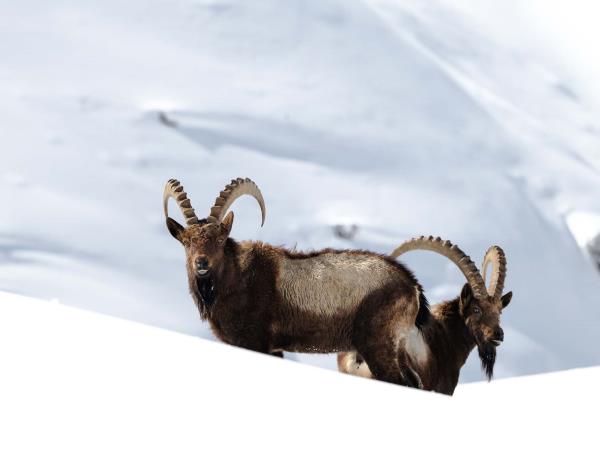


Price
Rupee 260000 excluding flights
Convert currency:


Duration
11 Days
Type
Small group
More info
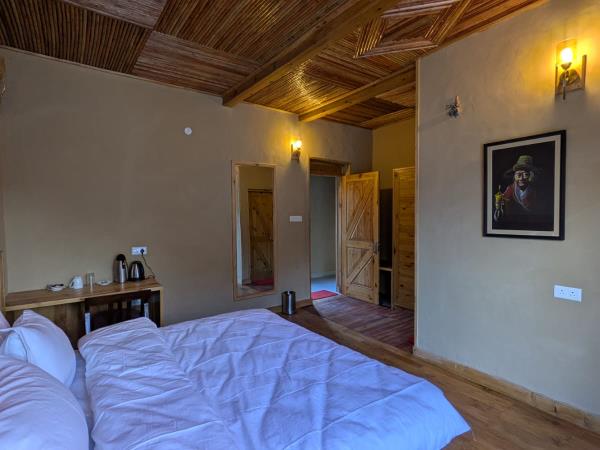
Accommodation, all meals, 7 full days leopard tracking, personal helper, specialist expedition leader, team of trackers and local guides, permits, transportation in SUV cars, spotting scopes, backup oxygen cylinder.
Tour can be customised.
Tour can be customised.

Description of Snow leopard tracking holiday, Spiti Valley
Price information
Rupee 260000 excluding flights
Convert currency:
Accommodation, all meals, 7 full days leopard tracking, personal helper, specialist expedition leader, team of trackers and local guides, permits, transportation in SUV cars, spotting scopes, backup oxygen cylinder.
Tour can be customised.
Tour can be customised.
Check dates, prices & availability

Travel guides
There's a fascinating history attached to wildlife tourism in India, of which tiger spotting and forest safarai is just part.
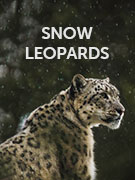
What a trip to see these incredible, elusive animals involves, and when to go to see them.
Responsible Travel
As the pioneers of responsible tourism, we've screened this (and every) holiday so that you can travel knowing we've worked to maximise the benefits of your holiday to local people and places, and minimise any negative impacts.
Planet
• Small group size ensures minimal environmental footprintTravelling in small, carefully managed groups significantly reduces pressure on the fragile high-altitude environment. Fewer vehicles, lower resource consumption, and quieter field presence allow wildlife to behave naturally while preserving the integrity of the landscape.
• Carefully planned logistics to reduce disturbance in fragile habitats
All movements within the region are thoughtfully coordinated using inputs from local trackers and conservation guidelines. Routes, timings, and observation points are selected to minimise disruption to wildlife movement and sensitive habitats, ensuring a low-impact presence in the mountains.
• Responsible travel practices followed throughout the expedition
From waste management to mindful use of resources, the expedition follows strict sustainable practices. Guests are encouraged to travel consciously, respect local customs, and minimise their environmental footprint throughout the journey.
• Presence of tourism supports long-term protection of snow leopard habitat in Kibber Wildlife Sanctuary
Well-managed wildlife tourism creates economic value for conservation. By bringing global attention and sustainable income to the region, it strengthens the case for preserving critical snow leopard habitats and discourages environmentally harmful activities.
• Encourages conservation by creating value for wildlife among local communities
Local communities play a vital role in the success of conservation efforts. By providing employment as trackers, guides, and hospitality providers, the expedition helps create a direct link between wildlife conservation and community well-being, fostering long-term stewardship of the land.
• Strict adherence to wildlife viewing ethics—no disturbance, no chasing
All sightings are conducted with the highest ethical standards. Maintaining safe distances, avoiding any form of interference, and prioritising animal welfare ensures that wildlife remains undisturbed in its natural behaviour.
• Guests gain deeper understanding of high-altitude ecosystems
Through expert guidance and immersive field experiences, guests develop a meaningful appreciation of the delicate balance that sustains life in extreme Himalayan conditions, from predator-prey dynamics to seasonal adaptations.
• Encourages advocacy for snow leopard conservation globally
The experience often inspires guests to become ambassadors for conservation. By witnessing these landscapes firsthand, they are more likely to support and advocate for the protection of snow leopards and their habitat on a global scale.
• Use of local homestays and lodges reduces environmental impact
Staying in locally owned accommodations reduces the need for large-scale infrastructure while directly benefiting the community. These smaller establishments operate in harmony with the environment and offer an authentic, low-impact way to experience life in the high Himalaya.
People
• This expedition supports community-based wildlife conservation in the villages around Kibber Wildlife SanctuaryThe success of snow leopard conservation in this region is deeply rooted in community participation. This expedition actively supports conservation models where local villages play a central role in protecting wildlife and preserving their natural surroundings. By integrating tourism with conservation, the program helps ensure that protecting the snow leopard and its habitat becomes a shared priority.
• Local trackers, porters, and homestay owners benefit directly from tourism, creating strong incentives to protect wildlife
A significant portion of the expedition relies on the knowledge and skills of local people—expert trackers who read the mountains, porters who assist in the field, and homestay owners who host guests. Tourism provides them with meaningful income, directly linking their livelihoods to the presence of wildlife. As a result, snow leopards are no longer seen as a threat, but as a valuable asset worth protecting.
• Generates sustainable livelihoods in remote Himalayan villages
In a region where economic opportunities are limited, responsible tourism creates a steady and sustainable source of income during the harsh winter months. This reduces dependence on traditional practices that may strain natural resources and instead promotes long-term, conservation-friendly livelihoods that benefit both people and the ecosystem.
Popular similar holidays
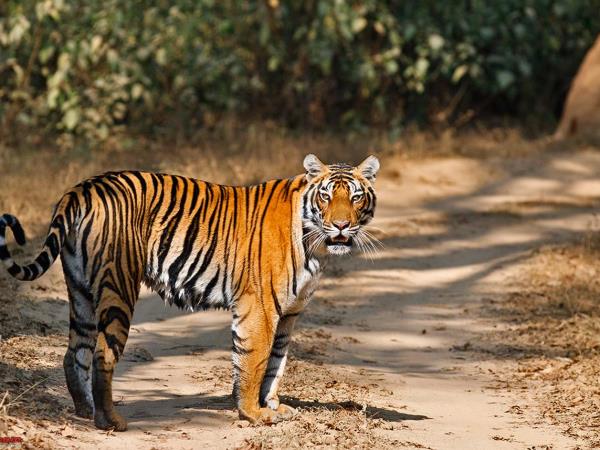
Golden Triangle with Ranthambore tour, India
From £1424 - £1570 10 days excluding flights
India´s best experiences including the Taj Mahal & Tigers
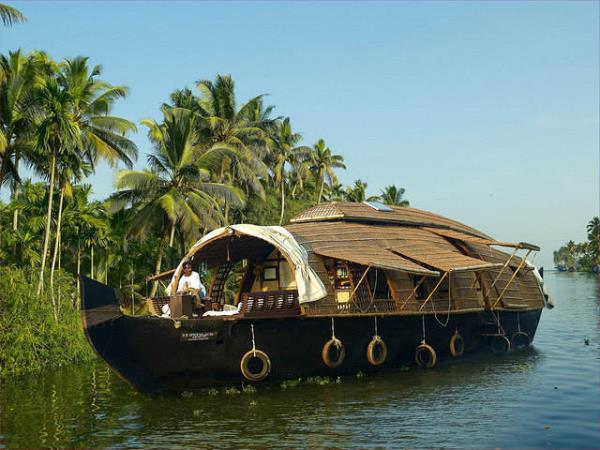
Kerala tailor made holiday, 11 days
From £1285 - £1602 11 days excluding flights
Revitalize in Kerala - A most wonderful and balanced trip

Rajasthan luxury private tour, regal residences
From £6500 - £7900 16 days excluding flights
Luxury holiday to India staying in heritage properties