Mauritania guided desert adventure
Price
£2750excluding flights
Duration
9 Days
Type
Small group

Description of Mauritania guided desert adventure
Price information
£2750excluding flights
Check dates, prices & availability

Travel guides
Adventurers and lovers of wild open spaces will be in their element in Mauritania.
Responsible Travel was built out of a love of solo travel, and we want to share the joy of it with you.
Holiday information
Diet:
We can cater for vegetarians on this holiday. Sadly we cannot offer vegan food.
Responsible Travel
As the pioneers of responsible tourism, we've screened this (and every) holiday so that you can travel knowing we've worked to maximise the benefits of your holiday to local people and places, and minimise any negative impacts.
Planet
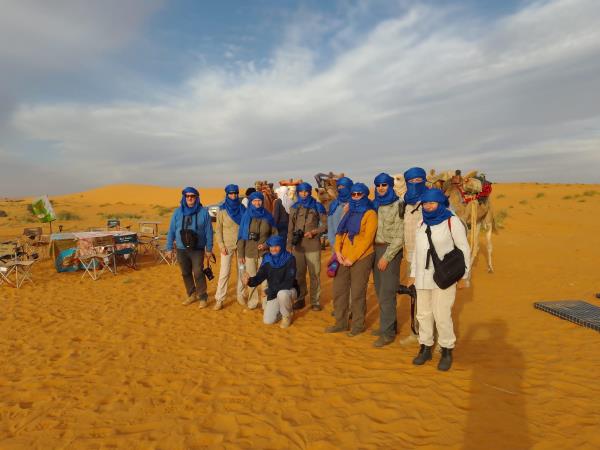
CARBON REDUCTIONHuman powered transport forms a meaningful part of the experience. Guided walking tours take place in Chinguetti and Ouadane, and a one hour camel trek through the dunes is included on Day 4. These activities have a negligible carbon footprint while deepening engagement with the landscape and local culture.
Efforts have been made to minimise flying within the destination. This itinerary involves no internal flights at all, with all travel undertaken overland by shared vehicle. By avoiding domestic air travel and following a logical route through the Adrar region, the trip reduces emissions associated with short haul flights while also limiting unnecessary backtracking.
Shared local transport is used throughout the journey, with travellers moving together in a single vehicle rather than multiple cars. This significantly reduces CO2 emissions per person compared to independent travel and supports a more efficient use of fuel in a remote environment where transport options are limited.
Accommodation is deliberately small scale and locally owned, including desert camps, traditional guesthouses, and family run oasis homes. These properties have low energy demands, rely largely on natural ventilation rather than air conditioning, and use solar lighting or generators sparingly, particularly in desert camps where energy use is kept to an absolute minimum.
Meals are predominantly prepared using locally sourced and seasonal ingredients, especially in oases and nomadic households where food supply chains are short and food waste is naturally limited. Vegetarian options can be accommodated with advance notice, and meals are generally low in meat consumption due to local availability, which further reduces the carbon footprint of food.
Travellers are provided with guidance prior to departure on reducing the carbon impacts of their holiday, including advice on packing light, minimising single use plastics, and using airline tools such as Google Flights or Skyscanner to understand and compare flight emissions when booking international flights independently.
ENVIRONMENT AND WILDLIFE
Accommodation partners on this itinerary are selected for their low impact practices in fragile desert and oasis environments. Guesthouses and camps typically avoid plastic where possible, limit waste through reuse and careful provisioning, and rely on traditional building materials that are well suited to the climate, reducing the need for energy intensive cooling. Water use is naturally restricted in desert locations, with oases such as Mherith, Intkemkemt, and Terjit managed carefully to protect natural springs and pools.
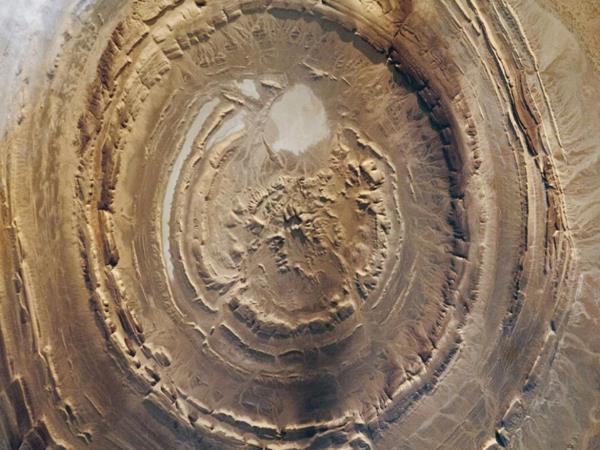
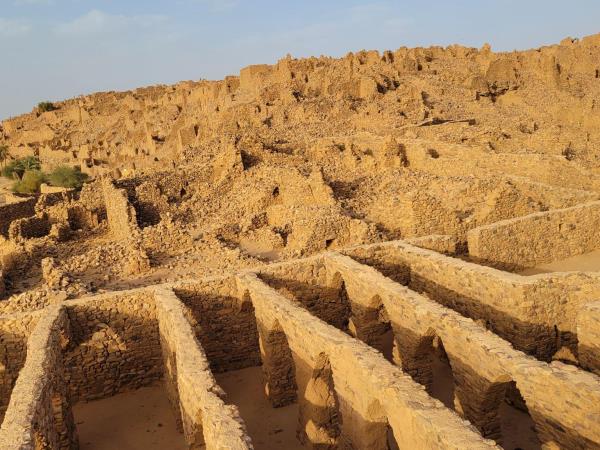
The itinerary includes visits to multiple UNESCO World Heritage Sites and protected natural and cultural landscapes, including Chinguetti, Ouadane, and the Richat Structure. Entrance fees and the use of licensed local guides directly contribute to the preservation of these sites and support local stewardship of historically and environmentally significant areas.
Nature positive outcomes are supported through the use of local guides from nearby communities, many of whom have deep knowledge of desert ecosystems, geology, and nomadic land use. Their involvement helps ensure that visits to sensitive areas such as oases, dunes, and rock art sites are conducted responsibly and without damage.
The trip actively avoids any captive wildlife experiences. Animal interactions are limited to traditional and ethical uses, such as the camel caravan operated by local handlers, where animals are working within established cultural practices and not subjected to performance based tourism.
Travellers are briefed on how to reduce their impact on nature, including respecting water sources, avoiding disturbance to wildlife, not removing stones or fossils from sites such as the Richat Structure, and following leave no trace principles adapted to desert environments.
By staying with nomadic families and in small guesthouses, the itinerary supports traditional land use systems that have coexisted with the desert environment for centuries. This helps maintain cultural practices that are closely tied to sustainable use of scarce natural resources, rather than replacing them with high impact tourism infrastructure.
People
LOCAL ECONOMYAll accommodation used on this itinerary is locally owned and independently operated, with no international hotel chains involved. Notable examples include traditional guesthouses in Chinguetti and Ouadane, family run accommodation at the Tanouchert Oasis, and a privately operated desert camp at Azoueiga. These stays ensure that accommodation spend remains within local communities and directly supports households in remote regions with very limited alternative income sources.
The itinerary is designed to maximise local economic benefit through the use of Mauritanian guides, drivers, cooks, and camp staff throughout the journey. Local guides are employed in key locations such as Chinguetti and Ouadane, where specialist knowledge of history, manuscripts, and desert heritage is essential and where guiding provides an important source of skilled employment.
Village and community interactions form a core part of the experience. Time spent with nomadic families in Tanouchert provides direct income to the host household through accommodation, meals, and cultural activities, while visits to local markets in Atar and Nouakchott support small scale traders, fishermen, and artisans. Craft and artisan stalls visited in Nouakchott further encourage direct purchasing from local producers rather than intermediaries.
EMPLOYMENT, INCLUSIVITY AND DIVERSITY
The trip is operated entirely by a local Mauritanian partner, and close to 100 percent of staff involved in delivering the tour are Mauritanian nationals. This includes guides, drivers, camp teams, cooks, and guesthouse hosts, the majority of whom are drawn from communities along the route in the Adrar region.
The itinerary creates income generating opportunities for groups that are often economically marginalised in Mauritania, particularly nomadic families and rural households in desert and oasis environments. The overnight stay with a nomadic family in Tanouchert directly supports a household whose income options are otherwise extremely limited, while small guesthouses in Chinguetti and Ouadane provide employment to local women in food preparation and hospitality roles.
All staff employed by our local operating partner are paid at or above the local minimum wage, in line with national labour regulations. Where possible, work is offered on a regular and repeat basis, providing greater income stability in regions where seasonal work is common.
Our operating partner follows an equal opportunity approach to employment, with roles assigned based on skills and experience rather than race, ethnicity, gender, or nationality. While Mauritania remains a socially conservative destination, the tour itself is managed in a professional and respectful manner, and travellers are expected to show the same respect towards all staff and communities encountered.
This itinerary is not specifically marketed as LGBTQ+ friendly due to local laws and social norms, and discretion is advised. Similarly, the trip is not suitable for travellers with limited mobility, significant vision or hearing impairments, or cognitive issues, due to uneven terrain, desert conditions, basic facilities, and limited access to medical or support services in remote areas.
Popular similar holidays
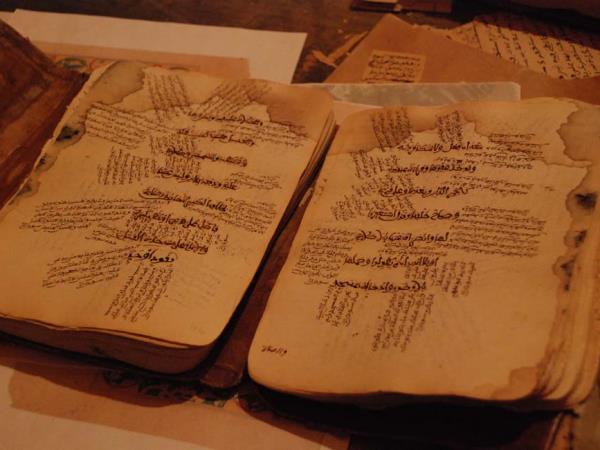
Mauritania small group holiday
From £2349 - £2525 10 days excluding flights
Ancient towns, stunning desert scenery and nomadic culture
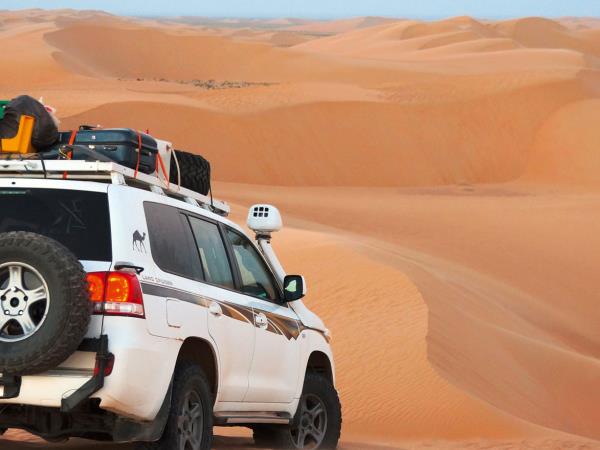
Mauritania holiday, desert adventure
From £6799 21 days excluding flights
Ancient cities, desert vistas and nomadic cultures
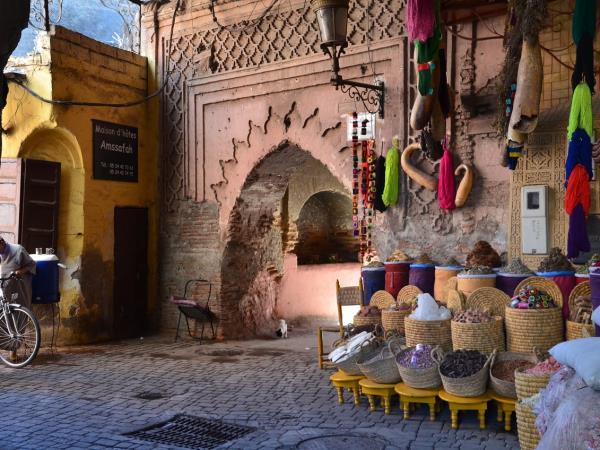
West Africa 8 week expedition, Morocco to Benin
From £17259 - £18155 8 weeks excluding flights
An Epic 56 day Sahara to Atlantic Journey Across West Africa