Maldives Whale Shark Conservation Research Expedition
Price
£2189 excluding flights
Convert currency:


More info
From 2026, the expedition will be onboard MV Akouya Pearl.
Availability and room types on board are very limited.
Please contact us for the latest update. Contact us for pre and post trip accomodation and flight options.
ATOL Licenced.
Please contact us for the latest update. Contact us for pre and post trip accomodation and flight options.
ATOL Licenced.

Description of Maldives Whale Shark Conservation Research Expedition
Price information
£2189 excluding flights
Convert currency:
From 2026, the expedition will be onboard MV Akouya Pearl.
Availability and room types on board are very limited.
Please contact us for the latest update. Contact us for pre and post trip accomodation and flight options.
ATOL Licenced.
Please contact us for the latest update. Contact us for pre and post trip accomodation and flight options.
ATOL Licenced.
Check dates, prices & availability

Travel guides
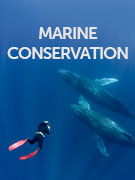
Marine conservation might be a serious matter, but it doesn't mean that a holiday has to be.
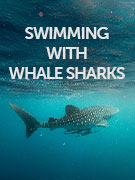
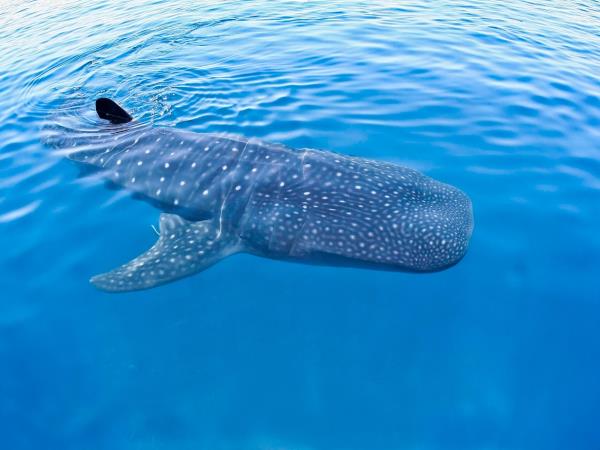
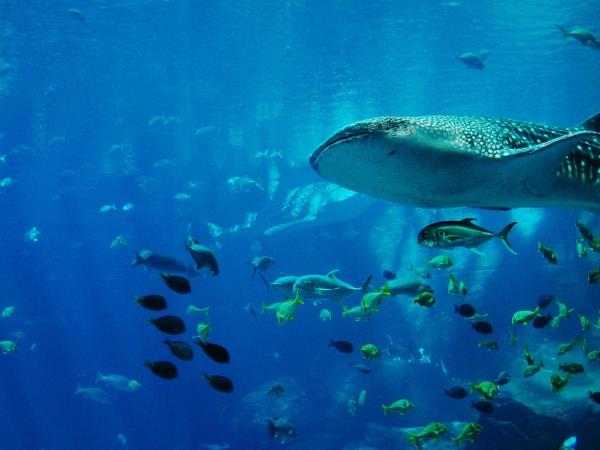
A fascinating way to learn more about these huge, gentle creatures.
Reviews
1 Reviews of Maldives Whale Shark Conservation Research Expedition
5 out of 5 stars
Reviewed on 30 May 2026 by Andy Davies
1. What was the most memorable or exciting part of your holiday?
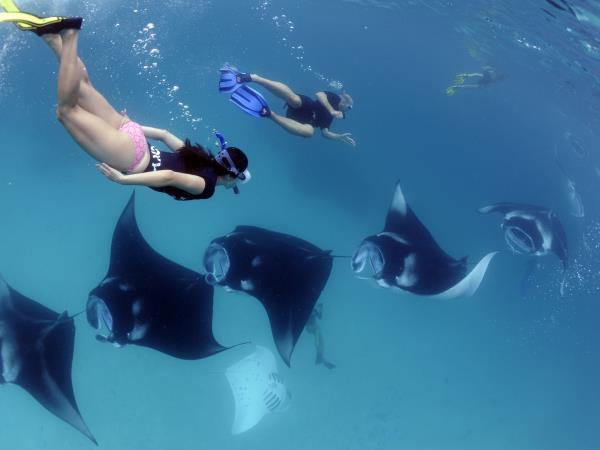
All of it really as it was both interesting to participate in the Whale Shark Research project as well as doing lots of snorkeling on the reefs and enjoying the colourful fish, turtles, rays and reef sharks. It was also great to be in a group of like minded people from different countries who feel passionate about wildlife and the environment.
2. What tips would you give other travellers booking this holiday?
I took my own fins, mask and snorkel so I knew they'd fit and be comfortable. However, the Akoya Pearl did have equipment available. Take some luxury items as a treat - I took Lindt 70% chocolate! You'll definitely need plenty of reef safe sun cream and I'd suggest taking a pair of trousers an long sleeved shirt so you have the option to cover up during the daytime on board, if necessary. I'd encourage all participants to make an effort to get to know the other travellers as I had an interesting group to talk with. Whilst the food was plentiful and freshly cooked, and the chef was accommodating, as a vegetarian (no fish) I could have done with some more protein, so would take some.
3. Did you feel that your holiday benefited local people, reduced environmental impacts or supported conservation?
All of the guides and crew were Maldivians so they benefited. We did visit the local island a couple of time, so people could buy items or have a coffee. The whole trip was mindful of the environment in terms of waste and potential damage to the reef.
4. Finally, how would you rate your holiday overall?
Excellent 'working holiday' and I'd consider going again in the future.
Responsible Travel
As the pioneers of responsible tourism, we've screened this (and every) holiday so that you can travel knowing we've worked to maximise the benefits of your holiday to local people and places, and minimise any negative impacts.
Planet
CARBON REDUCTIONOur trips aim to positively impact the countries, communities and environments we visit. Our policy draws on the criteria set out by the Global Sustainable Tourism Council (GSTC) and tries to recognise many of the principles within the United Nations World Tourism Organisation's (UNWTO) Global Code of Ethics for Tourism.
This tour, travelling through the Maldives, does not use any domestic flights. For the international flights, we suggest that our customers calculate their estimated impact on the environment of their flights and choose to purchase sustainable aviation fuel (SAF) to act on their emissions, if possible or purchase carbon offsets from certified climate projects
Once we are in the region, we minimise our carbon footprint. All food is locally sourced, and we use a locally owned and managed boat. Vegan and vegetarian food is available but must be requested in advance.
ENVIRONMENT AND WILDLIFE
On this tour, we are committed to reducing the environmental impacts of our visit. The staff are all locally based and experts in the region. By encouraging and valuing community and industry stakeholder participation, the team are able to leverage the scientific research gathered to safeguard the rich biodiversity and fragile marine ecosystems that are the basis for not only whale sharks, but also life, livelihood and culture in the Maldives.
Our team doesn't use plastic bags in our office or on our tours. When purchasing items and food for trips, we use reusable fabric bags. Any plastic bottles we have to use are recycled or given to remote communities, who reuse them as storage containers.
Our clients are encouraged to deal with waste appropriately and limit their use of single-use plastic. We advise clients to bring their own reusable metal drinking bottles, which can be used long after their tour.
People
LOCAL ECONOMYWe strive to generate greater economic benefits for local people and enhance the well-being of the communities we visit while still providing a positive and rewarding experience for our customers. Our business aims to minimise tourism's negative social, economic, and environmental impacts.
Our local partner values the inclusion of the local community and believes it is central to good conservation practices. They know that by getting people directly involved and excited about their work, they can create networks of engaged citizens ready to participate in stimulating scientific research and conservation projects related to the whale shark. By developing dynamic research studies, ensuring transparent communication of findings, and facilitating educational opportunities focusing on the importance of biological diversity, species conservation and environmental stewardship, they know that they can advance the field of research and foster effective conservation initiatives.
Their research is used to inform decision-makers and the general public for the good of the whole. They believe that real buy-in can only be achieved when people truly understand the research process and the outcomes it generates.
This tour aims to use 100% locally owned accommodation and 100% local guides and experts.
EMPLOYMENT, INCLUSIVITY AND DIVERSITY
The Maldives Whale Shark Research Programme (MWSRP) is a research-based conservation charity dedicated to studying the whale shark and fostering community-focused conservation initiatives in the Maldives and the greater Indian Ocean.
Our goal is simple: to advance knowledge of the whale shark and advocate for sound conservation policy in the Maldives. By encouraging and valuing community and industry stakeholder participation, we can leverage scientific research to safeguard the rich biodiversity and fragile marine ecosystems that underpin not only whale sharks but also life, livelihoods, and culture in the Maldives.
We understand that the responsibility and action needed in a particular location will depend upon the local environment and culture. Tourism is one of the most important and largest industries on the planet. It accounts for 11% of the world’s GDP and 12% of its exports. It employs more people worldwide than any other industry, with millions of families relying on tourism for their daily needs.
All employees have health and life insurance, and the highest salary standard and working environment. The company culture is embedded in being socially responsible and environmentally conscious, with minimal impact on the environment, local culture, and heritage. Each year, they advertise a limited number of 3-month paid internship positions for Maldivian nationals.
The approach aims to involve people, from the local to the international level, to demystify the scientific research process and reveal answers about the mysteries of the whale shark species.
Popular similar holidays
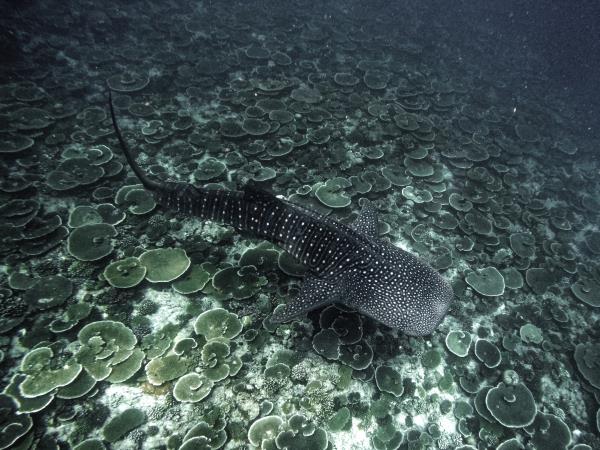
Maldives whale shark conservation snorkelling cruise
From US $2499 - US $2699 8 days excluding flights
Maldives whale shark conservation cruise with local experts
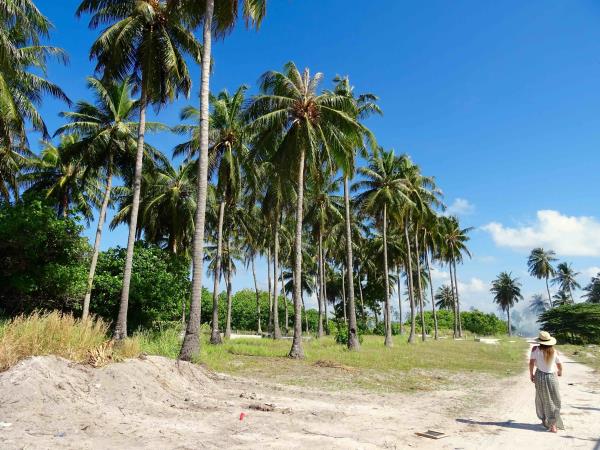
Maldives cultural experience holiday
From US $899 4 days excluding flights
Discover the Maldives beyond the resort with a private guide
Maldives snorkelling cruise
From £1318 - £1465 8 days excluding flights
Snorkelling beautiful reefs aboard a Small Ship