Malawi wildlife conservation holiday
Price
€2900To€5650 excluding flights
Convert currency:


Duration
4 weeks
Type
Small group
More info
Duration: 4 til 12 weeks available.

Description of Malawi wildlife conservation holiday
Price information
€2900To€5650 excluding flights
Convert currency:
Duration: 4 til 12 weeks available.
Check dates
2026: 13 Oct, 20 Oct, 27 Oct, 3 Nov, 10 Nov, 17 Nov, 24 Nov, 1 Dec, 8 Dec, 15 Dec, 22 Dec, 29 Dec
2027: 5 Jan, 12 Jan, 19 Jan, 26 Jan, 2 Feb, 9 Feb, 16 Feb, 23 Feb, 2 Mar, 9 Mar, 16 Mar, 23 Mar, 30 Mar, 6 Apr, 13 Apr, 20 Apr, 27 Apr, 4 May
2027: 5 Jan, 12 Jan, 19 Jan, 26 Jan, 2 Feb, 9 Feb, 16 Feb, 23 Feb, 2 Mar, 9 Mar, 16 Mar, 23 Mar, 30 Mar, 6 Apr, 13 Apr, 20 Apr, 27 Apr, 4 May
Travel guides
Find out what conservation you'd be interested in, and how to get involved.
Overlooked in favour of Zambia and Botswana, Malawi has wonderful wildlife parks, including Nyika and Liwonde.
Holiday information
Diet:
We can cater for vegetarians on this holiday. Sadly we cannot offer vegan food.
Responsible Travel
As the pioneers of responsible tourism, we've screened this (and every) holiday so that you can travel knowing we've worked to maximise the benefits of your holiday to local people and places, and minimise any negative impacts.
Planet
CARBON REDUCTIONThis project operates within Liwonde National Park, reducing the need for long-distance travel once participants arrive. All activities are concentrated within the park, minimising additional transport emissions.
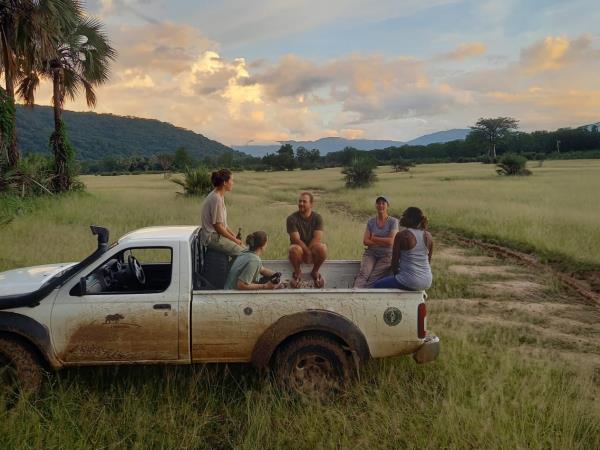
Transport is shared among volunteers and staff in project vehicles, ensuring efficient use of resources and reducing per-person emissions.
Although vehicle-based monitoring is essential for covering large areas, activities are focused and purposeful, avoiding unnecessary driving and maximising data collection efficiency.
Participants are encouraged to adopt low-impact travel habits, including reducing waste, conserving water and selecting lower-emission international flights where possible.
Meals are locally prepared, often using regional ingredients, helping to reduce the carbon footprint associated with imported goods. A vegetarian diet is possible.
ENVIRONMENT AND WILDLIFE
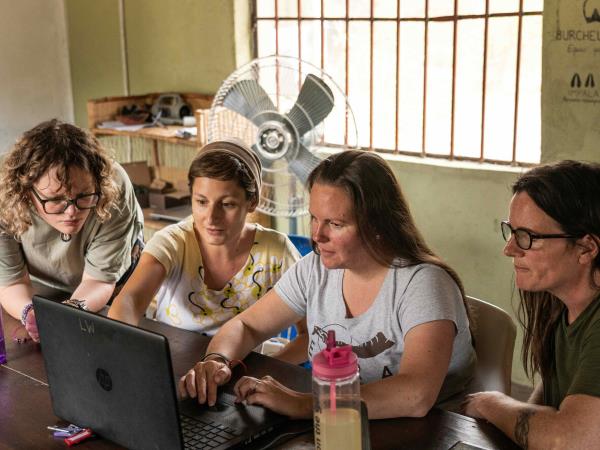
This project directly contributes to wildlife conservation by supporting monitoring and research programmes for endangered species. Data collected by volunteers helps fill critical knowledge gaps and informs management decisions within Liwonde National Park.
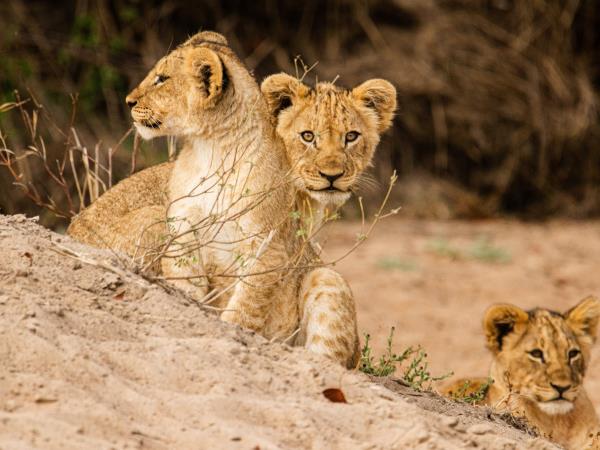
The park is a key site for wildlife recovery in Malawi, with successful reintroductions of species such as lions and cheetahs, as well as the protection of significant elephant and black rhino populations.
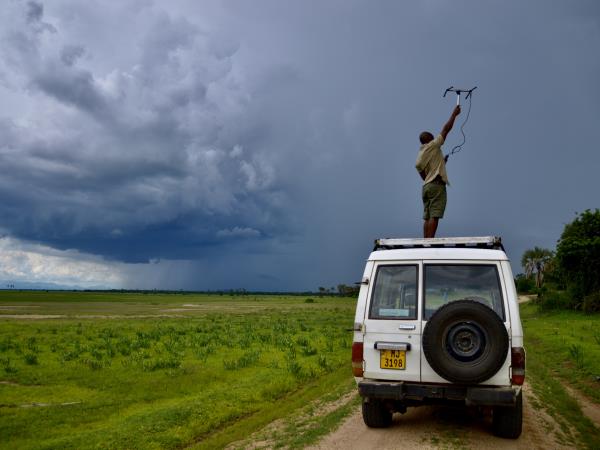
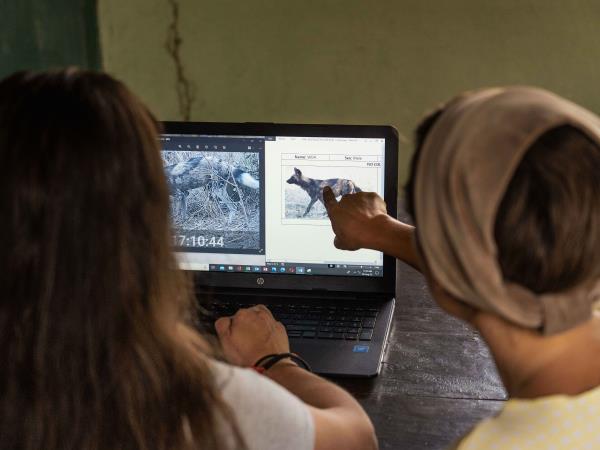
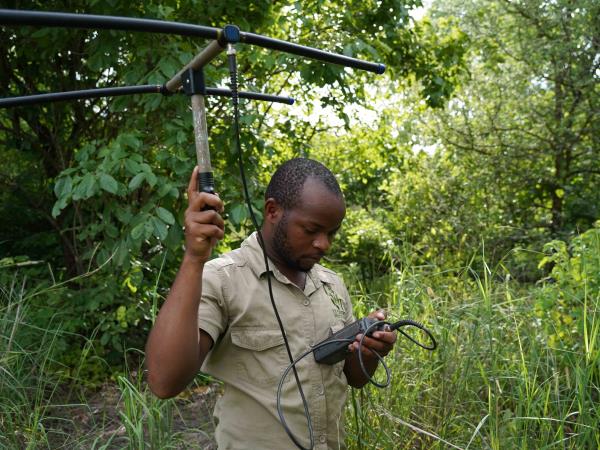
Camera trapping and radio tracking provide essential information on animal movements, population sizes and behaviour, supporting anti-poaching efforts and habitat management.
The project works in alignment with leading conservation organisations, contributing to long-term biodiversity protection and ecosystem restoration.
Participants are trained in responsible wildlife observation, ensuring minimal disturbance and adherence to strict conservation guidelines.
People
LOCAL ECONOMYThe project supports the local economy by employing Malawian staff, including guides, trackers and conservation professionals. This ensures that tourism revenue contributes directly to local livelihoods.
Supplies and services are sourced locally where possible, supporting surrounding communities. The programme also promotes tourism as an alternative to environmentally damaging land uses.
By contributing to conservation success in Liwonde National Park, the project helps strengthen Malawi’s reputation as a nature tourism destination, creating long-term economic opportunities.
EMPLOYMENT, INCLUSIVITY AND DIVERSITY
The majority of staff involved in the project are Malawian. Their knowledge and expertise are central to the success of conservation efforts.
All staff are paid fairly according to local standards, and the project supports capacity building through training and long-term employment opportunities in conservation.
The programme brings together volunteers from diverse international backgrounds, fostering collaboration, cultural exchange and shared learning.
The project is LGBTQ+ friendly and encourages an inclusive and respectful environment. Due to the nature of fieldwork, long vehicle drives and uneven terrain, a moderate level of mobility is required to navigate safely through the wild.
Popular similar holidays
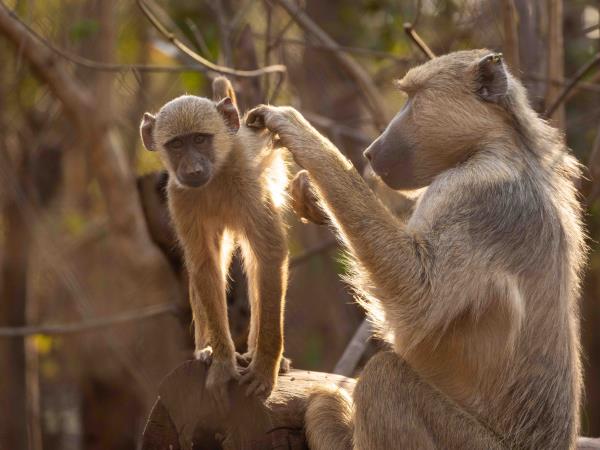
Malawi wildlife sanctuary volunteering holiday
From £1500 - £4744 14 days excluding flights
Volunteer at one of Africa's top wildlife sanctuaries
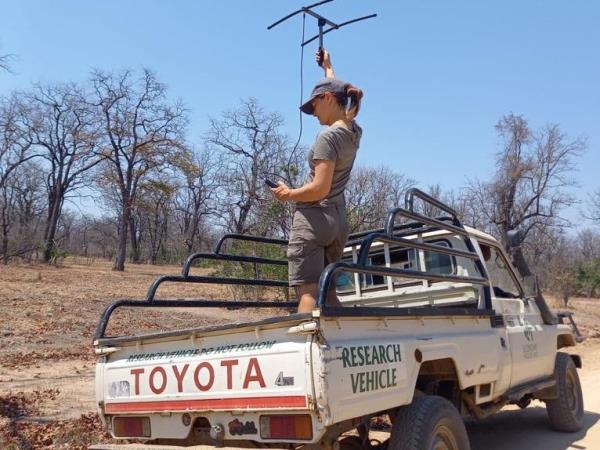
Malawi conservation research experience
From £1500 - £4744 14 days excluding flights
Monitor iconic wildlife in beautiful Liwonde National Park
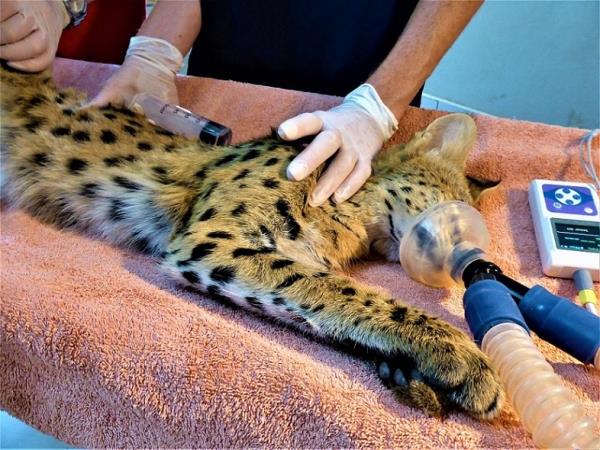
Veterinary externship in Malawi
From £1500 - £4744 14 days excluding flights
Veterinary experience at Malawi's only wildlife sanctuary