Tasmania bird watching holiday, Australia


Price per person.
All trips are tailormade self-drive to suit preferred duration, style & budget.
Day & multi-day private guiding optional but recommended.
Additional tours, meals & guiding can be arranged.

Description of Tasmania bird watching holiday, Australia
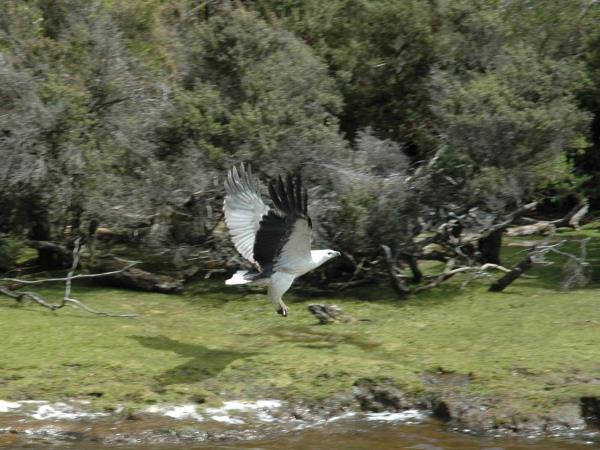
For birdwatchers, Tasmania offers a remarkable combination of endemics, easily accessible wildlife and landscapes that seem purpose-built for slow exploration. This bespoke, self-drive adventure links many of Tasmania's finest birding locations, from offshore islands and coastal lagoons to rainforest, mountains and remote shorelines, with expert guiding included at key points along the way.
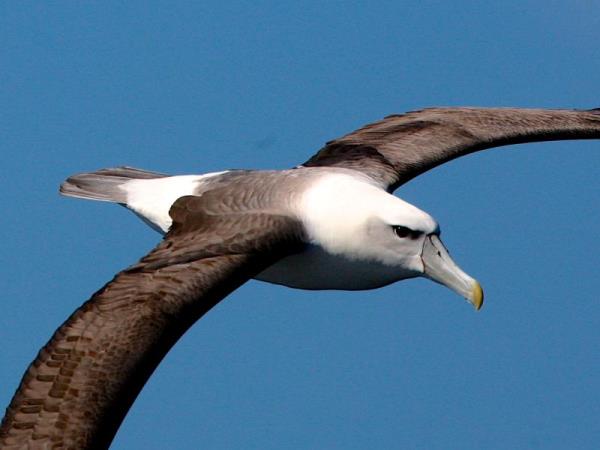
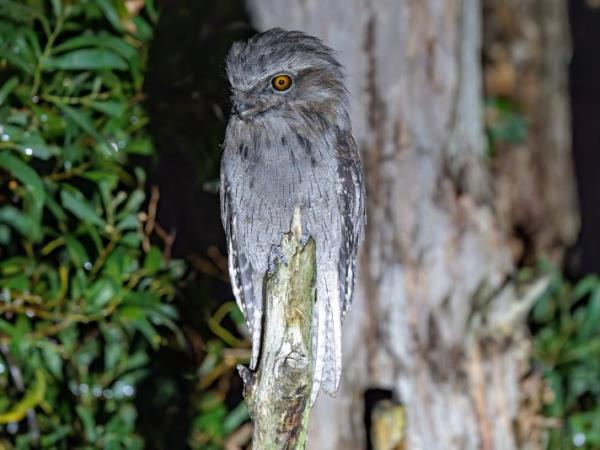
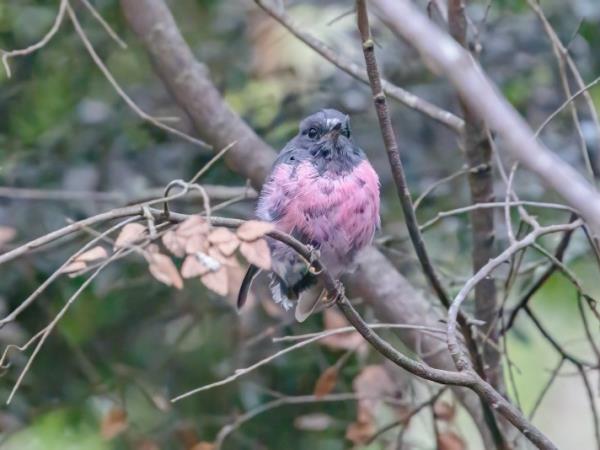
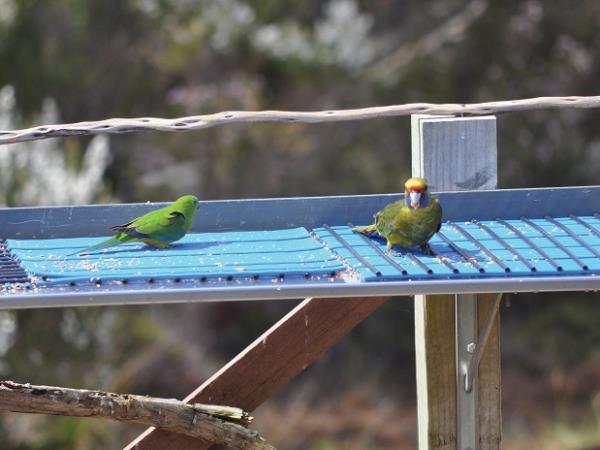
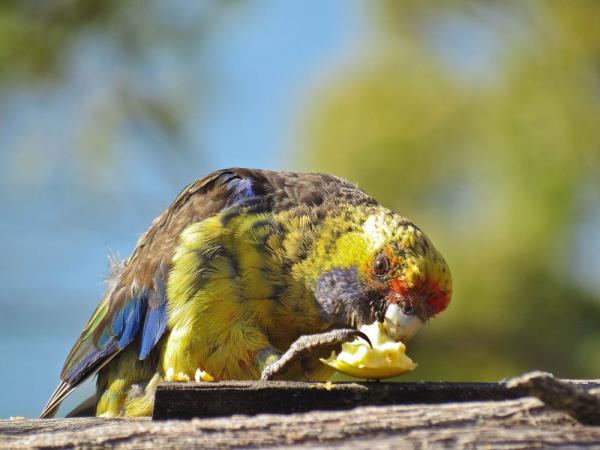
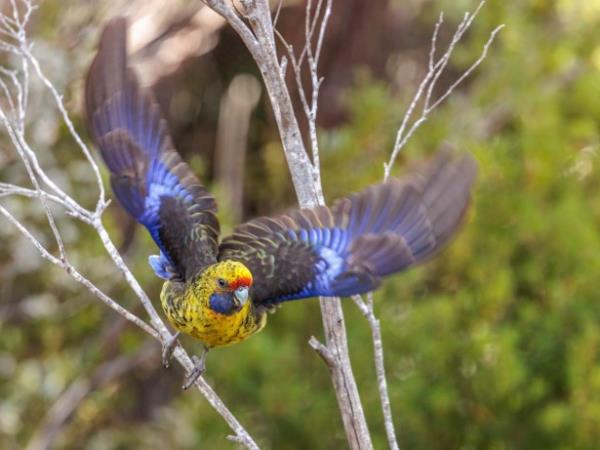
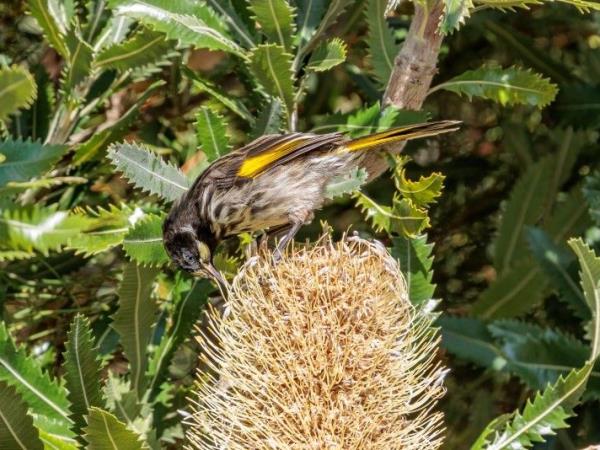
Beginning in and around Hobart, your Tasmania bird watching holiday takes in Bruny Island, Maria Island, Moulting Lagoon, the Bay of Fires, Cradle Mountain, the Tarkine Rainforest and the west coast. Along the route you'll search for the island's 12 endemic birds including the swift parrot and the dusky robin, cruise beneath towering sea cliffs, explore national parks and travel some of Australia's most scenic roads. Optional experiences range from pelagic wildlife trips to a flight to Melaleuca, breeding ground of the endangered orange-bellied parrot.
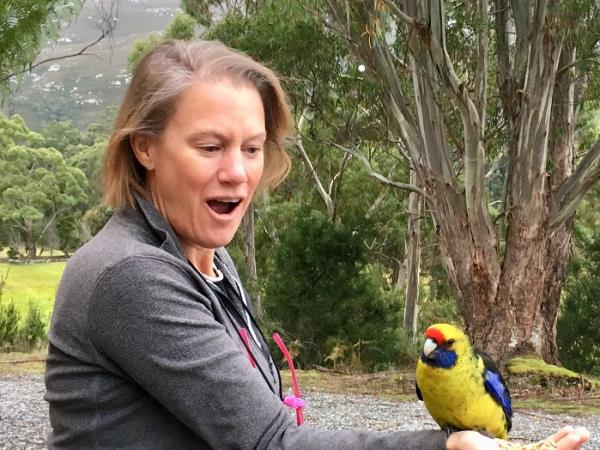
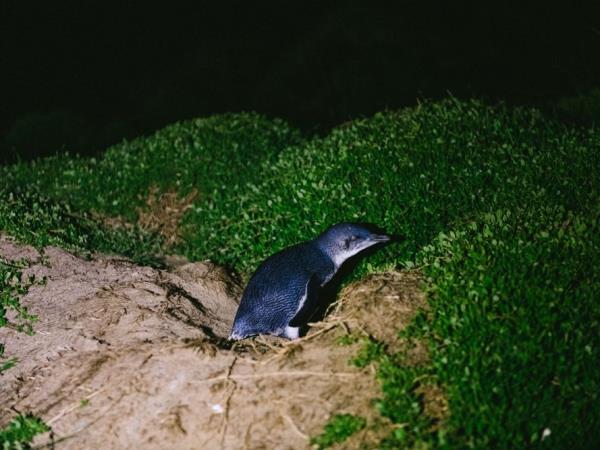
Birds may be the headline act on this tour, but they are far from the only attraction. Encounters with platypus, echidnas, wombats and quolls, even Tasmanian devils, are all possible, while landscapes shift constantly from alpine plateaus to wild beaches and ancient forest. Non-birding companions will find plenty to enjoy in the island's food, wine and history.
Your accommodation has been carefully chosen to deepen your connection with the places you visit, whether staying on a private wildlife reserve or with hosts deeply involved in conservation. The result is an immersive and unforgettable exploration of Tasmania that showcases some of the Southern Hemisphere's finest wildlife watching.
Price information
Price per person.
All trips are tailormade self-drive to suit preferred duration, style & budget.
Day & multi-day private guiding optional but recommended.
Additional tours, meals & guiding can be arranged.
Departure information
Travel guides
Responsible Travel
Planet
The state of Tasmania is widely protected through a strong combination of conservation, sustainable living, and environmental stewardship rooted in long standing community values. Tasmania was the the birthplace for the World's first Green Party in 1972, which grew out of the massive campaigns throughout the ensuing decade, and which sparked modern environmental politics in Australia. Large areas of the island are preserved in protected regions such as Tasmanian Wilderness World Heritage Area, where native forests, rivers, and wildlife are carefully managed to maintain biodiversity. Local organisations, including Inala Nature Tours, contribute by protecting private reserves, rehabilitating wildlife, and educating visitors about endangered species. Many Tasmanians also embrace renewable energy, with the state powered largely by hydroelectricity, reducing reliance on fossil fuels. Community efforts such as Landcare groups, wildlife rescue, and sustainable farming practices further support the health of ecosystems. Together, these actions reflect a deep cultural respect for nature and a shared commitment to preserving Tasmania’s unique environment for future generations. Many of the places on this itinerary are protected Land for Wildlife conservation areas and a number of them are part of the Tasmanian Land Conservancy scheme. The TLC is a non profit organisation that acquires and manages land in Tasmania, protecting important natural places. Many are within or on the edge of national parks.You are urged not to drive at dawn, dusk or at night when wildlife is likely to be on the roads and always to take extreme caution at all times. The operator makes a donation to the Tasmanian Land Conservancy every year.
People
Dr Tonia Cochran, Inala's owner and her team based at Inala Birding and Wildlife Reserve on Bruny Island make a significant contribution to conservation through their holistic model that combines habitat protection, species conservation, scientific research, wildlife rehabilitation, and education, all supported by sustainable eco-tourism. At the core of Inala’s work is the protection and management of land for biodiversity. Inala owns and manages a substantial private reserve of approximately 1,500 acres on Bruny Island. This land is actively maintained to preserve native ecosystems and provide safe habitat for wildlife. The reserve supports all twelve of Tasmania’s endemic bird species, as well as several threatened species, making it an important refuge in a landscape where habitat loss is an ongoing challenge. Inala also plays a vital role in protecting endangered species. One of the most notable examples is the forty-spotted pardalote, one of Australia’s rarest birds, which depends on specific habitat conditions that Inala helps to maintain. The reserve also provides habitat for a range of other native animals, including the Tasmanian devil, eastern quoll, and white wallaby. By maintaining and restoring suitable environments, Inala supports the survival of these species and contributes to broader conservation efforts across Tasmania. Another important aspect of Inala’s work is wildlife rehabilitation. The organisation operates as a wildlife care facility, where injured or orphaned animals are treated and cared for with the goal of releasing them back into the wild. This hands-on conservation work directly improves survival outcomes for individual animals and helps sustain local populations. It also reflects a broader commitment to animal welfare alongside ecosystem conservation. Scientific research and monitoring are also central to Inala’s contribution and it is closely connected with conservation scientists and researchers. Inala supports ongoing studies of wildlife populations, habitat use, and ecological processes. This research not only improves understanding of Tasmania’s unique biodiversity but also informs conservation strategies and management practices both within the reserve and beyond. A key feature of Inala’s approach is its use of eco-tourism to fund conservation activities. Rather than relying solely on external funding, Inala offers carefully managed, low-impact nature tours that provide visitors with close encounters with wildlife and habitats. These tours are designed to minimise environmental disturbance while maximising educational value. Revenue generated from tourism is reinvested into conservation work, including land management, research, and wildlife care. This creates a sustainable model in which tourism directly supports environmental protection. Education and awareness are also integral to Inala’s mission. Through guided tours, bird hides, and specialised wildlife experiences, visitors gain a deeper understanding of Tasmania’s ecosystems and the challenges they face. By fostering a personal connection with nature, Inala encourages greater appreciation and support for conservation. This educational role extends the impact of its work beyond the reserve, as visitors often leave with a stronger commitment to protecting wildlife and the environment. By integrating land protection, species conservation, rehabilitation, research, and education within a financially sustainable eco-tourism model, it provides a powerful example of how conservation can be both effective and self-supporting.Popular similar holidays
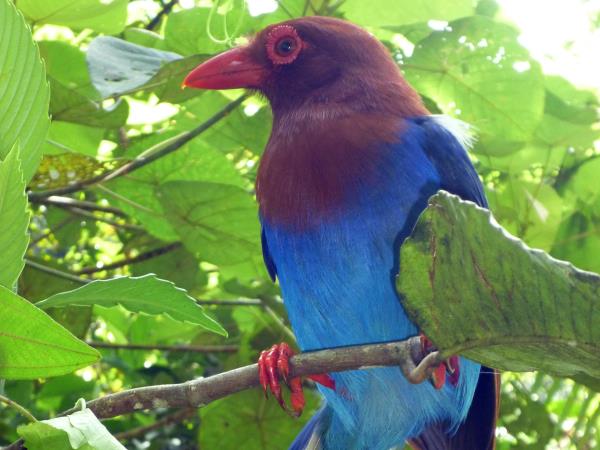
Bird watching tour in Sri Lanka
From £1795 10 days excluding flights
Sri Lankan endemic birds & flagship mammals
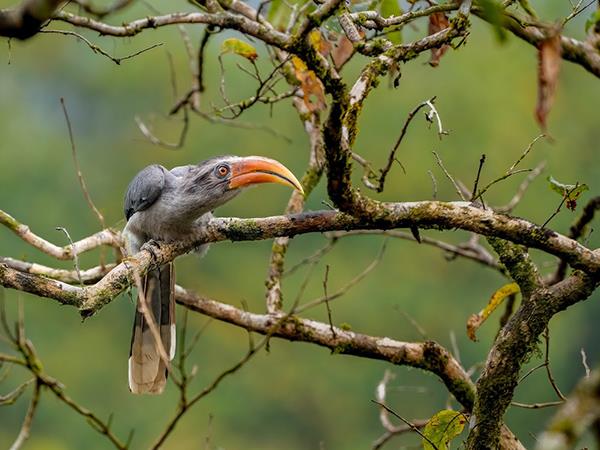
Kerala birdwatching holidays, Western Ghats
From US $1540 8 days excluding flights
An endemic birding tour through the Western Ghats of India
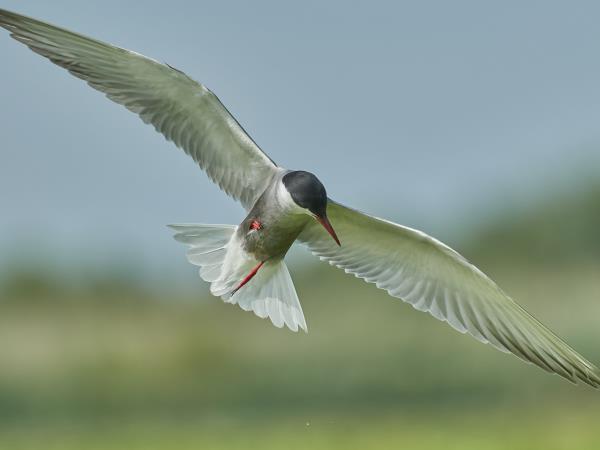
Danube Delta birdwatching in Romania
From €452 4 days excluding flights
An incredible Danube Delta birdwatching experience