Horse riding holiday in Kazakhstan
Price
£2999 excluding flights
Convert currency:


Duration
8 Days
Type
Tailor made
More info
Includes:
Meals and accommodation throughout the journey
Guiding services
Horse rental
Electricity at the base camp
Entrance tickets to the Katon-Karagay National Park
Border zone pass

Description of Horse riding holiday in Kazakhstan
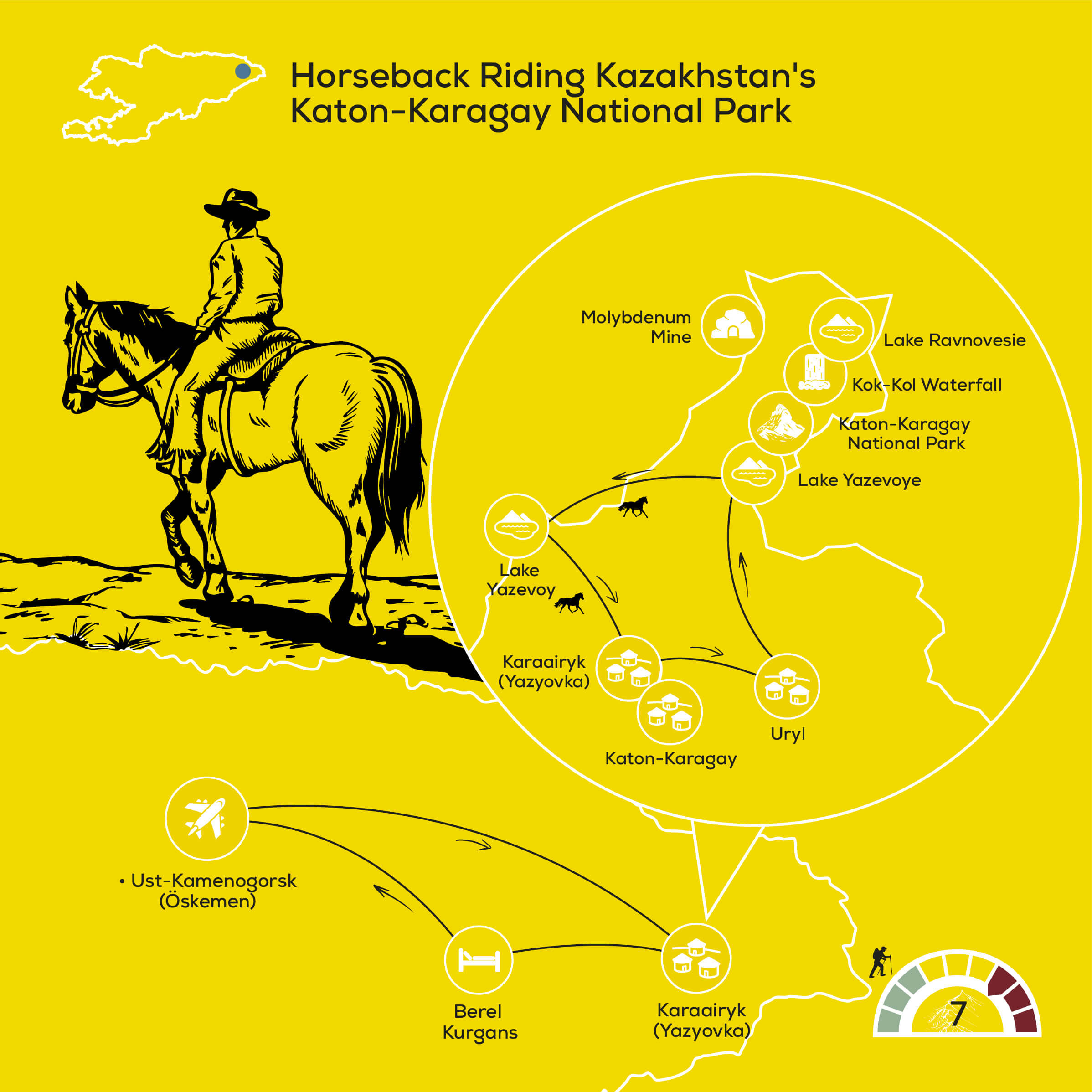
Map
Price information
£2999 excluding flights
Convert currency:
Includes:
Meals and accommodation throughout the journey
Guiding services
Horse rental
Electricity at the base camp
Entrance tickets to the Katon-Karagay National Park
Border zone pass
Departure information
This trip can be tailor made throughout the year to suit your requirements
Travel guides
Discover whether a horse riding holiday is for you and saddle up as we trot out our tips on when to go.
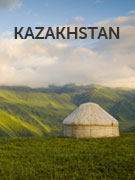
How a country the size of Western Europe could remain under-visited for so long is something of a mystery.
Responsible Travel
As the pioneers of responsible tourism, we've screened this (and every) holiday so that you can travel knowing we've worked to maximise the benefits of your holiday to local people and places, and minimise any negative impacts.
Planet
CARBON REDUCTIONThis itinerary has been designed to minimise operational carbon emissions by limiting reliance on high-impact transport and focusing on low-impact, human-powered travel once in the destination. While international travel to Kazakhstan is required, the trip itself avoids internal flights, with all ground transport between Ust-Kamenogorsk and the Altai region conducted by shared vehicle. This reduces emissions compared to domestic aviation and allows for a gradual transition into the remote landscapes of eastern Kazakhstan.
A significant proportion of the journey is undertaken through horseback riding and trekking. Over multiple days, travellers move through the Altai Mountains using traditional, non-motorised methods of transport that have been part of local life for generations. This reduces fuel consumption while also supporting a more immersive and culturally appropriate way of travelling in this terrain.
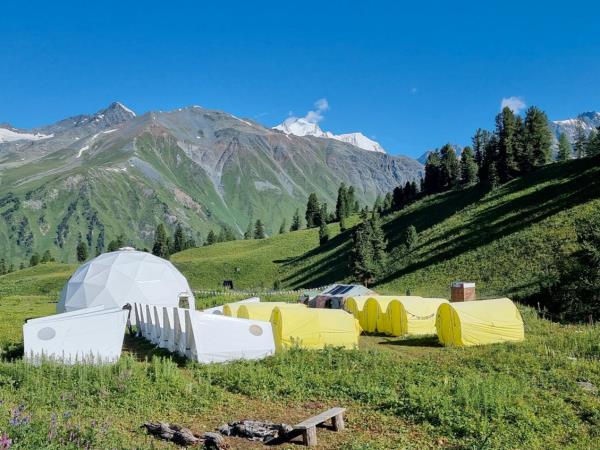
Accommodation is intentionally simple and low-impact. Camping at base camps and staying in small, locally run guesthouses reduces energy use compared to large-scale hotels. In remote mountain environments, energy consumption is naturally limited, with minimal reliance on electricity and no large-scale infrastructure. This approach ensures that the environmental footprint of overnight stays remains low.
Food throughout the journey is largely locally sourced and seasonal, particularly in rural areas where supply chains are short. Meals are prepared using regional ingredients, reducing the need for imported goods and lowering the associated carbon footprint. While options may be more limited than in urban settings, vegetarian dishes can typically be accommodated, often based on grains, vegetables and dairy products available in the region.
Travellers are encouraged to adopt low-impact practices, including minimising waste, carrying reusable water bottles, and being mindful of resource use in remote environments where supply is limited. The absence of mobile connectivity and infrastructure naturally encourages a lower-consumption approach to travel.
Although electric vehicles and renewable-powered accommodation are not widely available in this remote region, the overall design of the trip, centred on slow travel, shared transport and human-powered movement, contributes to a reduced carbon footprint.
ENVIRONMENT AND WILDLIFE
This itinerary operates within the boundaries of Katon-Karagay National Park, a protected area known for its rich biodiversity and relatively undisturbed ecosystems. The trip has been designed to minimise environmental impact while allowing travellers to experience this landscape in a responsible and respectful way.
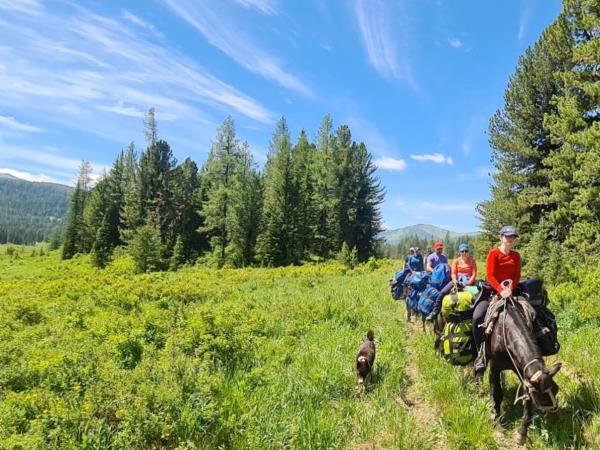
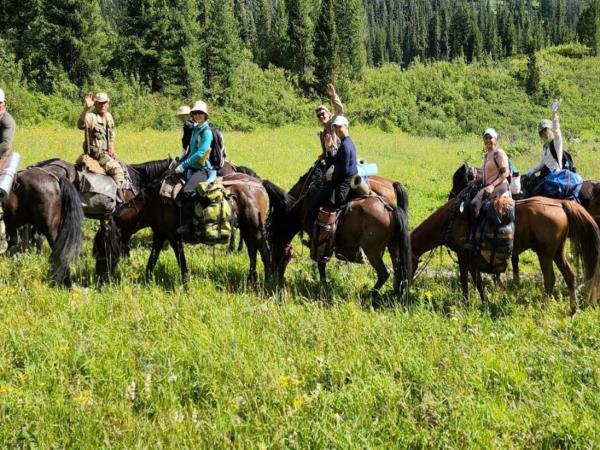
Group sizes are kept small to reduce pressure on fragile environments such as alpine meadows, forest trails and river crossings. Established routes are followed wherever possible to prevent soil erosion and damage to vegetation. Activities such as trekking and horseback riding are managed carefully by local guides, ensuring that both travellers and animals move sustainably through the terrain.
Camping practices follow a low-impact approach. Temporary camps are set up in designated or suitable areas, with strict guidelines on waste management and minimal disturbance to the natural surroundings. All non-biodegradable waste is carried out, and the use of single-use plastics is discouraged. Water sources are also treated with care.
Wildlife in the Altai region includes a range of species adapted to high-altitude and forest environments. While sightings are not guaranteed, the presence of intact ecosystems is a key part of the experience. Guides provide education on local flora and fauna, helping travellers understand the importance of conservation in this region. Disturbance to wildlife is minimised by maintaining distance, avoiding noise, and not feeding animals.
Visits to culturally significant natural sites, such as Kyndyk-Tas (the Prayer Stone), are conducted with respect for both their environmental and spiritual importance. Travellers are encouraged to engage thoughtfully with these locations, recognising their significance to local communities.
The use of local guides plays an important role in environmental protection. Their knowledge of the landscape ensures that routes are chosen carefully, weather conditions are respected, and risks to both people and nature are minimised. By relying on local expertise, the trip supports a model of tourism that is both sustainable and rooted in long-standing relationships with the land.
People
LOCAL ECONOMYThis itinerary is designed to ensure that tourism directly benefits communities in eastern Kazakhstan, particularly in and around the villages near Katon-Karagay National Park. Accommodation is provided through locally owned guesthouses and small-scale camps, ensuring that income remains within the region rather than flowing to international hotel chains.
Local guides are central to the experience, providing not only logistical support but also cultural and environmental insight. Their knowledge of the terrain, weather patterns and traditions is essential for safe and meaningful travel in this remote area. By employing local guides, the trip supports skilled employment and helps preserve traditional knowledge of the landscape.
Horseback travel relies on animals and equipment managed by local communities, creating additional income streams linked to traditional livelihoods. This helps sustain practices that have been part of the region for generations, while offering travellers an authentic way to move through the environment.
Food is sourced and prepared locally wherever possible. Meals in guesthouses and camps are typically made using ingredients produced in the surrounding area, supporting small-scale agriculture and reducing reliance on imported goods.
Visits to sites such as the Berel Kurgans introduce travellers to the region’s historical and cultural heritage, contributing to broader awareness and appreciation. While these visits are relatively brief, they form part of a wider system in which tourism supports the preservation and interpretation of local history.
Overall, the trip prioritises local ownership, services and supply chains, ensuring that the economic benefits of tourism are distributed within the communities that make the journey possible.
EMPLOYMENT, INCLUSIVITY AND DIVERSITY
The operation of this trip is heavily reliant on local employment, with the majority of guides, drivers, camp staff and support teams coming from within Kazakhstan, and often from the Altai region itself. This ensures that economic opportunities are created locally and that travellers engage with people who have a direct connection to the area.
Staff are employed in accordance with local labour standards, with fair wages and working conditions maintained by local partners. The use of small, community-based operations helps ensure that income is distributed across multiple roles, from guiding and driving to food preparation and camp management.
The itinerary supports a range of employment opportunities, including those linked to traditional skills such as horse handling and knowledge of mountain routes. These roles are particularly important in rural areas where alternative employment options may be limited.
Cultural exchange is an important aspect of the journey. Travellers spend time in local guesthouses and interact closely with guides and hosts, creating opportunities for mutual understanding and respect. While the region is less exposed to international tourism than many destinations, this makes such interactions more meaningful and less commercialised.
The nature of the trip, involving horseback riding, trekking and camping in remote environments, means that it requires a reasonable level of physical fitness and is not suitable for travellers with limited mobility. This is communicated clearly in advance to ensure expectations are understood.
Kazakhstan is generally welcoming to international visitors, though cultural norms may differ from those in Western countries. Travellers are provided with guidance on respectful behaviour, particularly in rural communities, to ensure positive and considerate interactions.
By focusing on local employment, fair working conditions and meaningful cultural exchange, this itinerary supports a form of tourism that is both inclusive and beneficial to the communities involved, while offering travellers a deeper understanding of life in this remote region.
Popular similar holidays
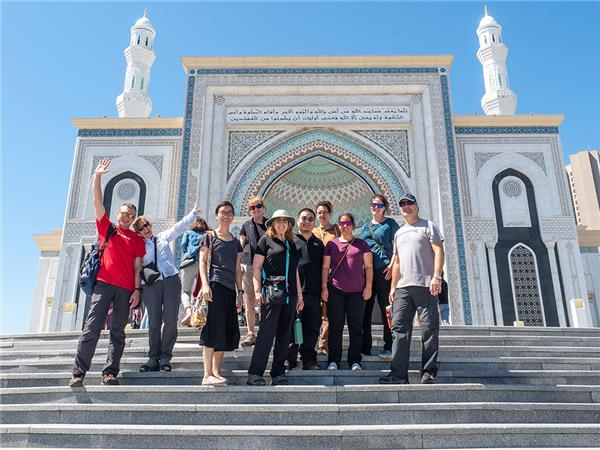
Kazakhstan and Kyrgyzstan adventure tour
From £2295 - £2630 11 days excluding flights
Explore the futuristic and ancient from Astana to Bishek
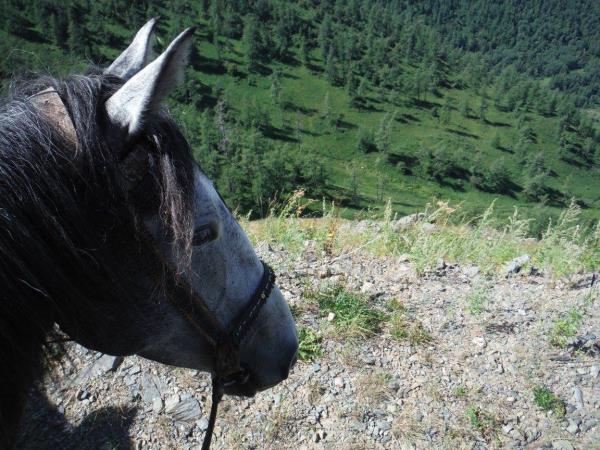
Kazakhstan horse riding holiday
From NZ $5775 16 days excluding flights
Explore eastern Kazakhstan's dramatic Altai range by horse
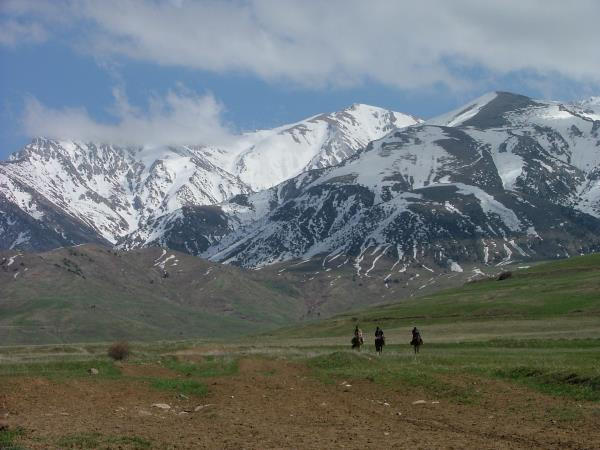
Kazakhstan holiday, Steppe and Silk Road
From £2549 - £2675 10 days excluding flights
Cultural and natural heritage in a Central Asian secret