Wildlife monitoring holiday in South Africa
Price
€1700To€7600 excluding flights
Convert currency:


Duration
15 days
Type
Small group
More info
Duration:
- 2 weeks
- 4 weeks
- 6 weeks
- 8 weeks
- 10 weeks
- 12 weeks

Description of Wildlife monitoring holiday in South Africa
Price information
€1700To€7600 excluding flights
Convert currency:
Duration:
- 2 weeks
- 4 weeks
- 6 weeks
- 8 weeks
- 10 weeks
- 12 weeks
Check dates
2026: 19 Oct, 26 Oct, 2 Nov, 9 Nov, 16 Nov, 23 Nov, 30 Nov, 7 Dec, 14 Dec, 21 Dec, 28 Dec
2027: 4 Jan, 11 Jan, 18 Jan, 25 Jan, 1 Feb, 8 Feb, 15 Feb, 22 Feb, 1 Mar, 8 Mar, 15 Mar, 22 Mar, 29 Mar, 5 Apr, 12 Apr, 19 Apr, 26 Apr
2027: 4 Jan, 11 Jan, 18 Jan, 25 Jan, 1 Feb, 8 Feb, 15 Feb, 22 Feb, 1 Mar, 8 Mar, 15 Mar, 22 Mar, 29 Mar, 5 Apr, 12 Apr, 19 Apr, 26 Apr
Travel guides

An immensely beneficial endeavour, and not only for the communities and wildlife in need.
Find out what conservation you'd be interested in, and how to get involved.
Holiday information
Diet:
We can cater for vegetarians on this holiday. Sadly we cannot offer vegan food.
Responsible Travel
As the pioneers of responsible tourism, we've screened this (and every) holiday so that you can travel knowing we've worked to maximise the benefits of your holiday to local people and places, and minimise any negative impacts.
Planet
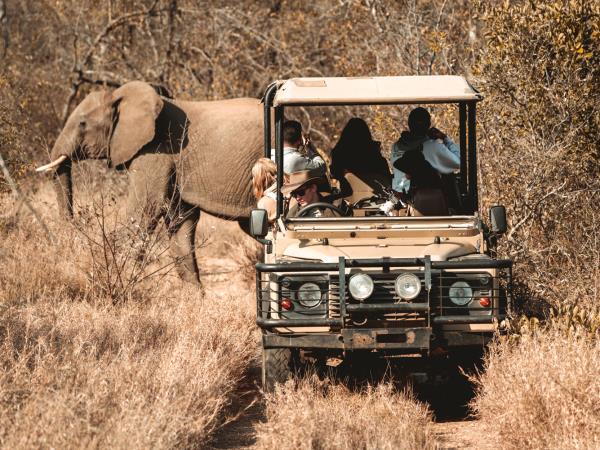
CARBON REDUCTIONThe programme is based within a single conservation area in Limpopo, reducing the need for multiple internal flights or long-distance travel during the trip. Daily activities take place within the reserve using shared game vehicles and guided bush walks, helping to reduce per-person transport emissions.
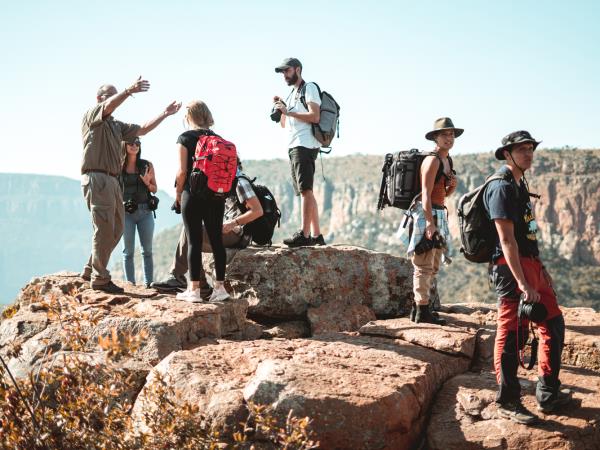
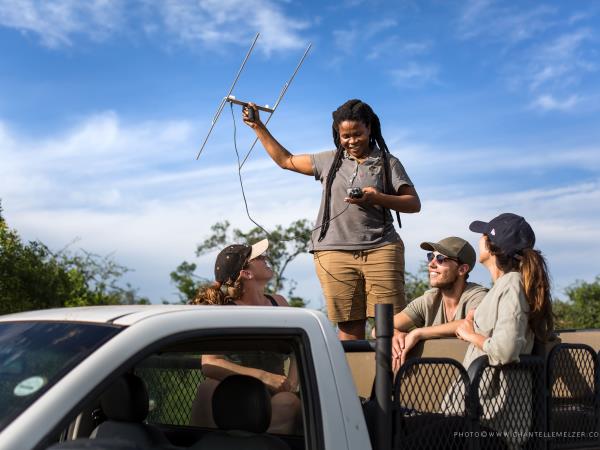
Human-powered activities are a core part of the programme. Volunteers participate in regular wildlife monitoring walks and tracking excursions on foot, minimising fuel use while allowing for low-impact wildlife observation.
The project also incorporates shared transport throughout activities, including group game drives and conservation patrols, reducing overall vehicle use within the reserve.
Vegetarian meal options are available throughout the programme, and meals are often prepared using locally sourced ingredients where possible, supporting local suppliers and reducing food transport distances.
Volunteers are encouraged to travel responsibly, minimise waste and respect the natural environment throughout their stay. The programme also promotes environmental awareness and education, helping participants better understand conservation practices.
ENVIRONMENT AND WILDLIFE
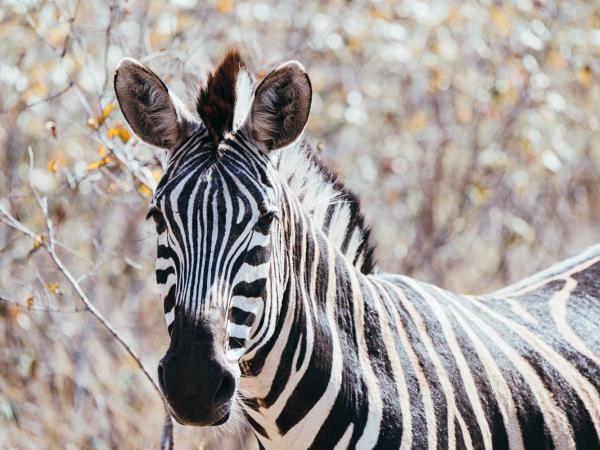
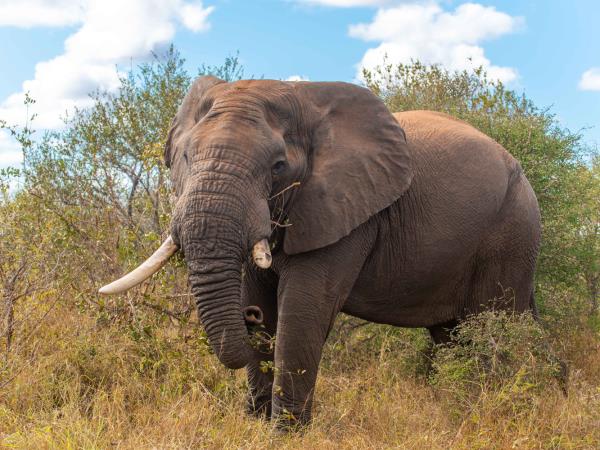
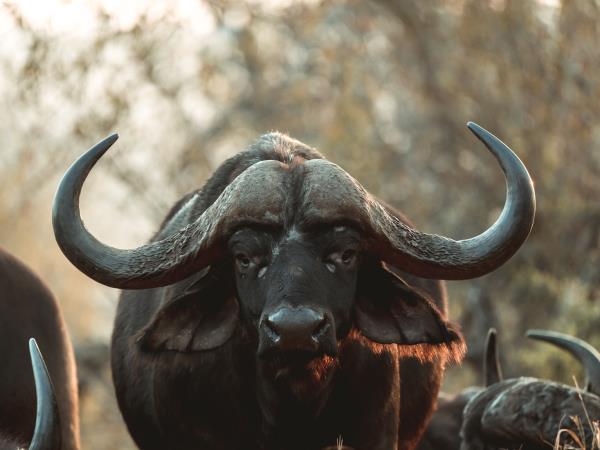
This programme directly supports long-term wildlife conservation and biodiversity protection in South Africa’s Limpopo region. Volunteers contribute to ongoing monitoring and research projects focused on endangered and vulnerable species including elephants, rhinos, lions, leopards, wild dogs and hyenas.
Data collected by volunteers is shared with wildlife managers, anti-poaching units, researchers and conservation teams to support evidence-based conservation strategies and species protection initiatives.
The project also includes habitat restoration activities such as erosion control, invasive plant removal and bush clearing, helping to maintain healthy ecosystems and improve habitat quality for wildlife.
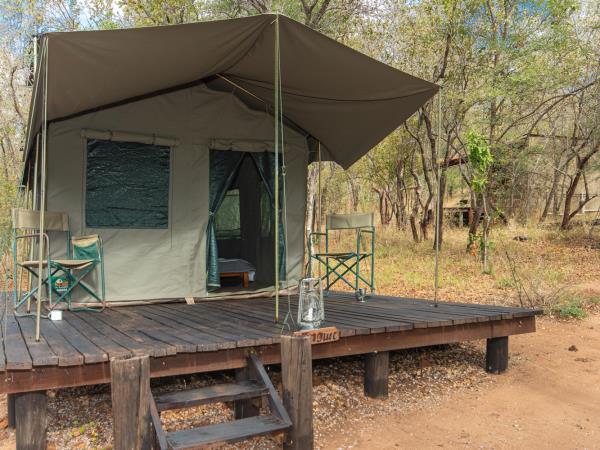
Accommodation and operational practices within the reserve aim to minimise environmental impact through responsible waste management, controlled use of natural resources and conservation-focused land management practices.
Experienced local field guides provide educational briefings on responsible wildlife behaviour, ecosystem protection and low-impact travel practices, helping volunteers better understand how to minimise their environmental footprint while in sensitive natural areas.
The reserve itself plays an important role in protecting large areas of wilderness habitat and supporting biodiversity conservation within a protected Big 5 ecosystem.
People
LOCAL ECONOMYThe programme supports the local economy by employing local field guides, conservation staff, trackers and support teams from surrounding communities in Limpopo.
Volunteers contribute directly to the regional economy through the use of locally operated services, accommodation providers and food suppliers during their stay.
The project also creates longterm employment opportunities linked to conservation and eco-tourism, helping demonstrate the long-term economic value of protecting wildlife and natural habitats.
Participants gain meaningful cultural exchange opportunities through daily interaction with local staff and guides who share their knowledge of the bush, wildlife and regional conservation challenges.
EMPLOYMENT, INCLUSIVITY AND DIVERSITY
The project works closely with local South African staff and guides, many of whom come from nearby communities and bring extensive regional knowledge and tracking expertise to the programme.
The conservation programme helps create employment and skills-development opportunities within the local community through guiding, hospitality, reserve management and conservation support roles.
The programme promotes an inclusive international volunteering environment, welcoming participants from diverse cultural backgrounds who share a common interest in wildlife conservation.
All volunteers work together in a supportive team environment under the supervision of experienced field professionals, encouraging collaboration, cultural exchange and shared learning experiences.
Popular similar holidays
Endangered wildlife conservation in South Africa
From R33440 14 days excluding flights
Volunteer with endangered species in South Africa
Shark conservation in South Africa
From £999 7 days excluding flights
Shark and marine big 5 conservation project
Rhino conservation project, South Africa
From £2695 15 days excluding flights
Join a critical rhino rescue mission in South Africa