Japan & South Korea private escorted tour, 21 days
Price
£4995 excluding flights
Convert currency:


Duration
21 Days
Countries
Japan, South Korea
Type
Tailor made
More info
20 nights budget-comfortable accommodation, en suite (3 star business hotel standard: clean, compact, well-located).
Private guide escorting guests on public transport.
Private guide escorting guests on public transport.

Description of Japan & South Korea private escorted tour, 21 days
Price information
£4995 excluding flights
Convert currency:
20 nights budget-comfortable accommodation, en suite (3 star business hotel standard: clean, compact, well-located).
Private guide escorting guests on public transport.
Private guide escorting guests on public transport.
Departure information
This trip can be tailor made throughout the year to suit your requirements
Travel guides
Travelling between Tokyo, Kyoto and the Japanese Alps by train is easy, fast and unmissable.
Let our guide whisk you away to India, Japan or Scotland, revealing how to get the most out of your trip.
Responsible Travel
As the pioneers of responsible tourism, we've screened this (and every) holiday so that you can travel knowing we've worked to maximise the benefits of your holiday to local people and places, and minimise any negative impacts.
Planet
This itinerary leans heavily on rail. The Shinkansen (bullet train) covers all major inter-city legs: Tokyo to Kyoto, Osaka to Hiroshima return, Osaka to Kanazawa, and Kanazawa back to Tokyo. Japan's Shinkansen is one of the world's most energy-efficient high-speed rail systems — it uses approximately 1/8 the carbon per passenger-kilometre of a domestic flight. On city touring days, local metro and buses replace private vehicles entirely. Japanese hotels at this tier typically source from the national grid (which is approximately 20% renewable as of 2026, with a government target of 38% by 2030) On all city touring days (Tokyo: 3 days, Kyoto: 2 days, Osaka: 2 days, Kanazawa: 1 day), the guide takes you on public metro, buses, and local trains. This replaces private vehicle use entirely on those days, reducing per-person CO2 significantly. The only private vehicle days are the Hakone transfer (where public transport with luggage is impractical) and the Kyoto-Nara-Osaka transfer day. Walking is a significant daily component. The itinerary includes: the Fushimi Inari shrine trail (a 2–3 hour uphill walk through thousands of torii gates), the Arashiyama Bamboo Grove and hillside temple walk, the Higashiyama historic district walk from Kiyomizudera through Ninenzaka and Sannenzaka, Nara Park (walked on foot among the deer and temples), and Miyajima Island (explored entirely on foot). Across the 14 days, you'll walk a substantial portion of each touring day. Cycling and kayaking are not currently part of the standard itinerary but can be added — for example, a half-day Kyoto cycling tour or a Lake Ashi kayak session in Hakone.People
Japanese cuisine is inherently seasonal and local — this is not a marketing claim but a cultural practice. Kaiseki meals feature ingredients sourced from the immediate region and change with the season. On this itinerary, you'll eat at Omicho Market in Kanazawa (Day 13) and Tsukiji Outer Market in Tokyo (Day 3) — both are local food markets where vendors sell produce, seafood, and prepared foods sourced from the surrounding prefecture. Even convenience-store onigiri in Japan lists the rice's prefecture of origin on the packaging. Local people are employed and their families looked after as Jaan builds ecosystems through food production. That is the idea behind a new farming method emerging from Japan. Known as Synecoculture, it not only enhances biodiversity but also aims to help address social challenges, including poverty. Rural areas like Ozu City and Shirakawa-go use community-led management to preserve historical landscapes, limit visitor numbers, and protect local ways of life.Popular similar holidays
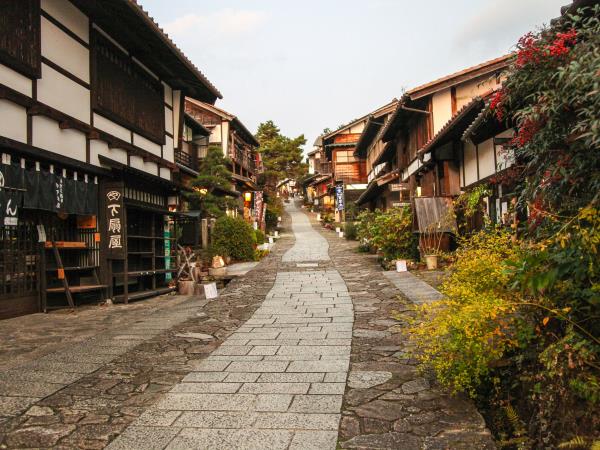
Japan self guided walking holiday, Nakasendo Trail
From £915 - £1315 5 days excluding flights
Self-guided walking along Japan’s ancient Nakasendo trail
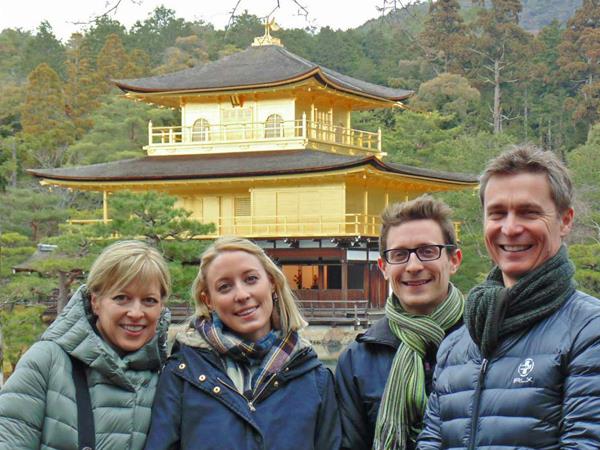
Japan golden route holiday
From £2200 10 days excluding flights
9-night classic Japan trip: Tokyo, Fuji, Kyoto
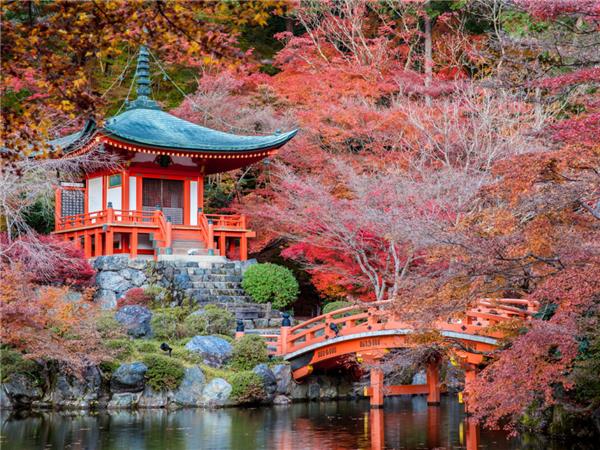
Japan holiday, ancient and modern
From £5507 - £6143 14 days excluding flights
Explore the attractions of this vibrant nation