

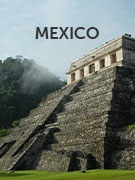
Best time to visit Baja California

If you’re coming to see grey whales, mid Jan – late March are the months to be in Baja. This is when they migrate here to mate and give birth.
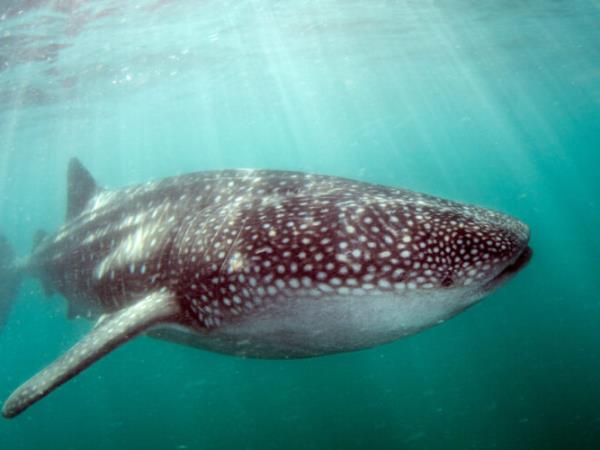
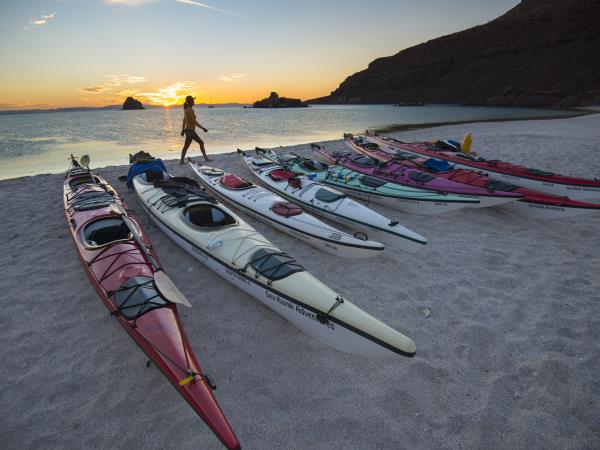
February is peak month for both grey whales and visitors, and whale watching trips take place in Magdalena Bay and San Ignacio Lagoon. If you’re here just for the sea kayaking, the best time to visit Baja is the end of Oct-early Dec, as well as Mar-Apr, as the wind drops and the Sea of Cortez is clear and calm. Other whale and dolphin species can be seen at this time – or take a combined trip when the grey whales visit. For whale sharks, head to Bahia de la Paz from Oct-March. Jun-Oct are brutally hot, with a risk of hurricanes.

Baja Weather Chart

 
MIN °C
MAX °C
RAIN (mm)
JAN
13
25
12
FEB
13
26
2
MAR
13
27
0
APR
15
29
1
MAY
17
30
0
JUN
19
32
0
JUL
23
33
15
AUG
24
34
60
SEP
23
33
85
OCT
21
32
35
NOV
17
29
20
DEC
14
26
20

Contact Us

Responsible Travel, Travel Team

Call us for a chat about our holidays. We are happy to discuss your holiday and help in any way we can. No bots, queues or awful hold music.

Responsible Travel, Travel Team

Baja California travel tips

Kayaking tips

Michelle Darnell, from our supplier ROW Adventures, shares her top Baja travel advice:

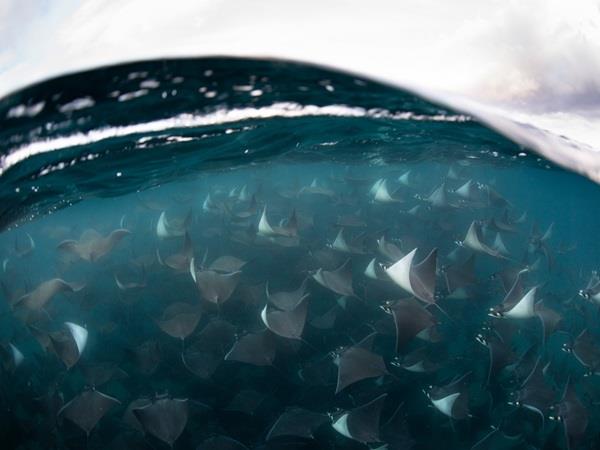
“The great thing about the Sea of Cortez is that it’s a fairly sheltered body of water so we can take all levels – novice to experienced paddlers. If somebody is experienced, we can point them to an itinerary that has a bit more paddling, more challenging days, longer distances… and then we have a lot of great trips for novices, for families and even for children as young as nine. We use mostly tandem kayaks which provide really great stability and make the paddling easy. And it allows us to bring the kids because they can partner up with a parent or another adult It’s also nice because there is so much wildlife that if a pod of dolphins passes by or we get a awesome show of flying manta rays jumping out of the water, we can stop and one person can take pictures – the tandems are great for that.

Whale watching tips

“We have two whale camps on the Pacific side of the peninsula – one in Magdalena Bay, and the at San Ignacio lagoon. They are both set up with full height canvas tents, we go out a couple of times a day in pangas – local fishing boats – and the whale watching is all grey whales on the Pacific side. There’s an incredible density of whales in quite a small area, so even from our Magdalena Bay camp you can sit on the beach at night and you can watch whales passing by or spyhopping or breaching out in the lagoon, so it’s really quite a unique experience. In Magdalena Bay we’re actually out on a barrier island, it’s just this beautiful sand dune island and beaches, and so it’s quite a unique cam setting as well.”

Cultural advice

“Something that’s really important to us is that we share the local culture. We don’t bring in guides from the US; we hire and train local guides who are Spanish and English speaking. Our guests love hearing about the culture, whether it’s the history, legends or cooking lessons while we’re at camp. Loreto and the whale camps are very small, so you get this great cultural exposure just by the nature of where you’re at. It’s not a large city, there’s not a lot of tourist distraction, so you get a pretty good glimpse into what the life of these people is. It’s really what our guests tell us they love most about our trip – they love the guides, they love the cultural interaction. We try to keep an authentic menu, they really have a lot of fresh local ingredients so it’s absolutely incorporated into all of our trips.”

Packing tips

Dr Nic Slocum is a marine zoologist and senior tour leader at our supplier Whales Worldwide. He has been observing whales in their natural habitat for over two decades:

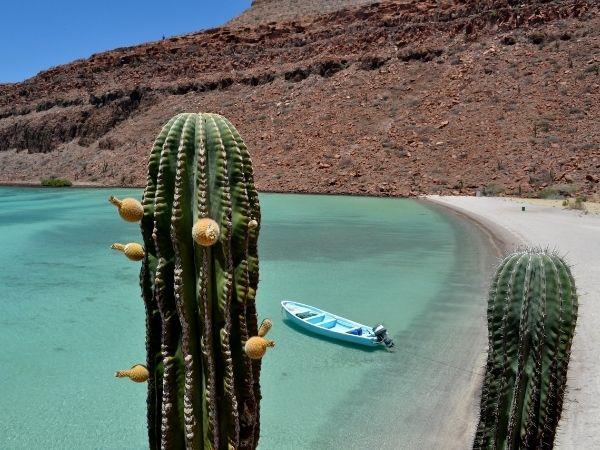
“Baja is remote so make sure you take everything you need for your holiday as many goods may not be available or have run out. Always pack a wide brimmed hat and quick drying slacks. The type that transform to shorts are the most useful. Thick soled rubber sandals are essential because cactus spines may be present on island beaches. Lastly, the average Mexican wage on Baja is very low and they rely heavily on tips from visitors. Tip appropriately, but not too generously."
Written by Vicki Brown
Photo credits: [Page banner: ryan harvey] [Temp chart: ryan harvey] [Kayaking: Max Goldberg] [Whale watching tips: Michael R Perry] [Cultural advice: Rob Bertholf] [Packing: Michael R Perry]