Elephant conservation in Sri Lanka
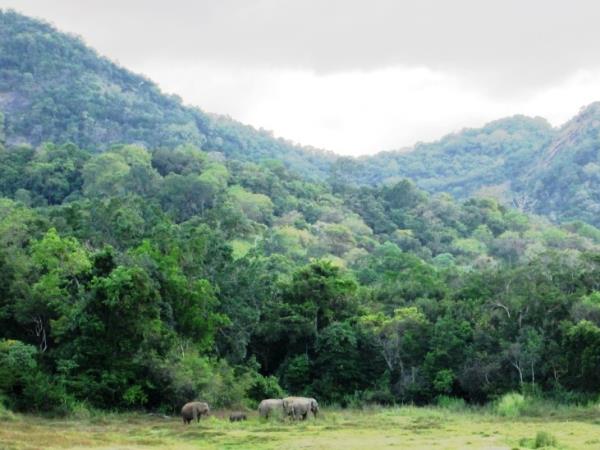


Description of Elephant conservation in Sri Lanka
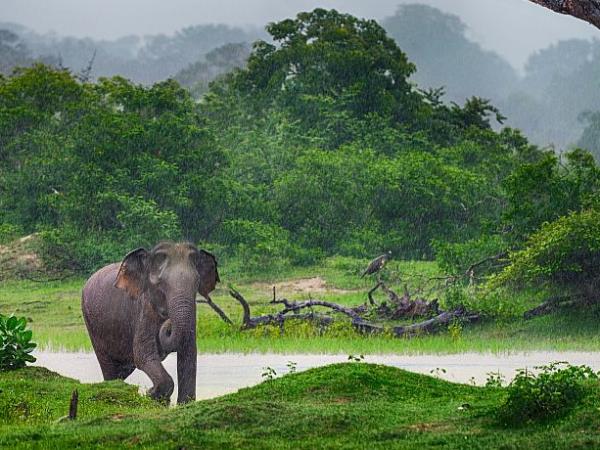
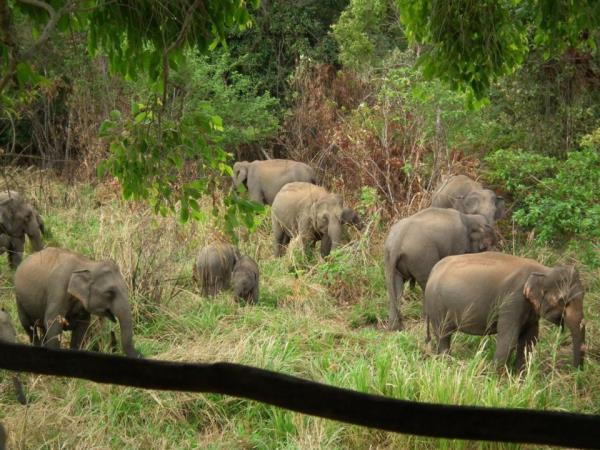
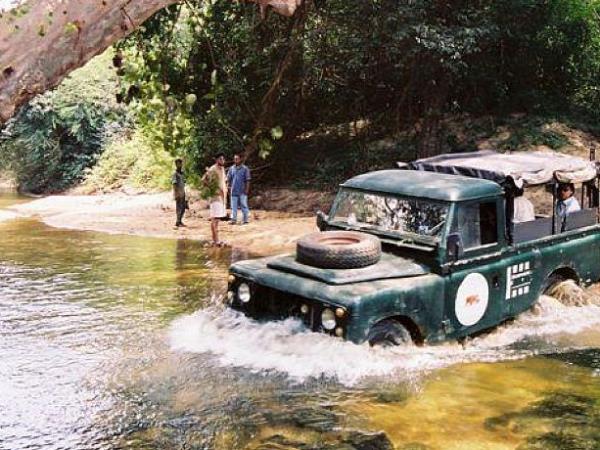
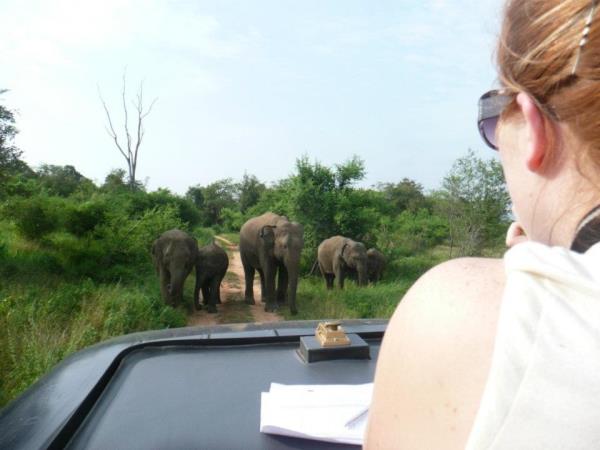
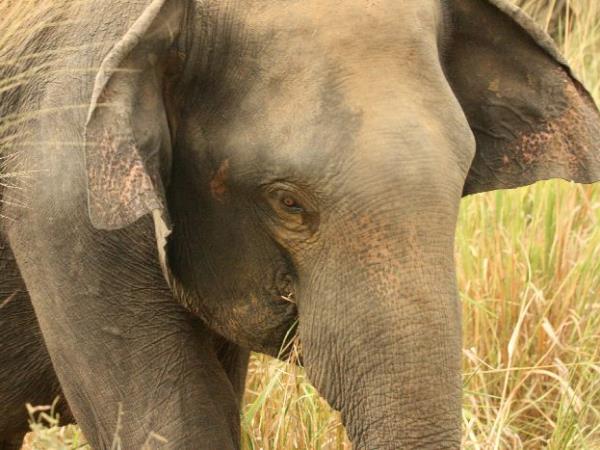
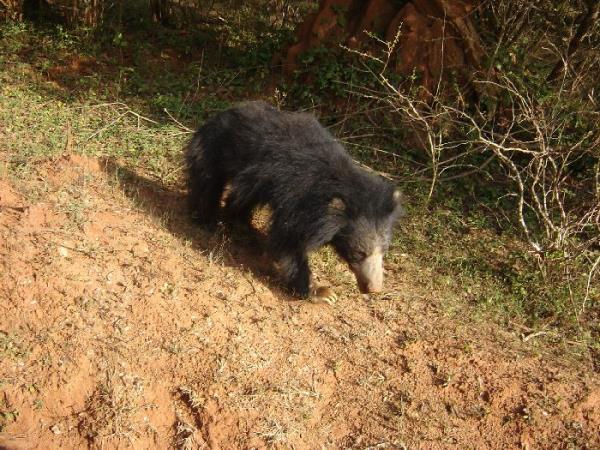
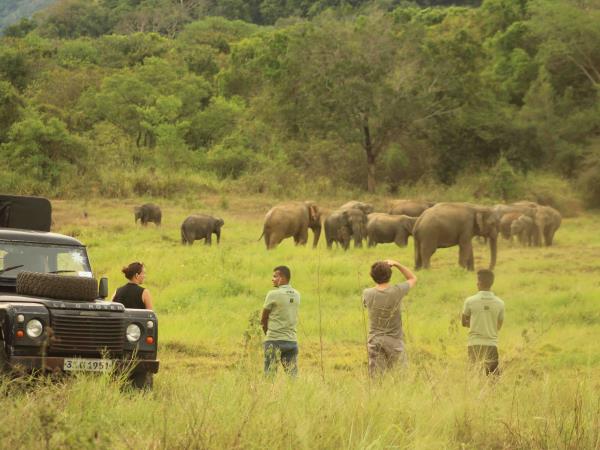
Situated within in the breathtaking surroundings of the Sri Lankan jungle, this project offers volunteers the opportunity to carry out vital ecological research on the region’s elephants while witnessing this majestic species in its natural home. The aim of the project is to assess and reduce human-elephant conflicts within the surrounding region; issues which have become very strained in recent years. Volunteers assist in the implementation of sustainable land-use initiatives using GPS, remote sensing and GIS techniques to develop conservation strategies which will help to protect elephants, leopards and other wildlife in the Central and North Central Provinces of Sri Lanka.
The notion of living harmoniously with nature is deeply embedded in the cultural consciousness of Sri Lanka’s indigenous communities. This is primarily due to the Buddhist fabric of the country, a religion and way of life that advocates Ahimsa (non-violence). This is a value which this project aims to cultivate and nurture and to use in the rebuilding of human-elephant relationships.
The research conducted during this project is carried out to meet rigorous scientific inquiry and is based on adaptive management strategies. Through this programme, volunteers have the chance to experience a true, natural wilderness and contribute to field research and environmental protection in a meaningful way. The support and manpower from volunteer involvement is essential in safeguarding the wilderness, and sustaining cultural practices that are thousands of years old.
Activities that you could be involved with on the project:
- Observations on human-elephant conflict (HEC)
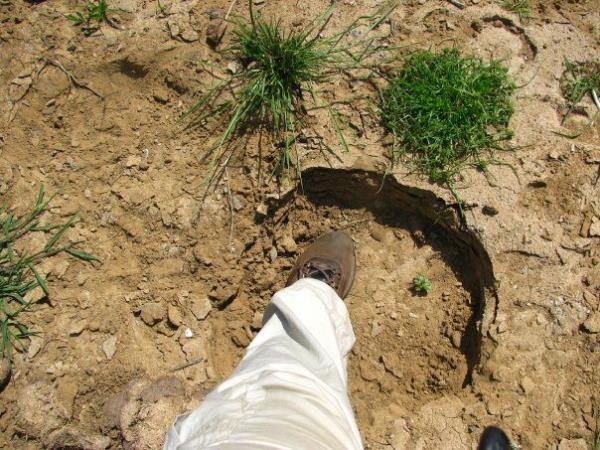
- Conducting trail transects
- Monitoring electric fences
- Monitoring water tanks (irrigation reservoirs)
- Elephant identification
- Community project monitoring
- Observing wildlife and collecting data
- Sand/camera traps and scat analysis
- Bird mapping surveys
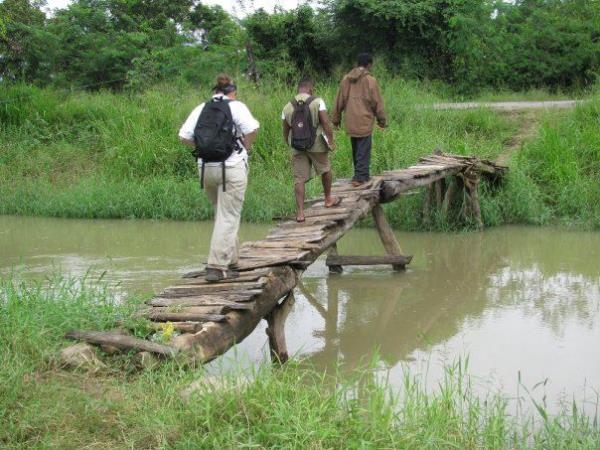
- Trekking in the jungle
Accommodation:
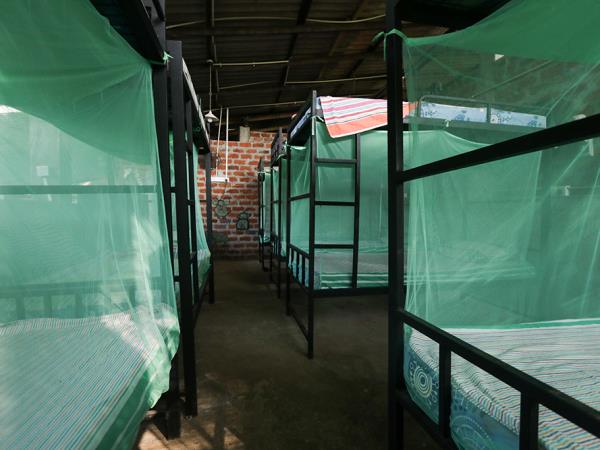
While rustic, the accommodation here is situated on lush lands surrounded by beautiful biodiversity. You will share the volunteer house with up to 29 other people, with rooms and bathrooms being shared on a same-sex basis. There are western toilets that flush with sinks and showers, and while the water may not be hot, it is naturally warmed up throughout the day as the pipes are always exposed to the hot Sri Lankan sun.
Price information
Check dates
2027: 3 Jan, 10 Jan, 17 Jan, 24 Jan, 31 Jan, 7 Feb, 14 Feb, 21 Feb, 28 Feb, 7 Mar, 14 Mar, 21 Mar, 28 Mar, 4 Apr, 11 Apr, 18 Apr, 25 Apr, 2 May, 9 May, 16 May, 23 May, 30 May, 6 Jun, 13 Jun, 20 Jun, 27 Jun, 4 Jul, 11 Jul, 18 Jul, 25 Jul, 1 Aug, 8 Aug, 15 Aug, 22 Aug, 29 Aug, 5 Sep, 12 Sep, 19 Sep, 26 Sep, 3 Oct, 10 Oct, 17 Oct, 24 Oct, 31 Oct, 7 Nov ...
Travel guides


Responsible Travel
Planet
Asian elephant numbers have been falling dramatically for the last 100 years, in part due to human-elephant conflict. This project is the first participatory, community-based, elephant research and conflict resolution project in the world. The UNDP Equator Initiative awarded the project an Equator Prize in 2008. Volunteers are vital in the collection of field research and involvement in conservation activities, which develop strategies for elephant conservation, sustainable land use and to mitigate human-elephant conflicts.The monetary contributions of the volunteers is what makes it possible for the wildlife research, conservation and community development programmes of this project to sustain themselves in the long term. These funds make it possible to conduct research, maintain field equipment, pay salaries of field staff, hire local youth to work on projects, help to maintain electric fences, and provide villagers with innovative land-use measures to mitigate human-wildlife conflict, climate change adaptation and biodiversity conservation by minimising their impact on the environment.
People
There is a common misconception that volunteering abroad must be a good thing and will positively benefit not just the volunteer but the host community and those involved. Unfortunately this is not always the case. The increased demand for volunteer placements in developing countries has been met by an influx of new projects and volunteer-sending organisations created purely to meet this demand. The result may cause devastating effects to local culture and result in the exploitation of both the volunteer and the host community.This project strives to adhere to the strict Responsible Travel policy, and has been developed so that it addresses actual local needs and has the community’s needs at its heart. Understanding and respecting the host community is paramount to the success of any project as long term commitment, support and adoption of sound environment, economic and social practices. This project employs as many local people possible, making it sustainable socially as well as environmentally.
Popular similar holidays
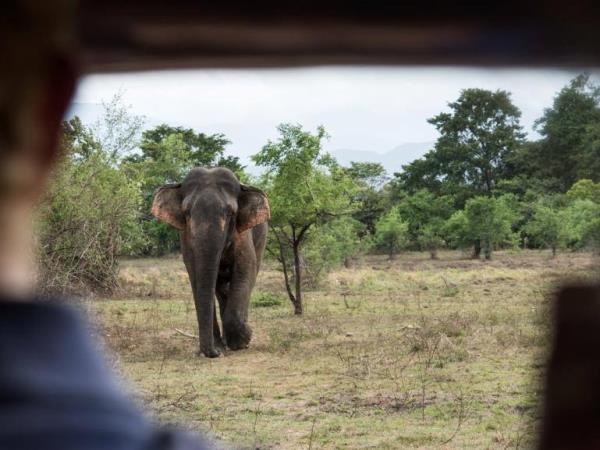
Elephant & wildlife conservation volunteering in Sri Lanka
From £895 7 days excluding flights
Help wild elephants & wildlife in Sri Lanka
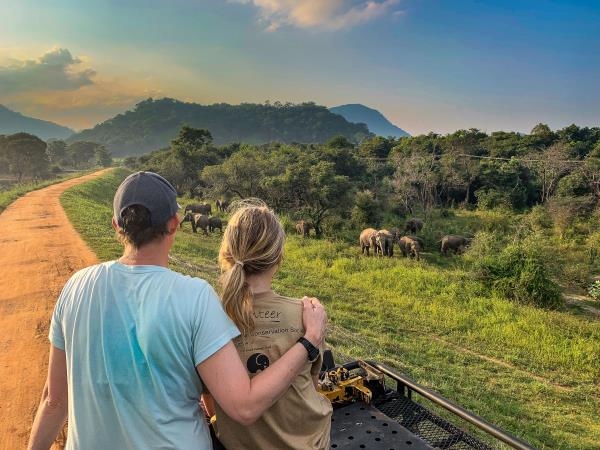
Elephant family conservation holiday, Sri Lanka
From £895 7 days excluding flights
Help protect wild elephants and other wildlife in Sri Lanka
Sri Lanka elephant conservation holiday
From US $1600 7 days excluding flights
Experience Sri Lanka with Elephant Conservation