Family volunteering with monkeys in South Africa
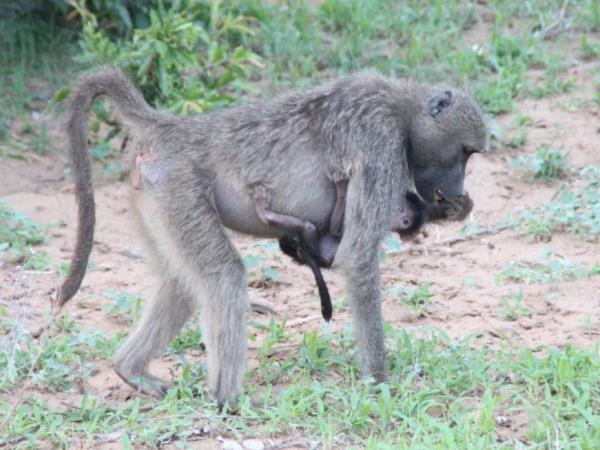


Description of Family volunteering with monkeys in South Africa
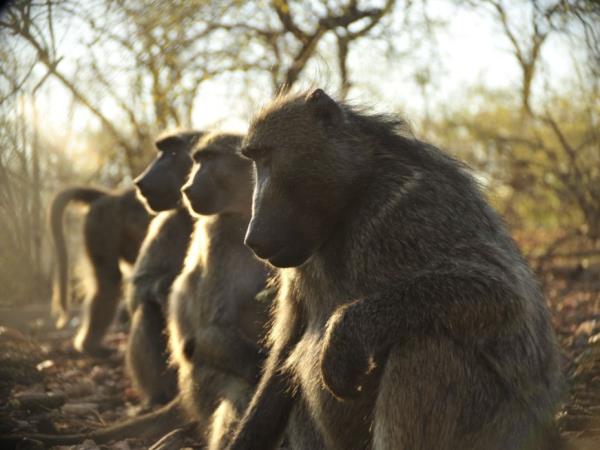
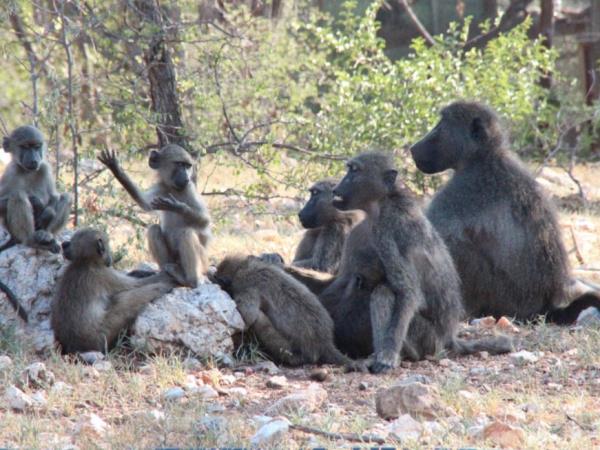
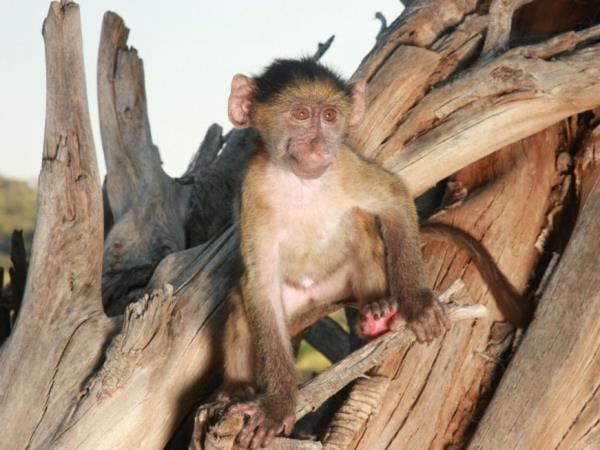
Embark on a life-changing family adventure at a renowned primate rehabilitation center in South Africa! Here, you’ll work hands-on with adorable baby baboons, helping them prepare for their future in the wild. This unique volunteering opportunity is perfect for both kids and adults who want to immerse themselves in the beautiful African bush and make a real difference.
Home to over 400 rescued baboons awaiting release, this inspiring family-run project is looking for enthusiastic helping hands. Together, you'll become vital members of the team, engaging in a variety of rewarding roles, such as:
Daily food preparation in the milk kitchen
Troop cleans: maintaining enclosures with enrichments and hay
Feeding other animals at the center, including rabbits and lizards
Creating enrichments for the baboons and observing their interactions
Grooming older baboons who cannot be released
Caring for nursery orphans in quarantine
Facilitating bonding between infant baboons and their adult surrogates
Monitoring baboon behavior and learning about troop dynamics
Enjoying activities at the nearby Big 5 reserve, including game drives and wildlife spotting
Assisting in veterinary care for the baboons
This project fosters a warm, family-friendly atmosphere where volunteers share meals and stories under the starlit African sky.
How Does the Rehabilitation Process Work?
Each year, countless baboons arrive at the rehabilitation center, rescued from poaching, illegal pet trades, and road accidents. These vulnerable infants require round-the-clock care. As they grow, they integrate with juvenile primates under surrogate care, gradually learning social structures within the troop. After about four years, these baboons are prepared for their full release into the wild.
Many families have enjoyed spending two weeks here as part of a larger holiday, often concluding their journey with a safari at Kruger National Park.
Don’t miss this incredible opportunity to engage in conservation work, embrace a different culture, and experience authentic South African bush life with your family!
Itinerary
| Day 1 | Arrival day is a Monday. Other arrival days possible on request. You will be collected from Hoedspruit airport and driven up to the centre, a 90 minute journey away. |
| Day 2 | You will receive a full induction and tour- and get fully stuck into the project! Expect lots of monkey hugs! |
| Day 3:13 | Tasks here are demand-driven, fluctuating with the seasons and imminent releases. Your involvement might include daily food prepping in the milk kitchen, maintaining enclosures during 'troop cleans,' and feeding diverse animals like rabbits, guinea pigs, chickens, snakes, and lizards. Crafting enrichments and witnessing baboons interact with them is part of the experience. You could also spend time grooming older baboons ineligible for release, care for nursery orphans in quarantine, and assist in bonding infant baboons with adult surrogates. Monitoring baboon behavior, troop dynamics, and social structures is a learning opportunity. Beyond baboon care, activities extend to joining game drives in the Big 5 reserve, enjoying sundowners at the Picnic Spot, river trips for wildlife spotting, and occasionally bringing the babies to the river. Your role may involve preparing for releases, contributing to the veterinary clinic, and observing various facets of primate care. |
| Day 14 | Return to the airport or head on for further family travels |
Price information
Child price 2 weeks: £795.
Minimum age 8.

Departure information
Travel guides

Holiday information
Accessibility
Reviews
7 Reviews of Family volunteering with monkeys in South Africa
Reviewed on 14 Jan 2024 by Paul Tarvit
Keeping the baby baboons entertained and watching them integrate into a new troop. An excellent and memorable trip, full of unique experiences that can’t be found on a tourist trip, but not without some hard work and giving up comforts. Read full reviewReviewed on 21 Mar 2019 by Tanja Larsen
Very good and an experience of a life time :-) Read full reviewReviewed on 28 Aug 2019 by Julia Macrory
A fantastic way to introduce my young child to volunteering in a developing country, because the company gave us the support and reassurance needed throughout the whole process. Read full reviewReviewed on 12 Aug 2017 by Helen Cook
Swimming with the baboons! The people, the monkeys ... an incredible experience made special by Bob, Lynne, Mias and all the volunteers. Read full reviewReviewed on 05 Dec 2016 by Pagona Roussi
Be prepared for fun but also a lot of work. Do not wear glasses, the monkeys love them! Read full reviewReviewed on 12 Apr 2016 by Lee Jeanes
I'd rate our holiday as excellent and would recommend to anyone Read full reviewResponsible Travel
Planet
Meaningful rehabilitationFor rehabilitation to be lasting and meaningful, there are various stages that the primates need to go through. Most of them will arrive at the centre at a very young age, having lost their mothers or troupe in traffic or domestic accidents. Very much like humans, they need contact and comfort for the first 15 months of their lives. This is where the volunteers come in. The project has been designed with welfare, conservation and success at the core with university studies and monitoring ensuring its merits throughout.
The rehabilitation process takes about 4 years in total: 1 year - 18 months where they need constant care, feeding and bathing, then the latter time to distance themselves from humans, form part of a troupe and be released to the wild. This is carried out using larger enclosures with less food over time, encouraging them to fend for themselves. The latter stages of rehabilitation are all about rewilding, at which point they can be released back to the wild a long way from this centre.
Protecting the world
We are passionate about encouraging our travellers to be kind to the environment as they travel. Each participant receives advice about how to care for the environment whilst they are away. This includes water usage, how to avoid single use plastic and electricity usage.
We insist that all participants bring their own water bottles when they travel with us, and clean free water is always available. We have even created a water bottle that can be purchased before departure and encourage people to use it at all stages of their journey including at the airport, on flights and whilst on their project. We are striving for all of our projects to be free of single use plastic.
People
The importance of the projectThe centre started when its founder rescued a monkey from death and abuse and realised that help was needed for many more. It was decided to establish a centre where orphaned, abused, injured and misplaced monkeys could be treated and rehabilitated. Now the centre is held up as an example of good practice by government bodies as well as NSPCA. It also has links with academic research organisations. However, funds are tight and charitable donations and voluntary help are crucial for its survival.
Meeting local needs
As well as helping to protect monkeys and other animals, this rehabilitation centre plays an important role in protecting the local economy. The rural area relies on its wildlife and landscape to attract tourists, as there are no big cities nearby. The centre brings visitors to the area and has created jobs for 9 local people. It also promotes local art and helps villagers to market their wares to tourists. By helping at the centre, our volunteers are ensuring its survival and allowing it to expand the number of animals it can help. They also contribute to the local economy themselves, creating jobs for domestic staff at the centre, eating locally grown produce and shopping in the town.
Cultural sensitivity
We emphasise the importance of showing respect for local people and their customs in our briefing material. Participants will work alongside permanent staff, forming close bonds and getting an insight into real life in rural South Africa. Our policy is to send people to the developing world in small groups or individually. This minimises the environmental and social impact that the participants have on the destination and helps them to integrate into the local community.
Popular similar holidays
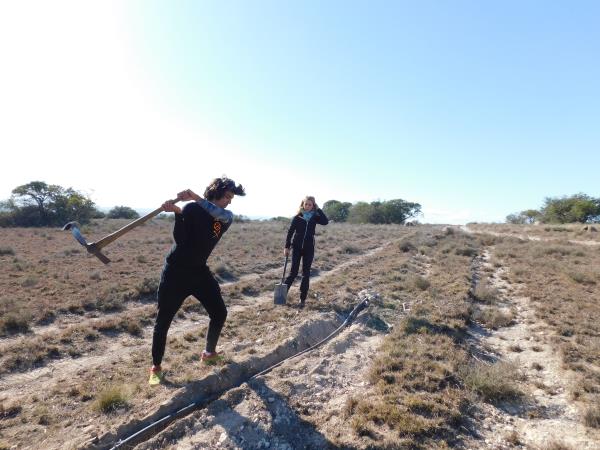
Big five conservation in South Africa
From £695 - £6095 8 days excluding flights
Volunteer with the Big Five in South Africa
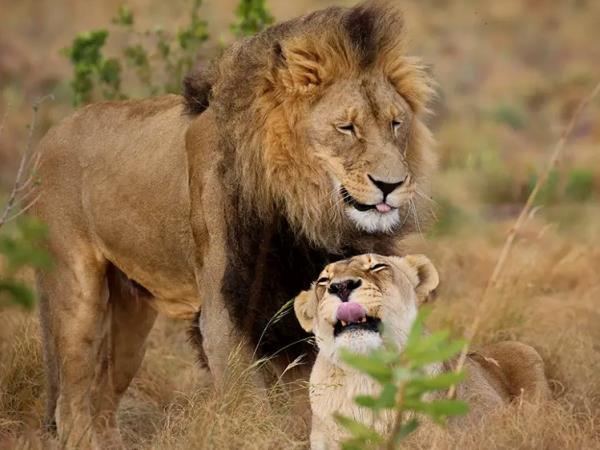
Big cat rescue holiday, South Africa
From £785 7 days excluding flights
Help at an ethical Big Cat Rescue Sanctuary
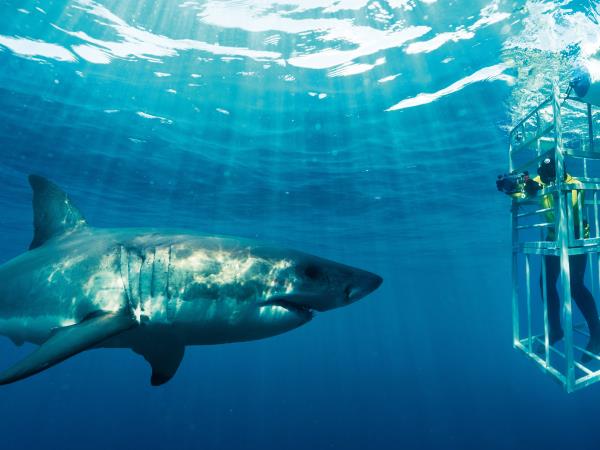
Marine conservation holiday, South Africa
From £925 - £2210 7 days excluding flights
Shark & penguin conservation on the Cape Whale coast