Kanchenjunga base camp trek in Nepal
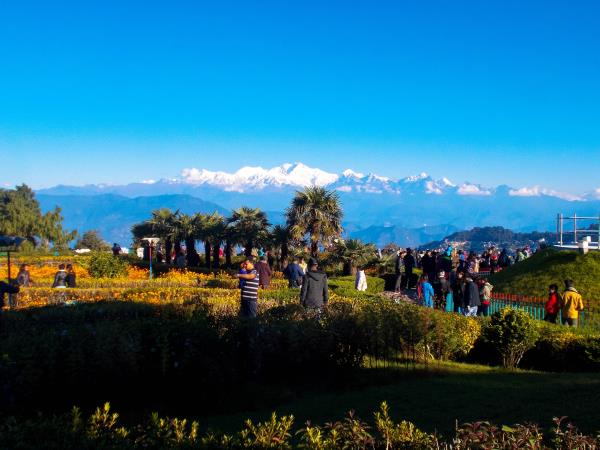
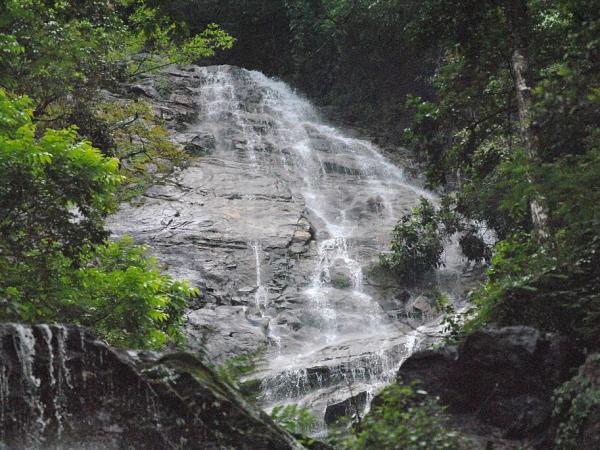
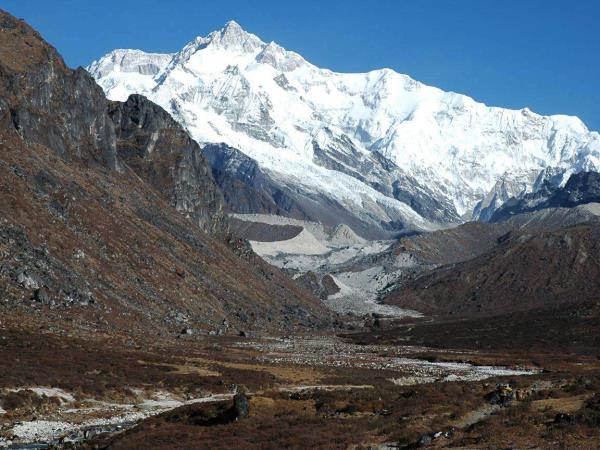
Price
US $2580ToUS $3200 including domestic flights only
Convert currency:


More info
Off the beaten trail where you rarely meet any other trekker on your way!
All-inclusive basis: accommodation, guide, porter, meals, transport.
Best time to visit: Feb-June; Sep-Dec
Contact us for customization or join our group departure!

Description of Kanchenjunga base camp trek in Nepal
Price information
US $2580ToUS $3200 including domestic flights only
Convert currency:
Off the beaten trail where you rarely meet any other trekker on your way!
All-inclusive basis: accommodation, guide, porter, meals, transport.
Best time to visit: Feb-June; Sep-Dec
Contact us for customization or join our group departure!
Departure information
This trip can be tailor made throughout the year to suit your requirements
Travel guides
Discover whether a walk in the Himalayas is for you with our guide to the ups and downs.
Otherworldly landscapes, epic views and summit sunrises await on the world’s most lofty trails.
Reviews
1 Reviews of Kanchenjunga base camp trek in Nepal
5 out of 5 stars
Reviewed on 09 Nov 2022 by Martin Holley
1. What was the most memorable or exciting part of your holiday?
An outstanding trek in a peaceful, remote and beautiful area of Nepal.
2. What tips would you give other travellers booking this holiday?
Because its more remote, be prepared for 1 - 2 days of jeep travel to get to the starting point. If possible, try and add Pathibhara Temple to the itinerary.
3. Did you feel that your holiday benefited local people, reduced environmental impacts or supported conservation?
We stayed in tea houses so in that respect it benefited the local people.
4. Finally, how would you rate your holiday overall?
Excellent trip. The tour operator looked after us brilliantly.
Responsible Travel
As the pioneers of responsible tourism, we've screened this (and every) holiday so that you can travel knowing we've worked to maximise the benefits of your holiday to local people and places, and minimise any negative impacts.
Planet
The Kanchenjunga Conservation Area is a restricted-access wildlife corridor sheltering red panda, snow leopard, Himalayan black bear, and musk deer. Low trekker numbers mean animals on this route have not been conditioned to human presence, which is exactly what makes encounters possible, and exactly why behaviour in the field matters. Keep noise low, never offer food to wildlife, and always yield the trail. Leave no trace is the operating standard throughout: everything carried in is carried out.Waste and plastic. Burning rubbish is a common practice in rural Nepal because formal waste infrastructure does not reach most of the communities on this route. We work with our teahouse suppliers to demonstrate sorting and recycling alternatives, and we ask every trekker to help set that example. Leave single-use plastics at home — no plastic-wrapped snacks, no disposable bags. When buying from local shops, decline plastic bags. Carry a BPA-free refillable bottle and a water purification solution (tablets, UV pen, or filter); clean spring water is available throughout the trail, and there is no need to purchase bottled water at any point on the route.
Power. Electricity supply is intermittent or absent in most villages above Ghunsa. Bring a portable solar panel or a high-capacity power bank. Charging via solar is standard practice among local guides and porters on this trail.
Accommodation. Every teahouse and lodge on this route was built and is run by local families using locally sourced materials. Facilities are basic — shared rooms, squat toilets, limited hot water — but the environmental footprint is low. Cooking in the teahouses has been shifting from wood-burning stoves to gas and electric where income and supply chains allow; that transition is ongoing, and we support it actively through our supplier relationships.
Transport. A 30-day trek is, by definition, one of the lowest-carbon ways to spend a month of travel time. Road transfers on this itinerary are limited to the approach from Bhadrapur to Suketar and the return from Phidim to Kanyam — both necessary given the remoteness of the trailhead. The flight segments between Kathmandu and Bhadrapur are the most significant transport emissions on the trip and unavoidable given the distance.
People
Local employment, year-round. Every person running this trip — drivers, guides, cooks, and porters is Nepali, recruited specifically from the eastern Nepal communities along the Kanchenjunga route. This is deliberate. Employing locally means the people guiding you through a landscape are the people who grew up in it, speak its languages, and maintain relationships with the families hosting you. All staff receive a year-round salary, life insurance, meals, accommodation during the trek, full equipment, and transport. Seasonal, cash-in-hand employment is not how we operate.Where your money goes. Every teahouse, lodge, and restaurant on this itinerary is locally owned. Food is sourced from local farms, organic by practice rather than certification, because smallholder hill farming in eastern Nepal has never relied on synthetic inputs. A vegetarian diet is encouraged throughout; it draws on locally grown ingredients and reduces the logistical burden on remote teahouses that cannot reliably source or store meat. When you buy snacks, fruit, or souvenirs, buy from the small roadside shops along the trail rather than from larger suppliers in Kathmandu or Pokhara. The difference in where that money lands is significant.
Community projects. The route passes through villages running education, conservation, and livelihood programmes at various stages of development. The guide will introduce you to these during the trek. If you have skills, contacts, or ideas that might be useful to a project, raise them — we pass that kind of input directly to the people running the work on the ground.
Behaviour and cultural respect. Eastern Nepal's hill and mountain communities are conservative by the standards of Kathmandu or Pokhara. Dress modestly throughout the trek — legs and shoulders covered, particularly when entering villages, homes, or religious sites. Guides and porters in this region tend toward quietness; do not read that as indifference. Sitting down for tea together, learning a few words of Nepali or the local Limbu phrase, and asking questions about daily life opens conversations that a louder or more transactional approach closes off. Namaste at every greeting costs nothing and is always noticed.
Popular similar holidays
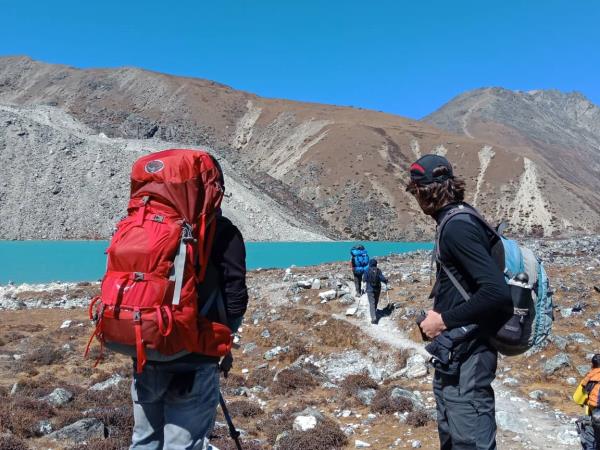
Gokyo Ri Valley trek in Nepal
From US $2150 - US $2420 15 days including domestic flights only
Gokyo Valley Trek: A Scenic Alternative to Everest Base Camp
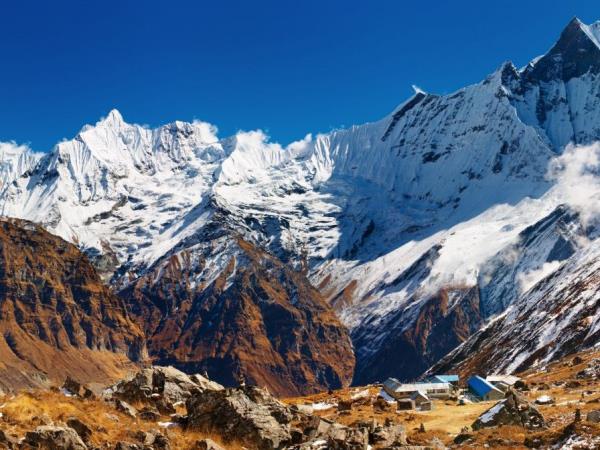
Annapurna Base Camp trekking holidays
From US $1135 - US $1550 8 days including domestic flights only
Most popular, legendary and classical trek in the world
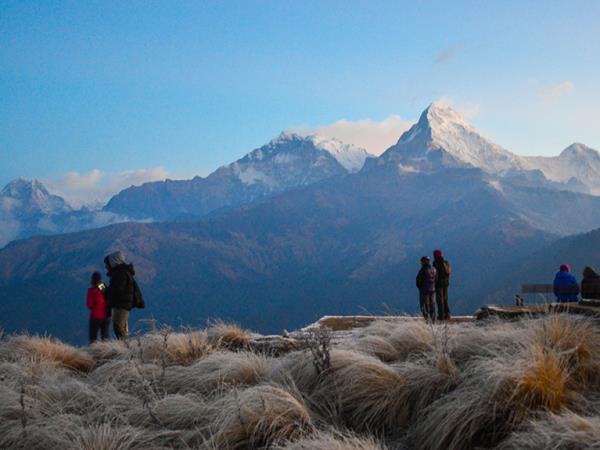
Ghorepani Poon Hill trek in Nepal
From US $850 - US $1155 7 days including domestic flights only
Moderate trek in the Annapurna Region