Tanzania wildlife adventure


Price
US $7995ToUS $9295 excluding flights
Convert currency:


Duration
10 Days
Type
Small group
More info
2026:
$7,995 per person in a double room
$776 supplement for single rooms
2028:
$9,295 per person in a double room
$655 supplement for single rooms
Max 18 travelers per group

Description of Tanzania wildlife adventure
Map

Price information
US $7995ToUS $9295 excluding flights
Convert currency:
2026:
$7,995 per person in a double room
$776 supplement for single rooms
2028:
$9,295 per person in a double room
$655 supplement for single rooms
Max 18 travelers per group
Check dates, prices & availability

Travel guides
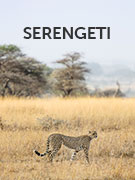
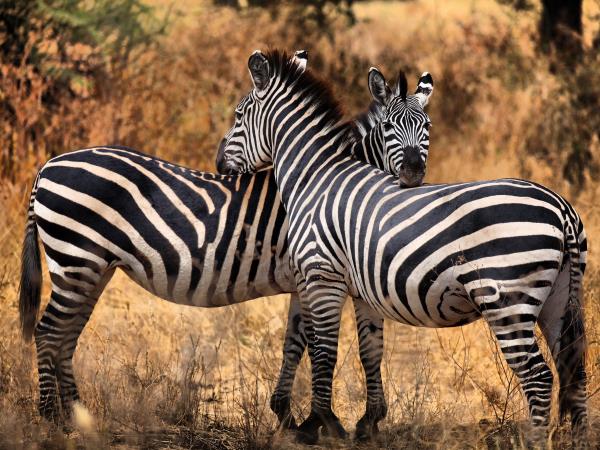
The Serengeti is the world’s greatest wildlife stage, with no prologue necessary, because here you go straight to the drama.
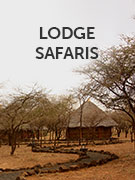
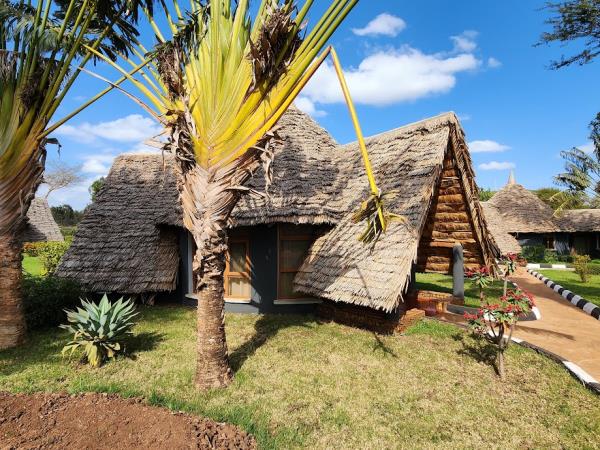
Returning to a revitalising hot shower after a long, dusty safari - that's the beauty of staying in a lodge.
Holiday information
INDIGENOUS PEOPLES:
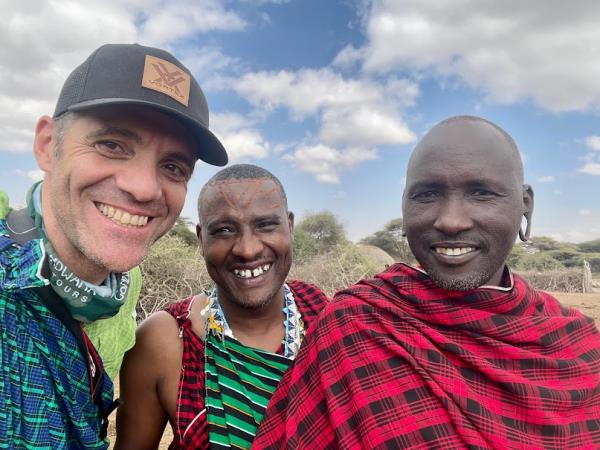
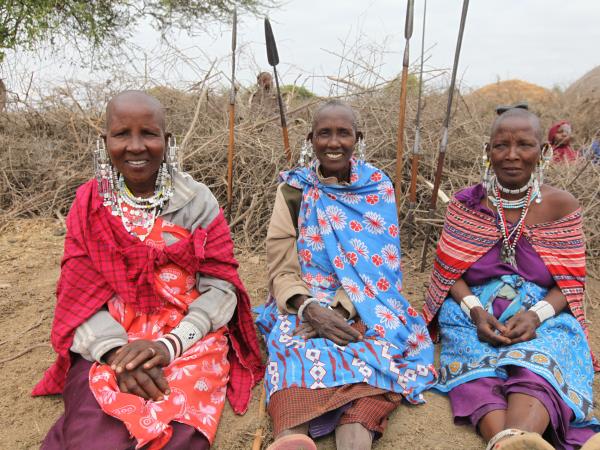
Guests will visit a Maasai boma, a traditional family compound, where guests will learn about their pastoral living, participate in traditional dance, and look at their handmade art. Through this partnership, this tour supports the Maasai community through donations and contributes supplies and material improvements to a community-driven primary school.
Responsible Travel
As the pioneers of responsible tourism, we've screened this (and every) holiday so that you can travel knowing we've worked to maximise the benefits of your holiday to local people and places, and minimise any negative impacts.
Planet
CARBON REDUCTIONWe have measured the carbon use and emissions associated with each of our tours in collaboration with Cooler, including what we eat, where we sleep, what we do, and our travel and transportation. At the end of each tour, we report the number of guests and pay Cooler to purchase carbon pollution permits from open markets in relation to the tour's measured carbon footprint.
Our accommodations use renewable energy and take steps to reduce their carbon footprint. On nights one to three and nine, guests stay at Serena Mountain Village in Arusha. All Serena properties operate with the mindset of achieving the Sustainable Development Goals established by the United Nations Development Programme. The properties source food locally and use local community artisans.
On nights six through eight, guests stay at Ang’ata Migration Ndutu Camp, where power for lighting is provided through individual solar panels and water is provided through solar water heaters.
We also use human-powered transport during some activities to reduce carbon emissions. On Day 2, guests take a guided ranger hike through Arusha National Park. On Day 3, guests take a short, guided walking safari escorted by a ranger in the Enduimet Wildlife Management Area.
We stay in lodges that are owned and operated by locals and specialize in minimizing their environmental footprint.
Each guest receives a reusable water bottle at the beginning of the trip, and we use safe water sources to refill them as needed. We avoid using bottled water unless absolutely necessary and reduce, reuse, and recycle whenever possible.
ENVIRONMENT AND WILDLIFE
We operate this tour with a maximum group size of 18 travelers to minimize our impact on the culture and environment where we visit.
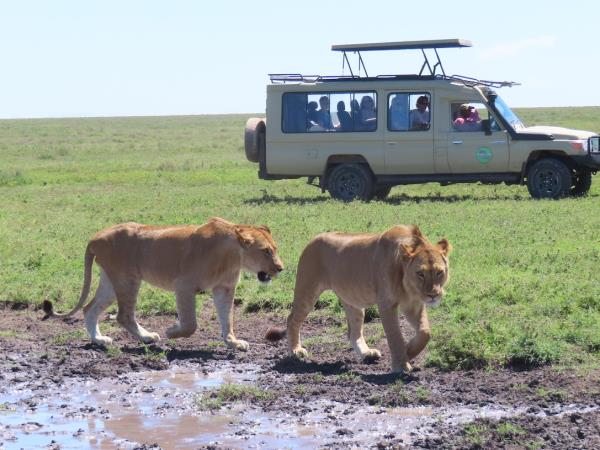
Our guides help guests view wildlife responsibly by keeping minimum distances, avoiding camera flashes, and not disturbing the animals.
During this tour, we visit Arusha National Park and Serengeti National Park, which prioritize the surrounding environment and wildlife. Arusha National Park dedicates conservation efforts toward Mount Meru, the volcano essential to the surrounding area's ecosystems. Its staff also conduct anti-poaching patrols and habitat restoration and work with local communities to spread awareness of sustainability, limit deforestation, and encourage sustainable agriculture practices.
Serengeti National Park remains a wilderness zone with no roads, and its buildings are unobtrusive to natural environments. Waste disposal from visitors is highly regulated. Locals are hired to staff the park and enact anti-poaching patrols. The park also trains local teachers on conservation and provides free park visits to schools and community groups to increase awareness about environmental conservation.
We work with local partners who are stewards of the land and cultural guardians who are part of the local fabric of each location we visit. Our guides have spent years learning about their environment and the animals living in it, and we are in constant communication with them to ensure our itineraries can be executed with the least amount of impact to the environment and local wildlife.
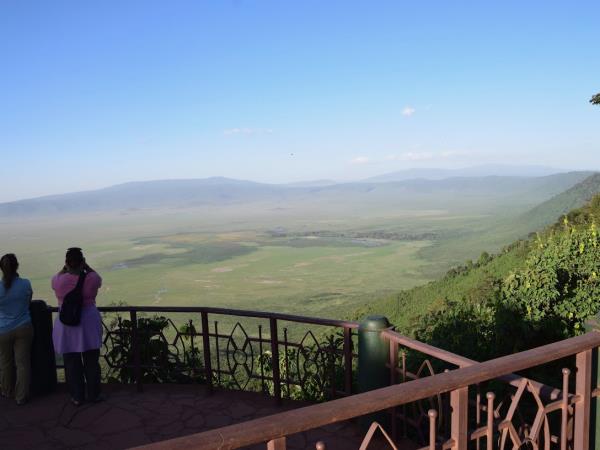
The itinerary includes an all-day safari in Arusha National Park, responsible wildlife viewing during a game drive in Tarangire National Park, a morning game drive in Ngorongoro Crater, and multiple game drives in Serengeti National Park.
We follow our Animal Welfare Policy during wildlife experiences.
Gondwana Ecotours is committed to responsible tourism and protecting animals impacted by the travel industry. We believe animals should be respected for their intrinsic value, and that the best way to experience wildlife is by observing animals in their natural environment.
We only work with suppliers that provide animals under their care with the highest possible standards of welfare, guided by the Five Domains of Animal Welfare: nutrition, environment, health, behavior, and mental state.
We do not promote activities involving close interaction with wild animals, such as touching or riding; wild animal performances; wildlife bred in captivity for commercial products; trophy or canned hunting; or activities where animals are made to fight, race, or suffer. This includes experiences such as elephant riding or bathing, swimming with dolphins, tiger selfies, circuses, bullfighting, and similar activities.
Instead, we promote responsible wildlife experiences where animals can be observed in their natural environment from a suitable distance without interrupting their natural behaviors or disturbing their routines. Where appropriate, we also promote genuine animal sanctuaries, rehabilitation facilities, and rescue centers that maintain high standards of animal care.
People
LOCAL ECONOMYWe only employ local guides for our safaris.
Several meals on our safari are prepared in the field by local chefs who use locally sourced food that is in season, showcasing local and regional recipes.
The few souvenir opportunities presented throughout the trip are stops at local and native craft studios where guests can often buy directly from artisans.
We visit a local Maasai tribe who teach us about their housing, customs, and way of life. Funds paid for the visit are used to dig wells and provide clean water to the area, and money is also contributed to local farming and educational initiatives.
Our itinerary also includes a visit to a Maasai boma, where guests learn about the community's traditional pastoral way of life.
A portion of the money from this tour goes to support the local community and local programming.
EMPLOYMENT, INCLUSIVITY AND DIVERSITY
We employ local guides to join us on our safaris. Our guides have spent years learning about the local environment and the animals living in it and share their knowledge with guests throughout the tour.
We work with local partners who are part of the communities and locations we visit. These partners include local guides, community members, local chefs, artisans, and the Maasai community.
Our visit to the Maasai community provides opportunities to learn directly from local people about their housing, customs, traditional pastoral way of life, and culture. The visit also contributes to local water, farming, and educational initiatives.
We also support local communities and conservation through donations to organizations and initiatives including Maasai Community School, Friends of Serengeti, and the Enduimet Wildlife Management Area.
For the Maasai Community School, we provide supplies and fund improvements to the school building for a Maasai-operated school serving a remote community that we visit during our safari.
We support Friends of Serengeti, an organization that supports and advocates for sustainable solutions to challenges facing people, nature, and wildlife in the greater Serengeti ecosystem.
We previously visited the community-driven Enduimet Wildlife Management Area and made donations on those visits. Funds raised supported local employment and a program that reimbursed local herders when wildlife killed livestock. This program reduced human-wildlife conflicts.
We also give back in the areas we visit by working with local charities that support communities in need and protect local ecosystems.
Popular similar holidays
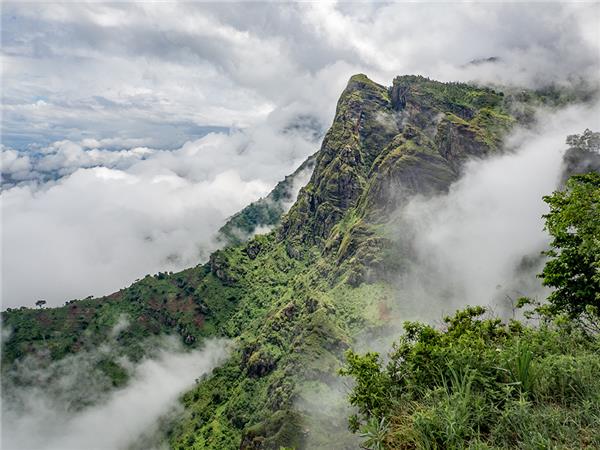
Tanzania small group safari
From £1594 - £2095 12 days excluding flights
Experience the beauty of Africa from Nairobi to Zanzibar
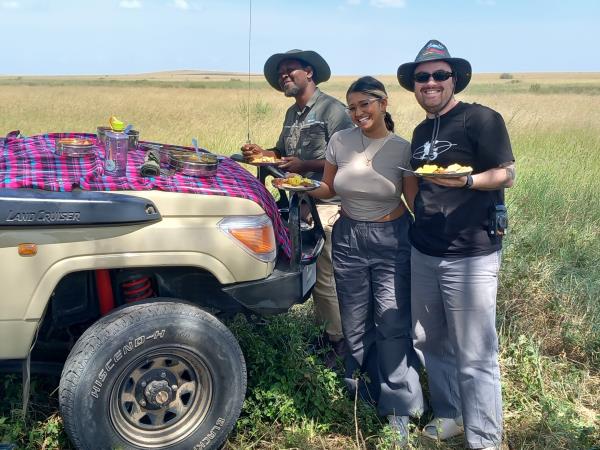
Serengeti holiday in Tanzania, the big five
From US $2570 - US $3500 5 days excluding flights
The best National parks of Tanzania northern circuit
Tanzania tour with Kilimanjaro and Zanzibar
From US $4500 - US $5500 12 days excluding flights
Kilimanjaro, 5 national parks and Zanzibar beach break