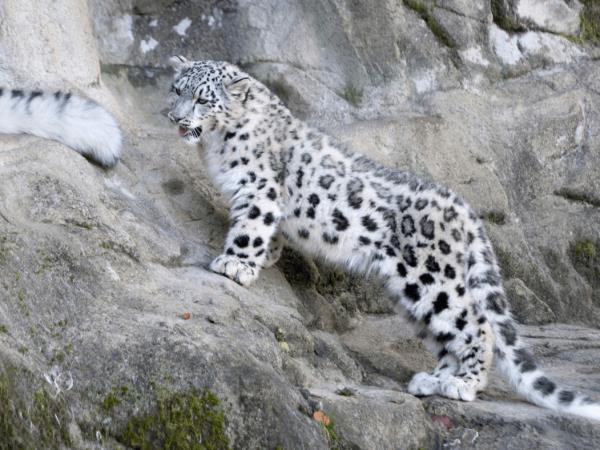
Snow leopards photography tour in Mongolia
Price
£6399 excluding flights
Convert currency:


Duration
15 Days
Type
Tailor made
More info
Best time for this itinerary: December through to March

Description of Snow leopards photography tour in Mongolia
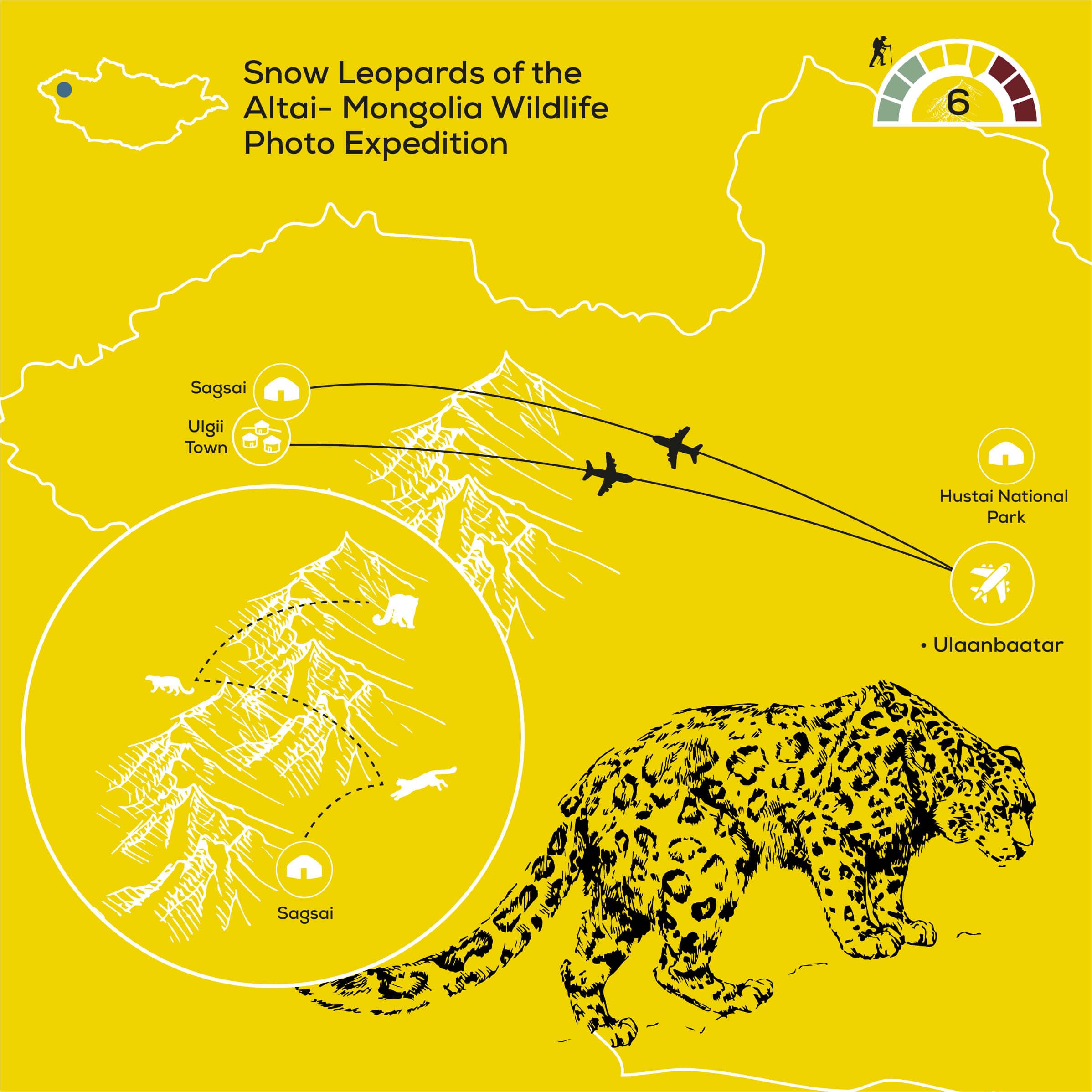
Map
Price information
£6399 excluding flights
Convert currency:
Best time for this itinerary: December through to March
Departure information
This trip can be tailor made throughout the year to suit your requirements
Travel guides

A photography holiday is a wonderful way to learn a new and valuable skill.
What a trip to see these incredible, elusive animals involves, and when to go to see them.
Responsible Travel
As the pioneers of responsible tourism, we've screened this (and every) holiday so that you can travel knowing we've worked to maximise the benefits of your holiday to local people and places, and minimise any negative impacts.
Planet
CARBON REDUCTIONThis winter wildlife expedition has been designed with careful consideration of the realities of travelling in remote western Mongolia, where access is challenging and infrastructure limited, while still taking meaningful steps to reduce operational carbon emissions wherever possible. The itinerary minimises unnecessary movement and prioritises longer stays in fewer locations, reducing repeated transfers and allowing deeper engagement with each region rather than a fast-paced, carbon-intensive route.
International flights are unavoidable for reaching Mongolia, and a single domestic flight is used to access Bayan-Ulgii province due to the extreme distances involved and the safety considerations of winter road travel. Beyond this, the trip deliberately avoids internal flights and relies instead on shared overland transport for all onward travel. Guests travel together in locally operated vehicles, significantly reducing per-person emissions compared to private transfers. Once in Snow Leopard territory, daily movements are planned efficiently based on fresh wildlife information to avoid unnecessary driving.
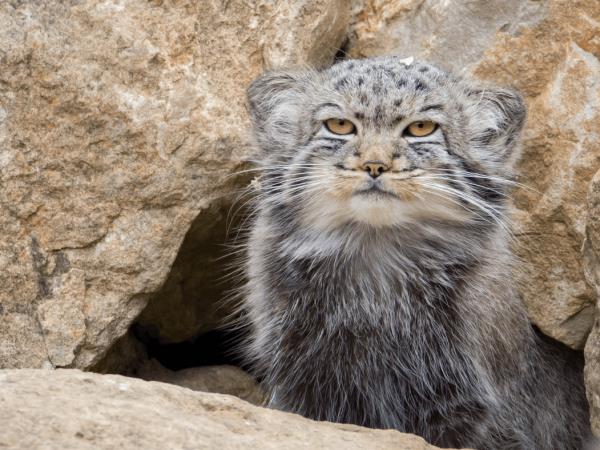
Human-powered travel plays a meaningful role throughout the expedition. Wildlife tracking days involve extended periods on foot, often several hours at a time, as guests and guides scan slopes, ridgelines and valleys for signs of Snow Leopards, Pallas’s cats and prey species. This approach is not only essential for successful wildlife observation but also keeps fuel use to a minimum while fostering a slower, more attentive connection with the landscape.
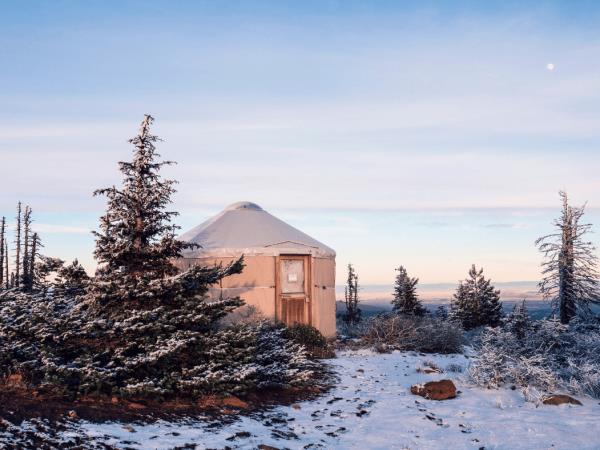
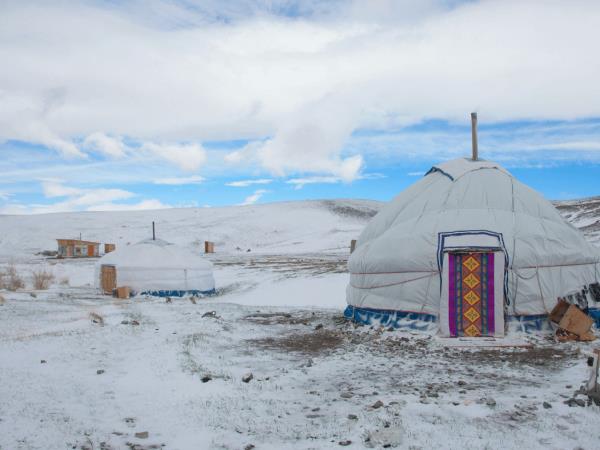
Accommodation choices reflect what is realistically available in remote regions, but priority is given to locally run guesthouses, homestays and ger camps that operate with low-energy systems. Traditional gers are naturally well insulated and heated efficiently using locally sourced fuel, requiring far less energy than permanent buildings in extreme winter conditions. Electricity, where available, is used sparingly, and guests are briefed in advance to expect limited power, encouraging mindful consumption. In Ulaanbaatar and regional towns, accommodation partners are selected based on their efforts to reduce energy use, manage waste responsibly and source food locally.
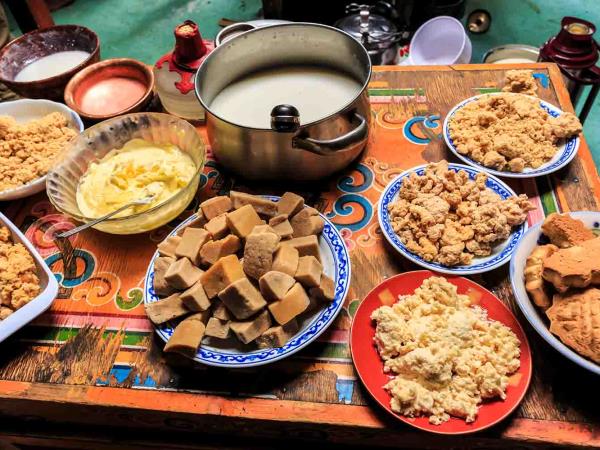
Meals throughout the journey are largely seasonal and locally sourced, particularly in rural areas where families and camps rely on regional supply chains. Meat and dairy products come from herding communities in the surrounding area, while vegetarian options are available daily and prepared using locally available ingredients. This reduces reliance on imported foods and long supply chains. Guests are also encouraged to bring reusable water bottles, avoid single-use plastics and pack responsibly for cold conditions to minimise waste.
Before travel, guests receive guidance on reducing the carbon impacts of their holiday, including packing efficiently, choosing lower-emission flight options where possible and understanding the emissions associated with long-haul travel. While carbon offsetting is not positioned as a solution, transparency and informed decision-making are actively encouraged, helping travellers engage more thoughtfully with the environmental costs of reaching such a remote destination.
ENVIRONMENT AND WILDLIFE
This expedition is built around respect for Mongolia’s fragile winter ecosystems and contributes directly to their protection through responsible wildlife tourism. The focus on Snow Leopards and Pallas’s cats is grounded in conservation-led practices that prioritise animal welfare, habitat integrity and long-term biodiversity outcomes over guaranteed sightings.
All wildlife activities are led by expert local guides and rangers with deep knowledge of animal behaviour and seasonal movements. Tracking is conducted at a respectful distance, with strict protocols to avoid disturbing wildlife, particularly during the harsh winter months when energy conservation is critical for survival. Vehicles are used cautiously, routes are adapted daily to avoid sensitive areas, and no baiting or artificial attraction methods are employed.
The itinerary includes extended time in protected and semi-protected landscapes within the Altai Mountains, where entrance fees, permits and local guide employment directly support conservation management and monitoring efforts. By working alongside rangers who are actively involved in Snow Leopard research and protection, the trip contributes indirectly to ongoing data collection through sighting reports, track identification and habitat observations.
Accommodation partners in rural areas operate with minimal environmental footprints by necessity. Water use is carefully managed, waste is limited and reused where possible, and plastic consumption is kept low due to logistical constraints. Guests are encouraged to be responsible for their water use, waste packing and biosecurity measures.
The use of local guides and trackers is central to nature-positive outcomes. These individuals are not only experts in finding wildlife but are also custodians of their environment, with a vested interest in protecting species that increasingly provide sustainable livelihoods through tourism. This creates a tangible alternative to activities that may historically have brought humans into conflict with predators, such as retaliatory killing of Snow Leopards following livestock losses.
Guests receive clear guidance on how to minimise their impact on nature, from maintaining distance during sightings to moving quietly on foot and respecting cultural and environmental boundaries. Photography is approached ethically, with an emphasis on patience rather than pursuit. This approach ensures that wildlife encounters are meaningful without compromising animal welfare.
By focusing on observation, education and local partnership, this journey supports a model of tourism that actively reinforces the value of intact ecosystems. In a region where climate change and habitat pressure are growing concerns, responsible winter travel contributes to the long-term protection of some of Central Asia’s most threatened species and landscapes.
People
LOCAL ECONOMYThis journey has been designed to ensure that the economic benefits of tourism are felt as directly as possible by the communities who live and work in western Mongolia. Accommodation throughout the trip is overwhelmingly locally owned and operated, from family-run guesthouses in Ulgii and Khovd to traditional homestays in Sagsai village and ger camps in Snow Leopard territory. These stays are not add-ons but integral parts of the experience, providing meaningful income during the long winter months when other economic opportunities are limited.
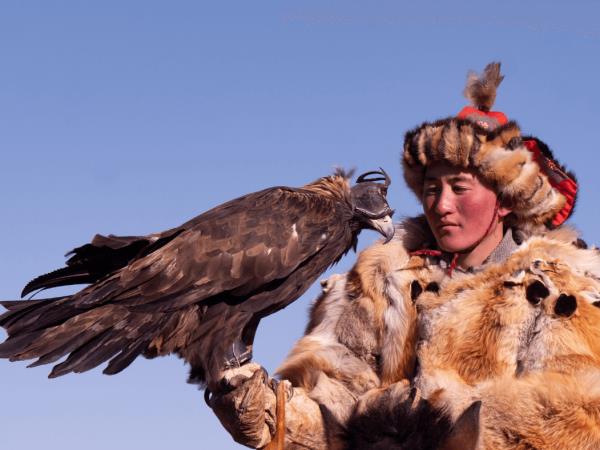
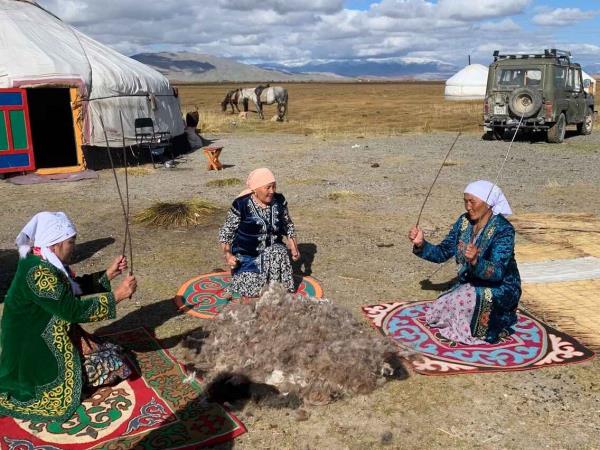
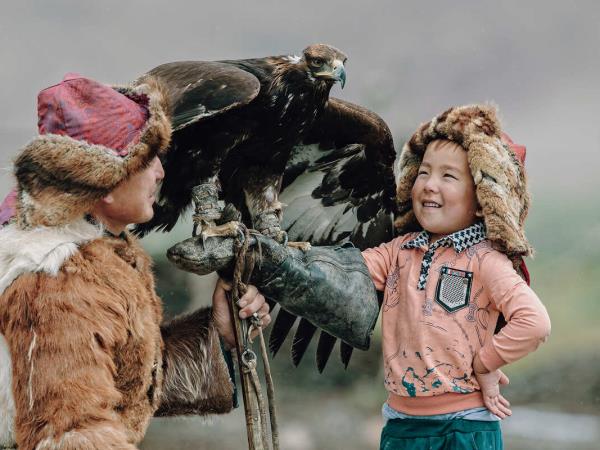
The homestay experience with Kazakh families is particularly significant. Hosting guests during the winter supports households at a time when herding income is under pressure and reinforces the cultural value of traditions such as Golden Eagle hunting.
Local economic benefit extends beyond accommodation. All guiding, driving and tracking services are provided by locally based teams, including specialist wildlife spotters, rangers and cultural guides. These roles require deep regional knowledge and offer skilled, year-round employment linked to conservation rather than extractive activities. Where possible, supplies such as fuel, food and equipment are sourced locally, supporting small businesses in regional towns.
Cultural encounters are handled respectfully and at community pace, whether meeting herders in the Altai Mountains or learning about Kazakh customs. These interactions are not staged performances but organic moments that emerge naturally from travel through lived-in landscapes, ensuring dignity and mutual respect.
EMPLOYMENT, INCLUSIVITY AND DIVERSITY
The vast majority of people involved in guiding this trip within Mongolia are Mongolian nationals, with a high percentage drawn directly from local communities in Bayan-Ulgii and the Altai region. Wildlife guides, trackers, drivers, camp staff and homestay hosts are all locally employed, creating income streams that remain within the region.
The trip actively supports indigenous Kazakh communities, whose language, traditions and knowledge are central to the experience. By employing Kazakh guides and staying with Kazakh families, the itinerary helps sustain cultural practices that are increasingly under pressure from urban migration and economic change. Eagle hunters, in particular, benefit from tourism that values their skills and knowledge while encouraging ethical treatment of animals.
Fair pay is a core principle. Local partners are expected to meet or exceed minimum wage requirements, and multi-day expeditions provide consistent employment rather than sporadic day work. The nature of winter wildlife tourism also helps balance seasonal income, offering opportunities outside the peak summer months.
While the physical demands and remote conditions mean this trip is not suitable for travellers with limited mobility, this is communicated clearly and honestly in advance. The expedition is welcoming to LGBTQ+ travellers, with a strong emphasis on group respect and inclusive behaviour, although guests are briefed on cultural sensitivities in rural Mongolia.
Through long-term partnerships rather than short-term contracting, this journey fosters trust, skill development and shared purpose. Guests are not passive observers but part of a temporary community that includes guides, hosts and fellow travellers, reinforcing the idea that meaningful travel is built on cooperation, respect and mutual benefit.
Popular similar holidays
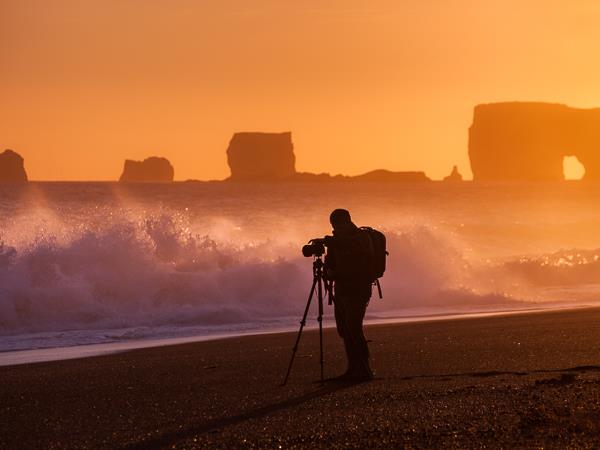
Northern Lights photography holiday in Iceland, coast & ice
From £4400 10 days excluding flights
Photographic trip in the stunning west and southeast Iceland
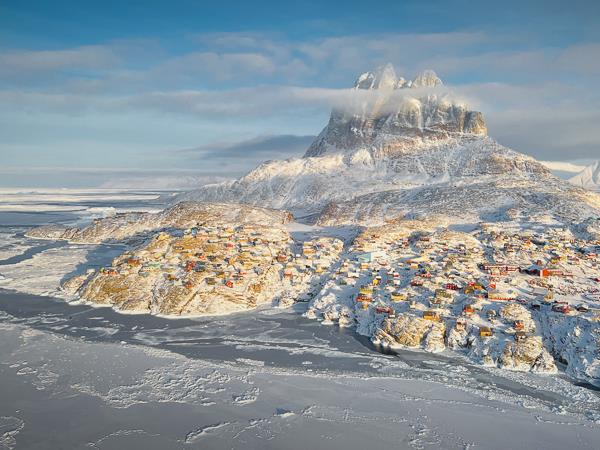
Greenland photography tour, Uummannaq & Ilulissat
From £5800 9 days excluding flights
Photograph epic and remote winter landscapes and the aurora
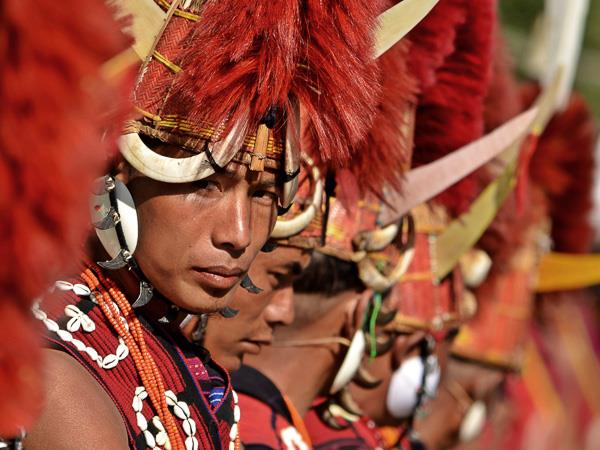
Assam and Nagaland photography tour, India
From £5000 16 days excluding flights
Tribal life and festivals of Nagaland & tea gardens of Assam