Marlborough Sounds small ship cruise in New Zealand
Price
£2995To£3145 excluding flights
Convert currency:


Duration
7 Days
More info
Includes: Landing fees, on board accommodation, meals and all shore excursions and activities.
GST, house drinks, expert naturalist guides. Price is per person based on 2 sharing and depends on cabin choice and date.
GST, house drinks, expert naturalist guides. Price is per person based on 2 sharing and depends on cabin choice and date.
Offers
Book before 30 October 2026 and save 20% on all berths on select Discover Marlborough Sounds voyages departing in November & December in 2026 and April, May & November 2027.

Description of Marlborough Sounds small ship cruise in New Zealand
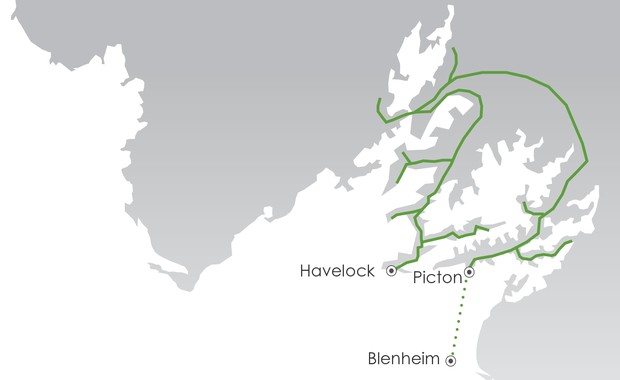
Map
Price information
£2995To£3145 excluding flights
Convert currency:
Includes: Landing fees, on board accommodation, meals and all shore excursions and activities.
GST, house drinks, expert naturalist guides. Price is per person based on 2 sharing and depends on cabin choice and date.
GST, house drinks, expert naturalist guides. Price is per person based on 2 sharing and depends on cabin choice and date.
Check dates, prices & availability

Travel guides
We reckon this is one of the world’s most exciting holiday destinations.
The perfect introduction to getting your head around the extraordinary life on earth, and where to go to find it.
Responsible Travel
As the pioneers of responsible tourism, we've screened this (and every) holiday so that you can travel knowing we've worked to maximise the benefits of your holiday to local people and places, and minimise any negative impacts.
Planet
Our on board biologists and ornithologists are intimately aware of the many issues that confront animals and their habitats, the world's oceans and isolated ethnic groups. We also take action: we actively contribute to the conservation of the places we visit in several ways; we 'buy local' and employ locally; we make sure that travellers are respectful of local customs and traditions; and we dispose of waste responsibly.We support conservation by providing advocacy through responsible travel and providing funds and logistical support for research and management. Since 2011 we have continued supoort BirdLife International as a Species Champion for the Critically Endangered Spoon-billed Sandpiper. In addition providing transport and logistics for several researchers, we are committed to making financial contributions as a company and welcome our guests to join us in support of this programme. All funds donated will be spent on BirdLife International's activities preventing extinction. 70% goes to the Spoon-billed Sandpiper conservation project directly and 30% is retained and pooled with other contributions to fund three other vital aspects of BirdLife International's work:
To fund vital development of conservation (capacity) for Critically Endangered species who do not yet receive support.
A contribution to the BirdLife Partnership's International Science, Policy, Advocacy, Conservation and Coordination work that underpins the programme.
Vital communications and publicity that raises international awareness of the extinctions crisis and promotes the programme to help recruit new BirdLife Species Champions.
We also make significant annual contributions to the New Zealand Department of Conservation, the Tasmanian National Parks and Wildlife Service and Antarctic Heritage Trust. In addition to these contributions, we provide transport of freight and personnel to and from nature reserves. We support the New Zealand Meteorological Service and non-governmental research agencies, including the World Wildlife Fund, the University of Canterbury and The Last Ocean Charitable Trust.
We travel in small groups and endeavour to maintain a guide-to-client ratio of 1:12. Each expedition is led by an experienced Expedition Leader who is familiar with the region being visited. When selecting our specialist expedition equipment, vehicles and vessels, we research carefully to ensure that they are the most suitable and the most environmentally responsible. All waste generated on our expeditions is disposed of in a responsible manner: onboard it is treated as prescribed by MARPOL and on land expeditions recycling is encouraged. Non-recyclable waste is brought back for disposal at approved sites.
People
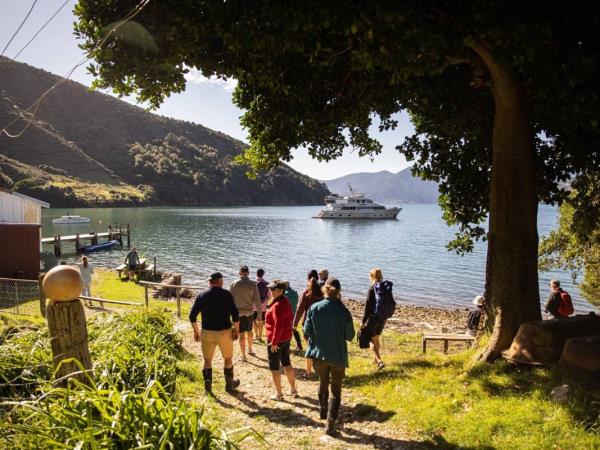
Our small ship was built in New Zealand, and is crewed and staffed by New Zealanders. All the produce we provide on board is grown and created in New Zealand, mostly on the South Island, supporting local farmers and other small producers.With a maximum number of passengers of 18 and a crew and staff of 5, you will get to know each other and all of the crew intimately. You will learn a great deal from the on board naturalists who are passionate about conserving the environment, history and culture of Marlborough Sounds. You will learn, from their passion, about the huge efforts that New Zealand has made to preserve some of their rarest flora and fauna and the ongoing efforts required to maintain this success.
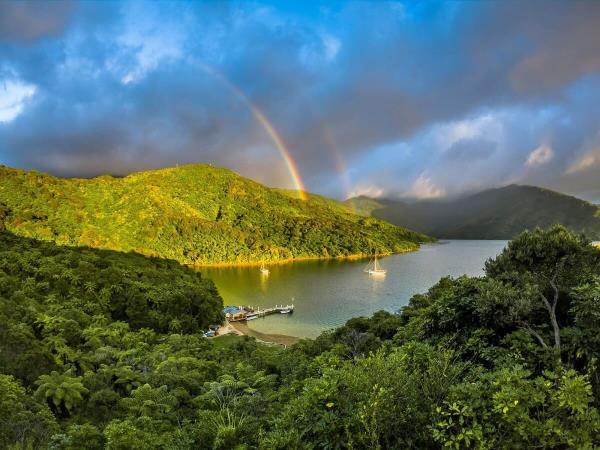
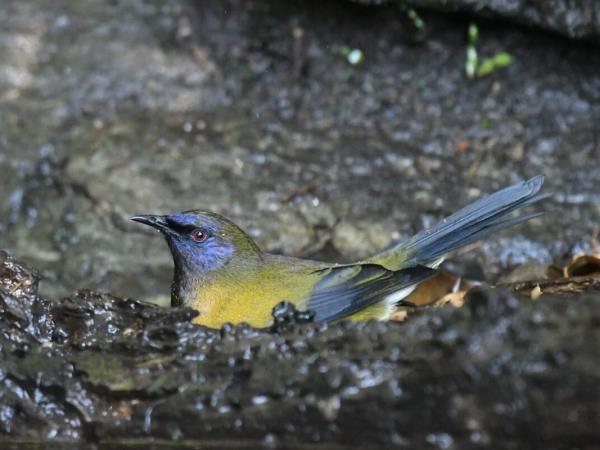
Our visit to Blumine Island will provide a fascinating insight into the work of the New Zealand Department of Conservation, and their battle to preserve the native flora and fauna. Blumine Island has seen the translocation of several rare bird species including the once widespread Orange-fronted Parakeet, now New Zealand’s rarest parakeet, which were translocated to the island between 2011 and 2012. Also thriving on the island are South Island Saddleback, brought back from the brink of extinction last century from just 36 birds rescued in 1964, descendants of these birds were translocated to Blumine Island in 2009.
Popular similar holidays
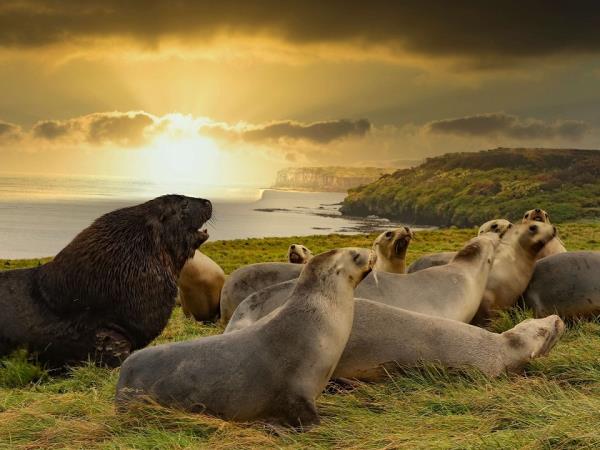
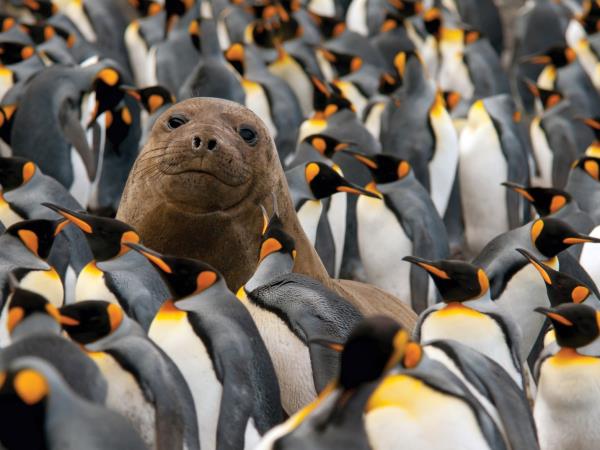
Wildlife Cruise of New Zealand Subantarctic Islands
From US $6145 - US $6500 8 days excluding flights
New Zealand's wildlife rich & remote Subantarctic wilderness
New Zealands Subantarctic Islands cruise
From US $10490 - US $11050 12 days excluding flights
Wildlife voyage to the Subantarctic inc Macquarie Island
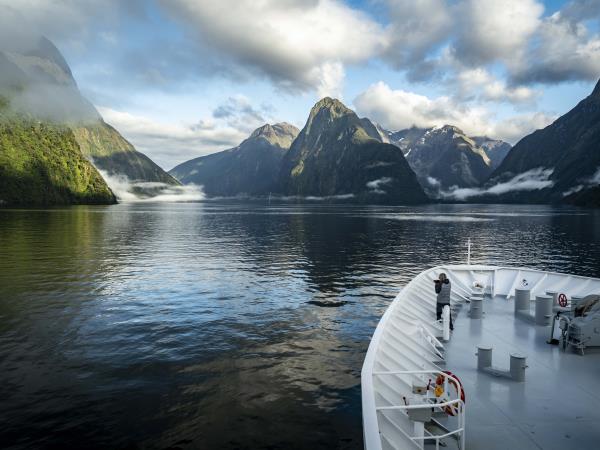
New Zealand, Stewart Island & Fiordland cruise
From US $6285 13 days excluding flights
The ultimate expedition cruise of the New Zealand coast