Best time to visit New Zealand

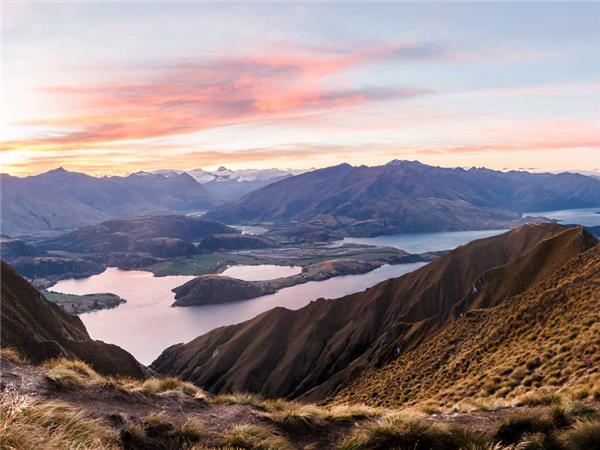
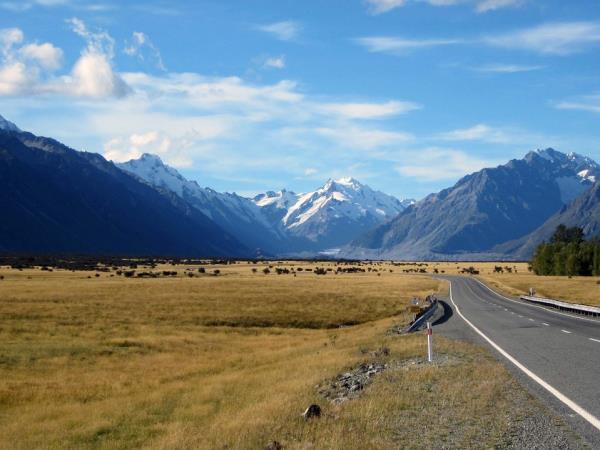
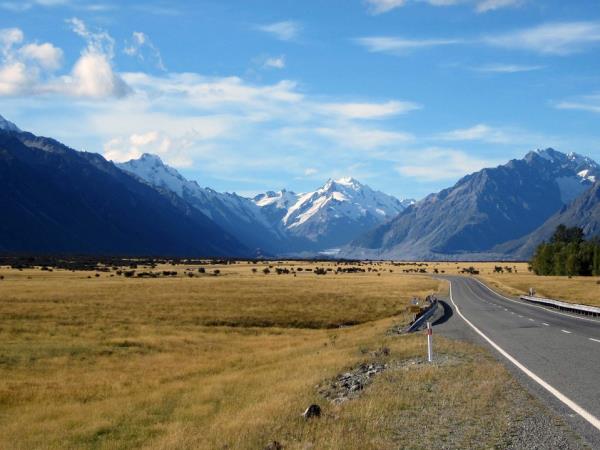
Flip the northern hemisphere climate on its head and you've got New Zealand, with more seasonal variation on the South Island than on the subtropical north.
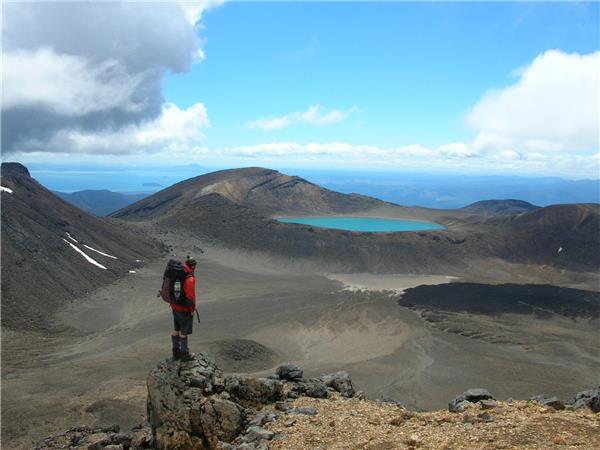
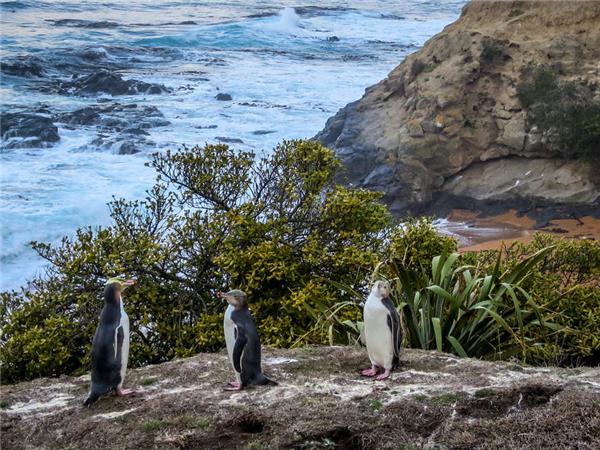
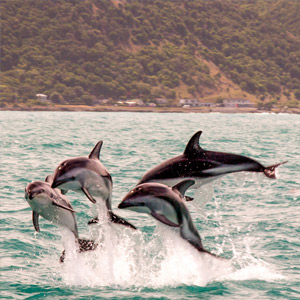
The best time to visit New Zealand is December to February, the summer high season, for golden weather that makes hiking and wildlife-watching blissful. Spring (September to November) and autumn (March to May) are generally mild and dry, the landscapes bursting with colour, though the shoulder months can get pretty miserable down on the South Island. December and March are the best months to spot orcas off Kaikoura (dolphins can be seen year-round). The grape harvest in New Zealand’s wine regions starts in February, while autumn is also a very popular time for scenic cruises in Fjordland.

A month by month guide on when to go to New Zealand

January in New Zealand

  • Midsummer
  • Driest month
  • Dolphin watching
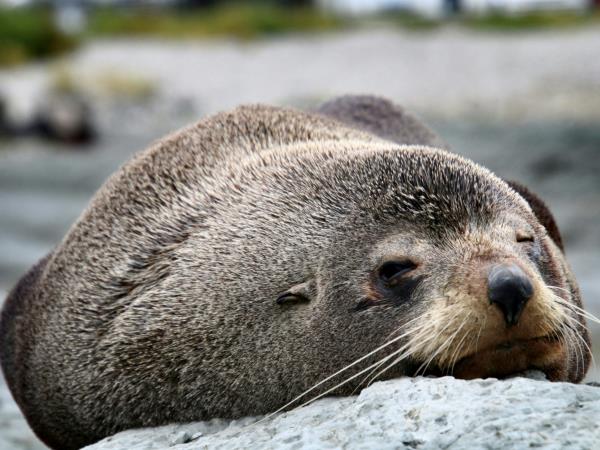
  • New Zealand in January basks in a midsummer glow, with dry, sunny weather the norm. This is a mountainous island country, though, buffeted by the winds, so temperatures never get that high. New Zealanders travel around the country themselves in summer, so book accommodation early. January is a good time to see dolphins and fur seals on the South Island.
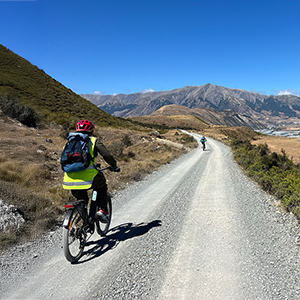
    January is great to cycle the length of New Zealand

    February in New Zealand

  • Self drive holidays
  • Waitangi Day
  • Grape harvest
  • Sharing the title of hottest month with January, February occasionally sees temperatures top 35°C, though windy Wellington at the foot of the South Island is several degrees cooler. New Zealand in February is great for self drive touring, with the grape harvest underway in vineyards, and many festivals including Waitangi Day, marking the founding of the country.
    February is great for our New Zealand small group holiday

    March in New Zealand

  • Bird watching
  • Outdoor activities
  • Cooler in south
  • Gorgeous autumnal scenery makes March a great month for outdoor activities like hiking, cycling or bird watching. Catch thousands of migratory birds in places like Miranda on the North Island, and Farewell Spit on the south. Though generally still quite mild, temperatures are falling across New Zealand in March, and it gets colder the further south you go.


    April in New Zealand

  • Autumnal leaves
  • Warm sea
  • South Island cooler
  • Make the most of the outdoors when visiting New Zealand in April. There are early hints of winter (wints?) as the weather begins to turn, and many popular walking trails are quiet. The sea is at its warmest for swimming, and if you get lucky with the sun this can be a fabulous month to tour by car or van. The South Island tends to be cooler than the north.


    May in New Zealand

  • Whale watching
  • Thermal bathing
  • Bluff Oyster & Food Festival
  • New Zealand in May is fairly quiet, as the climate slides from autumn into winter. If you’re on the North Island you can warm up with a soak in Rotorua’s thermal baths, and if you’re on the South Island May is a good month to see sperm whales and humpbacks off Kaikoura. You can enjoy the seafood flavours at the Bluff Oyster & Food Festival, too.


    June in New Zealand

  • Winter
  • Rain & snow
  • Great Walks closing
  • June brings winter to New Zealand. On the South Island, mountainous areas see snow, while the North Island tends to be milder, but shrouded in rain. Hiking long distances is not really feasible in New Zealand in June due to the poor weather, and huts on the Great Walks begin closing. Abel Tasman at the top of the South Island can still be pleasant for walking though.
    My favourite events include Marlborough food and wine festival in February and the Hokitika Wildfoods Festival in March.
    – Caroline Stafford, of our partner Silver Fern Holidays

    July in New Zealand

  • Coldest month
  • Grey, moody skies
  • Winter sports
  • Plunged into the depths of winter, New Zealand in July is best swerved unless skiing and snowboarding in mountainous areas such as those around Queenstown and Wanaka are your thing. Average temperatures drop to below 5°C in places like Christchurch, further still in Invercargill. The North Island is milder, but in Wellington the wind makes it feel cold.


    August in New Zealand

  • Humpbacks in Kaikoura
  • Low-season deals
  • Fjordland cruises
  • August is a good month for whale watching in Kaikoura, with Southern right whales, humpbacks and dusky dolphins passing through. It’s also a good time for cruising in Fjordland with waterfalls in full flow. However, the winter weather can make exploring further unappealing.


    September in New Zealand

  • Start of spring
  • White water rafting
  • Hobbit Day
  • September is the start of spring in New Zealand, promising longer, slightly warmer days, tree blossom and snow-capped mountains. Snows are melting and rivers flowing fast, so come to New Zealand in September for thrilling white-water rafting. Dragon-botherers Bilbo and Frodo Baggins share a birthday on 22 September, known as Hobbit Day.


    October in New Zealand

  • Great Walks open
  • Changeable weather
  • End of ski season
  • October is a good time of year to visit New Zealand if you want to dodge the crowds of summer. New Zealand in October sees the long distance ‘Great Walks’ opening up, while the ski season comes to an end – expect a mix of wet and dry weather. The prestigious Taste of Auckland food festival celebrates Kiwi restaurants and producers.


    November in New Zealand

  • Late-spring blooms
  • Warm, sunny weather
  • Seal pups
  • We’d recommend November as the best time to visit New Zealand for a honeymoon. The weather is perfect for outdoor activities like walking and cycling, but you’re not quite in summer peak season yet. New Zealand in November sees nature in bloom, both in the landscapes and the wildlife – cute seal pups in coastal areas, spring flowers carpeting the mountains.


    December in New Zealand

  • Start of summer
  • Peak season
  • Milford Sound
  • New Zealand in December is flush with summer sunshine. This is the best time to travel to New Zealand if you want to be sure of good weather. Even then, the west coast of the South Island sees plenty of rain, with dozens of waterfalls cascading dramatically down the cliff faces of Milford Sound. Cruising or walking the lush landscapes of Fjordland is divine at this time of year.

    Auckland Weather Chart

     
    MIN °C
    MAX °C
    RAIN (mm)
    JAN
    17
    23
    30
    FEB
    17
    23
    30
    MAR
    15
    22
    40
    APR
    13
    20
    40
    MAY
    11
    17
    50
    JUN
    9
    15
    50
    JUL
    8
    14
    60
    AUG
    8
    15
    50
    SEP
    10
    16
    40
    OCT
    12
    17
    40
    NOV
    13
    19
    40
    DEC
    15
    21
    30

    Contact Us

    Responsible Travel, Travel Team

    Call us for a chat about our holidays. We are happy to discuss your holiday and help in any way we can. No bots, queues or awful hold music.

    Responsible Travel, Travel Team

    Best times to visit New Zealand for festivals & events

    World Buskers Festival (January)

    The term busker is all-encompassing at this Christchurch extravaganza of street performance. Musicians share the stage with comedians, jugglers, clowns, poets and magicians, with people arriving from the four corners of the world to showcase their acts in paid venues, or on the pavements outside. You can plan ahead by booking tickets for anything you particularly want to see, or just wander the streets of this attractive Canterbury city and see what turns up.

    Hamilton Arts Festival (February)

    Toi Ora ki Kirikiriroa, or the Hamilton Arts Festival, is a prestigious celebration of the performing arts, including theatre, music, dance and music. Most of the events taking place during this 10-day festival are set in the pretty Hamilton Gardens, a fitting setting given that the gardens themselves have a playful vibe, with themes such as surrealism, postmodernism, the Italian Renaissance and Ancient Egypt.

    Marlborough Wine & Food Festival (February)

    “One of my favourite New Zealand events,” says Caroline Stafford of our partner Silver Fern Holidays. A beloved, longstanding ritual in the renowned Marlborough wine region, this one-day event celebrates some of the finest producers, winemakers and chefs from Marlborough and beyond. There are masterclasses on subjects such as fermentation and pairing wines with cheese, as well as a soundtrack of top Kiwi musicians. A grand day out.

    Golden Shears (March)

    “Hey I’m on the North Island and desperately in need of a haircut. Not too fussy how it looks, but I can’t find a barber.” Fret not, we’ve got you covered friend. Head for the Golden Shears festival over in Masterton, a 90-minute drive from capital Wellington. Yes, technically this is a sheep-shearing competition – and actually one of the most well-known in the world. But once this cabaret of Kiwi coiffeury comes to an end, you’ll probably find someone happy to help by taking a little off the top.

    Hokitika Wildfoods Festival (March)

    While perhaps not one of New Zealand’s most well-known foodie events, the Hokitika Wildfoods Festival is nevertheless one its most interesting, if not notorious. Some of the grub you can sample here includes literal grubs of New Zealand beetles, sheep testicles (otherwise known as mountain oysters), stallion semen, and pigs nipples on a stick. Waste not want not. If none of that tickles your palate, there’s probably somewhere that serves chips as well.

    Pasifika Cultural Festival (March)

    This celebration explores the heritage of New Zealand’s Pacific Islander communities, with music, dance, cuisine and crafts on display in eight cultural villages set up in Auckland. Polynesians were the first people to discover and settle New Zealand, or Aotearoa in the Maori language. The Pasifika Cultural Festival is at once a showcase of the diversity of Pacific Islands culture, and an empowering act of storytelling that helps many New Zealanders connect with their roots.

    Matariki (May or June)

    Matariki is one of several annual Maori celebrations, in this case marking the first annual sighting of the Pleiades star cluster, which occurs between late May and early June. This astronomical event signals the advent of the Maori New Year with numerous performing arts displays, kite flying festivals and lantern parades held across New Zealand alongside winter carnivals and family feasts.

    Rhythm & Vines (December)

    Although the jury is still out on whether music has an effect on plants, this popular New Year festival in Gisborne on the North Island would make a good place to study it. The setting is the Waiohika Estate vineyard, and you can expect great wine, great music, great vibes and, hopefully, great weather, too, given that New Year in New Zealand falls in the middle of summer.

    Our travellers also ask…

    What is the best month to go to New Zealand?

    The best time to go to New Zealand tends to be from December to February, the summer months. Over this peak period you can be reasonably sure of warm and sunny weather throughout your stay.

    What month is the rainy season in New Zealand?

    The winter, June through August, is the rainiest season in New Zealand but you can get rainy patches here at any time of year, even the height of summer. Fjordland, in the far southwest corner of the South Island, is wet year-round, resulting in thick, lush vegetation and spectacular waterfalls.

    What is the hottest month in New Zealand?

    January and February tend to be the hottest months in New Zealand. Daytime temperatures exceeding 35°C are not unknown, but in truth it rarely gets super-hot in New Zealand as it has a temperate, maritime climate. Wear sun protection and a hat in the summer, but expect to still be wearing a light jumper after sunset.

    What is the cheapest time to visit New Zealand?

    The cheapest time to visit New Zealand tends to be during the winter months from June through to August. This low season is characterised by grey skies, damp, chilly weather and snow at higher altitudes, particularly on the South Island. New Zealand is very much an ‘outdoor adventure’ country, so when the weather doesn’t suit getting out and about, few people choose to visit and you can often find good prices for hotels and flights.
    Written by Rob Perkins
    Photo credits: [Page banner: Curioso] [Intro: Hari Nandakumar] [Quote: Jonathan Harker] [Hokitika Wildfoods Festival: Eli Duke] [Best time to go: Rod Long]