Volunteer with Lemurs in Madagascar
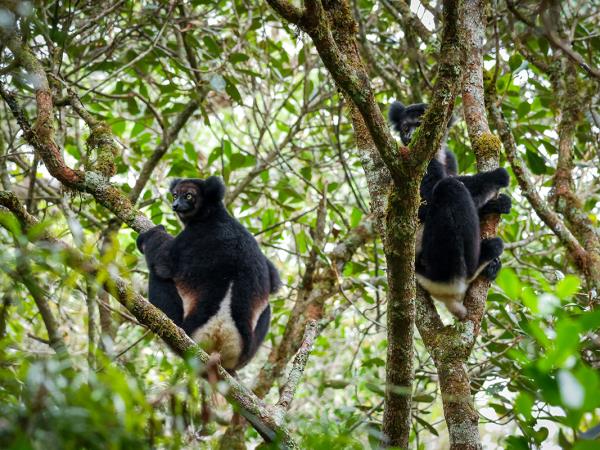


Description of Volunteer with Lemurs in Madagascar
Join conservationists and researchers in Madagascar’s last remaining highland rainforests and play a vital role in protecting some of the world’s most endangered primates, lemurs. As a volunteer, you will help conduct essential studies on wild lemurs, restore fragile habitats, and work with local communities to safeguard lemurs, along with other incredible wildlife, and the forests they call home.
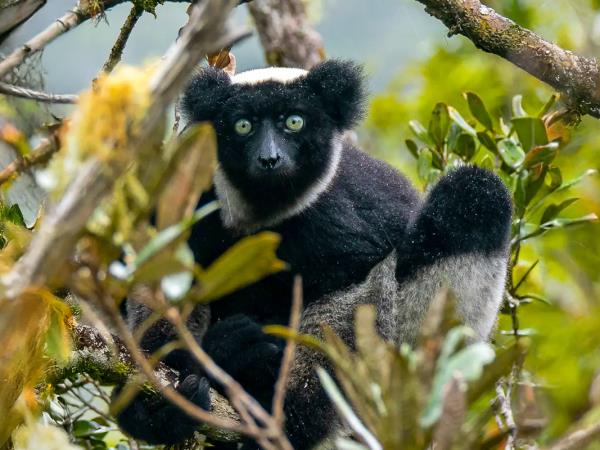
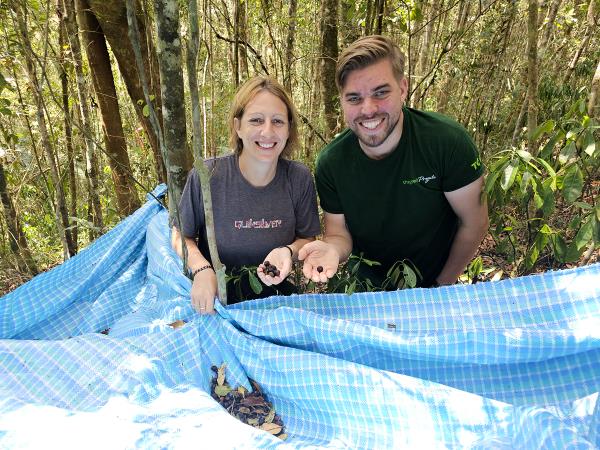
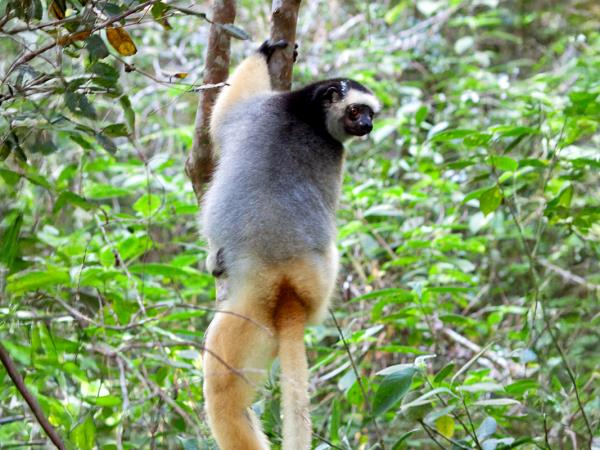
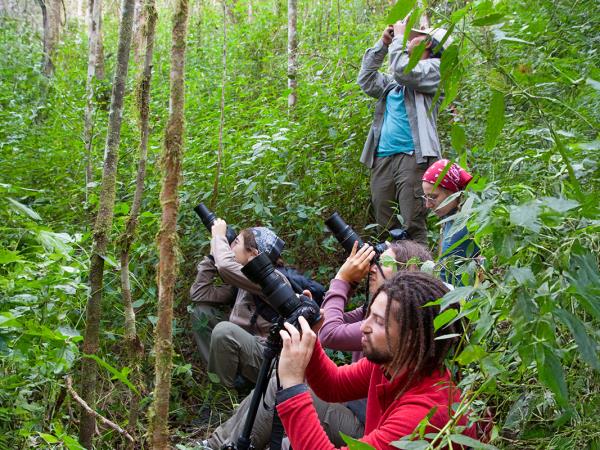
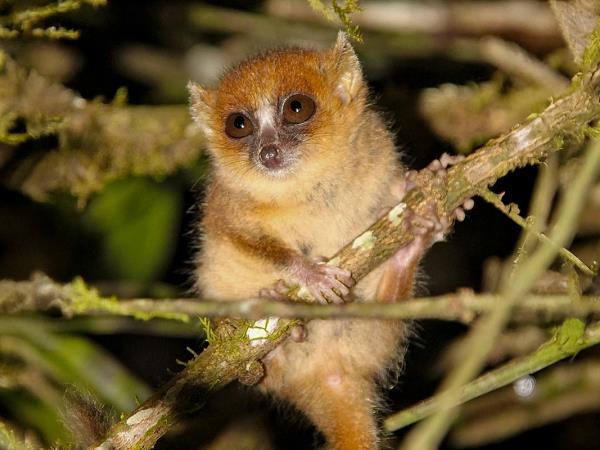
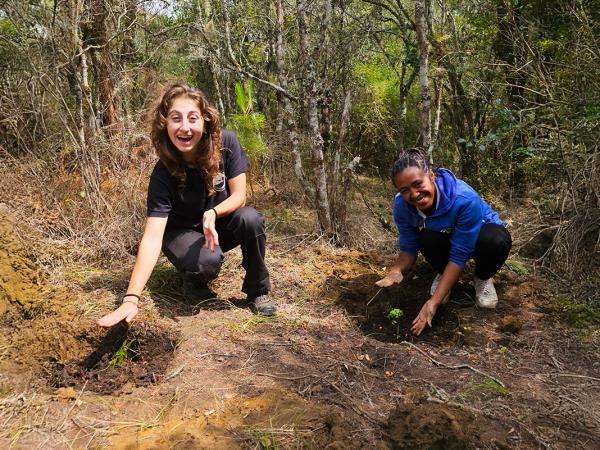
Each day brings adventure as you trek through a vast private forest, where up to ten lemur species reside, including one that was only recently discovered at the site. With no other visitors allowed, you will experience close encounters with wildlife such as indri, diadem sifakas, and eastern woolly lemurs, while making a direct impact through hands-on conservation. Your work may include lemur surveys and habituation, biodiversity monitoring, seed collection, tree planting, nursery care, and community outreach that strengthens the connection between people and nature.
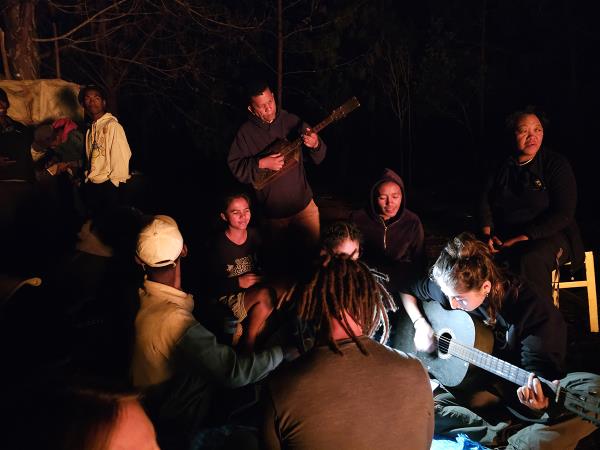
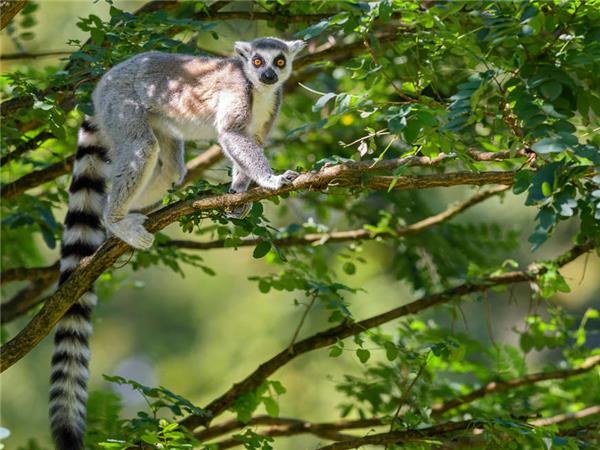
Alongside leading lemur experts, you will gain hands-on experience in real-world conservation while also enjoying unforgettable moments in the forest. Relax by a tranquil lake, share campfire evenings under the stars, and immerse yourself in Malagasy culture with the people who call this forest home. Before heading into the field, you will also visit Lemur Park, where you can see the iconic ring-tailed lemurs and other remarkable species up close.
Unlike other wildlife research programs, this project offers comprehensive transfers with shorter-than-average travel times, modern and comfortable twin-share accommodation, and stunning new forest chalets, built for 2026, each with a private en-suite bathroom.
Finally, this is more than a volunteering project; it is an adventure, a chance to learn from lemur experts, and a once-in-a-lifetime opportunity to be part of Madagascar’s fight to protect its extraordinary wildlife.
Price information
Check dates
2027: 16 May, 30 May, 20 Jun, 4 Jul, 18 Jul, 15 Aug, 29 Aug, 19 Sep, 3 Oct, 17 Oct
Travel guides
Responsible Travel
Planet
CARBON REDUCTIONThis project makes a measurable contribution to carbon reduction through its reforestation and habitat restoration efforts. Volunteers assist in collecting seeds, nurturing them in nurseries, and planting saplings in degraded areas. These growing forests act as natural carbon sinks, drawing carbon dioxide from the atmosphere and storing it long-term. In addition to planting, the project helps protect Madagascar's existing forests by maintaining a consistent conservation presence that deters illegal logging. This dual approach ensures both the conservation of existing carbon stores and the creation of new ones.
ENVIRONMENT AND WILDLIFE
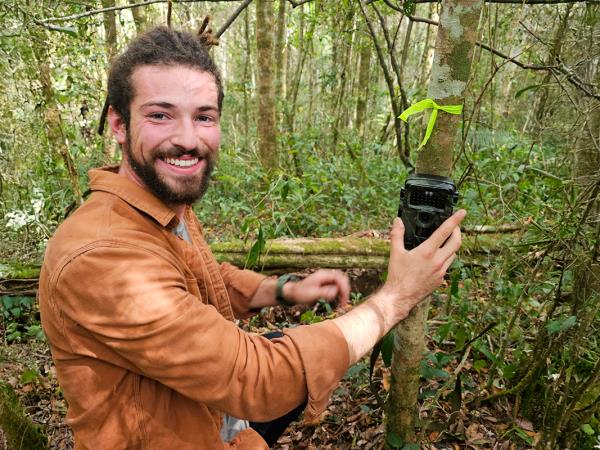
Beyond carbon, the project plays a vital role in protecting Madagascar's unique biodiversity. Volunteers conduct detailed ecological surveys, monitoring lemur populations, behaviours, and habitats. These data sets feed into long-term research that informs actioned conservation strategies. Camera trapping, transect surveys, and biodiversity monitoring provide a broader picture of ecosystem health, from birds to insects and plants.
By restoring forest corridors, the project reconnects fragmented habitats, allowing lemurs and other wildlife to move freely, reproduce, and maintain genetic diversity. The project also discourages harmful practices such as hunting and illegal wildlife trade, making it a protective force for vulnerable species.
People
LOCAL ECONOMYThe project provides an economic boost to nearby communities by creating demand for local goods, services, and infrastructure. Volunteers staying in the area support small businesses through food, supplies, and transport needs, channelling money into local hands. Additionally, the tree nurseries and community gardens supported by the project enhance food security and offer small-scale income opportunities. This helps diversify livelihoods in rural areas, reducing dependence on unsustainable practices like logging or slash-and-burn agriculture.
EMPLOYMENT, INCLUSIVITY AND DIVERSITY
Employment opportunities generated by the project extend beyond researchers to include guides, educators, cooks, and maintenance teams. This inclusive model ensures that community members are directly involved and benefit from conservation work. The project also emphasises education and outreach, engaging schools and local groups to promote conservation values across all ages and genders. By incorporating local voices and perspectives, the project encourages diversity in conservation decision-making, building a stronger and more sustainable foundation for protecting Madagascar's forests and lemurs.
Popular similar holidays
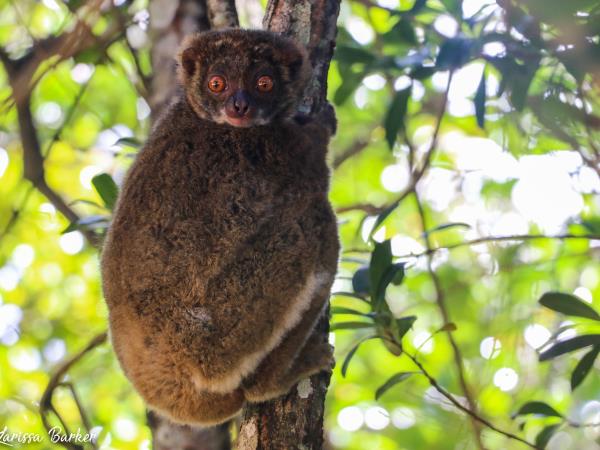
Lemur conservation project in Madagascar
From £795 - £2195 15 days excluding flights
Work alongside an award winning NGO in Madagascar
Madagascar holidays, The lost continent
From £3150 - £3395 15 days excluding flights
Experience the culture and wildlife of Madagascar
Madagascar wildlife and beach tour
From £3691 10 days including domestic flights only
Track Indri lemurs by day, then relax beachside