Gorilla conservation volunteering holiday, Uganda
Price
£3495To£4285 excluding flights
Convert currency:


Duration
13 Days
Type
Tailor made
More info
Pricing is based on per-person sharing.
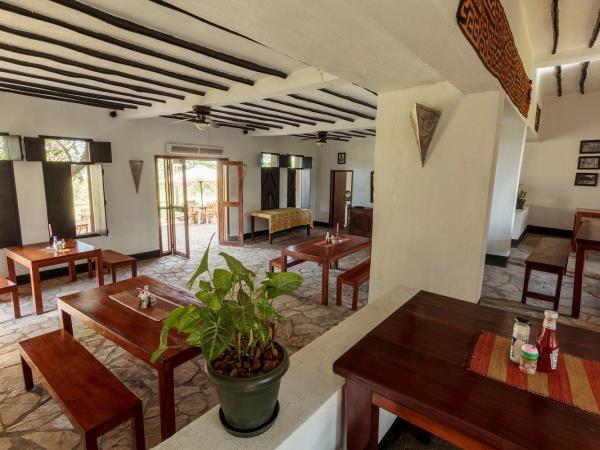
Accommodation in midrange guesthouses & lodges.
Includes gorilla and chimpanzee permits and mentioned activities in the parks.
The itinerary is customisable and departs anytime.
Accommodation in midrange guesthouses & lodges.
Includes gorilla and chimpanzee permits and mentioned activities in the parks.
The itinerary is customisable and departs anytime.

Description of Gorilla conservation volunteering holiday, Uganda
Price information
£3495To£4285 excluding flights
Convert currency:
Pricing is based on per-person sharing.
Accommodation in midrange guesthouses & lodges.
Includes gorilla and chimpanzee permits and mentioned activities in the parks.
The itinerary is customisable and departs anytime.
Accommodation in midrange guesthouses & lodges.
Includes gorilla and chimpanzee permits and mentioned activities in the parks.
The itinerary is customisable and departs anytime.
Departure information
This trip can be tailor made throughout the year to suit your requirements
Travel guides
Find out what conservation you'd be interested in, and how to get involved.
So much more than just mountain gorillas - our travel guide is your ultimate resource for Uganda.
Responsible Travel
As the pioneers of responsible tourism, we've screened this (and every) holiday so that you can travel knowing we've worked to maximise the benefits of your holiday to local people and places, and minimise any negative impacts.
Planet
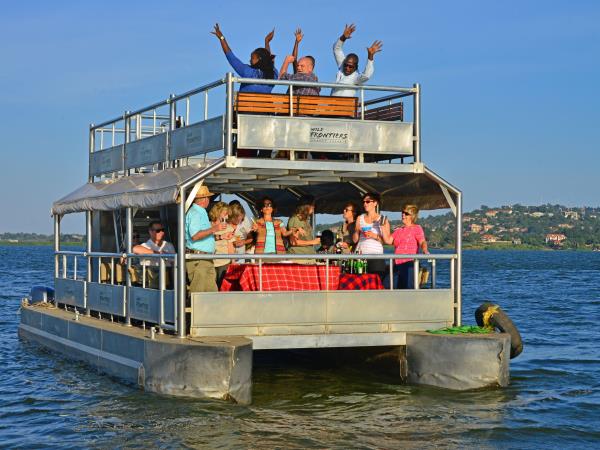
Carbon ReductionOur 13-day wildlife volunteering project in Kibale National Park and Queen Elizabeth National Park is designed to minimise our carbon footprint while supporting conservation on the ground. We prioritise small group sizes, shared transportation, and locally led logistics to reduce emissions and avoid unnecessary travel. Activities are planned within each park to limit daily vehicle use, and we stay in eco-conscious accommodations that emphasise energy and water efficiency. Activities like exploring the Botanical Gardens, boat ride on on Kazinga channel and a nature walk in Lake Mburo National Park.
By working with local partners, sourcing supplies locally, and focusing on hands-on conservation and community projects, the program reduces transport-related impacts while contributing to habitat protection and long-term sustainability in western Uganda. Travellers are reminded to use water wisely to prevent waste. The majority of the lodging we use either uses subterranean water or collects rainwater. Water waste is discouraged for travellers. Additionally, the lodges heat their shower water using solar energy.
Environmental & Wildlife
Wildlife in Uganda is protected by the Uganda Wildlife Authority. Most of this tour will be spent in the conservation areas protected by the UWA. We partner with UWA by ensuring our clients visit the parks and that conservation fees are paid. Part of the money paid for entrance and activities in the park is given to communities surrounding the parks, which they use on projects of interest. We also often include a visit to the communities adjacent to the parks to ensure they benefit directly and therefore join in conservation. Bigodi village walk near Kibale National Park and the Twin Lakes walk near Queen Elizabeth National Park.
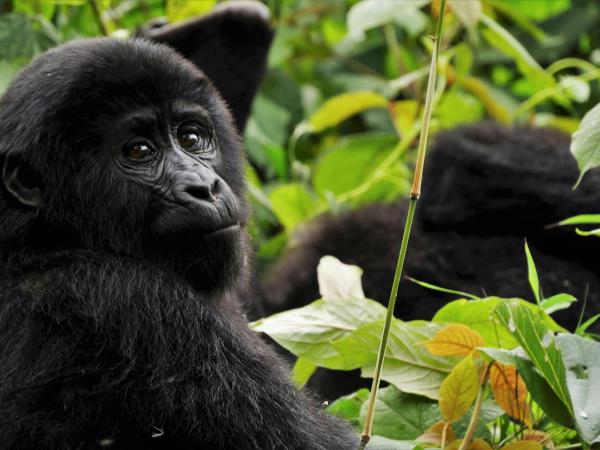
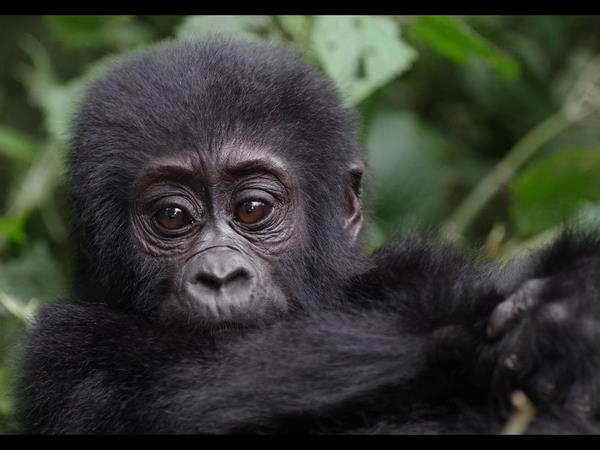
The gorilla visit is strictly limited to one hour per group under a regulated park permit, a policy that plays a key role in protecting both the wildlife and their environment. By controlling the duration and number of visitors, the park minimises stress on the gorillas, reduces the risk of disease transmission, and limits human impact on sensitive forest habitats. Permit fees directly support conservation efforts, park management, and local communities, ensuring that tourism contributes to the long-term protection of gorillas and the ecosystems they depend on.
People
Local EconomyWe employ guides from the communities we work in. We pay fair wages to them, which allows them to provide for their families and keeps them interested in working in the tourism sector. We open up opportunities for exposure to new communities, therefore broadening their skills and confidence. Sometimes a guide has not visited a particular area in the country, which can limit their employability opportunities. We allow them to travel along a senior guide and learn, therefore increasing their chances.
Employment, inclusivity & diversity
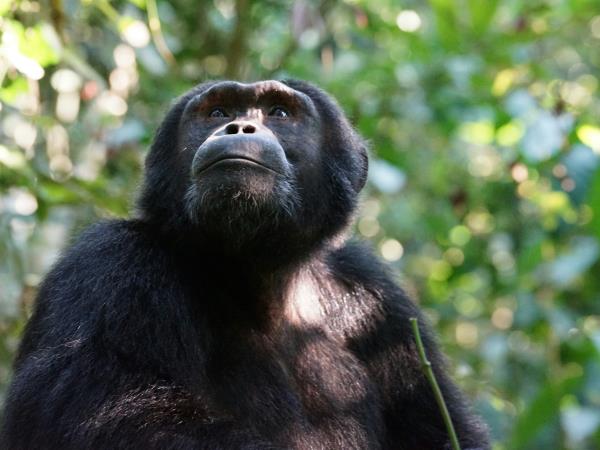
We encourage visits to communities and homesteads along the tourism route. On this safari, you will visit the Iike community on Mt Murongole. This community is separated from the rest of the surrounding tribes due to difficulties in cultivation, largely because of the nature of their land. Tourism is a big component in their survival because the money paid goes into buying food for the families. You will visit the amazing Bigodi village near Kibale Forest, which has interacted with chimpanzees for years and contributed to their conservation. All these ensure that dollars directly go into the pockets of communities.
Popular similar holidays
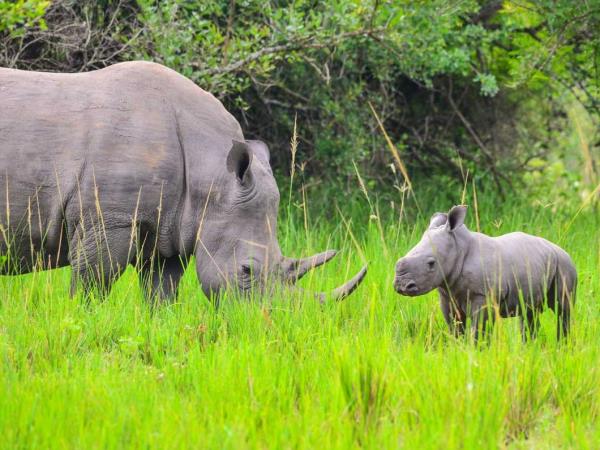
Rhino conservation and safari holiday, Uganda
From £1795 - £2475 8 days excluding flights
Explore Rhino conservation in Uganda
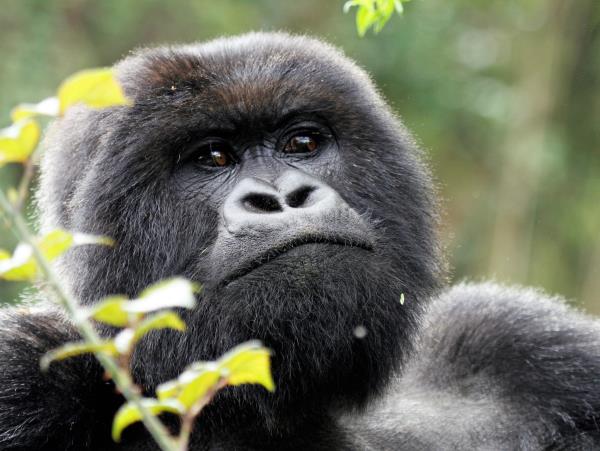
Uganda safari holiday, gorillas, chimps and lions
From US $3223 - US $4123 10 days excluding flights
Wildlife and primate safari in Uganda's national parks
Ultimate Uganda, small group tour
From £6295 15 days excluding flights
Gaze into the Pearl of Africa