Best time to visit Uganda

Equatorial Uganda has a blissfully springlike climate – a 25°C average with cooling night-time breezes.![]()

June, July, August and September are the best time to visit Uganda. These peak months are generally dry (although rain can fall at any time). Book well in advance if tracking gorillas, as permits sell out months in advance. Really, though, this is a year-round destination. Uganda sits squarely on the equator so there are no true seasons, plus an average altitude of around 1,000m tempers the heat. March to May and October to November see the highest rainfall, but gorillas are still lurking in the mist – although trekking to find them will be slippery and slower. Accommodation can be much cheaper at this time, and gorilla permits easier to come by at shorter notice.

A month by month guide on when to go to Uganda
January in Uganda
- Great time to visit
- Dry season: warm and dry
- Wildlife easy to spot
February in Uganda
- Dry season: warm and dry
- Wildlife easy to spot
- Lots of small group tours run
March in Uganda
- Long rains begin
- Drier in the northeast
- Fewer visitors
April in Uganda
- Long rains – wettest month
- Green vegetation
- Roads can be difficult
May in Uganda
- Last month of the long rains
- Drying up at end of the month
- Green vegetation
June in Uganda
- Great time to visit
- Dry season begins
- Excellent wildlife viewing
Wildlife viewing is better when game is more concentrated around water sources and tracking gorillas and chimpanzees is much easier when the ground is dry.![]()
– Jackson Araali from our partner Primate World Safaris
July in Uganda
- Great time to visit
- Dry season: warm and dry
- Excellent wildlife viewing
August in Uganda
- Great time to visit
- Dry season: warm and dry
- Excellent wildlife viewing
September in Uganda
- Last month of peak season
- Excellent wildlife viewing
- Some rain towards end of the month
October in Uganda
- Short rains arrive
- Low season for tourism
- Some heavy rain, interspersed with sunshine
November in Uganda
- Great month for birding
- Migratory birds arrive, birds breeding
- Short rainy season continues
December in Uganda
- Popular time to visit
- Dry season: warm and dry
- Wildlife easy to spot
Uganda Weather Chart
MIN °C
MAX °C
RAIN (mm)
JAN
16
29
67
FEB
16
29
75
MAR
17
28
141
APR
17
28
194
MAY
17
27
172
JUN
16
27
83
JUL
15
26
64
AUG
16
27
86
SEP
16
27
94
OCT
16
28
129
NOV
16
28
163
DEC
16
28
101
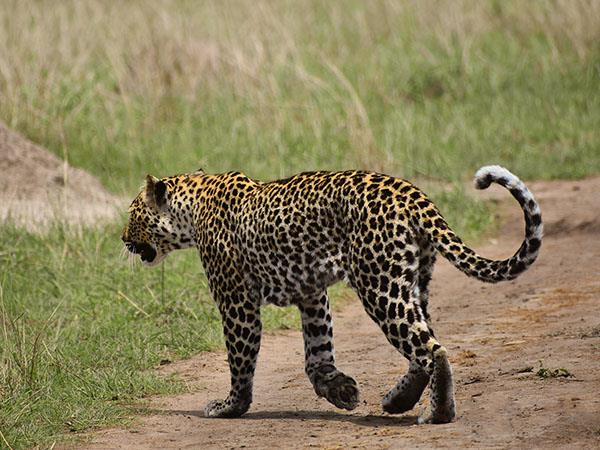
Small group adventure holiday in Uganda
Experience fresh waters, wilderness & jungle
From
US $3580
7 days
ex flights
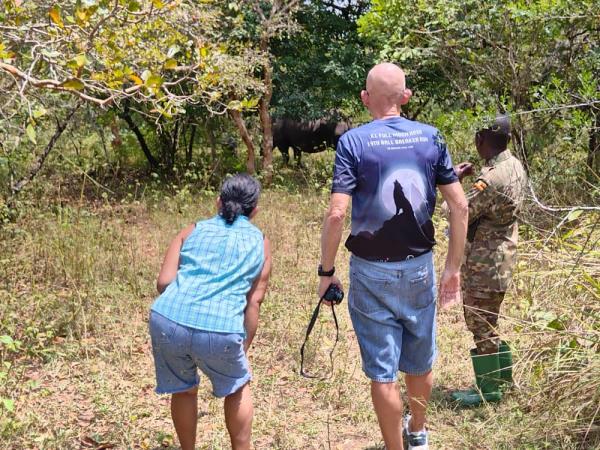
Uganda safari activity adventure
Wilderness journey through Uganda's spectacular landscapes
From
US $4760
12 days
ex flights
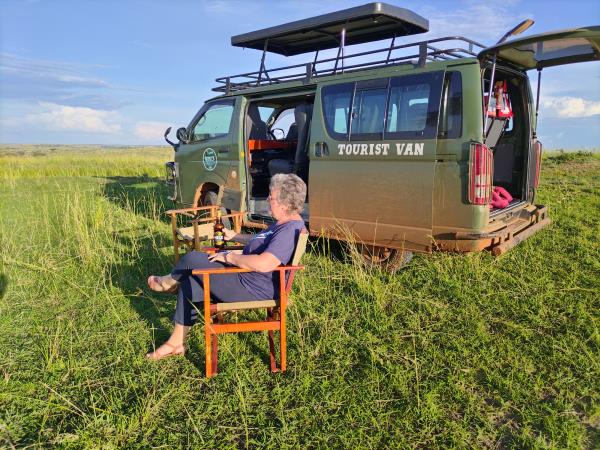
Uganda wildlife holiday
Top selling Uganda holiday with primate expert guides
From
US $4190
8 days
ex flights
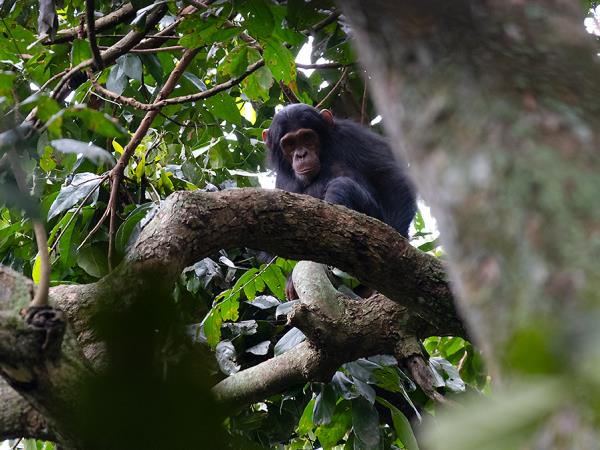
Uganda wildlife and conservation tour
Discover the wonders of Uganda & its extraordinary wildlife
From
£2595
9 days
ex flights
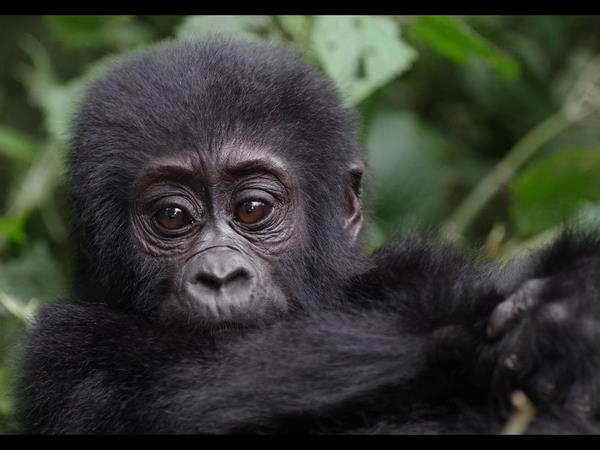
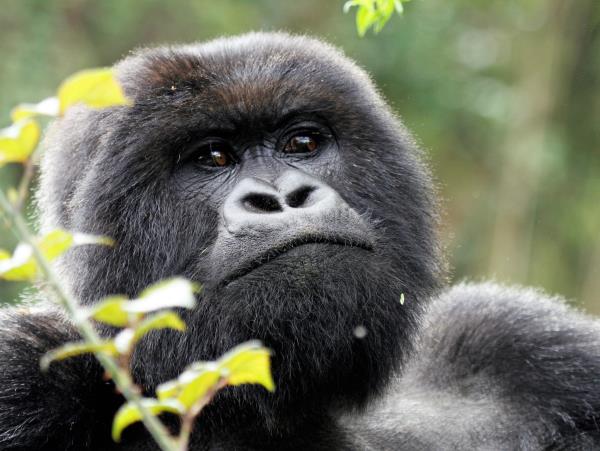
Uganda safari holiday, gorillas, chimps and lions
Wildlife and primate safari in Uganda's national parks
From
US $3223 to US $4123
10 days
ex flights


Contact Us

Call us for a chat about our holidays. We are happy to discuss your holiday and help in any way we can. No bots, queues or awful hold music.

01273 823 700
Call us after 10am
Calling from outside the UK


Responsible Travel recommends
Jackson Araali, from our leading Uganda holidays partner Primate World Safaris:
“The best time to travel in the year would be between the months of January and February then June to September. The weather is perfect, dry season with little or no rainfall. Wildlife viewing is better when game is more concentrated around water sources and tracking gorillas and chimpanzees is much easier when the ground is dry.”
Spokesperson from our Uganda holidays partner Natural World Safaris:
“March, April, May is a heavier rainy season, but having said that, I was there in May in the Kyambura Gorge doing chimpanzee trekking, and there was no one there except me and some guides because most tourists don’t come until the end of May when, traditionally, the rain stops. People do work in ‘calendars’ but of course weather doesn’t work like that. I think there is a lot to be said of going in the last few days of what is supposedly the wet season, because when I was there it was perfectly dry and there was nobody there.”
“The best time to travel in the year would be between the months of January and February then June to September. The weather is perfect, dry season with little or no rainfall. Wildlife viewing is better when game is more concentrated around water sources and tracking gorillas and chimpanzees is much easier when the ground is dry.”
Spokesperson from our Uganda holidays partner Natural World Safaris:
“March, April, May is a heavier rainy season, but having said that, I was there in May in the Kyambura Gorge doing chimpanzee trekking, and there was no one there except me and some guides because most tourists don’t come until the end of May when, traditionally, the rain stops. People do work in ‘calendars’ but of course weather doesn’t work like that. I think there is a lot to be said of going in the last few days of what is supposedly the wet season, because when I was there it was perfectly dry and there was nobody there.”
Our travellers also ask…
When is the best month to go to Uganda?
We recommend June as the best month to go to Uganda – it’s the start of the dry season that runs to September. Alternatively, look at the other dry season between December and February.
Which month is the rainy season in Uganda?
There are two rainy seasons in Uganda – the long rains from March to May and the short rains from October to November, though it can rain at any time in the country. The official rainy seasons are wetter. This make roads less easy to travel, and it less easy to go gorilla-trekking or wildlife watching (like us, animals are less likely to go out and about during a downpour). However, rain tends to fall for just part of the day, and then the skies become blue again. As weather patterns become less predictable with climate change, Uganda’s rainy seasons are becoming less defined.
What is the hottest month in Uganda?
January and February tie in first place as the hottest months in Uganda, and the average daily high is 29°C in Kampala. But Uganda is equatorial and so there isn’t much temperature range throughout the year – the coldest month is July, and the average daily high in the capital is still 26°C.
How cold is Uganda at night?
The average elevation in Uganda is around a kilometre above sea level which tempers its climate compared to other nations at similar latitudes. Expect an average daily low of between 15°C and 17°C at night. On our holidays you might spend a night camping with Karamojong herders at a kraal – an enclosure for cattle – but you shouldn’t be chilly round the campfire. A jumper or cardi makes it much easier to sleep but it never reaches the chilly extremes of places such as Kruger or the Kalahari.
More Uganda articles
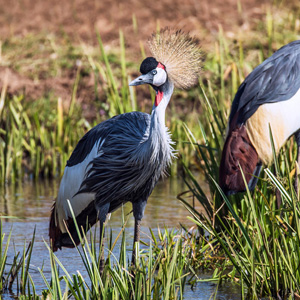
So much more than just mountain gorillas - our travel guide is your ultimate resource for Uganda.
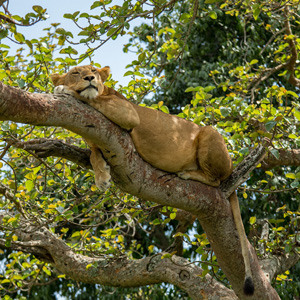
Useful maps and itineraries to help you make the most of your time on a Uganda holiday, from Lake VIctoria to safari.
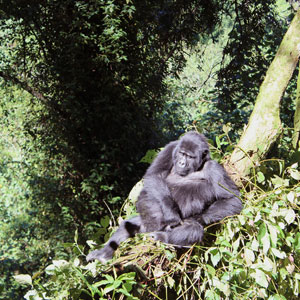
Meet the creatures that enchanted Attenborough and find out how to see them.
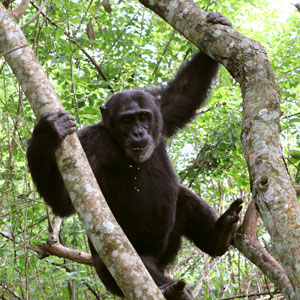
Al you need to know about tracking chimpanzees, from permit fees to packing tips.
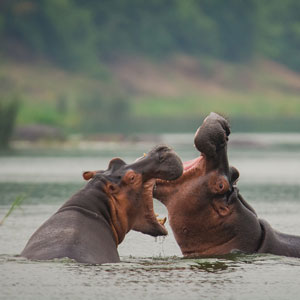
Game drives, river cruises and walking safaris, to observe everything from silverback gorillas to chattering chimps.
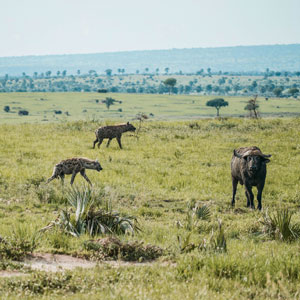
Murchison Falls is Uganda’s largest national park, and it feels like one of its wildest.
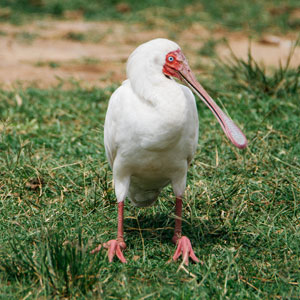
We knowQueen Elizabeth National Park is the jewel in the country's wildlife crown.
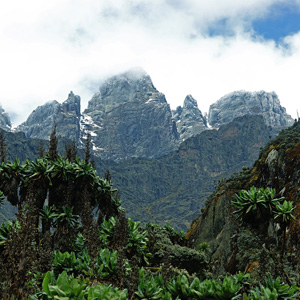
Among Uganda’s least visited natural wonders, but a must-see for birders.
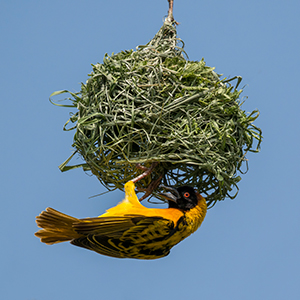
Amazing guides will help you see more than 400 avian species over just two weeks.

Though gorilla tracking should still be the very top of your wishlist, there are plenty of activities in the country.
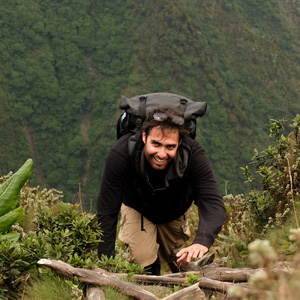
Our travel experts have shared their top Uganda tips with us, from exploring the culture to seeing gorillas.

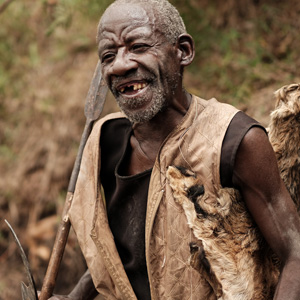
Responsible tourism in Uganda helps reach rural people, helping them conserve their lands.

The Nile's rapids draw keen rafters in from around the world - the spray is about to fly.