Estonia wildlife

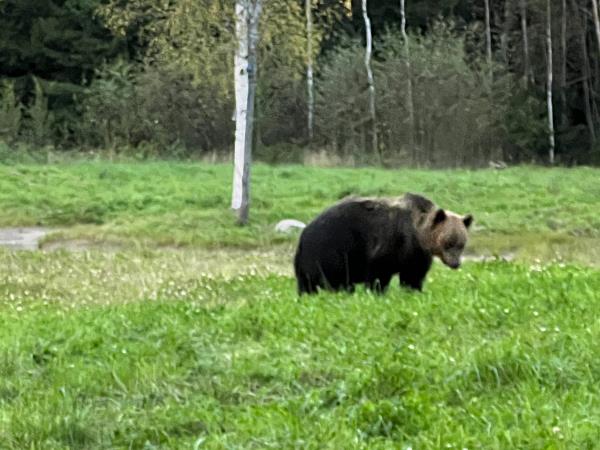
First there is the rustle of branches, then the sound of heavy breathing. A bulky shadow moves and takes on the shape of a bear as it ambles into view, snuffling along the ground for berries and roots, completely oblivious to the fact that it is being breathlessly watched by eight people behind a pane of soundproof glass.

You may be surprised by the wildlife in Estonia. Brown bears are just the start of it. This tiny Baltic country, half the size of Portugal, boasts more than 28,000 species, some 1,500 of which are threatened with extinction in Europe. Nearly half of the country is covered by forests, which, along with peat bogs and wetlands, are encompassed by six national parks and over 230 nature reserves. In all, about a fifth of the country is protected, helping wildlife to flourish across diverse ecosystems, sequestering carbon, purifying water and entrancing travellers on our wildlife watching holidays.

“I’m a biologist’s daughter,” says Christy Neuland of our partner Wild and Heritage, who organise a number of our most exciting wildlife tours. “Although I haven’t studied it, I have been learning about the natural world my whole life.”

Trips will often head east from the capital, Tallinn, to Lahemaa National Park, and then further to Alutaguse National Park, in search of bears, elk and racoon dogs, before crossing back to the other side of the country and the island of Saaremaa, where the birdlife is prolific and there is the chance to see (and swim with) seals. “Outside Tallin it’s not at all crowded,” says Christy. “We've had guests say ‘really, where is everybody?’. We go to the forest or the beach and there is no-one, you have this feeling of paradise.”

Other trips, such as those with a photography focus, explore the wetlands of Matsalu National Park on the west coast. Typically, our holidays are about a week long, with small groups (numbering around eight people) coming between May and August, peak wildlife viewing time. We have shorter trips, too, and private, tailor made holidays can also be arranged. They are led by professional local guides who ensure their guests stick to marked paths, leave no trace of their visit, and always respect the natural rhythms of wildlife by causing as little disturbance as possible.

Contact Us

Responsible Travel, Travel Team

Call us for a chat about our holidays. We are happy to discuss your holiday and help in any way we can. No bots, queues or awful hold music.

Responsible Travel, Travel Team

What wildlife can you see in Estonia?

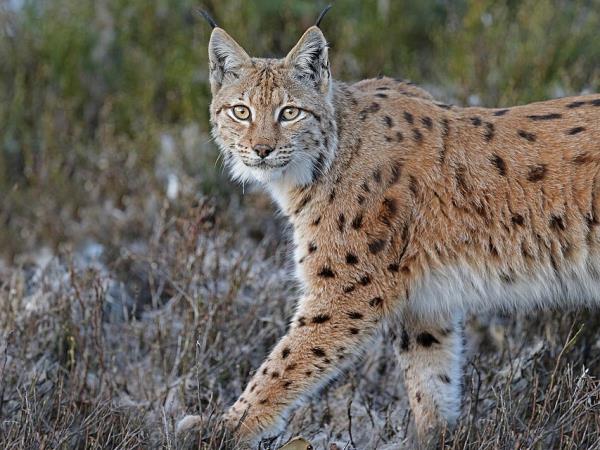
There are several carnivores at large in Estonia – bears, as well as lynx (some 600 of them) and wolves, which you would be very lucky to see. You stand a good chance of encountering elk, though, with up to 11,000 of them in the woodlands. One of the main issues that wildlife in Estonia faces is the construction of new roads. As well as the tracks of the new Rail Baltica project (which has been criticised for the damage it will cause to nature), they cut through vital migration corridors for wide-ranging animals like elk.

The wildlife of Estonia also includes roe deer, foxes, badgers, beavers and wild boar, as well as raccoon dogs. “Their behaviour is very funny,” says Christy. “Although they’re an invasive species, we’ve taken them as our own.” Then there are Siberian flying squirrels, which are as brilliant as you’d think, but you’ve almost no chance of seeing these tiny, elusive animals that glide from tree to tree in silence. However, you can be sure they’re up there somewhere – our wildlife tours will sometimes donate to a fund that protects the squirrels and their habitat.

Estonia is also rich in birdlife, much of it migratory, since the country’s many protected areas offer safe havens for birds in transit. You might see black storks, black grouse, capercaillies, woodpeckers and various birds of prey. “And cranes,” adds Christy. “They used to be rare, but now you see them everywhere, which I love. I am very proud of that.”

Are there bears in Estonia?

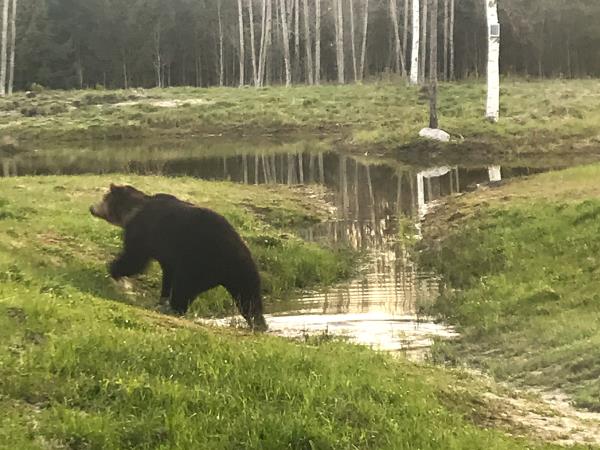
There are around 1,000 brown bears in Estonia, with both Alutaguse and Lahemaa national parks boasting healthy populations. “Last summer we only had one night without a sighting,” says Christy, “and usually we don't see just one bear, but four or five of them, foraging and sometimes even mating.”

Estonia bear watching involves spending the night in a specialist hide, in a remote area but only 400m or so from a marked forest trail. You’ll be comfortable – there are beds with pillows, seating and en suite toilets, and some hides have electricity, while dinner is also provided. There are microphones outside to pick up the sound of approaching wildlife – roe deer and raccoon dogs are regularly seen, too – so that you can cluster quietly around the panoramic windows once the animal comes into view. Hides are soundproofed but you’ll still need to keep noise to a minimum as bears have such sensitive hearing.

Patience is vital for wildlife watching, but our groups get lucky more often than not, and when you do, it’s a magical experience. Profits from our bear watching tours will often be reinvested to enlarge protected areas, helping these intelligent, beautiful animals to survive and flourish.

“Like everywhere, there is a never-ending discussion in Estonia about how to cohabit with wildlife,” Christy says. “Farmers lose sheep to wolves, bears sometimes destroy beehives, it is nothing new. But wildlife holidays mean that local businesses like hotels and restaurants earn money from visitors, and that encourages these communities to raise their voices about looking after these places.”

Where can you see wildlife in Estonia?

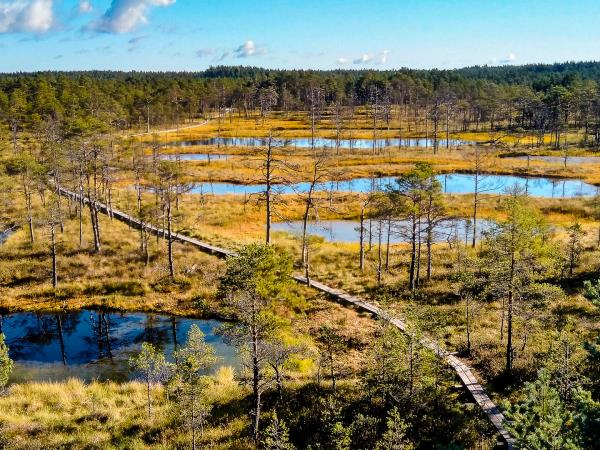
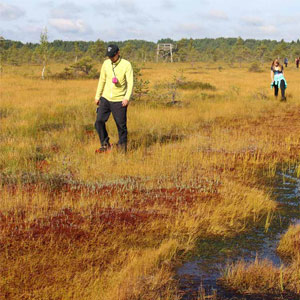
Lahemaa National Park, on the north coast east of capital Tallinn is one of the best-known Estonian wilderness areas, where wooden boardwalks thread walking trails through vast bogland and ancient forest. Just 130km southeast, the forests and swamps of Alutaguse National Park provide safe harbour for several endangered species including willow ptarmigans and flying squirrels.

Matsalu National Park on the other side of the country ranks among the finest birding destinations in Europe. Boat trips along the Kasari River may turn up woodpeckers, cranes and godwits, with beavers and elk sometimes appearing along the riverbanks, too.

The island of Saaremaa is an hour off the mainland by ferry. Here there are ancient meteorite craters, Viking myths and chattering seal colonies. “There are around 300 to 400 seals and they are curious,” says Christy. “If the sea is calm with no waves, you can go in for a swim with them.” There are currently no rules on how many people are allowed in the water at one time: “We don’t need them, because this is the Baltic Sea, so not many people choose to go in!” At low tide you can walk across from Saaremaa to windswept Vilsandi Island, where Estonia’s oldest nature reserve plays host to hundreds of bird species, including white-tailed eagles.

Wildlife photography in Estonia

Making the most of long, late-spring days and natural light, and cosy hides in well-chosen locations, our wildlife photography tours are perfect for capturing the quieter moments when animals reveal unguarded behaviours. Routes take you from Haapsalu in western Estonia, where you might head out at sunset to find Ural owls on the hunt, to Lahemaa National Park, where you can take boat safaris to photograph seals and seabirds, and Alutaguse National Park, where you can stay overnight in a bear hide.

These are week-long small group tours led by expert local guides. They aim to minimise disturbance to the wildlife, taking care to avoid any nesting or feeding areas, and not to bait animals to attract them.
Written by Rob Perkins
Photo credits: [Page banner: Charles J. Sharp] [Intro: LH_4tography] [Are there bears in Estonia?: Wild & Heritage] [Where can you see wildlife in Estonia?: Abrget47j]