Indian Himalayas travel guide

Sometimes a geography lesson is the only way, especially with something as humungous as the Himalayas. The name Himalaya comes from the Sanksrit, Hima-laya meaning ‘Abode of snow’, and has, over time, developed into the plural, Himalayas, because of the many number of mountain ranges. There are the Outer Himalayas, also called the Siwalik Range, the Lesser or Lower Himalayas, the Tethys or Tibetan Himalayas, the Trans-Himalayas and the Great Himalayas, home to Mount Everest.
On my first trip to india I was excited to see the golden triangle. But that is like only having one piece of the Toblerone. The Indian Himalayas were like being presented with the whole bar. And the giant one at that.
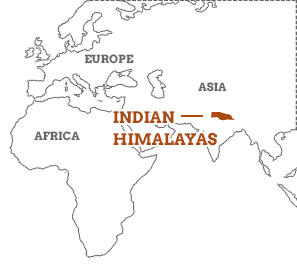
The Indian Himalayan Region dips and dives in and out of the Lesser, Greater, Tethys and Siwalik Ranges with the states of Jammu & Kashmir, Himachal Pradesh, Uttarakhand, Sikkim, Arunachal Pradesh, Assam and West Bengal claiming pieces of pie. This Indian Himalayas travel guide aims to give you a taste of the pie, and show you that there are so many ways to enjoy the highest mountain ranges in the world, following in the footsteps not of great climbers, but of real Indian people who call this awesome abode home.
Indian Himalayas are...

the most accessible way to discover the greatest mountains of the world, while also having time to enjoy multicultural aspects of India.

Indian Himalayas are not...

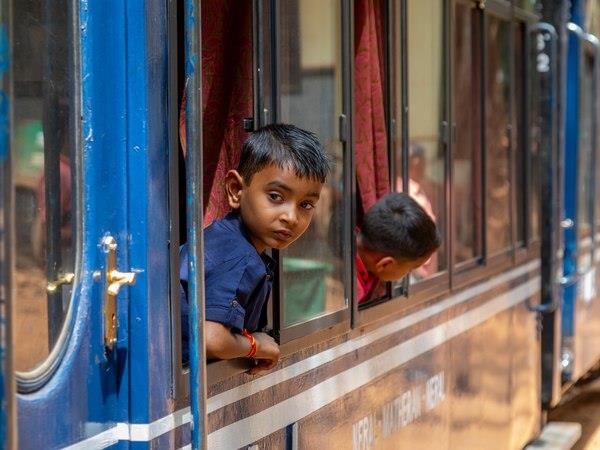
all about peaks and pushing yourself. From one of the highest road passes in the world to the highest train journeys, everyone can get elevated here.

Things to do in the Indian Himalayas...

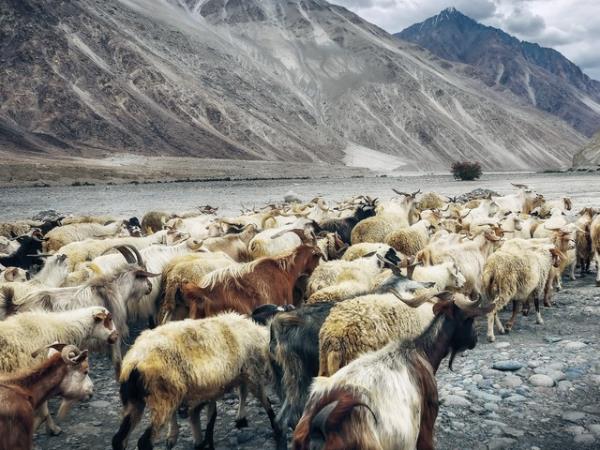
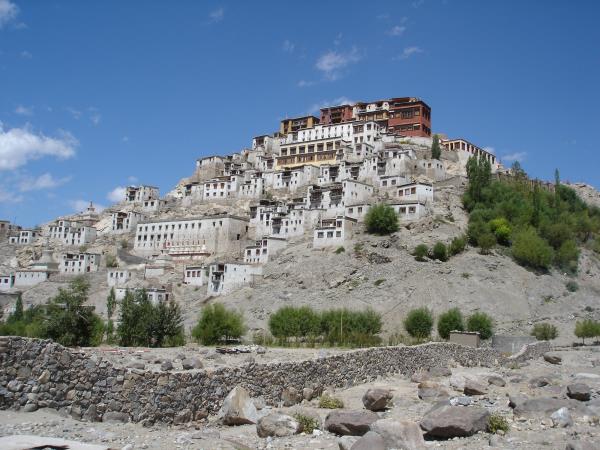
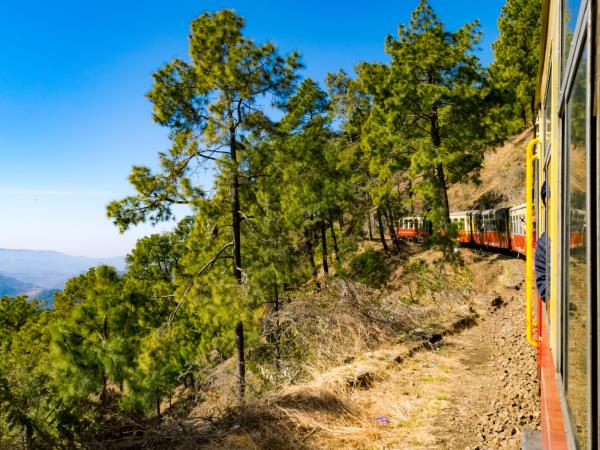
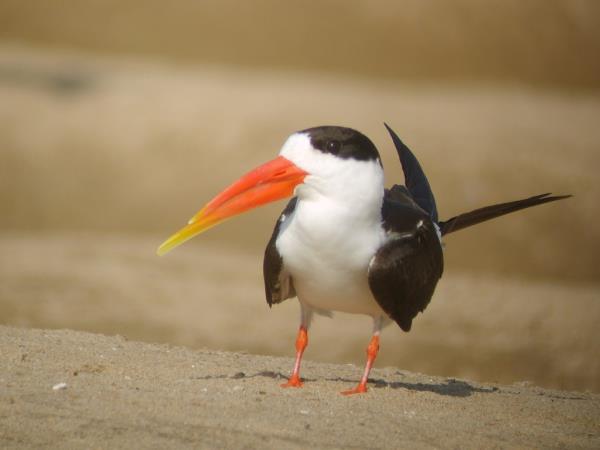
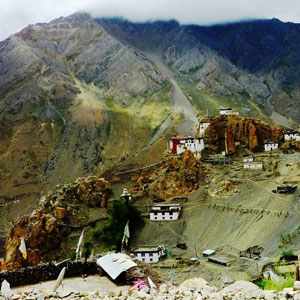
The Indian Himalayas are a wonderful place to explore remote mountain villages and hill stations. Pragpur, with its cobbled streets and ancient traditional houses, is the gateway to Dhauladhar range and southern peaks of the Outer Himalayas. Palampur in the Kangra Valley is accessible by the narrow gauge Kangra Valley Railway and known for being as the tea growing capital of North India. And Mandi in the northwest Himalayas is home to 80 shrines and temples representing many different religions. Trekking in the Babha Valley is also second to none. The Indian wildlife scene is often dominated by the Bengal tiger but when you have both the Himalayas and the snow leopard, the spotlight suddenly swings north. Track snow leopard during winter months when they come down from the seriously frozen peaks in search of food, in the likes of Hemis National Park – are also home to ibex, wolf, blue sheep and lynx. Or head to Kaziranga National Park for another stunning wildlife experience, as two thirds of the world’s population of the one-horned rhino thrive in these grasslands. For a step into the ultimate world of spirituality, a visit to Dharamsala and neighbouring McCloud Ganj takes you to the home of His Holiness the 14th Dalai Lama. It is also home to many exiled Tibetan nuns and monks, as well as exquisite and indeed ethereal environs of cedar forests that creep up as high as they possibly can into the Himalayas.

Contact Us

Responsible Travel, Travel Team

Call us for a chat about our holidays. We are happy to discuss your holiday and help in any way we can. No bots, queues or awful hold music.

Responsible Travel, Travel Team

Things not to do in the Indian Himalayas...

Underestimate the toughness of these mountains, even in the foothills. Always travel with an expert local guide who knows the route, and ensure that someone knows where you are going. Also, weather can change rapidly in the Himalayas, so always be prepared with the correct layers.
Be culturally blasé. These are remote landscapes with rural villages where religion and culture play important roles. So please dress appropriately – both men and women. No shorts, short skirts and women should keep shoulders covered if in a place of worship. And also be sensitive about taking photographs. Take your time getting to know people first and always ask permission.
Go to Dharamsala and McLeod Ganj without reading up a little about the reasons why people are living in exile here. Even better, when you come back and understand their plight in more detail, you can support Free Tibet, an organisation with a whole host of ongoing campaigns aimed at spreading the word about Tibet and securing the rights of its people. Your next stop can to be to actually visit Tibet of course.
Use plastic water bottles all the time. Plastic is not recycled here, and it never biodegrades at high altitude. One tip is to drink the local fresh apricot juice or sea buckthorn juice. Although for water, the LifeStraw self-filtering water bottles are fabulous. This cuts out the use of plastic bottles completely.
Written by Catherine Mack
Photo credits: [Page banner: Sharada Prasad CS] [Top box: valcker] [Is/Isnt: Prithwiraj Dhang] [Things to do box: Ashish Gupta]