Responsible tourism in Lithuania

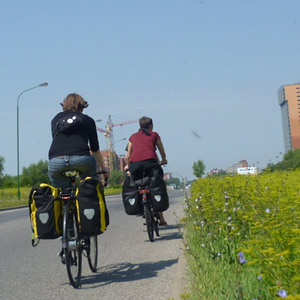
Lithuania leans heavily into nature tourism – most of our holidays involve cycling, walking and immersing yourself in the country’s forests and national parks. This is a nation forging a new identity, its younger generations entirely free from Soviet shackles. There’s a sense of optimism and economic opportunity, countering years of depopulation – and a big part of that is a surge in tourism. Reviews of our Lithuania trips rave about the landscapes, the culture and the warmth of the welcome.

Our guide to responsible tourism in Lithuania explores how the country is welcoming growing numbers of visitors while ensuring that it protects the culture and nature those visitors come to enjoy.

People & culture in Lithuania

A depopulation crisis?

Lithuania has one of the highest depopulation rates in the world. Much of this is due to emigration, largely driven by Lithuanians seeking better opportunities abroad. The first significant wave came when the Soviet Union collapsed and Lithuania regained its independence. Borders to the West fell away at the same time as central funding from the Soviet Union dried up, leading to economic chaos as factories, farms and other state-linked businesses were shuttered.

A second wave of emigration came about when Lithuania joined the European Union, which made it much easier for people to live and work in other countries. A third wave followed in 2008, during the global economic crisis. Since the end of the Soviet Union in 1991, Lithuania has lost around a million people – equivalent to the population of its two largest cities – the vast majority of whom were of working age. With more than a fifth of the country now above retirement age, the long-term prospects for the Lithuanian economy seem pretty bleak.

And yet…

Statistics show that young Lithuanians (under 30, or Gen Z) are among the happiest in the world. Unburdened by direct memories of Soviet oppression and beneficiaries of government policies designed to foster economic and cultural innovation, there is a surge of optimism among Lithuanian youth. Many emigres are now returning – particularly those who had settled in the UK – and bringing with them investment, skills and knowledge.

Lithuania is now a hub for entrepreneurs and tech start-ups in Europe, and has already produced three ‘unicorns’ – privately held billion-dollar start-ups. That means plenty of job openings for young Lithuanians, which is one of the underlying reasons for all that positive thinking. And of course, not all of these jobs are in tech. Tourism, too, is on the up and up.

Tourism in the pink

In May, the water fountains of Vilnius run pink. Pianists in pink plink pink piano keyboards, and dogs dressed in pink costumes get under the feet of spectators, themselves clad head to toe in vibrant shades of, you guessed it.

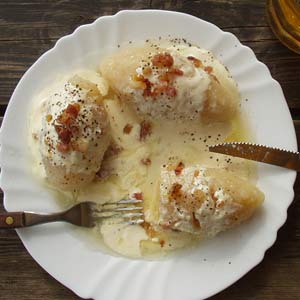
The Pink Soup Festival, for that is the cause of this city-wide blush of pride, is a celebration of saltibarsciai, a chilled dish made from beetroot, kefir, cucumber and dill, and usually served with a hard-boiled egg. It’s a staple of Baltic cuisine, but one that Lithuania is determined to claim as its own. Yet this festival is about more than just having pride in your roots. It’s an example of successful ‘soft branding’ that is helping to make the home of cold soup one of Europe’s hottest destinations.

Tourism is getting a turbocharge in Lithuania. This is one of Europe’s fastest-growing travel destinations, with a surge in international arrivals helped along by increased connectivity by air and rail, and a craving among many travellers for less-crowded locations. The Lithuanian government has embraced social media to market the country, while Lithuania’s burgeoning tech is also contributing, one example being a popular downloadable phone game wherein users can try their hand at preparing traditional Lithuanian cuisine. No prizes for guessing whether pink beetroot soup makes an appearance.

“Things are developing here in a very positive and balanced way,” says Alina Mikolenaite of our partner Travel Addicts. “We don’t yet have the crowds or mass tourism seen elsewhere, which gives us the opportunity to grow responsibly. In recent years, we’ve seen new forms of tourism emerge — for example, hiking tours were almost non-existent before, but now, thanks to local initiatives, they’re being developed and promoted even by the national tourism agency. Local businesses like ours have a real voice in shaping how tourism evolves, focusing not only on sightseeing and bus tours but also on bringing visitors into nature, small towns, and authentic local experiences beyond the usual routes.

What you can do
Tourism creates jobs, and responsible tourism creates better jobs that ensure workers are fairly treated and fairly paid. All of which provide opportunities for Lithuanian people and potentially encourage some of the diaspora to return as well. Our Lithuania holidays employ local people and businesses wherever possible, from guides to airport transfers, hotels, restaurants and activity providers. Some trips purposefully only include breakfast so that several different restaurants can benefit from a group’s stay.

Lithuania is flush with tourism. But while that surge is welcome, it’s still important to travel responsibly, which is to say being respectful of Lithuanian culture, as well as its natural environment.
Environment & wildlife in Lithuania

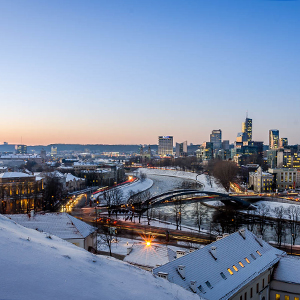
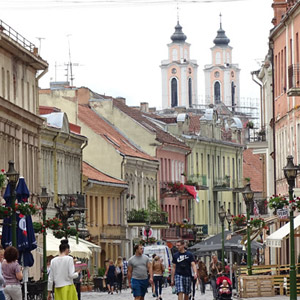
Vilnius: A European ‘Green City’

In 2025 Vilnius was named a European Green Capital. The title is awarded to towns and cities where local actions contribute to a more sustainable footing – essential, given that two out of every three Europeans now live in an urban area. This is the ‘Green Transition’ in effect – helping to make Europe climate neutral by 2050 through cutting pollution and investment in environmentally friendly industry, transport and technology.

Where Vilnius is concerned, this translates into initiatives such as increasing the use of renewable energy. Examples include enabling electric vehicle charging through streetlights, developing new rail links with cities including Warsaw, Riga and Tallin, and introducing more electric and fuel-efficient public transport vehicles to replace its Soviet-era fleet. A free app lets travellers check real-time arrivals and traffic conditions.

“Residents are encouraged to join clean-up actions, plant trees and reduce plastic use, while visitors can enjoy a more pedestrian-friendly, greener city,” says Alina. “It's a good trend to start, as initiatives can also be developed by local businesses.”

Vilnius has 140km of bike paths, and over 100km of walking trails, as well as a network of public water foundations where you can fill up your reusable bottle. Meanwhile over 60 percent of the city is given over to green spaces, including forested areas within easy reach of the centre. All of this makes life more pleasant for residents, and makes Vilnius attractive, and easy to get around, for visitors.

What you can do
It ain’t easy being green, but Vilnius is doing a great job of it. As many of our Lithuania holidays will arrive in the capital, adding a day or so to explore Vilnius is a breeze. You can do your bit towards the city’s sustainability efforts by getting around on foot, using public transport, or hiring a bike. The more tourists who frequent Vilnius’ cycling and walking trails, and its green spaces, the more officials are encouraged to develop them further.

Maintaining the Curonian Spit

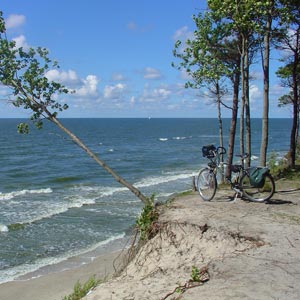
The Curonian Spit is a regular destination on our walking and cycling trips in Lithuania. This narrow strip of land on the western coast is shared with Russia and separates the freshwater Curonian Lagoon from the Baltic Sea.

A national park and a UNESCO World Heritage Site, the spit is rich in wildlife, particularly birds. You can see peregrine falcons here, along with kites and pink starlings (not soup-related). One of the main attractions in the park is the dune landscape. The largest dune, the Parnidis Dune, stands 52m high and from its summit you can see both the sea and the lagoon.

This is a fragile landscape, under constant threat from the elements. Wind, forest fires, storms, tides, and human activity all impact the spit every year. Hundreds of walkers climb the dunes each day, which shifts tonnes of sand around, while concerns remain about the risk of pollution from an offshore drilling platform in Russian waters. Conservation efforts on the spit often focus on dune stabilisation – there are strict rules on where you can walk, and several reforestation projects.

What you can do
Look for holidays that contribute to conservation efforts on the Curonian Spit. In some cases, our partners volunteer their own time and effort on projects, while entrance fees that go towards maintaining the park and its landscapes are always fully paid. When walking or cycling here, take careful note of where you can and cannot go to avoid causing any accidental damage to the environment. On our trips you will be given clear guidance on this.

Additionally, our holidays support local people and businesses in the area, such as guides and boat tour operators – tourism income is another incentive for authorities to maintain the spit.
Written by Rob Perkins
Photo credits: [Page banner: Paolo Crosetto] [Saltibarsciai (pink soup): Guillaume Speurt] [Vilnius: A European ‘Green City’: DAVID ILIFF]