Guided tours where it counts
The road from Camp Grande into the Pantanal crosses ranches and rice fields and forests. From birds of prey on fence posts to flocks of enormous parrots crossing above your sunroof, you’ll probably encounter wildlife before you’ve reached particularly far into the Pantanal; this area has the highest concentration of wildlife in the Americas. When it comes to seeking some of the rarer wildlife, put yourself into the hands of wildlife guides. On reaching your wildlife lodge, you’ll park up and swap four wheels for horse riding, boat trips, night safaris and Jeep drives.
Whilst you shouldn’t have safety concerns on the roads, animals in this wildlife dense area should. The BR-262 road, which runs through Campo Grande, is one of the most dangerous roads for wildlife in the country. Crab-eating foxes and armadillos are among the most common animals hit. Most collisions happen at night, so driving in the daytime keeps you and the wildlife you’re here to see safe.
Transfer vs driving yourself
There is no public transport in Brazil’s Pantanal region, so private transfer or driving yourself is the only way in. The transfer is long, meaning that it is expensive. Often transfers are at set times and are shared. Note, too, that not all lodges can arrange private transfers. Driving yourself can be far more cost effective and flexible.
Great options for families
Going with your own car is a great option for families. Enjoy the flexibility that having your own vehicle brings – and its cost effectiveness, too, which can counteract some of the other expenses involved with travelling with children. “Lodges tend to only offer private jaguar experiences for families with younger children,” explains Amanda. This ensures your children don’t have to police their behaviour around other guests.
Access all areas?
Most of the Pantanal region is inaccessible. Around 95 percent of the region is privately owned ranch land, and in wet season it experiences seasonal flooding. Yet Brazil’s Pantanal access is far better than in neighbouring Bolivia, where there is still no infrastructure.
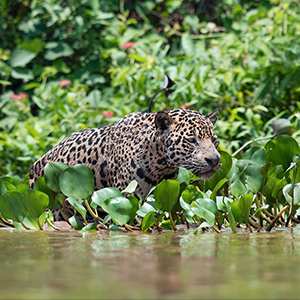
Access in the Pantanal has affected the fortunes of its cattle farmers; those nearer the road can profit from lucrative ecotourism, compensating many times over for the loss of any cattle being eaten by jaguars. More remote ranches don’t feel this benefit. Many wildlife guides were formerly employed by ranches to protect cattle from jaguar attacks and have now found new careers protecting the jaguars through ecotourism instead.
Ethanol fuel
Many Brazilian cars run partially on ethanol – Brazil is the world’s second largest producer. This biofuel has lowered the carbon intensity of Brazil’s transport sector, and lowered costs too. The downside is that it is less efficient than petrol, so drivers will need to be mindful that their miles to the gallon will be lower than at home. There is also petrol (gasolina) available.
Best time to drive in the Pantanal
Dry season, which runs from July to October, is the best time to travel by car – it means optimum road conditions and you’ll have good chances to spot wildlife. Coinciding with school summer holidays, it’s the perfect time for taking the family on an unforgettable road trip. Conditions in wet season are challenging, especially on the Transpantaneira.