Best time to visit the Subantarctic Islands

The austral summer from Nov-March brings long daylight hours, beautiful light for photos and are much warmer than you might imagine.![]()

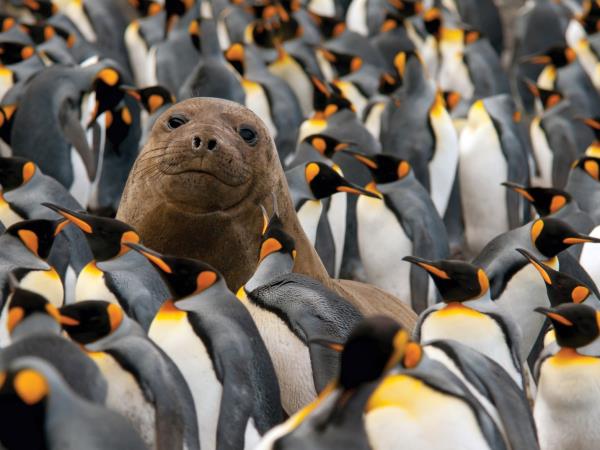
The Subantarctic Islands are some of the world’s most remote areas of land, so it should come as no surprise that they’re not accessible year round. The expedition season is short and the austral summer – November to March is not only the best time, it is the only time to visit; outside of these months the temperature gets bitingly cold and the area inaccessible. During this time, days are long and bright, the temperature hovers around a comfortable 5oC, and the islands spring to life with seal pups being born, penguin chicks hatching and small seabirds taking flight for the first time.

Subantarctic islands Weather Chart
MIN °C
MAX °C
RAIN (mm)
JAN
17
20
53
FEB
16
20
60
MAR
13
17
74
APR
11
15
75
MAY
9
13
90
JUN
7
12
96
JUL
6
11
90
AUG
6
10
81
SEP
6
11
72
OCT
9
13
56
NOV
12
16
54
DEC
15
18
56
New Zealands Subantarctic Islands cruise
Wildlife voyage to the Subantarctic inc Macquarie Island
From
US $10490 to US $11050
12 days
ex flights
Wildlife Cruise of New Zealand Subantarctic Islands
New Zealand's wildlife rich & remote Subantarctic wilderness
From
US $6145 to US $6500
8 days
ex flights
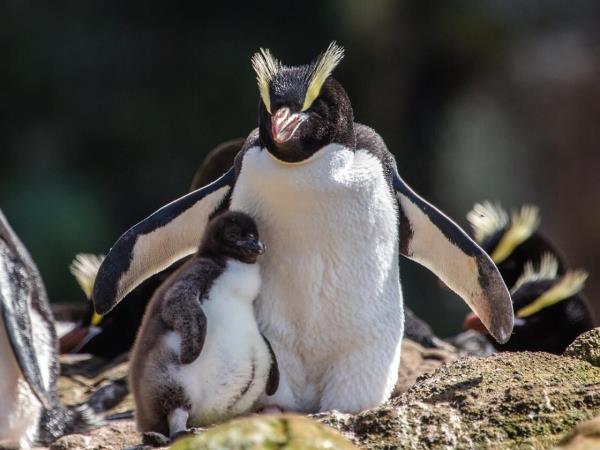
New Zealand and islands bird watching cruise
The ultimate Subantarctic Island birding expedition cruise
From
US $15995 to US $16800
17 days
ex flights
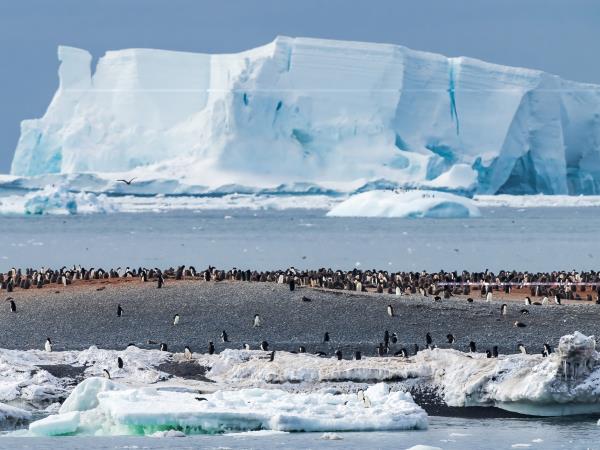
Antarctica semi-circumnavigation cruise
Argentina to New Zealand onboard an ice strengthened ship
From
£20890 to £33950
5 weeks
ex flights
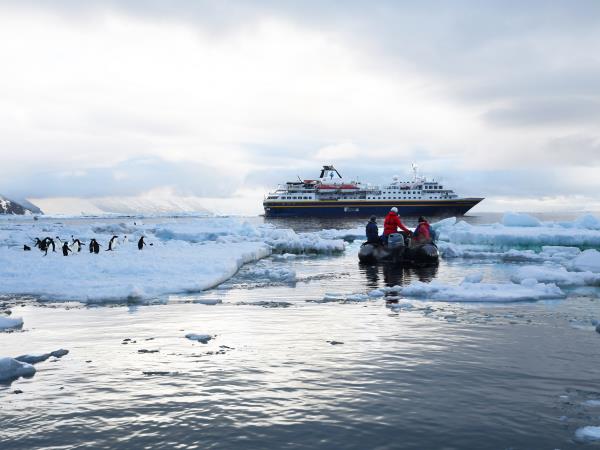
Antarctica and New Zealand Subantarctic Islands cruise
Travel from New Zealand on the ultimate Antarctic voyage
From
US $33075 to US $34750
4 weeks
ex flights


Contact Us

Call us for a chat about our holidays. We are happy to discuss your holiday and help in any way we can. No bots, queues or awful hold music.

01273 823 700
Call us until 5pm
Calling from outside the UK


Subantarctic Islands wildlife tips
On the Reischek’s parakeet
Cassia Jackson, from our partner, Heritage Expeditions, shares some interesting Subantarctic Islands wildlife facts:
“The Reischek’s parakeet is a small green parrot confined to Antipodes Island. The common name commemorates pioneering naturalist and collector Andreas Reischek, who collected specimens in 1888. It feeds on tussock flowers, leaves, seeds, berries and invertebrates such as fly larvaein penguin guano and it also scavenges the carcasses of petrels and albatross. Though the population of Reischek’s parakeet is healthy, its limited distribution makes it potentially vulnerable to events such as the accidental introduction of rodents to its island home and it is listed as ‘range restricted’ in the New Zealand Threatened Species classification.”
“The Reischek’s parakeet is a small green parrot confined to Antipodes Island. The common name commemorates pioneering naturalist and collector Andreas Reischek, who collected specimens in 1888. It feeds on tussock flowers, leaves, seeds, berries and invertebrates such as fly larvaein penguin guano and it also scavenges the carcasses of petrels and albatross. Though the population of Reischek’s parakeet is healthy, its limited distribution makes it potentially vulnerable to events such as the accidental introduction of rodents to its island home and it is listed as ‘range restricted’ in the New Zealand Threatened Species classification.”
On the abundance of fauna & flora
"When you compare the total number of indigenous plants and the number of seabirds found across all six Subantarctic Islands with similar groups of islands in the Southern Ocean, for example the Indian Ocean and the South Atlantic, there is significantly more species on the Subantarctic Islands. Simply put, the islands of the South Pacific are tiny oceanic havens for an abundance of wildlife, the likes of which is seen in very few other places around the world.”
On the New Zealand sea lion
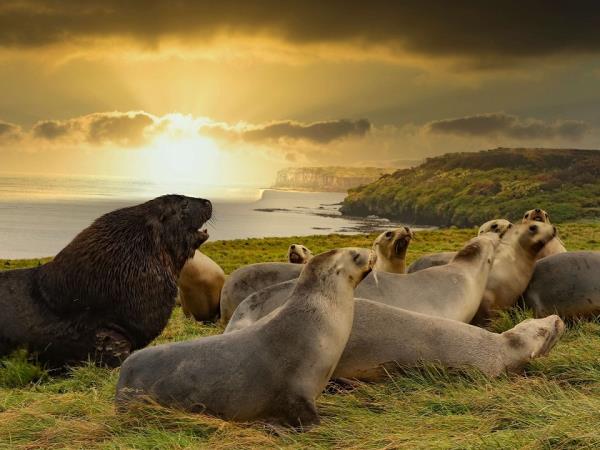
“New Zealand (Hooker’s) sea lions are the rarest and currently the most endangered of the five species of sea lion in the world. They have a very limited distribution and range, and can be found breeding at only a handful of sites in the Auckland Island group. They also breed in small numbers on Campbell Island and Stewart Island, but 95 percent of pup production occurs on the Auckland Islands. Mature males are blackish in colour with well-developed black manes reaching to the shoulders. Females are lighter, varying from buff to creamy grey with darker pigmentation around the muzzle and flippers. Pups of both sexes are chocolate brown with paler areas around the head.”
More Subantarctic islands articles
Visit everywhere from New Zealand to Macquarie Island on this antipodean adventure.