


Best time to visit Western Ghats

Rivers in the Western Ghats work overtime, draining almost 40 percent of India’s water. While rainforests thrive, it also makes them vulnerable to monsoon flooding.
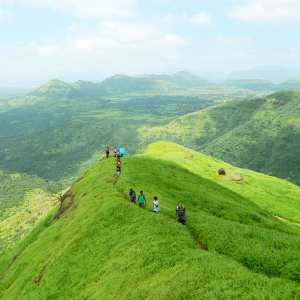
If you’d rather leave the mac at home, avoid the Southwest Monsoon from July to September. On a good year, there might be flooding. Then there are the bad years – flooding and landslides exacerbated by poor dam management displaced almost one million Keralans in 2018. That said, it’s still worth considering travelling in rainy season. You’ll see impossibly green landscapes and meet fewer tourists. The best time to visit the Western Ghats, however, is after October. You’ll be treated to misty cool hill walks and warm-to-hot days in the national parks. Things cool down towards December, when hill towns like Munnar dip below 10°C.

Mumbai Weather Chart

 
MIN °C
MAX °C
RAIN (mm)
JAN
19
30
0
FEB
19
30
1
MAR
22
32
0
APR
25
33
1
MAY
27
34
13
JUN
26
32
576
JUL
25
30
967
AUG
25
30
621
SEP
25
30
347
OCT
24
33
83
NOV
22
33
11
DEC
20
31
3

Contact Us

Responsible Travel, Travel Team

Call us for a chat about our holidays. We are happy to discuss your holiday and help in any way we can. No bots, queues or awful hold music.

Responsible Travel, Travel Team

Western Ghats holiday advice

Sanjay Oberoi, from our partner Bespoke India Travel, shares his Western Ghats travel tips.

Road & rail

“Aside from driving on the scenic Konkan Highway, the best way to enjoy the coastline of Karnataka is to take the train which features around 10 stations from Kerala to Goa. It really is a lovely route and a great way to have an authentic Indian experience, if you have the time.”

Walk this way

“One of my favourite experiences is the full-day adventure trek on the hills of Wayanad to Chembra Peak. Or the trek to Meesapulimala at Munnar – the Western Ghats’ second highest peak. A full day bamboo rafting and trekking through Periyar National Park will be great for those with an adventurous spirit.”

Escape the crowds

“Expect crowds in wildlife sanctuaries, soft adventure spots, seasonal waterfalls and many scenic points during weekends, festivals and national holidays, as the majority of Indian tourists prefer to travel to the Western Ghats then. Nowadays, travellers choose the quieter monsoon time for a leisurely drive through the winding roads and plantations.”
Photo credits: [Page banner: Prateek Rungta] [Intro: sarangib] [Sanjay Oberoi Quotes: Sankara Subramanian]